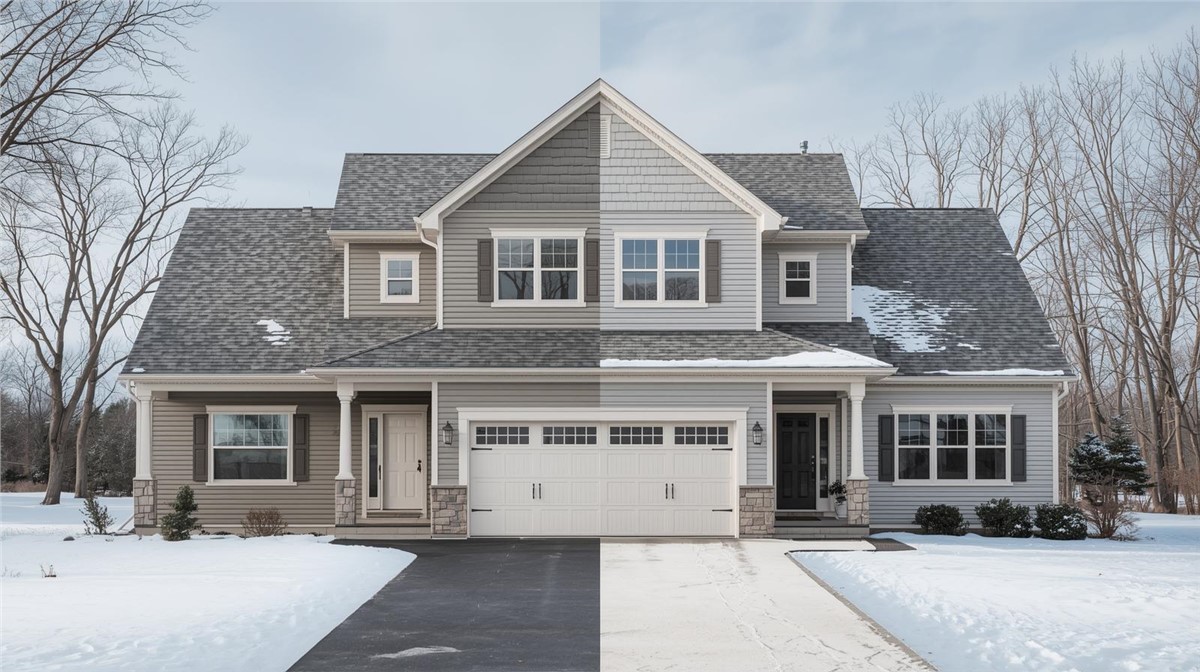
Another Wisconsin winter is in the books. If a walk around your house reveals cracked siding from a stray snowblower chunk or faded panels from the summer sun, you’re probably wondering where to even start. For most homeowners, the choice usually comes down to two big players: classic vinyl and the increasingly popular fiber cement. Understanding how they differ in cost, appearance, and upkeep is the first step to a confident decision.
Right away, the biggest difference you'll notice is the price. Vinyl siding is significantly cheaper to install, which is a major draw for many budgets. This upfront saving, however, comes with a trade-off in design. Vinyl siding colors are baked into the material, much like a solid-colored plastic plate—you can’t repaint it, but a scratch won't show a different color underneath.
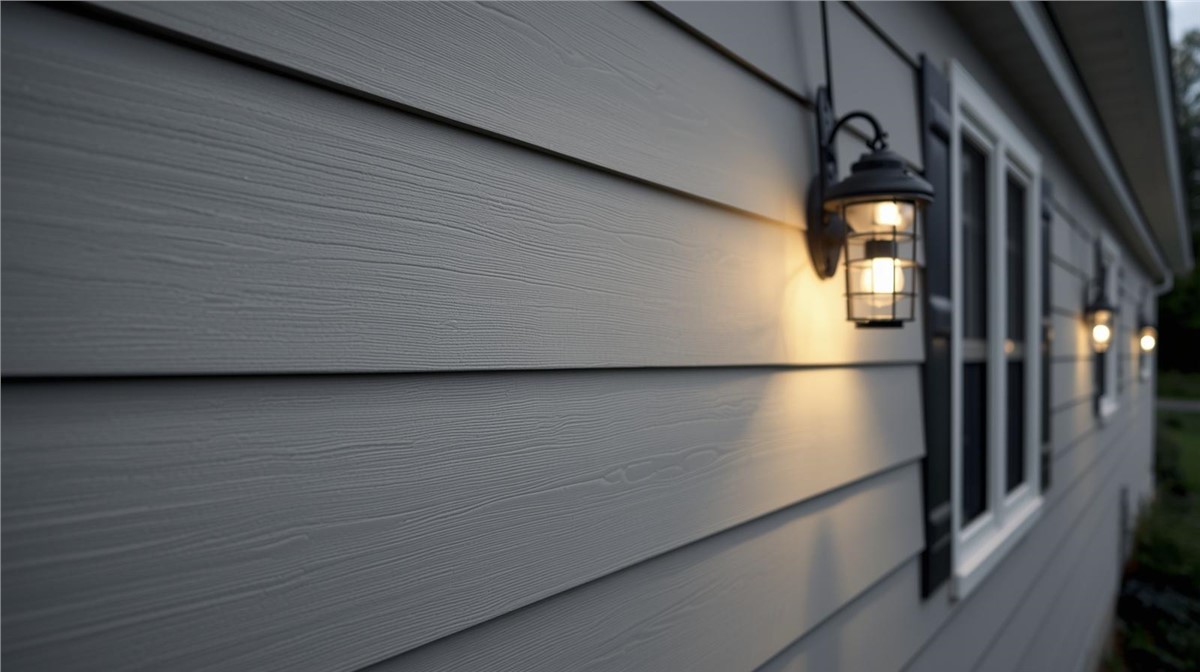
Exploring the fiber cement vs vinyl siding pros and cons, you’ll find fiber cement is more like a primed canvas. It's painted after installation, giving you unlimited colors and the ability to change your home’s look down the road. Both are considered low maintenance siding for snowy climates, needing just a good wash. The key difference is that fiber cement will also require a fresh coat of paint every 10-15 years to stay looking its best, defining the true fiber cement siding vs vinyl appearance over time.
The Real Test: Which Siding Survives a Wisconsin Freeze-Thaw Cycle?
We’ve all seen what happens to a plastic tote left out in a deep freeze—it gets brittle and can shatter with a simple knock. Vinyl siding, being a type of plastic, faces the same risk in our sub-zero temperatures. This brittleness means a minor impact, like ice kicked up from a snowplow or a stray hockey puck, can cause a permanent crack that wasn’t a threat in July. This is a key concern for vinyl siding durability in freezing temperatures, a reality we face for months on end.
Compounding this issue is the relentless freeze-thaw cycle. Throughout late winter and early spring, moisture from melting snow can seep into tiny seams or behind siding panels. When the temperature plummets again overnight, that trapped water freezes and expands, acting like a tiny, powerful wedge that pries your siding away from the wall. For a vinyl panel that’s already brittle from the cold, this constant pressure is a recipe for splits and widespread damage.
Fiber cement, on the other hand, responds very differently to the cold. Because it’s a mix of cement, sand, and wood fibers, it doesn't become brittle. Think of it less like plastic and more like a thin, tough slab for your house. It remains stable and highly impact-resistant, making it one of the best siding options for Wisconsin winters because it can withstand the prying force of ice. Of course, our homes have to endure more than just the cold.
Beyond the Blizzard: Tackling Hail, Humidity, and High Winds
Winter's impact is clear, but what about a surprise summer hailstorm? This is where the hail damage resistance siding comparison becomes critical, and the two materials could not be more different.
Vinyl Siding: Prone to denting, cracking, or even having holes punched through by significant hail.
Fiber Cement Siding: Highly resistant. Hailstones typically bounce right off with no damage.
Then comes the humid, sticky air of a Wisconsin July, bringing the risk of mold. While vinyl itself won't rot, improper installation can trap moisture behind it, letting mold grow on your home’s structure. Fiber cement, in contrast, is an excellent choice for siding that prevents mold in humid summers. Its composition of cement and sand doesn't feed mold and won't decay, offering far greater peace of mind.
Those same storms often bring powerful winds. Being lightweight, vinyl siding can rattle or even lift off in strong gusts, especially on an exposed wall facing a field or lake. Fiber cement’s weight and rigidity give it a huge advantage as a siding for high winds; it’s fastened securely and simply doesn’t move. With these durability benefits in mind, the conversation naturally turns to the price tag.
Is Fiber Cement Worth the Extra Cost? A Look at Your Long-Term Investment
There’s no sugarcoating it: fiber cement siding is a bigger investment upfront. Here in Wisconsin, you can generally expect the cost to install fiber cement siding to be significantly more than vinyl—sometimes two to three times as much. For many homeowners, that initial price difference is the single biggest factor in their decision. It’s a substantial number, and it’s fair to ask if the benefits we’ve discussed truly justify the higher price tag on your quote.
But the sticker price isn’t the whole story. Consider your Return on Investment (ROI), which is how much of your project’s cost you get back if you ever sell your home. Because of its premium look and superior durability, new siding has a great ROI, and fiber cement is consistently a top performer. Potential buyers see it, feel how solid it is, and understand it means decades of not worrying about siding. This makes it a smart play for your home's long-term resale value.
Finally, think about the total cost over the decades. A quality vinyl siding might last 20 years before our harsh Midwest weather makes it brittle and faded. Fiber cement, on the other hand, can easily last 50 years or more. While you’ll likely need to repaint it every 10-15 years, that cost is often far less than paying for a complete siding tear-off and replacement down the road. The question is less about the initial check you write and more about which future expense you’d rather plan for.
The Final Verdict: How to Choose the Right Siding for Your Wisconsin Home
With a clear understanding of the differences, you can confidently weigh cost against long-term durability and know how to choose siding for a Wisconsin home that will protect your investment through decades of freezes, thaws, and summer storms.
Your next step is to talk to a professional, and you're ready for that conversation. To ensure a quality job, here are three essential questions to ask any contractor about their vinyl or fiber cement siding installation process:
What type of house wrap and flashing do you use to manage moisture?
How do you account for material expansion and contraction during installation?
Can you provide addresses of local homes where you've installed both siding types so I can see them in person?
Subscribe to Huskie Exteriors's Blog




Comments