Do you find yourself avoiding that one chair by the window every winter? If you’re tired of feeling that familiar draft or watching your ComEd bill climb higher each year, your windows might be the culprit. For Illinois homeowners, windows aren't just for the view—they're the front line against our brutal, four-season climate.
Those seemingly small annoyances are often the first signs it's time to replace your windows in Illinois. This guide is a simple checklist showing how failing windows cost you comfort and how you can reduce energy bills with new windows. We'll help you diagnose the problems you can see and feel for yourself.
Beyond just comfort, industry data reveals that new windows increase home value, making replacement a smart investment. Let's perform a quick "health check" for your home.
The Feel & Function Test: Is Your Window Failing at its Most Basic Job?
That familiar chill you feel near a window on a cold Illinois day is the most obvious sign something’s wrong. To find the culprit behind these drafty windows, try this simple test: on a windy day, safely hold a lit incense stick near the edges of the window frame. If the smoke wavers or blows inward, you’ve found an air leak where your money and heat are escaping.
Beyond drafts, consider how your windows operate. Are they a struggle to open, close, or lock? This isn't just an old-house quirk; it's often a sign the frame has warped or swollen from years of moisture exposure. A window that doesn’t close properly isn't just inefficient—it can be a serious security risk for your family if the lock can’t fully engage.
These functional failures are clear warnings that your window is no longer doing its job. But sometimes, the most telling signs aren't about what you feel, but what you can see.
What to Look For: Decoding Fog, Rot, and Water Damage
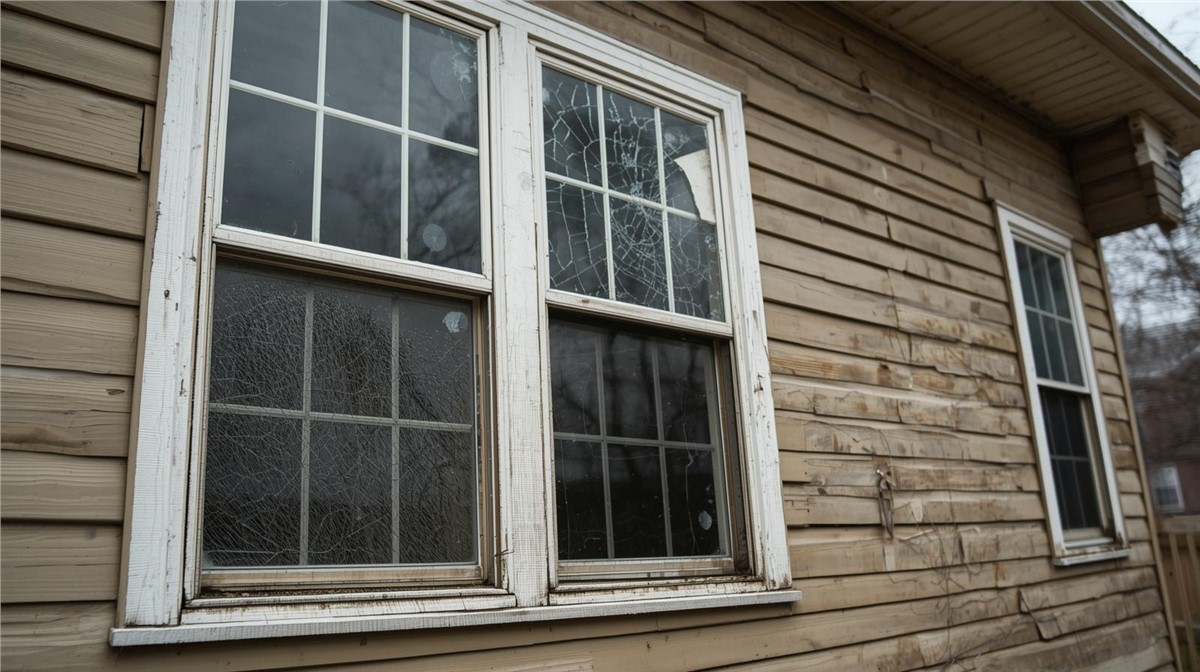
A foggy or milky film on your windows that you can't wipe away is a major warning sign. We’re not talking about the temporary fog after a hot shower; this is condensation between double-pane windows. It means the airtight seal has failed and the insulating gas has escaped. Your window's "thermos" is effectively broken, leaving it unable to keep your home comfortable.
Beyond the glass, the frame itself tells a story, especially on older wood windows. To check for a rotting wood window frame, gently press a key or screwdriver into the sill and trim. If the wood feels soft, spongy, or crumbles, you have rot. This isn't just a cosmetic flaw; it compromises the window's entire structure and allows more moisture to get in, creating a cycle of damage.
Finally, look for clues below the window. Peeling paint or discolored water stains on the wall are red flags for a slow leak. This moisture can cause hidden damage to your home’s structure and insulation over time. These visible failures are clear signs your windows are losing the battle against the elements, contributing to a cost you can't see—but definitely feel.
The Hidden Cost: How Old Windows Inflate Your Illinois Energy Bills
Those drafts, foggy panes, and water stains are more than just annoyances—they are exit signs for your money. When a window’s seal fails or the frame warps, it creates a constant leak. In an Illinois winter, that means your furnace works overtime just to keep up with the escaping heat. You are literally paying to heat the neighborhood.
This isn’t a small leak, either. The U.S. Department of Energy estimates that replacing old, inefficient windows can save a homeowner anywhere from $100 to over $500 per year. Modern windows, especially double or triple-pane units designed for cold climates, act as a powerful barrier, keeping your home’s temperature stable and giving your HVAC system a much-needed break.
A window upgrade is a long-term investment, not just a one-time expense. It’s an improvement that pays you back every month in lower energy costs and adds real value to your home. But does every leaky window demand a full replacement, or can some be repaired?
Repair vs. Replacement: When is a Quick Fix Not Enough?
Deciding between repair and a full replacement comes down to one question: are you fixing a single part or a failing system? A quick fix can make sense for an isolated issue, like a broken lock on an otherwise solid window. However, pouring money into patching up a fundamentally inefficient window is a poor investment, especially when considering the ongoing energy costs.
This simple guide can help you decide.
Consider Repair If: You have a single cracked pane, a broken lock or handle, or minor weatherstripping that needs to be reapplied.
Consider Replacement If: You see fog between the glass panes, frames are soft or rotting, multiple windows are drafty, or they are a struggle to open and close.
Ultimately, if a repair won't solve the underlying problems of energy loss and discomfort, you're just putting a Band-Aid on an issue that requires surgery. Investing in new, energy-efficient replacement windows in Illinois is often the more cost-effective choice in the long run.
Smart Shopping: What to Look for in an Illinois-Ready Replacement Window
When shopping for new windows, look for the official rating sticker on the glass. The most important number for our cold winters is the U-Factor. Think of it like a golf score—the lower the number, the better the window is at keeping heat from escaping. For an Illinois home, a low U-Factor isn’t just a nice feature; it’s essential for staying comfortable and controlling your heating bills.
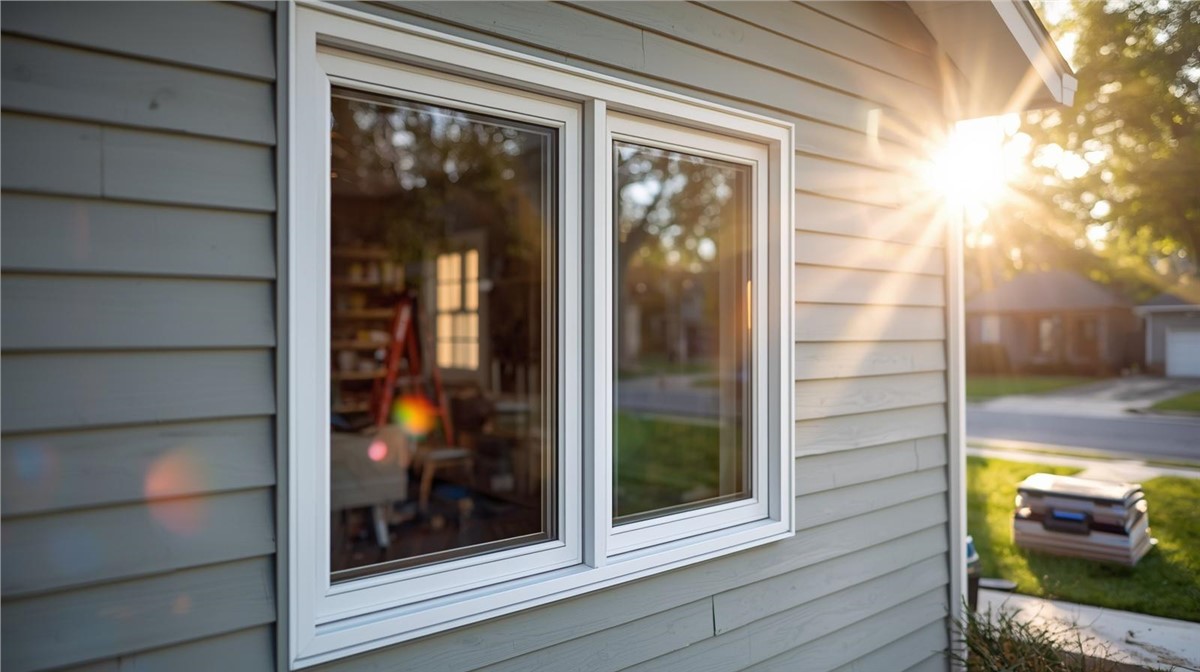
Another crucial feature is a Low-E coating, an invisible metallic layer that acts like smart insulation for the glass. In our humid summers, it reflects the sun's intense heat away, easing the burden on your air conditioner. In winter, it works in reverse, bouncing your home’s heat back into the room. High-performance windows with this coating often qualify for the Illinois energy efficient window tax credit, saving you money upfront and over time.
Finally, consider the frame. When you compare vinyl vs fiberglass windows for Illinois climate, you’ll find both are excellent, low-maintenance choices that won’t warp or rot. Knowing these basics—U-Factor, Low-E, and modern materials—allows you to ask contractors the right questions and choose a window that will truly perform for your home.
Your Next Step to a More Comfortable and Efficient Home
Now you can read the signs your home is sending—from a drafty room to a foggy window—and understand what they mean for your comfort and your wallet.
This weekend, take ten minutes to walk through your home and perform your own simple check-up. Spotting these issues isn't about finding flaws; it's the first step toward a cozier, more cost-efficient home. Your journey toward the right replacement windows in Illinois begins with this new awareness.
Subscribe to Huskie Exteriors's Blog





Comments