Your roof came with "30-year shingles," so you should be good for three decades, right? Unfortunately, for homeowners in Northern Illinois, that number is more of a hopeful estimate than a guarantee. Our brutal freeze-thaw cycles, heavy snow, and violent spring storms mean a shingle’s real-world performance often comes down to its basic construction. The debate over architectural shingles vs. 3-tab shingles longevity isn't just about looks; it's about survival.
Think of a standard 3-tab shingle as a single, flat layer—lightweight and economical, but also susceptible to being lifted by strong gusts. This is what contractors mean by wind uplift, where a single loose shingle can cause a "zipper" effect that peels off an entire section. In contrast, an architectural shingle is more like plywood: heavier, thicker, and built from multiple laminated layers. This construction gives it the weight and dimension to stand up to the weather our region throws at it.
During a common spring thunderstorm with 60 mph gusts, that difference becomes critical. A 3-tab roof might lose several shingles, creating an immediate entry point for water. A nearby home with a well-installed architectural shingle roof will likely suffer no damage at all. While they have a higher upfront cost, their superior hail and wind resistance means they often pay for themselves by preventing leak repairs and lasting years longer, making them one of the best roofing materials for our climate.
The 3 Hidden Attackers on Your Illinois Roof: Ice, Hail, and Thawing
Beyond just the weight of snow, one of the biggest winter threats to your roof is the “ice dam.” You’ve likely seen them—thick ridges of ice along a roof’s edge, just like in the photo. They form when heat escaping from a poorly insulated attic melts snow from underneath. This water runs down to the cold gutter line and refreezes, creating a dam that blocks drainage and can force water back up under your shingles, leading to serious leaks inside your home.
This constant temperature swing creates another silent problem: the freeze-thaw cycle. Any moisture that gets under your shingles will expand as it freezes and contract as it thaws. Day after day, this subtle movement works like a tiny crowbar, slowly pushing nails up and loosening the shingles. The impact of freeze-thaw cycles on roofing is a gradual weakening of your roof’s primary defense system, creating gaps for future storms to exploit.
When the weather warms, spring and summer storms bring their own attack, particularly hail. While large hailstones can crack a shingle, the more common damage is the loss of protective granules. Think of these gritty granules as permanent sunscreen for your roof. When hail knocks them off, it exposes the raw asphalt to the sun's UV rays, which rapidly dries out the shingle, making it brittle and drastically shortening its life. Knowing what does hail damage look like on a roof is key to catching it early.
Each of these attackers—ice, expansion, and impact—proves that a roof in our climate must be a complete system designed to manage heat, shed water, and resist damage. This is why proper ice dam prevention methods for roofs, like correct ventilation, are so crucial, and why the quality of the installation is often more critical than the shingles themselves.

Why Your Roofer Matters More Than Your Shingles
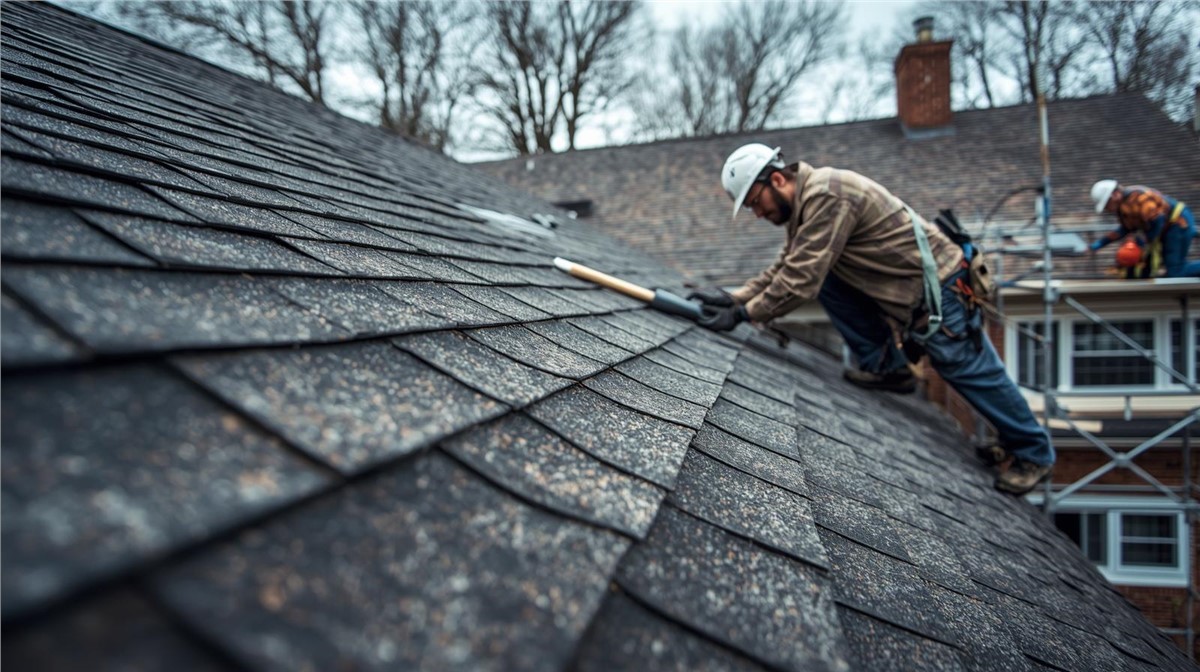
You can buy the most expensive, hail-resistant shingles on the market, but they are nearly worthless if installed incorrectly. The number one reason shingles blow off during a Northern Illinois storm isn't just wind speed—it's poor nailing. If a roofer places the nails too high or uses too few, the shingle isn't properly secured. This single mistake creates a weak point that can cause a "zipper effect" in high winds, where one failed shingle peels off an entire section.
Beyond simply fastening shingles, an expert installer treats your roof as a complete system. A critical, often overlooked, part of this system is proper roof ventilation for Midwest winters and summers. A well-ventilated attic helps prevent the formation of destructive ice dams and stops intense summer heat from "baking" your shingles from underneath, which makes them brittle. It’s the key to helping your roof survive our region's extreme temperature swings, not just meet minimum Illinois residential roofing codes.
This is why learning how to choose a roofer in the Chicago area often comes down to asking the right questions. Before you sign any contract, ask the contractor to explain their specific nailing pattern and how they will ensure your attic has balanced ventilation. A true professional will have a confident, clear answer. If they brush off the question, they aren't the right partner to protect your home.
5 Telltale Signs Your Roof Needs an Inspection (From the Ground)
You don’t need a ladder to spot the early signs of roof failure in cold climates. A quick walk around your property can reveal critical clues about your roof's health. If you notice one or more of the following issues, it’s a strong signal that you should schedule a professional inspection to understand the full picture.
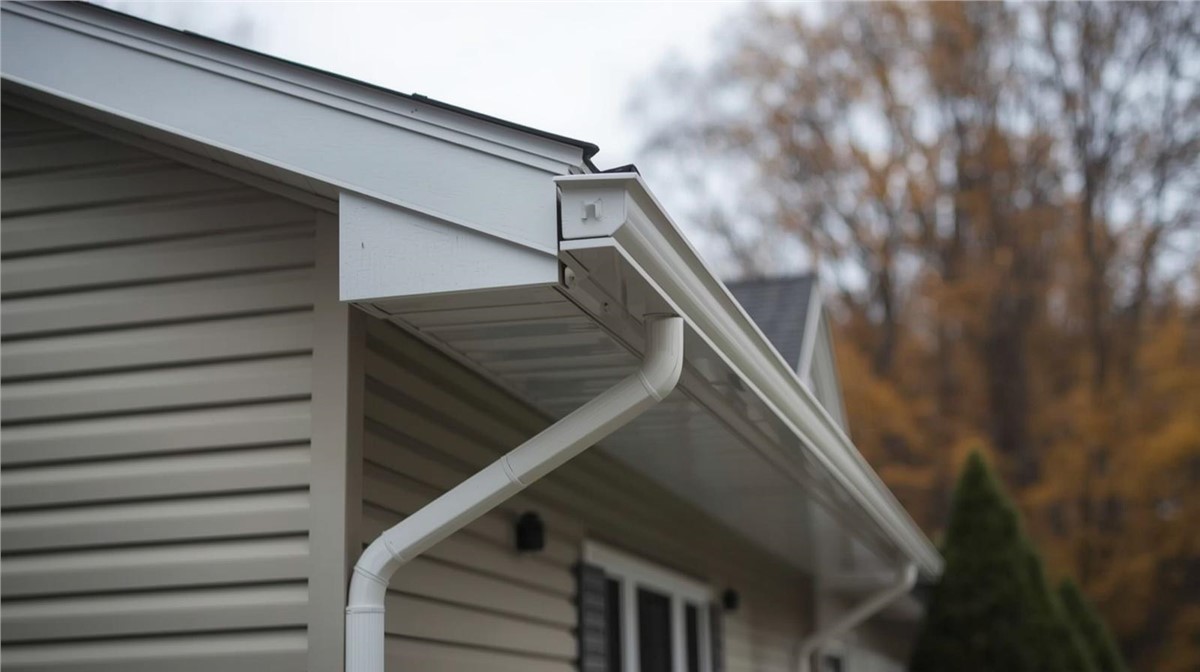
Granules in Your Gutters: Finding coarse, black, sand-like material near your downspouts is a major red flag. These granules are the "sunscreen" for your shingles; without them, the asphalt underneath deteriorates rapidly.
Curling or Clawing Shingle Edges: Shingles that are curling up are a sign of advanced age and heat damage. They have become brittle, can no longer seal properly, and are easily torn off by wind.
Dark Streaks or Algae Growth: While often a cosmetic issue, those black streaks (an algae called Gloeocapsa magma) indicate that moisture is lingering on your roof's surface.
Cracked or Missing Shingles: This is an obvious one. Any visible crack or missing shingle is a direct pathway for water to enter your home.
Moss Growing on the Roof: Moss acts like a sponge, trapping water against your shingles and promoting rot, especially on shaded parts of the roof.

Your Proactive Plan: How to Protect Your Roof and Budget for the Future
A roof's longevity in the Midwest isn't a mystery; it's a result of its material, installation, and proactive care. This knowledge gives you control, making it possible to extend your roof's lifespan.
Start with the five-minute ground inspection you just learned. Simple checks and clean gutters can prevent major issues. If your asphalt roof is over 15 years old, it’s wise to start budgeting for a future replacement. Planning now removes the pressure of an emergency and puts you in charge of your finances.
Your best next step isn’t a new roof—it’s an expert inspection. This provides a realistic timeline for your roof's condition and transforms a potential crisis into a manageable upgrade, giving you true peace of mind.
Subscribe to Huskie Exteriors's Blog





Comments