Rockford, Illinois homeowners are no strangers to severe weather. Spring hailstorms, powerful summer wind events, and sudden temperature swings throughout the year all take a toll on roofing systems.
After a storm, one of the most common questions homeowners ask is: Was that hail damage or wind damage?
Understanding the difference matters — especially when filing an insurance claim or determining the right repair approach.
If you’re researching Hail Damage Roof Repair in Rockford IL, this guide will help you recognize the warning signs and understand what steps to take next.
Why Identifying the Right Type of Damage Matters
Not all roof damage looks the same, and not all damage affects your roof in the same way.
Hail and wind impact shingles differently:
Hail typically causes bruising or impact marks.
Wind typically causes lifting, creasing, or tearing.
Both types can shorten your roof’s lifespan, reduce energy efficiency, and lead to leaks — but spotting the difference early helps prevent bigger issues.
What Hail Damage Looks Like on a Roof
Hail damage isn’t always obvious from the ground. Even small hailstones can cause significant long-term wear.
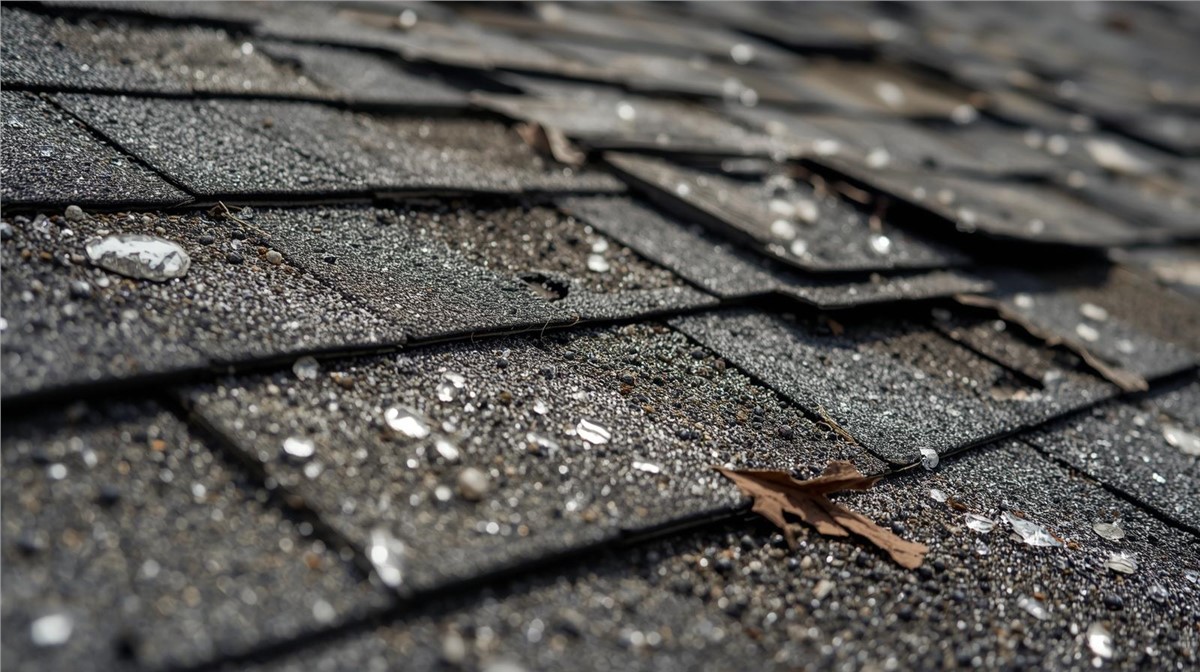
Common Signs of Hail Damage
Circular or random dark spots on shingles
Soft “bruised” areas when gently pressed
Granule loss exposing black substrate
Dents in metal flashing, vents, or gutters
Cracked or broken shingle edges
In Rockford, hailstorms often occur in late spring and summer. While some hail is pea-sized and harmless, larger hail can fracture the fiberglass mat inside asphalt shingles.
Even if you don’t see immediate leaks, the impact can weaken shingles and accelerate aging.
What Wind Damage Looks Like on a Roof
Wind damage typically affects how shingles are attached to your roof.
Common Signs of Wind Damage
Missing shingles
Lifted or curled shingle edges
Creases running horizontally across shingles
Exposed roofing nails
Shingles found in your yard
High winds in northern Illinois can break the adhesive seal strip that holds shingles in place. Once compromised, shingles become vulnerable to future storms.
Wind damage is often more visible than hail damage — but subtle lifting may still go unnoticed without a close inspection.
How Midwest Weather in Rockford Contributes to Both
Rockford’s climate makes roofs especially vulnerable:
Spring
Hailstorms and strong wind gusts are common.
Summer
Heat and UV exposure can make shingles more brittle, increasing storm vulnerability.
Fall
Cooler temperatures and leaf buildup add stress to roofing systems.
Winter
Freeze-thaw cycles worsen existing cracks and lifted shingles.
When hail damage and wind damage overlap, the combined effects can significantly shorten roof lifespan.
Secondary Signs of Roof Storm Damage
Sometimes the roof itself isn’t the first place damage appears.
Watch for:
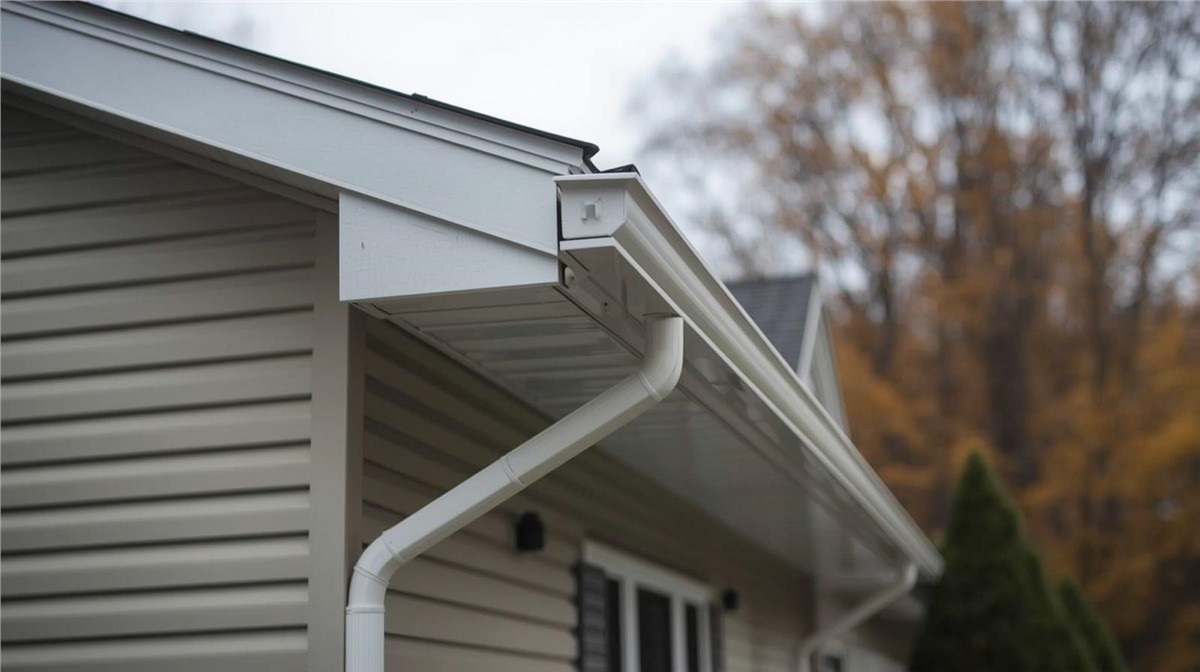
Dented gutters and downspouts
Cracked siding panels
Loose flashing around chimneys
Water spots on ceilings
Increased attic moisture
Storm damage often impacts multiple exterior systems — roofing, gutters, siding, and ventilation all work together to protect your home.
Long-Term Consequences of Ignoring Damage
Whether caused by hail or wind, untreated roof damage can lead to:
Water infiltration
Mold growth in attic spaces
Reduced insulation performance
Higher heating and cooling bills
Premature roof replacement
In Rockford’s cold winters, even small roofing vulnerabilities can allow warm air to escape, increasing ice dam risk and energy costs.
Early evaluation and repair are key to preventing more expensive structural damage.
When to Schedule a Professional Inspection
You should consider an inspection if:
A recent storm included hail larger than 1 inch
You notice missing or displaced shingles
Neighbors are filing storm claims
You see dented metal components
Your roof is more than 10 years old
A professional evaluation can determine whether you need minor repairs or more extensive Hail Damage Roof Repair in Rockford IL.
Because hail bruising isn’t always visible from the ground, trained inspection is especially important.
Insurance Considerations in Rockford, Illinois
Most homeowners insurance policies cover sudden storm-related damage, including hail and wind.
However:
Coverage depends on policy details
Age and condition of your roof may factor in
Timely reporting is important
Proper documentation — including photos and inspection reports — supports a smoother claims process.
If you suspect storm damage, it’s best not to delay assessment.
Frequently Asked Questions
Can hail damage a roof without causing leaks right away?
Yes. Hail can bruise shingles and weaken internal layers without immediate leakage. Over time, those areas may fail.
Is wind damage easier to see than hail damage?
Often, yes. Missing or lifted shingles are visible signs. Hail bruising may require closer inspection.
Should I get my roof inspected after every storm?
If the storm included high winds or hail larger than one inch, a professional inspection is recommended — especially for older roofs.
How long do I have to file a storm claim in Illinois?
Most policies allow up to one year, but timelines vary. Check your policy for details.
Protecting Your Rockford Home After a Storm
Hail and wind damage can look similar at first glance — but the underlying effects on your roof can differ significantly.
If you suspect your roof may have sustained storm damage and need guidance on Hail Damage Roof Repair in Rockford IL, a professional inspection provides clarity before small issues escalate.
Huskie Exteriors works with homeowners throughout Rockford, Illinois to evaluate roofing systems after storms, document findings clearly, and recommend practical next steps — without pressure.
If you’d like a trusted local assessment after a recent storm, our team is here to help you protect your home with confidence.
Subscribe to Huskie Exteriors's Blog






Comments