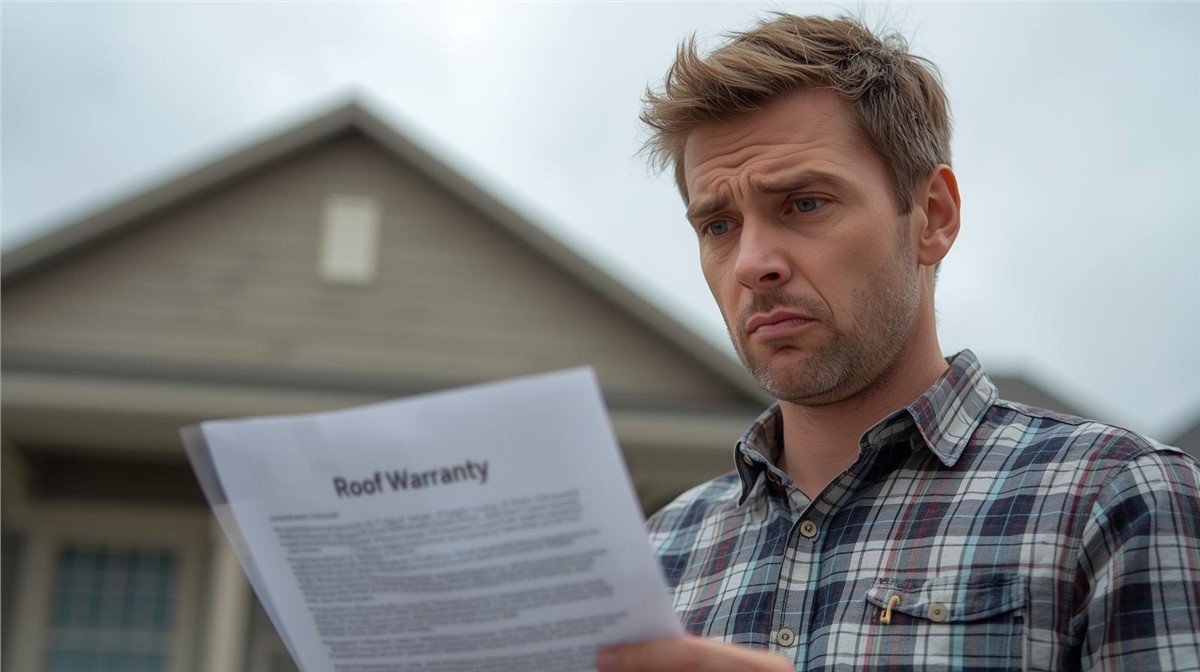
When you invest in a new roof, one of the most reassuring phrases you’ll hear is “30-year warranty” or even “lifetime coverage.” For homeowners in Illinois — where roofs face heavy snow, hailstorms, strong winds, humidity, and dramatic temperature swings — warranty protection feels essential.
But here’s the reality:
Most roof warranties in Illinois cover manufacturing defects — not storm damage, installation errors, or normal wear from Midwest weather.
Understanding what your roof warranty actually covers (and what it doesn’t) can prevent costly surprises down the road. In this guide, we’ll break down common roof warranty misconceptions, explain how coverage works, and help Illinois homeowners protect their roofing investment.
Understanding the Two Types of Roof Warranties
To fully understand roof warranty coverage in Illinois, you need to know there are typically two separate warranties involved.
1. Manufacturer’s (Material) Warranty
A manufacturer’s warranty covers defects in roofing materials — usually shingles.
This type of roof warranty may cover:
Premature cracking due to factory defects
Excessive granule loss from manufacturing flaws
Product performance issues under normal conditions
However, it usually does not cover:
Hail damage
Wind damage beyond rated limits
Ice dam damage
Improper installation
Poor ventilation
Most roofing material warranties are also prorated, meaning coverage decreases over time.
2. Workmanship (Contractor) Warranty
A workmanship warranty covers installation quality. If your roof leaks due to improper installation, the contractor may be responsible under their labor warranty.
Workmanship warranties vary widely between contractors. Some offer limited coverage, while others provide extended protection.
For Illinois homeowners, both warranties are important — and both must work together.
Common Roof Warranty Mistakes Illinois Homeowners Make
Mistake #1: Assuming a “30-Year Roof” Lasts 30 Years No Matter What
A 30-year shingle does not guarantee your roof will last 30 years in Illinois weather conditions.
Heavy snow, freeze–thaw cycles, and summer heat can all shorten a roof’s lifespan. Additionally:
Many warranties are prorated
Labor may not be covered long-term
Coverage may decline after a certain number of years
Always ask how long full (non-prorated) coverage lasts.
Mistake #2: Believing Storm Damage Is Covered by the Roof Warranty
Illinois experiences:
Spring hailstorms
Strong wind events
Ice storms
Heavy snow accumulation
Most roof warranties do not cover storm damage. That falls under homeowners insurance, not the manufacturer.
If shingles are damaged by hail or wind exceeding the product’s rating, it is typically considered an insurance claim — not a warranty issue.
Mistake #3: Overlooking Ventilation Requirements
Proper attic ventilation is critical for roof performance — especially in Midwest climates.
Poor ventilation can:
Overheat shingles in summer
Cause moisture buildup in winter
Lead to ice dam formation
Accelerate shingle deterioration
Many manufacturers require proper ventilation to maintain warranty coverage. If ventilation does not meet their standards, a claim could be denied.
This is especially important in Illinois, where extreme seasonal temperature shifts put added stress on roofing systems.
Mistake #4: Thinking “Lifetime Warranty” Means Lifetime of the Home
In roofing terms, “lifetime” often refers to the lifetime of the product — not necessarily the homeowner or the home.
Limitations may include:
Reduced coverage after a set number of years
One-time transfer limits
Transfer deadlines after a home sale
If you plan to sell your property, understanding roof warranty transferability can impact resale value.
Mistake #5: Ignoring Maintenance Responsibilities
Roof warranties often require reasonable maintenance.
Failing to:
Clean gutters
Address minor leaks promptly
Remove debris
Prevent moss or algae growth
may complicate future warranty claims.
Clogged gutters, for example, can cause water backup under shingles — which manufacturers may consider a maintenance issue.
Mistake #6: Assuming All Roofing Products Have the Same Coverage
Not all shingles or roofing systems offer identical warranty protection.
Differences can include:
Wind resistance ratings
Algae resistance terms
Non-prorated coverage length
Enhanced labor coverage options
Higher-tier roofing systems often offer stronger warranty protections — but only if installed according to manufacturer guidelines.
How Illinois Weather Impacts Roof Warranty Expectations
Roof warranties are written with general conditions in mind. However, Illinois weather can accelerate wear due to:
Heavy snow loads
Ice dams
Freeze–thaw cycles
High summer UV exposure
Wind-driven rain
Hail impact
While warranties cover product defects, they typically do not cover natural weather-related deterioration.
Understanding this distinction helps homeowners set realistic expectations.
The Role of Professional Roof Inspections in Protecting Warranty Coverage
Regular professional roof inspections can:
Identify ventilation deficiencies
Detect minor damage before it worsens
Confirm installation compliance
Document roof condition after storms
Documentation can be especially helpful if you ever need to file a warranty or insurance claim.
Proactive inspections protect both your roof’s lifespan and your warranty rights.
How Roofing, Siding, and Gutters Affect Warranty Protection
Your roof does not function in isolation.
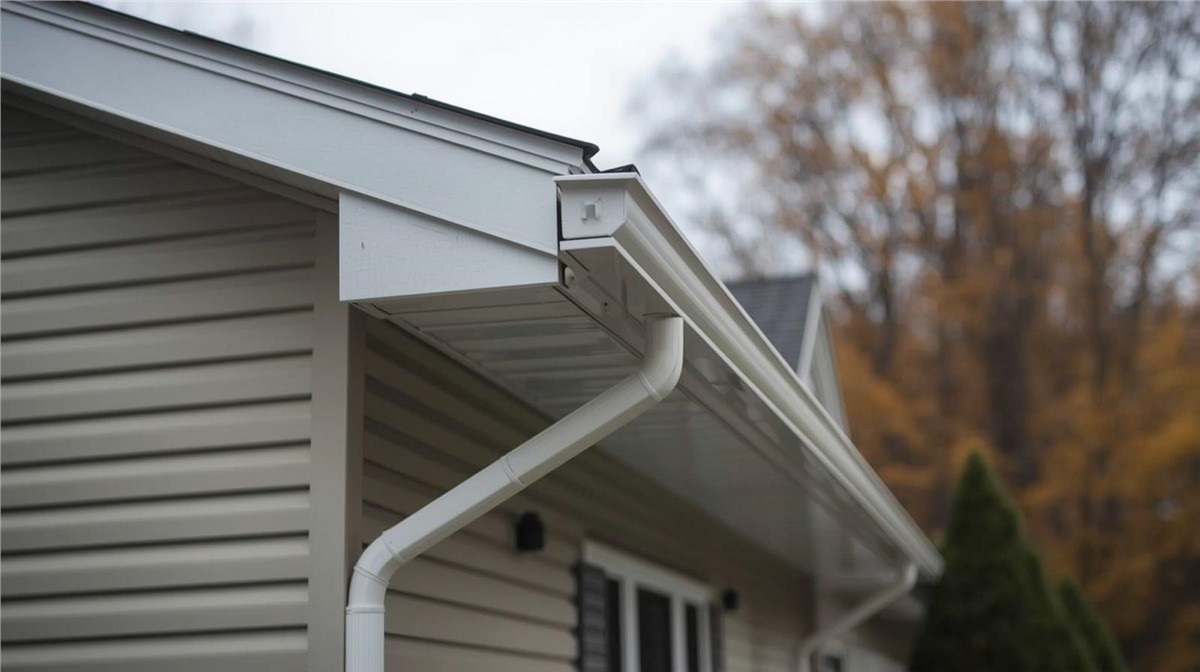
Poor gutter drainage can cause water intrusion.
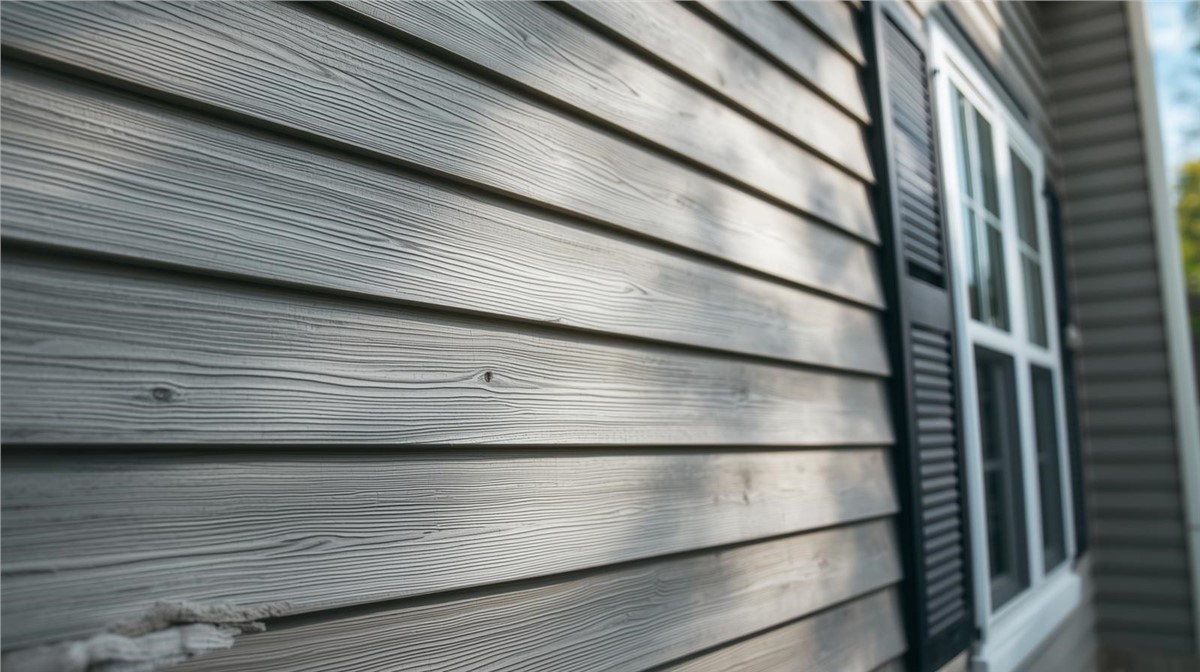
Damaged siding can allow moisture behind flashing.
Improperly sealed windows can mimic roof leaks.
A well-integrated exterior system helps ensure your roof performs properly and avoids preventable damage that could affect warranty claims.
At Huskie Exteriors, we emphasize a whole-home exterior approach because roofing performance depends on proper installation and coordination across systems.
FAQ: Roof Warranty Coverage in Illinois
What does a roof warranty actually cover?
Most roof warranties cover manufacturing defects in materials — not storm damage, installation errors, or lack of maintenance.
Does homeowners insurance replace a roof warranty?
No. Insurance typically covers sudden storm damage, while warranties cover product defects.
Can poor attic ventilation void a roof warranty?
Yes. Many manufacturers require proper ventilation for coverage to remain valid.
Is a longer warranty always better?
Not necessarily. Focus on non-prorated coverage length, labor inclusion, and contractor workmanship warranties.
Protecting Your Roofing Investment in Illinois
Roof warranties are valuable — but only when clearly understood.
Before replacing or installing a roof, Illinois homeowners should ask:
What exactly is covered?
Is labor included?
Is the warranty prorated?
What could void coverage?
Is my attic ventilation compliant?
Clear answers today can prevent confusion years later.
If you’re unsure about your current roof warranty coverage — or planning a new installation — a professional evaluation can provide clarity. Understanding your roofing system, installation quality, and ventilation performance ensures your warranty works the way it’s intended.
In a Midwest climate as demanding as Illinois, informed decisions make all the difference in protecting your home long-term.
Subscribe to Huskie Exteriors's Blog





Comments