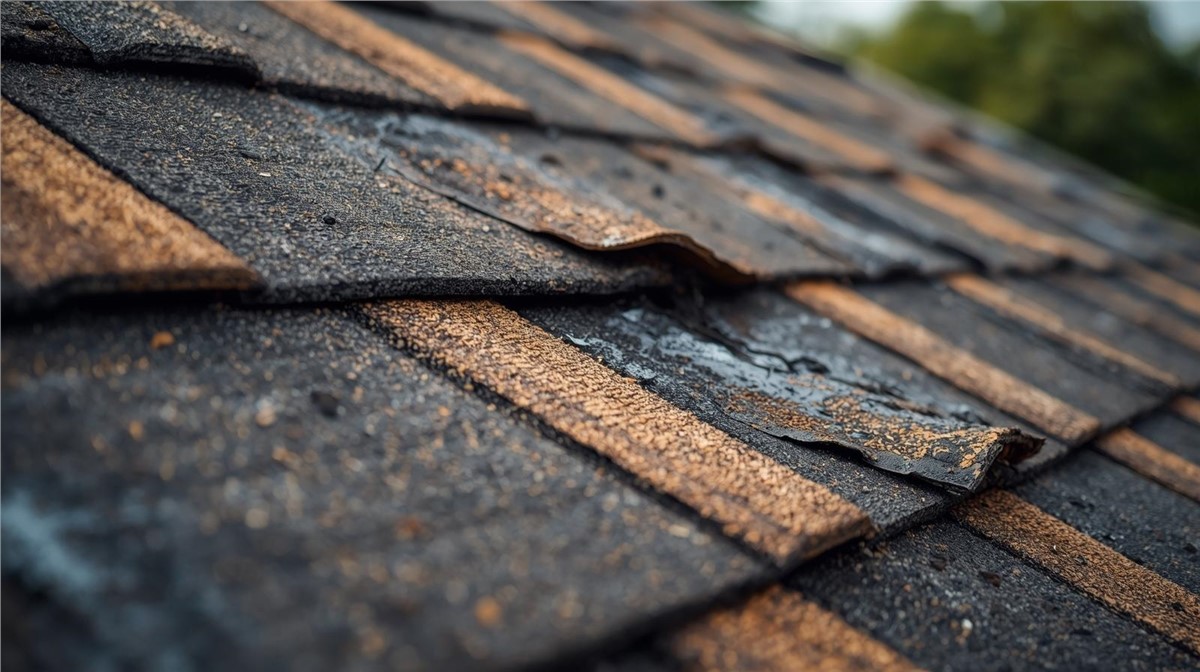
In Illinois, your roof doesn’t get much of a break. It faces heavy snow, ice buildup, spring hailstorms, high summer humidity, and dramatic temperature swings throughout the year. While shingles and flashing often get the most attention, there’s another critical factor that quietly determines how long your roof lasts:
Ventilation.
Improper roof ventilation can shorten your roof’s lifespan by years — causing moisture damage, shingle deterioration, and structural stress long before its expected replacement date.
For homeowners and property owners in Illinois, understanding how ventilation works — and what happens when it doesn’t — can prevent premature roof failure and costly repairs.
What Is Roof Ventilation — and Why Does It Matter?
Roof ventilation is the system of intake and exhaust vents that allows air to flow through your attic space. A properly balanced system typically includes:
Intake vents (usually soffit vents along the eaves)
Exhaust vents (ridge vents or roof vents near the peak)
The goal is simple: maintain consistent attic temperatures and remove excess moisture year-round.
Without proper airflow, heat and humidity build up inside the attic — and that’s where problems begin.
How Improper Ventilation Damages Your Roof
1. Excess Heat in Summer
Illinois summers can be hot and humid. When attic temperatures rise excessively due to poor ventilation:
Shingles can overheat and prematurely age
Asphalt materials may blister or crack
Adhesive seals can weaken
Roof decking can expand and warp
Attic temperatures can exceed 150°F on summer days. Without airflow, that trapped heat “bakes” roofing materials from underneath.
Over time, this accelerates shingle deterioration and shortens roof lifespan.
2. Moisture Buildup in Winter
In winter, warm air from your living space rises into the attic. Without proper ventilation:
Moisture condenses on cold roof decking
Frost forms on rafters
Insulation becomes damp
Wood structures begin to deteriorate
When temperatures fluctuate — common during Midwest freeze–thaw cycles — moisture repeatedly freezes and melts. This cycle stresses materials and promotes rot.
Improper ventilation is also a major contributor to ice dam formation, which can force water beneath shingles and into your home.
3. Shingle Warranty Issues
Many roofing manufacturers require proper attic ventilation for warranties to remain valid. If ventilation does not meet recommended standards, it can:
Void certain warranty protections
Limit coverage for premature material failure
Ventilation isn’t just about performance — it can impact long-term financial protection as well.
Warning Signs of Ventilation Problems
Improper ventilation often goes unnoticed until damage appears. Common signs include:
Curling or blistering shingles
Uneven roof aging
Ice dams in winter
Excessive attic heat in summer
Mold or mildew in attic spaces
Rusted roofing nails
Peeling interior paint near ceilings
Higher-than-expected energy bills
In Illinois homes, ice dams are frequently the first visible sign of ventilation imbalance.
The Midwest Climate Challenge
Homes in Illinois face unique weather stressors:
Subzero wind chills
Sudden winter thaws
Spring hailstorms
Summer humidity
Strong winds across open landscapes
These seasonal extremes magnify the effects of poor ventilation. What might be a minor airflow issue in a mild climate can become a serious durability problem in the Midwest.
Structural Consequences of Poor Ventilation
Over time, trapped moisture and heat can compromise:
Roof Decking
Persistent condensation can cause:
Wood rot
Delamination
Warping
Damaged decking weakens the foundation beneath shingles.
Rafters and Framing
Excess moisture can deteriorate structural supports, leading to sagging rooflines or soft spots.
Insulation Performance
Wet insulation loses R-value, making your home less energy-efficient and further contributing to attic temperature imbalances.
Energy Efficiency and Comfort Impacts
Improper roof ventilation doesn’t just affect roofing materials — it impacts your entire home’s energy performance.
Higher Cooling Costs
In summer, trapped attic heat radiates downward into living spaces, forcing air conditioning systems to work harder.
Increased Heating Bills
In winter, warm air escaping into the attic increases heat loss, driving up heating costs and contributing to ice dam risk.
A well-ventilated attic helps regulate indoor temperatures more consistently throughout the year.
How Roofing, Siding, and Windows Work Together
Roof ventilation is one part of a larger exterior system.
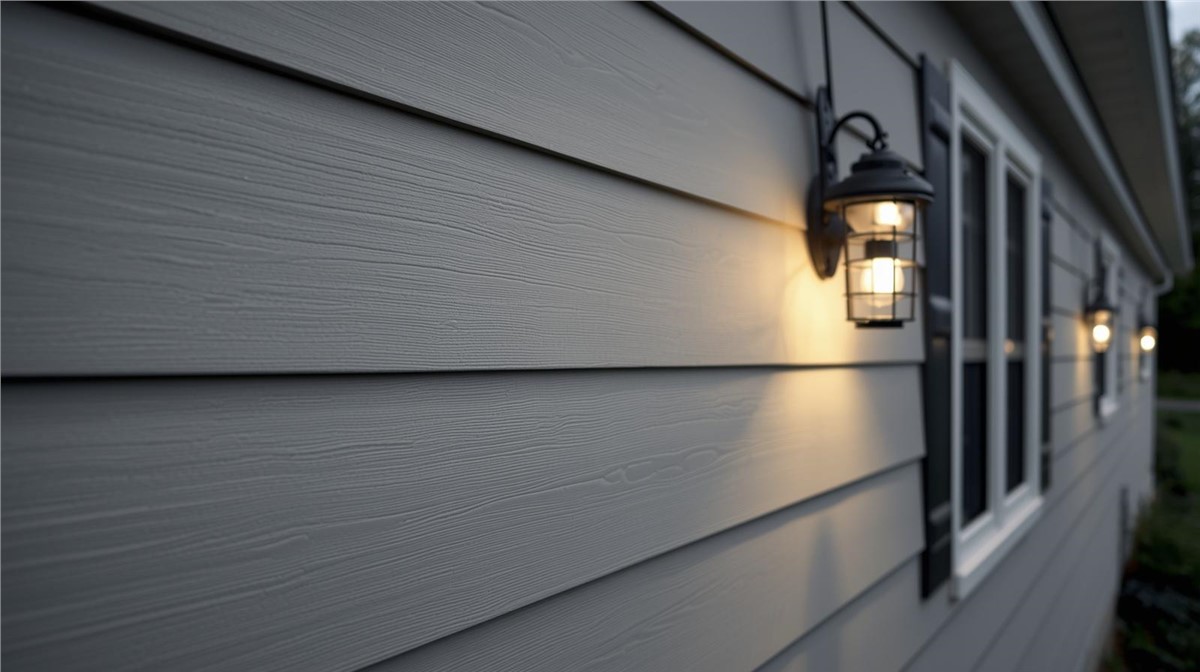
Siding gaps can allow air infiltration that worsens attic heat buildup.
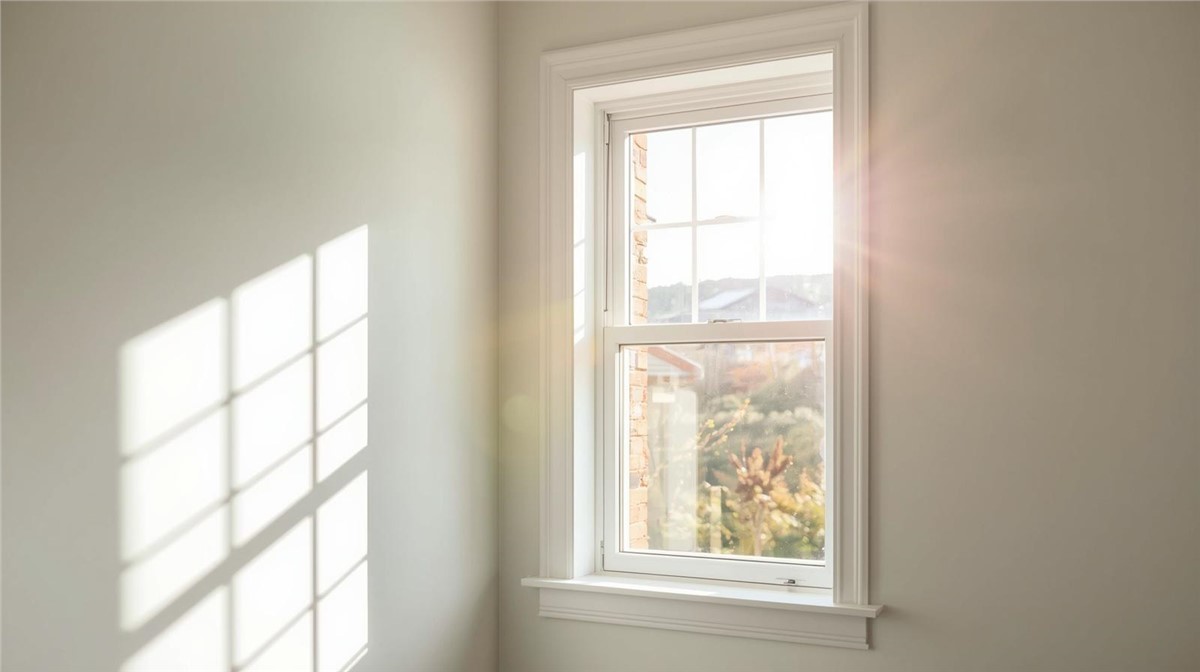
Poorly sealed windows let warm air escape, increasing attic temperature fluctuations.
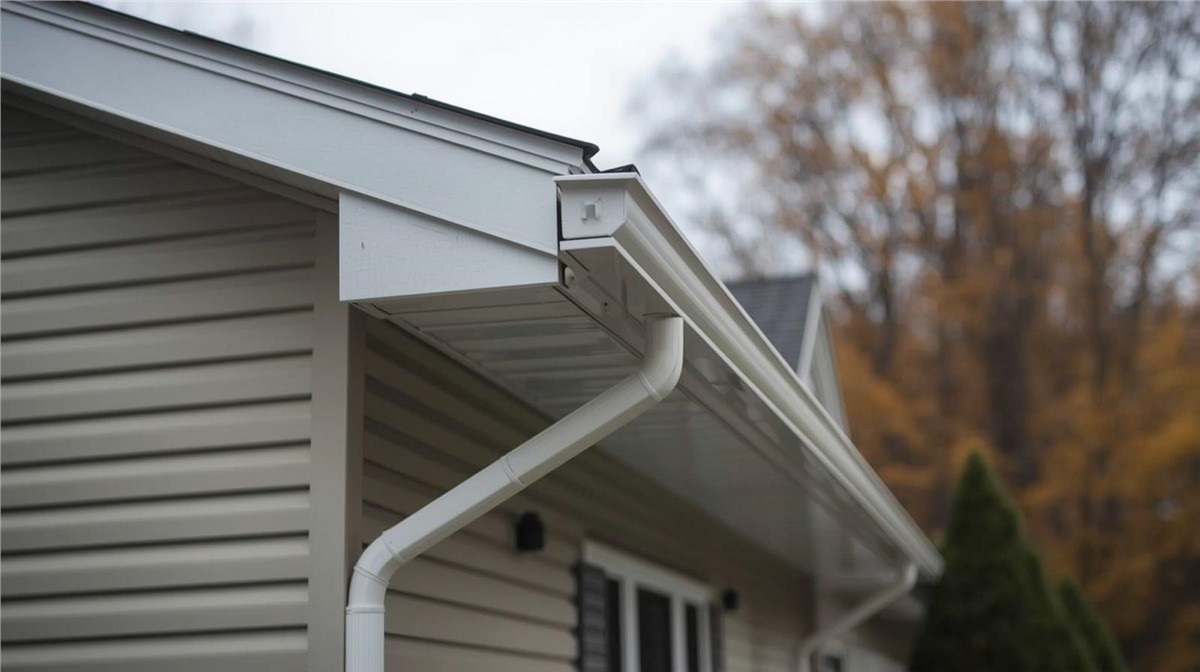
Clogged gutters can compound ice dam issues caused by ventilation imbalance.
A comprehensive exterior evaluation ensures that roofing, siding, windows, and drainage systems function together efficiently.
At Huskie Exteriors, we often find that ventilation issues are connected to broader building envelope concerns.
Common Causes of Improper Roof Ventilation
Ventilation problems usually stem from:
Insufficient intake vents
Blocked soffit vents (often covered by insulation)
Inadequate exhaust venting
Poor airflow balance
DIY modifications
Older construction standards
Some homes have exhaust vents but lack sufficient intake — preventing proper airflow circulation.
Balanced ventilation requires both.
How Long Should a Roof Last in Illinois?
Most asphalt shingle roofs are designed to last 20–30 years. However, improper ventilation can reduce that lifespan significantly — sometimes by 5–10 years or more.
When shingles fail prematurely, homeowners may assume materials were defective. In many cases, underlying ventilation issues are the real cause.
How to Prevent Ventilation-Related Roof Damage
Schedule Regular Inspections
Annual inspections can identify ventilation imbalances before damage progresses.
Ensure Proper Insulation Placement
Insulation should not block soffit vents. Baffles can help maintain airflow pathways.
Upgrade Ventilation During Roof Replacement
When installing a new roof, it’s the ideal time to correct ventilation deficiencies.
Address Ice Dam Recurrence
If ice dams form repeatedly, ventilation should be evaluated as part of the solution — not just snow removal.
FAQ: Roof Ventilation and Roof Lifespan
How do I know if my roof has enough ventilation?
A professional inspection can measure intake and exhaust balance and identify airflow restrictions.
Can poor ventilation really shorten roof life?
Yes. Excess heat and moisture accelerate material breakdown and structural deterioration.
Does adding more vents always fix the problem?
Not necessarily. Ventilation must be balanced between intake and exhaust to function properly.
Is ventilation important even in newer homes?
Absolutely. Improper installation or blocked vents can occur in homes of any age.
Protecting Your Roof for the Long Term
Illinois weather is demanding — and your roof works hard year-round. Proper ventilation is one of the most important factors in ensuring your roof reaches its full lifespan.
Rather than reacting to premature damage, a proactive approach can preserve materials, improve energy efficiency, and prevent costly structural repairs.
If you suspect ventilation issues — or if your roof is aging unevenly — scheduling a professional evaluation can provide clarity. An informed inspection can determine whether airflow imbalance is quietly shortening your roof’s life and offer practical, tailored recommendations.
Protecting your roof today helps protect your entire home tomorrow — through every Midwest season.
Subscribe to Huskie Exteriors's Blog






Comments