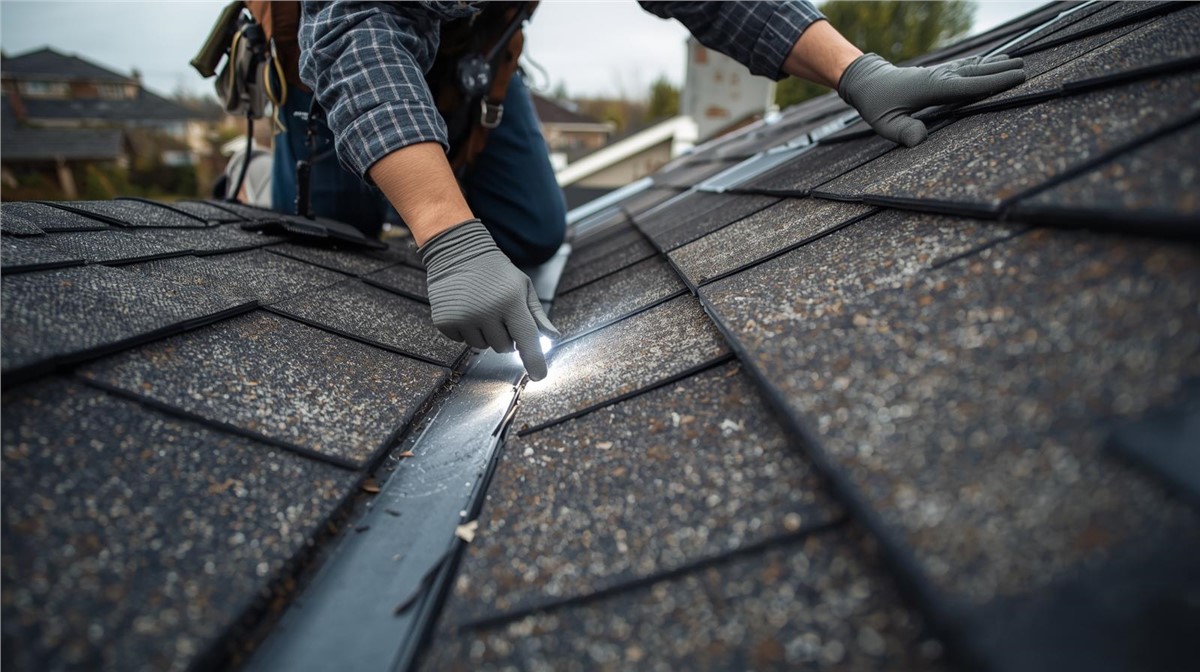
For Illinois homeowners and property owners, the roof is one of the most important — and most exposed — components of the entire structure. From heavy snow and ice in winter to hailstorms, high winds, and humid summers, Midwest weather places year-round stress on roofing systems.
Yet many people aren’t quite sure what happens during a professional roof inspection — or why it matters.
A professional roof inspection is far more than a quick glance at shingles — it’s a comprehensive evaluation of your entire roofing system, from structural integrity to ventilation and drainage.
In this guide, we’ll break down exactly what a professional roof inspection covers, why it’s essential in Illinois, and how it protects your long-term investment.
Why Roof Inspections Matter in the Midwest
Illinois weather patterns create unique challenges for roofs:
Freeze–thaw cycles
Heavy snow loads
Ice storms
Spring hail
High winds
Rapid temperature swings
Even minor damage can worsen quickly under these conditions. Regular inspections help detect small issues before they become major (and costly) repairs.
Professional inspections are especially important after:
Severe storms
Heavy snowfall winters
High-wind events
Noticing interior water stains
Buying or selling a property
Exterior Roof Surface Evaluation
The most visible portion of the inspection involves evaluating roofing materials from the exterior.
Shingle Condition
Inspectors assess:
Missing shingles
Cracked, curling, or blistering shingles
Granule loss
Impact damage from hail
Signs of aging or brittleness
Granule loss, in particular, is common after Illinois hailstorms and can shorten a roof’s lifespan.
Flashing Integrity
Flashing protects vulnerable transition points such as:
Chimneys
Skylights
Roof valleys
Vent penetrations
Damaged or improperly sealed flashing is one of the most common sources of leaks.
Roof Valleys and Transitions
Roof valleys channel large volumes of water during rain and snowmelt. Inspectors look for debris buildup, seal failures, and material breakdown in these high-stress areas.
Structural Components and Roof Decking
A professional inspection goes beyond surface materials.
Roof Deck Condition
Soft spots, sagging areas, or uneven surfaces may indicate underlying decking deterioration.
In Illinois, repeated freeze–thaw cycles can allow moisture to penetrate small vulnerabilities, gradually weakening roof decking over time.
Structural Sagging
Inspectors look for:
Roofline dips
Uneven ridges
Signs of excessive snow load stress
These structural issues may not be obvious from the ground but can signal deeper problems.
Attic and Ventilation Assessment
A thorough inspection includes evaluating what’s happening beneath the roof.
Ventilation Performance
Proper ventilation is critical in Midwest climates. Inspectors assess:
Intake vents (soffits)
Exhaust vents (ridge or box vents)
Airflow balance
Poor ventilation can contribute to:
Ice dams in winter
Overheating in summer
Shingle deterioration
Increased energy costs
Insulation Review
While not always a full insulation audit, inspectors often look for:
Compressed insulation
Moisture damage
Inadequate coverage
Improper attic insulation can lead to uneven roof temperatures and contribute to winter ice dam formation.
Signs of Water Intrusion
Water damage doesn’t always appear as an active leak.
Inspectors look for:
Water stains on decking
Mold or mildew growth
Rusted fasteners
Damp insulation
Ceiling discoloration
Illinois spring storms and wind-driven rain can push water into small gaps, causing gradual damage that goes unnoticed without inspection.
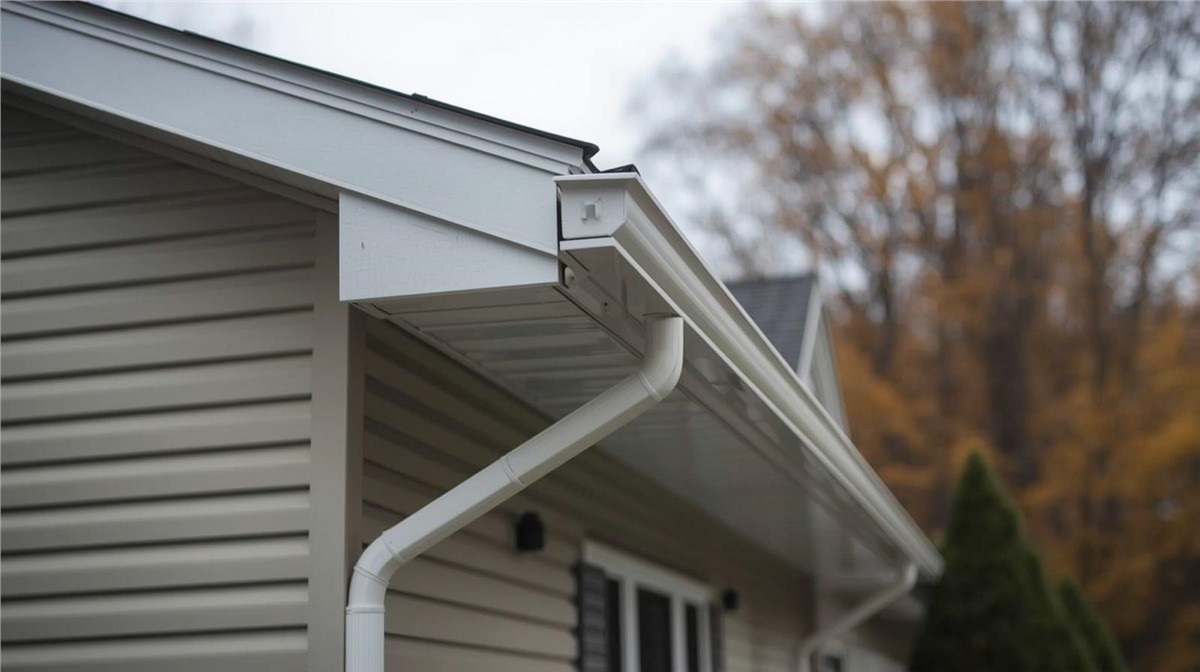
Gutter and Drainage System Evaluation
Your roof’s performance depends heavily on proper drainage.
Gutter Condition
Inspectors check for:
Clogs
Sagging sections
Improper slope
Loose fasteners
Clogged or damaged gutters can cause water to back up under shingles or behind fascia boards.
Downspout Function
Downspouts must direct water away from the foundation. Poor drainage can lead to siding and structural damage over time.
Storm Damage Identification
Illinois sees frequent severe weather, including hail and high winds. A professional inspection can identify subtle storm-related damage such as:
Hail impact bruising
Lifted shingle tabs
Nail pops
Creased shingles
Damaged ridge caps
Not all storm damage is immediately visible from the ground. Early detection helps prevent progressive deterioration.
Interior Ceiling and Wall Check (When Applicable)
If homeowners report interior concerns, inspectors may also evaluate:
Ceiling stains
Peeling paint
Wall bubbling
Attic moisture
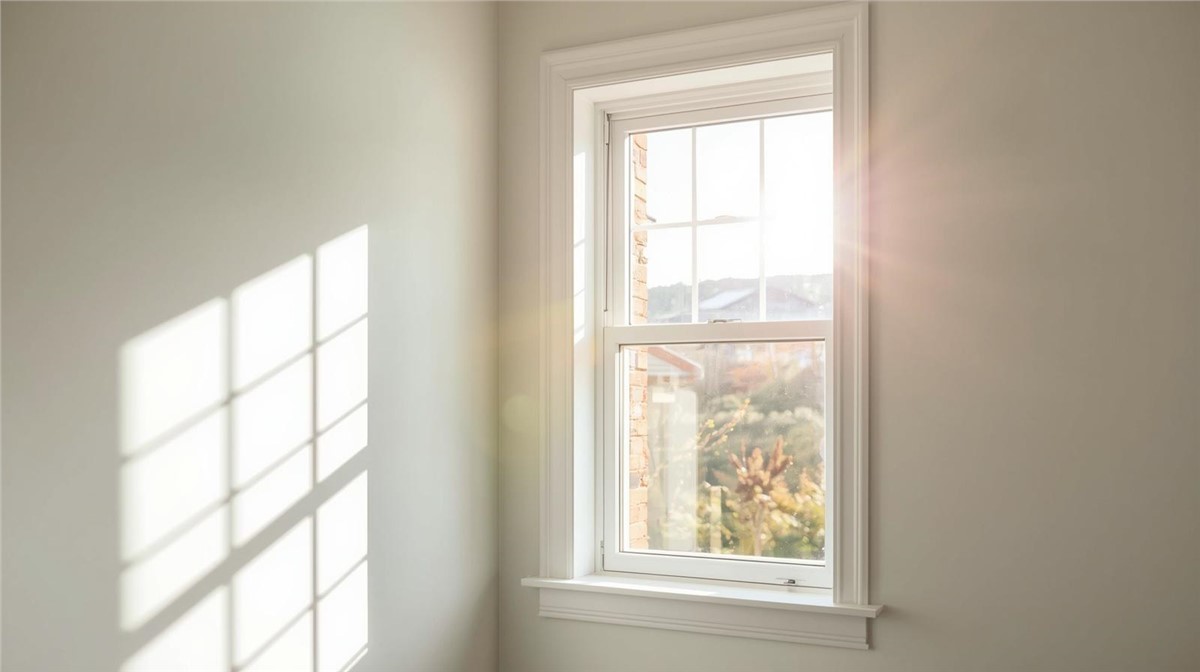
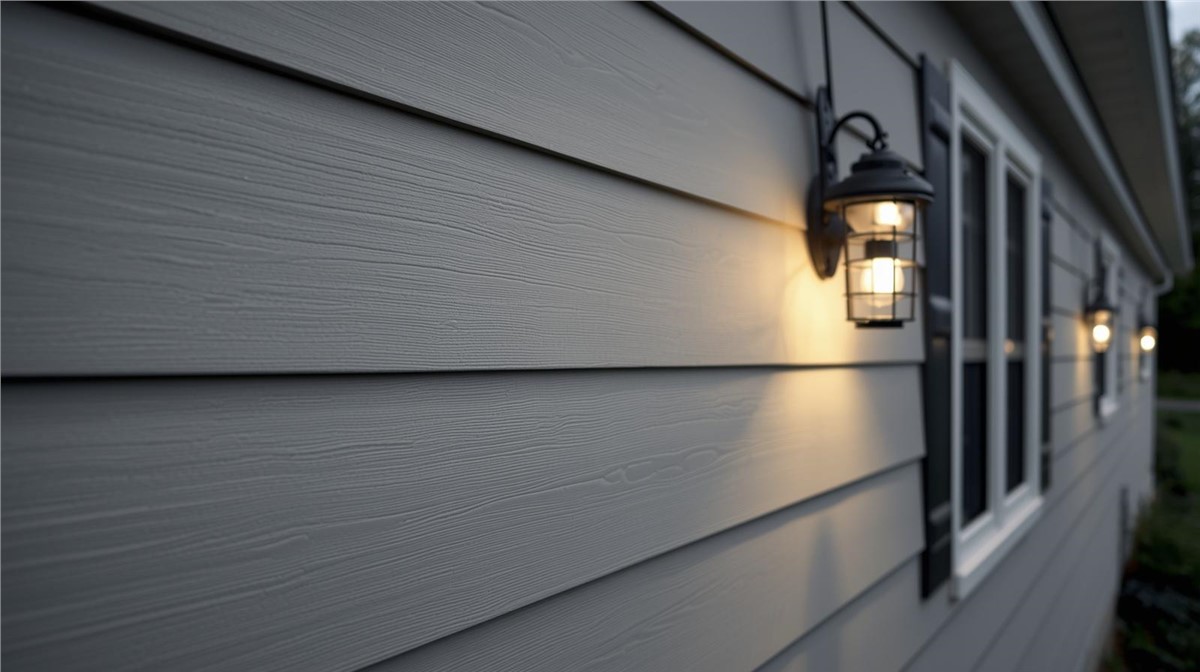
Because roofing systems integrate with siding and windows, inspectors may also note exterior sealing issues that could contribute to water intrusion.
Roof Age and Remaining Lifespan Assessment
An experienced contractor evaluates:
Approximate roof age
Material type
Wear patterns
Installation quality
This helps homeowners understand whether they’re facing minor repairs or planning for eventual replacement.
In Midwest climates, even well-installed asphalt shingle roofs face significant stress over time due to temperature swings and storm exposure.
Energy Efficiency Considerations
Roof inspections can also reveal performance issues affecting comfort and utility costs.
Heat escaping through poorly insulated or improperly ventilated attics can:
Increase heating bills
Contribute to ice dam formation
Shorten roofing material lifespan
A roof that appears structurally sound may still underperform from an energy standpoint.
What a Roof Inspection Is Not
It’s important to understand what professional inspections typically don’t include unless requested:
Full structural engineering analysis
Extensive interior remodeling evaluation
Complete insulation upgrades
Insurance claim guarantees
However, inspectors often provide documentation that can assist with insurance claims if storm damage is identified.
How Often Should Illinois Homeowners Schedule Inspections?
For most properties:
Once annually (preferably fall or spring)
After major storms
Before buying or selling a home
When installing solar panels or other rooftop systems
Routine inspections are far more cost-effective than emergency repairs.
FAQ: Professional Roof Inspections
How long does a professional roof inspection take?
Most residential inspections take 45 minutes to 2 hours, depending on roof size, pitch, and complexity.
Do I need an inspection if I don’t see a leak?
Yes. Many roofing issues develop gradually and may not cause visible interior damage until they become serious.
Can I inspect my own roof?
While homeowners can look for obvious issues from the ground, walking on a roof can be dangerous and may not reveal hidden problems.
Will an inspection tell me if I need a new roof?
A thorough inspection provides an honest assessment of remaining lifespan and repair options, helping you plan proactively.
Protecting Your Investment Through Every Season
Illinois weather is demanding — from icy winters to storm-heavy springs and hot, humid summers. Your roof absorbs the brunt of it all.
At Huskie Exteriors, our approach focuses on education, transparency, and long-term performance. A professional inspection is about understanding your roof’s condition — not pushing unnecessary replacements.
If it’s been over a year since your last inspection, or if your property recently experienced severe weather, scheduling a professional evaluation can provide clarity and peace of mind.
A proactive inspection today can help prevent unexpected repairs tomorrow — keeping your home protected through every Midwest season.
Subscribe to Huskie Exteriors's Blog






Comments