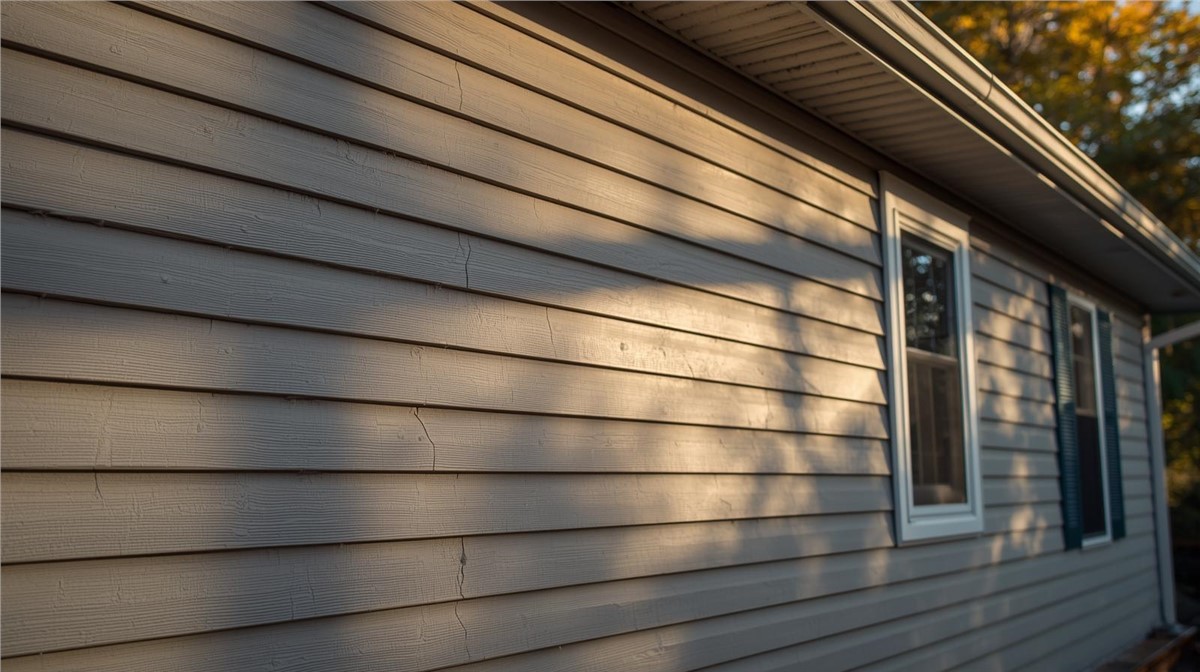
Illinois homeowners know how unpredictable Midwest weather can be. One week may bring bitter wind chills and snow, while the next delivers freezing rain followed by a sudden thaw. When temperatures drop, your home’s exterior becomes your first line of defense — and your siding plays a much larger role than many property owners realize.
If you’ve noticed rising heating bills, drafty rooms, or uneven indoor temperatures, your siding could be contributing to heat loss.
Damaged, aging, or improperly installed siding can allow significant heat loss — reducing comfort and increasing energy costs during Illinois winters.
This guide explains how siding affects energy efficiency, what warning signs to watch for, and when it may be time to consider professional evaluation.
Why Siding Matters for Energy Efficiency
Siding isn’t just about curb appeal. It protects your home’s structure, insulation, and interior from moisture, air infiltration, and temperature extremes.
In climates like Illinois, siding must withstand:
Subzero winter temperatures
High winds across open landscapes
Heavy snow accumulation
Freeze–thaw cycles
Spring storms and driving rain
When siding fails — whether from age, storm damage, or improper installation — it can compromise your home’s thermal envelope.
How Siding Contributes to Heat Loss
Heat loss typically occurs through air leakage and insulation gaps.
1. Air Infiltration
Cracks, loose panels, and warped sections allow cold air to enter and warm air to escape. Even small openings can significantly impact heating performance over time.
2. Insulation Breakdown
Behind your siding is a critical layer of insulation and house wrap. If siding is damaged or poorly sealed, moisture can infiltrate these layers, reducing their effectiveness.
3. Thermal Bridging
Older siding systems without insulated backing may allow exterior temperatures to transfer more easily into wall assemblies, making interior spaces harder to heat.
10 Signs Your Siding May Be Causing Heat Loss
1. Rising Heating Bills
If your utility costs increase each winter despite consistent usage, exterior heat loss could be part of the problem. Midwest winters are demanding, but unexplained spikes may indicate inefficiencies in your building envelope.
2. Drafts Near Exterior Walls
Do certain rooms feel colder than others? Noticeable drafts along walls — not just around windows — may signal gaps behind siding panels.
3. Cold Interior Wall Surfaces
If walls feel cold to the touch during winter, insulation or air sealing behind the siding may be compromised.
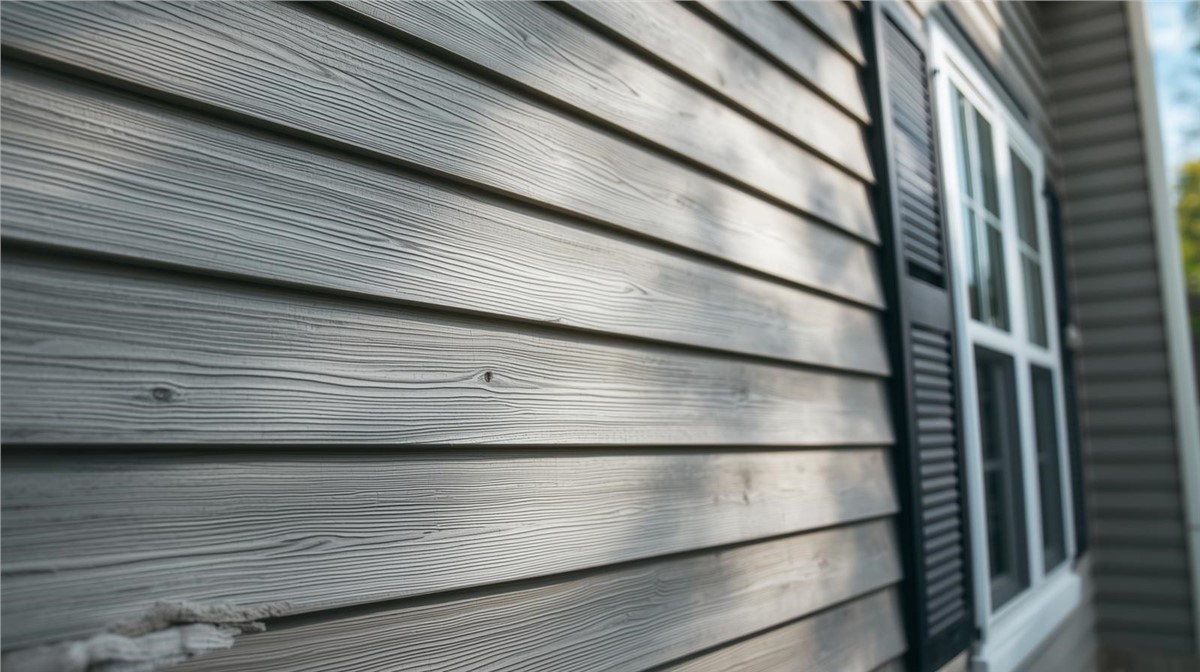
4. Warped or Loose Panels
High winds and seasonal expansion and contraction can loosen siding over time. Gaps between panels allow cold air infiltration.
5. Cracks or Holes
Even small cracks provide entry points for cold air and moisture.
6. Fading and Brittleness
Severe UV exposure and temperature swings can weaken siding materials. Brittle siding is more likely to crack and lose its protective seal.
7. Mold or Mildew Growth
Moisture infiltration behind siding can damage insulation and reduce its thermal resistance.
8. Interior Moisture or Condensation
Condensation on interior walls may indicate temperature imbalances caused by heat escaping through wall systems.
9. Peeling Paint or Wallpaper
Excess moisture and temperature fluctuations behind walls can cause interior finishes to deteriorate.
10. Noticeable Temperature Swings
If your heating system runs constantly but comfort levels remain inconsistent, exterior insulation performance may be compromised.
The Midwest Climate Factor
Illinois homes face a unique challenge: extreme temperature variation.
It’s common for winter temperatures to swing from single digits to above freezing within days. These freeze–thaw cycles cause materials to expand and contract repeatedly, which can:
Loosen fasteners
Separate seams
Create micro-gaps
Stress older siding systems
Over time, these small vulnerabilities can become significant sources of heat loss.
The Connection Between Siding, Windows, and Roofing
Your home’s exterior systems do not operate independently. When siding performance declines, other components may also be affected.
Windows and Air Leakage
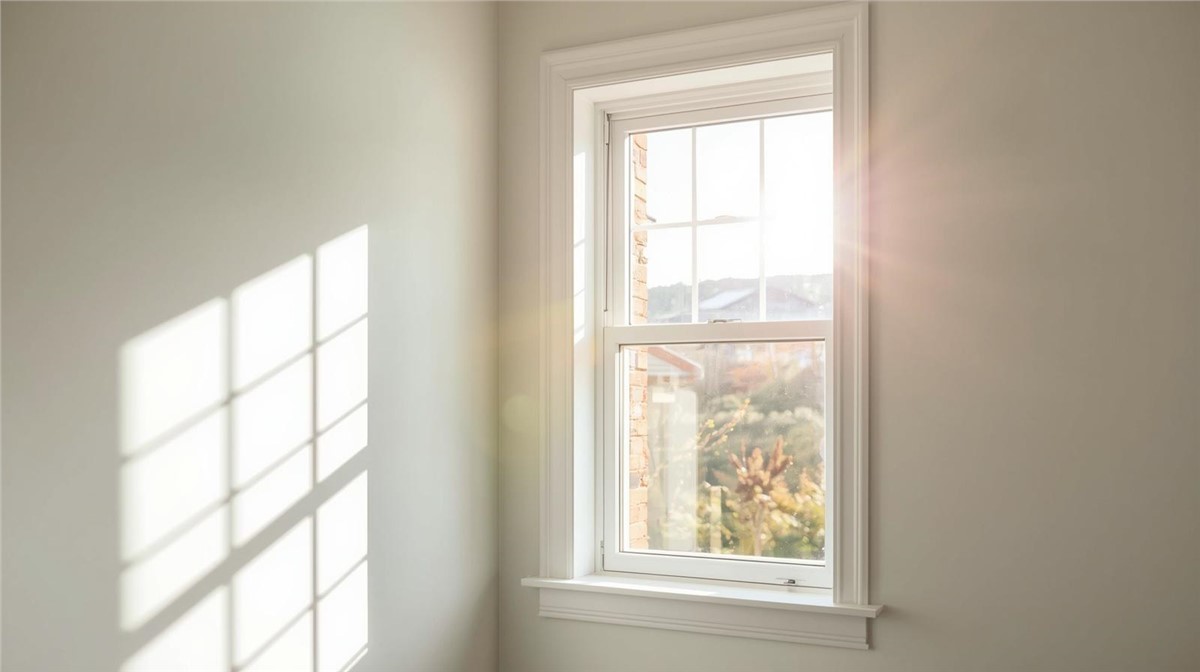
Drafty windows are often blamed for heat loss — and sometimes rightfully so. But improperly integrated window flashing or deteriorated siding around frames can worsen air infiltration.
Energy-efficient windows perform best when properly sealed within a well-maintained siding system.
Roofing and Attic Heat Retention
Heat escaping through walls often rises into the attic. If roofing ventilation or insulation is inadequate, this can compound energy inefficiency — and even contribute to winter problems like ice dams.
A comprehensive exterior evaluation ensures that siding, roofing, windows, and gutters work together to protect your home.
Long-Term Consequences of Ignoring Heat Loss
Heat loss through siding isn’t just about comfort. Over time, it can lead to:
Higher Energy Costs
Even minor air leakage adds up across long Illinois heating seasons.
Insulation Damage
Moisture intrusion can reduce insulation R-value, making walls less effective at retaining heat.
Structural Deterioration
Persistent moisture can cause wood rot, sheathing damage, and mold growth within wall assemblies.
Reduced Property Value
Visible siding damage and high utility bills may raise red flags for future buyers.
When to Consider Siding Replacement or Upgrades
Not all siding issues require full replacement. In some cases, targeted repairs or resealing may resolve minor inefficiencies.
However, replacement may be worth considering if:
Siding is more than 20–25 years old
Multiple panels are cracked or warped
Insulation behind siding is outdated
Storm damage has occurred
You’re planning broader energy-efficiency improvements
Modern insulated siding options provide added thermal resistance and can significantly improve energy performance.
Preventative Steps Illinois Homeowners Can Take
Schedule Seasonal Inspections
Annual exterior inspections — especially before winter — can catch vulnerabilities early.
Seal Gaps Promptly
Address minor cracks or loose sections before freeze–thaw cycles worsen them.
Maintain Gutters and Drainage
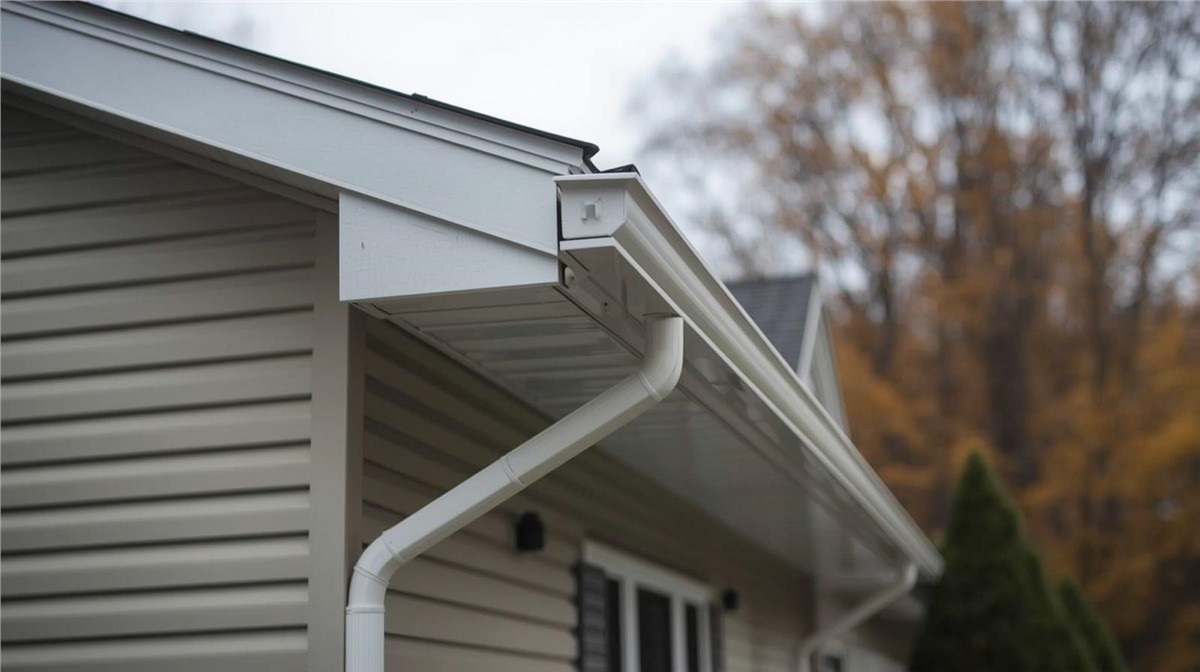
Clogged gutters can allow water to seep behind siding, accelerating insulation damage.
Evaluate Overall Exterior Performance
If your home experiences persistent comfort issues, a full exterior systems review may identify combined factors contributing to heat loss.
FAQ: Siding and Heat Loss
Can siding alone cause major heat loss?
Siding works together with insulation and air barriers. While siding alone may not be the sole cause, damage or gaps can significantly contribute to overall heat loss.
Is insulated siding worth it in Illinois?
In colder Midwest climates, insulated siding can improve wall performance and reduce thermal bridging, especially in older homes.
How can I tell if heat loss is from siding or windows?
A professional inspection or thermal imaging assessment can help identify the primary source of air leakage.
Does storm damage increase energy loss?
Yes. Wind-driven rain, hail, and impact damage can compromise seals and allow air infiltration.
Protecting Comfort Through Every Season
From icy winters to humid summers, Illinois weather demands durable, high-performing exterior systems. If your siding shows signs of wear — or if energy bills keep climbing — it may be time to investigate further.
At Huskie Exteriors, we take an educational, whole-home approach. Roofing, siding, windows, and gutters must function together to deliver long-term protection and energy efficiency.
If you’re noticing drafts, rising heating costs, or visible siding damage, consider scheduling a professional exterior inspection. A thorough evaluation can identify whether your siding is contributing to heat loss — and provide practical, transparent recommendations tailored to your Illinois property.
Staying proactive today can help ensure greater comfort, lower energy costs, and peace of mind through every Midwest season.
Subscribe to Huskie Exteriors's Blog



Comments