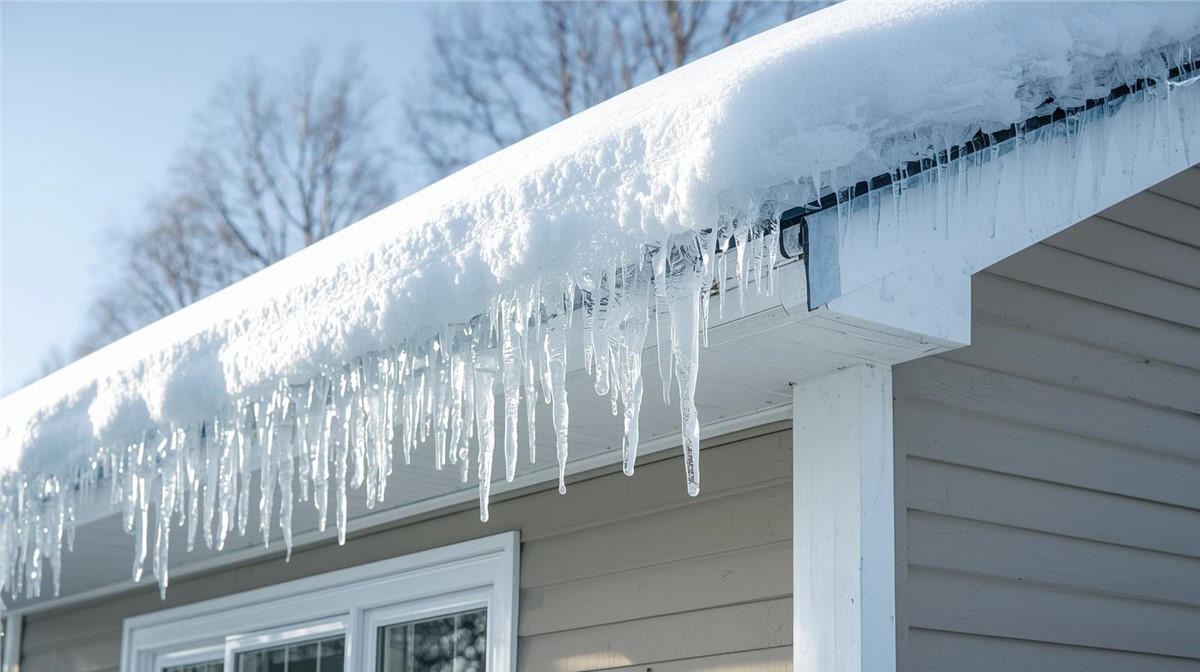
Homeowners across Illinois are no strangers to harsh winters, fluctuating temperatures, and heavy snowfalls. From lake-effect snow in the north to freezing rain and wind-driven storms throughout the Midwest, our climate creates unique challenges for residential and commercial properties alike.
One of the most common — and misunderstood — winter roofing problems is ice dam formation. While many property owners assume ice dams are simply caused by “too much snow,” the real issue often starts inside the home.
Proper roof ventilation is one of the most important (and often overlooked) factors in preventing ice dams and protecting your home during Midwest winters.
In this guide, we’ll explain how roof ventilation affects ice dam formation, what warning signs to watch for, and how proper roofing, siding, windows, and gutter performance all work together to protect your property.
What Is an Ice Dam?
An ice dam is a ridge of ice that forms along the edge of a roof, typically at the eaves. It prevents melting snow from draining properly. As water backs up behind the ice ridge, it can seep under shingles and into the home.
Ice dams are especially common in Illinois because of:
Heavy snow accumulation
Freeze–thaw cycles
Sudden temperature swings
Extended periods below freezing
It’s not unusual for daytime temperatures to climb above freezing, only to drop sharply at night. This pattern plays a major role in ice dam development.
The Science Behind Ice Dams: It’s About Heat, Not Just Snow
Ice dams form when part of your roof is warmer than the outer edges.
Here’s how it typically happens:
Heat from your home rises into the attic.
The attic warms the underside of the roof deck.
Snow on the warmer roof surface melts.
Meltwater runs down toward the colder eaves.
The water refreezes at the edge of the roof.
Over time, ice builds up and forms a dam.
The key factor? Uneven roof temperatures.
When ventilation and insulation are inadequate, your attic becomes too warm, even when it’s below freezing outside. This temperature imbalance is what drives ice dam formation.
How Roof Ventilation Prevents Ice Dams
1. Maintaining a Cold Roof Surface
Proper roof ventilation keeps your attic temperature closer to the outside air temperature. In winter, this means keeping the roof deck cold enough to prevent snow from melting prematurely.
A balanced ventilation system typically includes:
Intake vents (soffit vents)
Exhaust vents (ridge vents or roof vents)
Clear airflow pathways
This continuous air movement removes excess heat and moisture from the attic, helping maintain consistent roof temperatures.
2. Reducing Moisture Buildup
Warm indoor air carries moisture. When that moisture enters an under-ventilated attic, it can:
Condense on roof decking
Freeze and thaw repeatedly
Damage insulation
Contribute to mold growth
In Illinois winters, where indoor heating runs constantly, proper ventilation is essential to control humidity levels and prevent compounding damage.
3. Protecting Shingles and Roofing Materials
Uneven roof temperatures don’t just create ice dams — they can shorten the lifespan of your roofing materials. Repeated freeze–thaw cycles stress shingles, underlayment, and flashing.
A properly ventilated attic reduces this stress, helping your roof perform as designed throughout Midwest winters.
Warning Signs of Poor Ventilation and Ice Dam Risk
Ice dams rarely appear without other warning signs. Property owners should watch for:
Icicles Along the Eaves
While picturesque, large icicles often indicate melting and refreezing cycles happening at the roof edge.
Uneven Snow Melt
If snow melts faster in the middle of your roof but remains thick at the edges, attic heat is likely escaping unevenly.
Water Stains on Ceilings or Walls
Water infiltration from backed-up ice dams can appear as brown ceiling stains or peeling paint.
Frost in the Attic
If you see frost on rafters or insulation during winter, ventilation may be inadequate.
High Energy Bills
Poor ventilation often works alongside poor insulation, causing heating systems to run harder and increasing energy costs.
Long-Term Consequences of Ice Dams
Ice dams are more than a seasonal nuisance. If ignored, they can lead to significant structural and energy-related problems.
Roof Deck Damage
Trapped moisture can:
Rot wood decking
Warp sheathing
Deteriorate underlayment
Over time, this compromises the structural integrity of your roofing system.
Interior Water Damage
Water intrusion can damage:
Drywall and ceilings
Insulation
Flooring
Electrical systems
Repeated moisture exposure may also lead to mold growth.
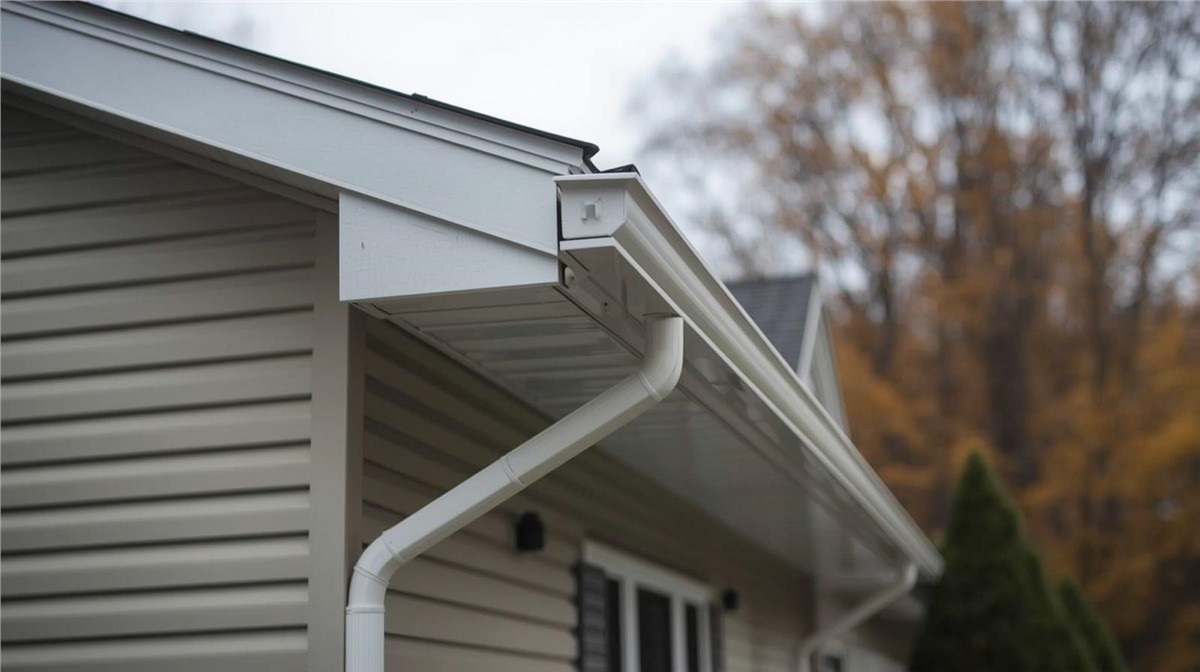
Gutter System Strain
Gutters in Illinois already endure heavy snow and ice loads. When ice dams form, additional weight can:
Pull gutters away from fascia
Cause sagging or detachment
Damage soffits and trim
Proper gutter installation and drainage design play a supporting role in managing winter runoff.
Reduced Energy Efficiency
Heat loss through the attic not only contributes to ice dams but also wastes energy. Poor ventilation combined with insufficient insulation forces HVAC systems to work harder, increasing heating costs throughout long Midwest winters.
The Bigger Picture: How Roofing, Siding, and Windows Work Together
Ice dam prevention isn’t just about the roof itself. Your home’s entire exterior envelope affects performance.
Roofing System
A properly designed roofing system includes:
Adequate ventilation
Ice and water shield membranes
Proper flashing
Balanced insulation
These components work together to prevent water intrusion.
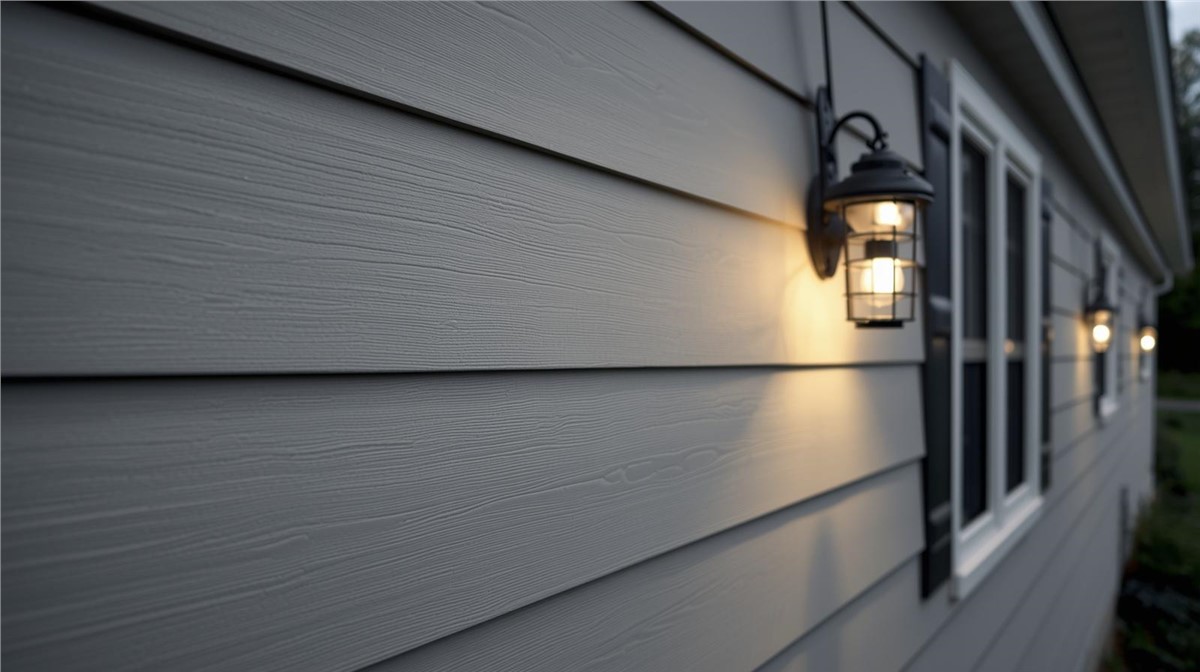
Siding and Exterior Walls
If melting snow and ice back up behind siding or trim, water can infiltrate wall assemblies. High-quality siding systems and correct installation methods reduce this risk.
In areas with strong winter winds, wind-driven moisture can compound issues when roofing and siding systems aren’t properly integrated.
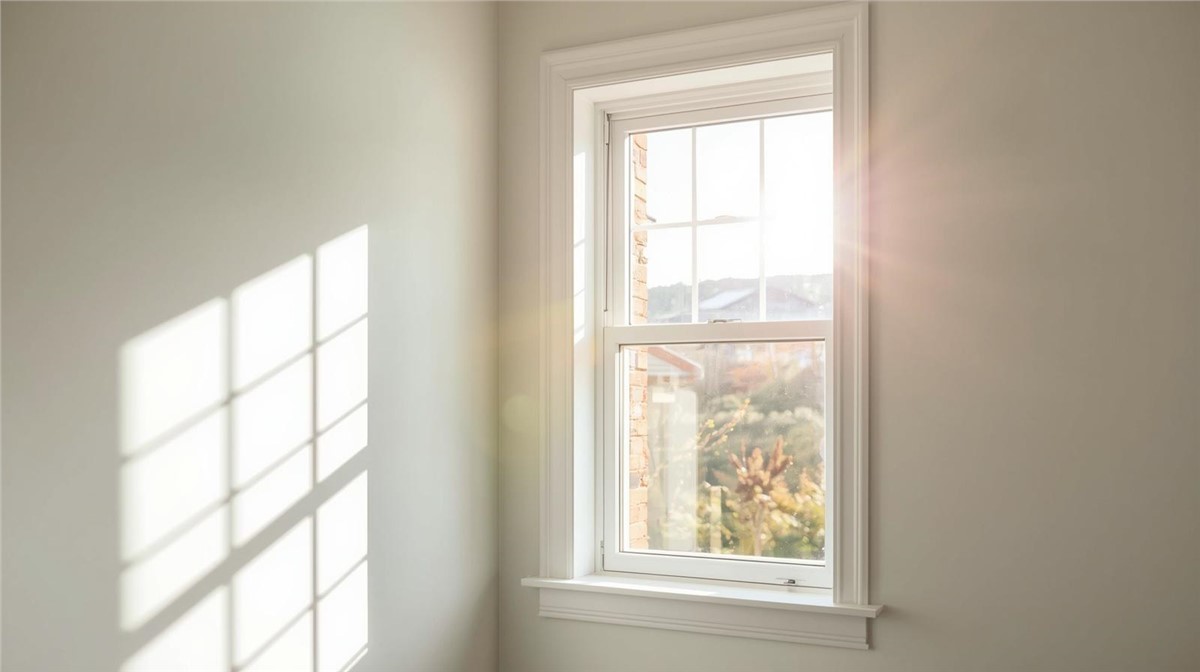
Windows and Air Leakage
Drafty or improperly sealed windows allow warm air to escape. That escaping heat can travel upward into the attic, contributing to uneven roof temperatures.
Energy-efficient windows help stabilize indoor temperatures and reduce heat loss, indirectly supporting roof performance during winter.
Why Ice Dams Are Especially Common in the Midwest
Illinois weather presents a perfect storm of conditions:
Heavy snowfall accumulation
Wind chill and fluctuating temperatures
Sudden thaws
Prolonged freezing periods
Homes built decades ago may lack modern ventilation standards. Even newer homes can experience issues if ventilation systems were improperly designed or blocked by insulation.
Seasonal inspections before winter hits can help identify ventilation imbalances before snow accumulates.
Prevention Strategies for Illinois Property Owners
Ensure Proper Attic Insulation
Insulation slows heat transfer from living spaces into the attic. Without sufficient insulation, ventilation alone won’t solve the problem.
Maintain Clear Soffit Vents
Blocked intake vents prevent airflow. Insulation baffles can help maintain ventilation channels.
Upgrade Ventilation When Replacing Roofing
When installing a new roof, it’s an ideal time to evaluate ridge vents, intake vents, and overall airflow design.
Keep Gutters Clean and Secure
Clogged gutters contribute to water backup during thaw cycles. Regular cleaning in late fall helps ensure proper drainage before snow arrives.
FAQ: Roof Ventilation and Ice Dams
What temperature causes ice dams to form?
Ice dams typically form when roof surface temperatures exceed 32°F while outdoor temperatures remain below freezing. This temperature imbalance causes snow to melt and refreeze at the eaves.
Can ice dams damage a newer roof?
Yes. Even new roofs can develop ice dams if attic ventilation or insulation is inadequate. Proper system design is essential regardless of roof age.
Are ice dams covered by homeowners insurance?
Coverage varies by policy. Many insurance plans cover sudden water damage but may not cover damage resulting from long-term maintenance issues. Reviewing your policy is recommended.
Is removing snow from the roof enough to prevent ice dams?
While snow removal can reduce risk temporarily, it does not address the root cause. Proper ventilation and insulation are long-term solutions.
Protecting Your Home Through Every Illinois Season
From winter snowstorms to spring rains and summer heat, Midwest weather places constant demands on your home’s exterior systems. Roof ventilation plays a critical role not just in preventing ice dams, but in maintaining long-term energy efficiency, structural integrity, and indoor comfort.
At Huskie Exteriors, we believe education comes first. Understanding how ventilation, insulation, roofing, siding, windows, and gutters work together empowers property owners to make informed decisions — not reactive ones.
If you’ve noticed icicles, uneven snow melt, attic frost, or rising energy bills, it may be time for a professional evaluation. A thorough exterior inspection can identify ventilation imbalances and help prevent costly winter damage before it starts.
For Illinois homeowners and property owners seeking clarity and confidence heading into the next season, scheduling an inspection or consultation is a proactive step toward protecting your investment — and your peace of mind.
Subscribe to Huskie Exteriors's Blog






Comments