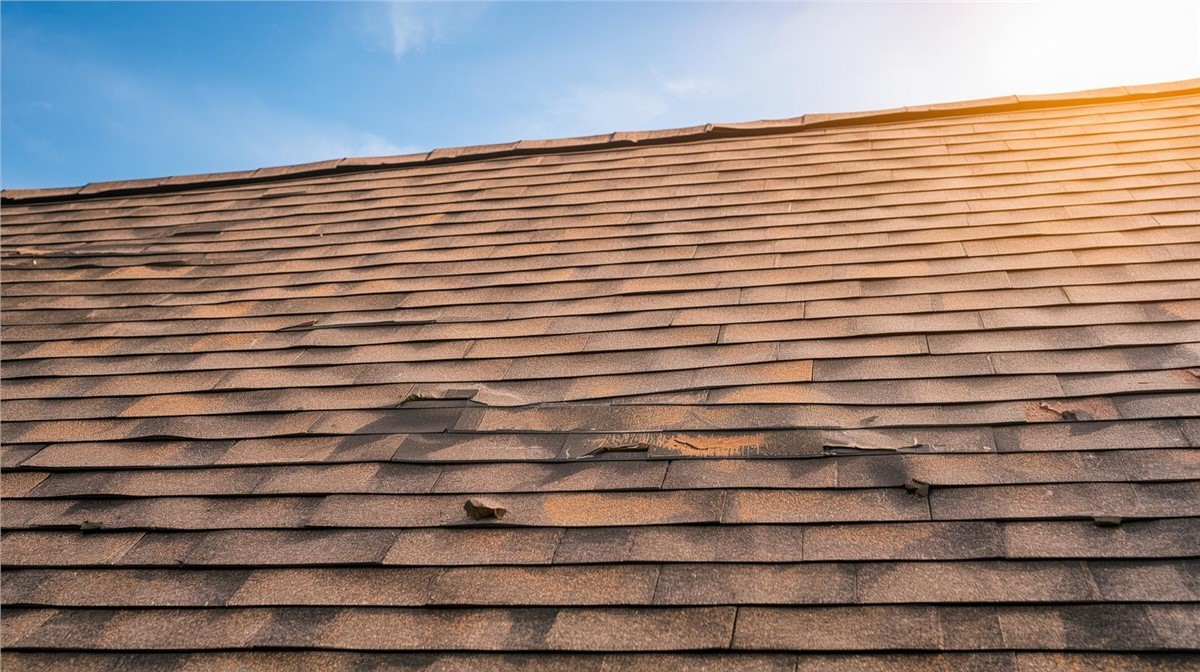
When Illinois homeowners think about roof damage, they often focus on storms, hail, snow, and wind. But one of the most consistent forces affecting your roof every single day is the sun.
Over time, ultraviolet (UV) rays and heat exposure can significantly shorten the lifespan of roofing materials. Understanding how sun exposure impacts roof lifespan in Illinois helps homeowners protect their investment, plan maintenance, and avoid premature replacement.
Illinois Sun: More Intense Than You Might Think
While Illinois is known for harsh winters, summer sun can be surprisingly intense—especially in central and southern parts of the state.
Roofs in Illinois endure:
Long summer daylight hours
High UV index levels
Humid heat
Rapid temperature shifts between day and night
Combined, these factors place constant stress on roofing materials.
How UV Rays Break Down Shingles
Asphalt shingles are the most common roofing material in Illinois. They’re designed to withstand weather exposure, but prolonged UV radiation gradually breaks them down.
1. Drying and Brittleness
UV rays dry out the oils in asphalt shingles, causing them to:
Become brittle
Crack more easily
Lose flexibility
Once shingles lose flexibility, they’re more vulnerable to wind damage and freeze–thaw cracking.
2. Granule Deterioration
The granules on shingles protect the asphalt layer from direct UV exposure.
Over time, sun exposure causes:
Granule loosening
Fading
Bald spots
When granules wear away, the underlying material degrades faster.
Heat Buildup and Thermal Expansion
Summer temperatures in Illinois often exceed 85–95°F. Roof surfaces can become much hotter than the surrounding air.
Repeated Expansion and Contraction
During the day, roofing materials expand in heat. At night, they cool and contract.
This daily movement can:
Stress shingle seams
Weaken adhesive strips
Create small cracks
Repeated thermal cycling shortens roof lifespan over time.
Sun Exposure and Roof Ventilation
Poor attic ventilation makes sun-related damage worse.
When hot air becomes trapped in the attic:
Roof decking overheats
Shingles age prematurely
Energy bills increase
Proper ventilation allows hot air to escape, reducing surface temperature stress.
South- and West-Facing Roof Slopes Wear Faster
Not all areas of your roof age at the same rate.
In Illinois:
South-facing slopes receive the most consistent sun exposure
West-facing slopes endure intense afternoon heat
These sections often show earlier signs of:
Fading
Curling shingles
Granule loss
Professional inspections frequently reveal uneven aging across different roof planes.
Sun Exposure and Seal Failure
Shingles rely on adhesive strips to seal properly.
Extreme heat can:
Soften adhesives excessively
Break down seal integrity
Increase vulnerability during windstorms
Illinois thunderstorms combined with weakened seals increase blow-off risk.
How Sun Damage Affects Roof Lifespan
Most asphalt shingle roofs in Illinois last 20–25 years under normal conditions. However, heavy UV exposure and poor ventilation can reduce that lifespan significantly.
Sun-related deterioration may:
Accelerate aging
Require earlier repairs
Increase storm vulnerability
Proactive maintenance helps preserve longevity.
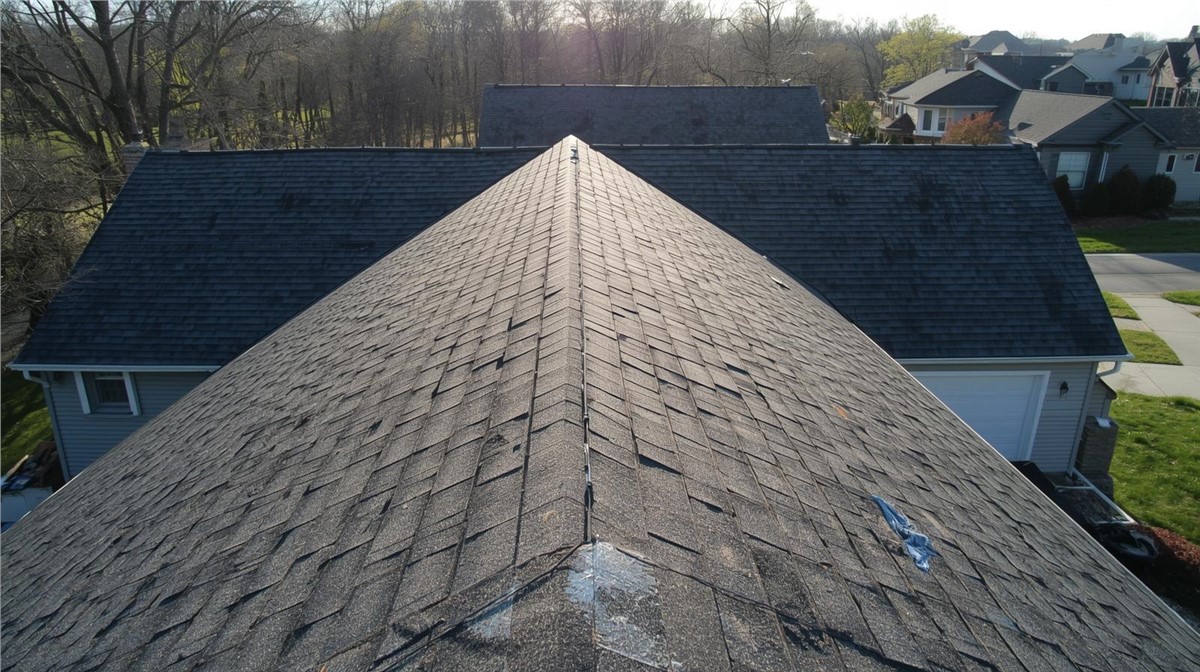
Signs of Sun-Related Roof Wear
Illinois homeowners should watch for:
Faded or uneven shingle color
Curling or cupping edges
Excess granules in gutters
Cracked or brittle shingles
Uneven aging across roof sections
These signs often indicate UV and heat stress.
Preventing Premature Sun Damage
While sun exposure is unavoidable, several steps help protect your roof.
1. Improve Attic Ventilation
Balanced intake and exhaust ventilation reduces heat buildup.
2. Choose UV-Resistant Shingles
Higher-quality shingles often include enhanced UV protection and stronger granule adhesion.
3. Schedule Regular Inspections
Annual roof inspections catch early signs of deterioration before they worsen.
4. Address Small Repairs Quickly
Replacing cracked or brittle shingles prevents moisture intrusion during storms.
The Energy Efficiency Connection
Sun exposure affects not only roof lifespan but also energy efficiency.
Overheated attics can:
Increase cooling costs
Stress HVAC systems
Create uncomfortable indoor temperatures
Proper roofing materials and ventilation improve overall home performance.
Frequently Asked Questions
Does Illinois sun really damage roofs that much?
Yes. UV rays and heat cause gradual but consistent material breakdown.
Are darker shingles more affected?
Darker colors absorb more heat, which may increase surface temperature.
Can metal roofs resist sun damage better?
Metal roofs reflect heat effectively but still require proper installation and ventilation.
How often should I inspect my roof for sun damage?
At least once per year and after severe storms.
Can ventilation extend roof lifespan?
Yes. Proper airflow reduces heat-related stress on roofing materials.
Protecting Your Roof From Year-Round Exposure
While storms may cause sudden damage, daily sun exposure quietly affects roof performance over time. In Illinois, combining strong materials, proper ventilation, and routine inspections helps ensure your roof withstands both summer heat and winter freeze–thaw cycles.
Huskie Exteriors works with homeowners across Illinois, providing roofing systems designed for Midwest weather conditions. Understanding how sun exposure impacts your roof allows you to make informed decisions that protect your home for years to come.
Subscribe to Huskie Exteriors's Blog





Comments