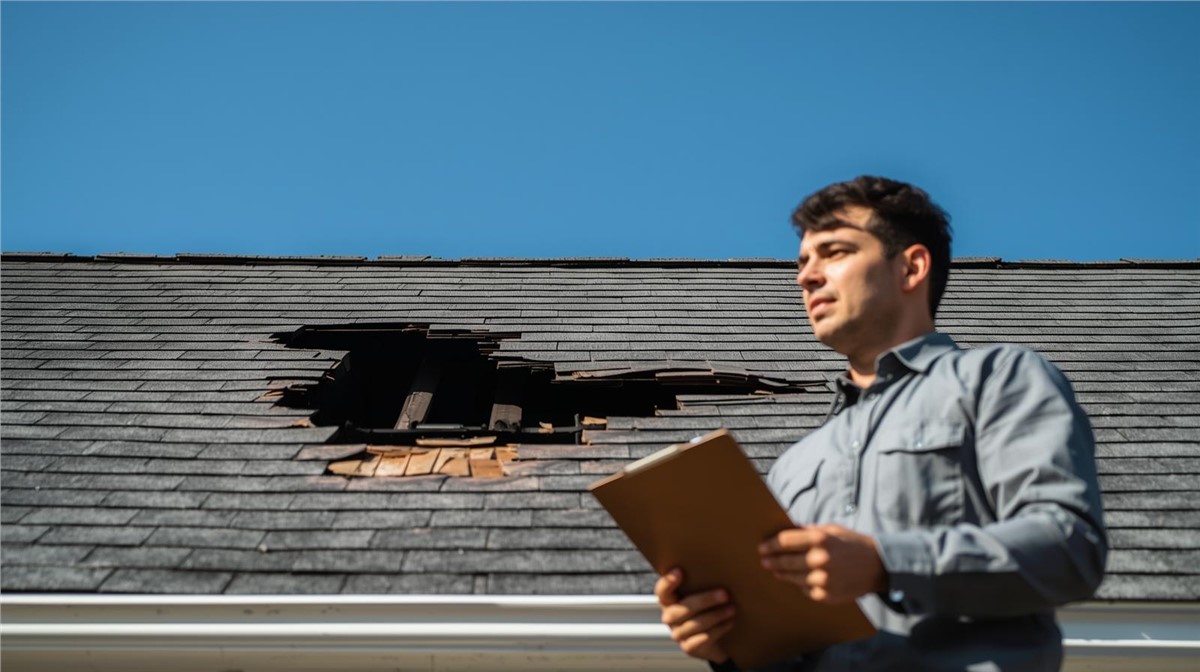
Storms in Illinois can cause significant roof damage in a matter of minutes. Hail, high winds, fallen branches, and heavy rain often leave behind problems that aren’t immediately visible—but documenting the damage properly is critical if you plan to file an insurance claim.
Knowing how to document roof damage for insurance claims helps homeowners protect their coverage, avoid claim disputes, and ensure repairs are handled correctly. The right documentation can make the difference between a smooth claim process and a frustrating one.
Why Proper Documentation Matters
Insurance companies require proof that:
Damage occurred during a covered event
The damage was sudden—not gradual wear
The claim was filed promptly
The roof was reasonably maintained
Incomplete or delayed documentation may lead to claim denial or reduced coverage.
Acting quickly after a storm strengthens your position.
Step 1: Inspect Safely After the Storm
Safety should always come first.
After a storm passes:
Walk around your property from ground level
Avoid climbing onto the roof
Look for obvious damage such as missing shingles or debris
If the roof appears unstable or heavily damaged, contact a professional immediately.
Step 2: Take Clear, Detailed Photos
Photographic evidence is one of the most important parts of a claim.
What to Photograph
Missing, cracked, or lifted shingles
Hail dents on shingles or metal components
Damaged flashing around chimneys or vents
Fallen branches on the roof
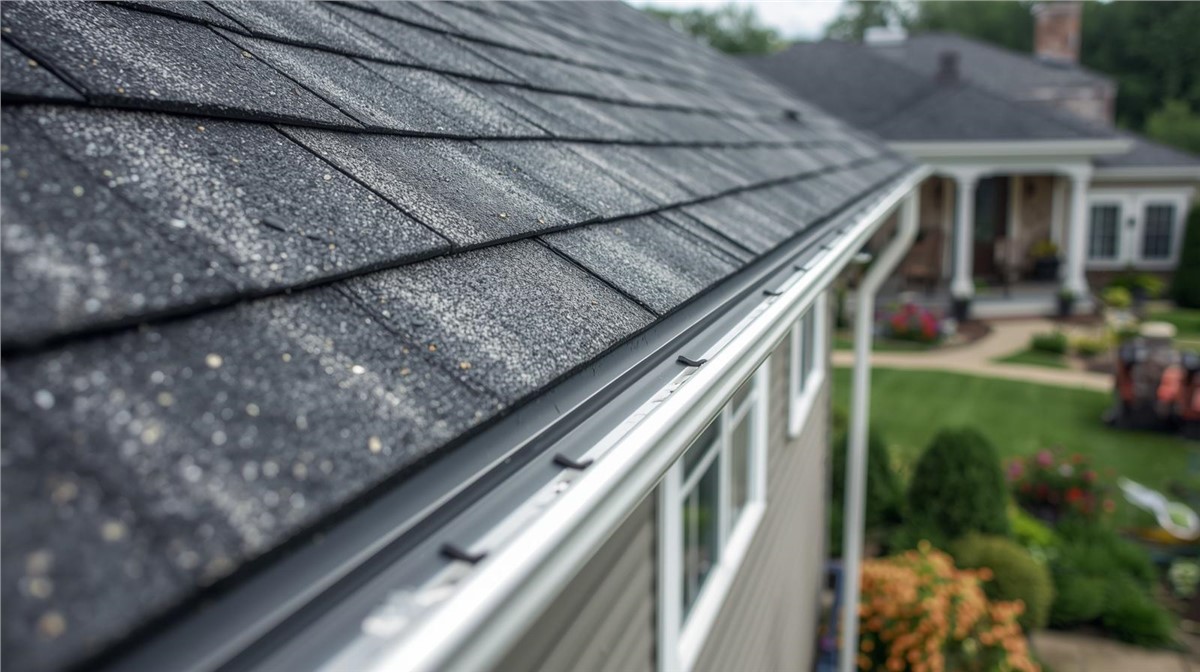
Granules in gutters
Dented gutters or downspouts
Interior water stains
Take photos from multiple angles and distances.
Step 3: Capture Date and Time Information
Insurance companies may request proof of when damage occurred.
Helpful documentation includes:
Photos with date/time stamps
Local weather reports confirming storm activity
News reports about severe weather in your area
Illinois frequently experiences localized hailstorms, so regional storm documentation can support your claim.
Step 4: Document Interior Damage
Roof damage often leads to interior issues.
Photograph:
Ceiling stains
Wet insulation in the attic
Mold growth
Peeling paint or drywall damage
Include close-up shots and wider views showing the affected area.
Step 5: Prevent Further Damage
Insurance policies typically require homeowners to prevent additional damage after a storm.
This may include:
Placing tarps over exposed areas
Removing debris safely
Containing interior leaks
Keep receipts for temporary repairs. These may be reimbursable.
Step 6: Contact Your Insurance Company Promptly
Report the damage as soon as possible.
Provide:
Your policy number
Date of the storm
A summary of visible damage
Photos you’ve taken
Prompt reporting shows good faith and protects your eligibility.
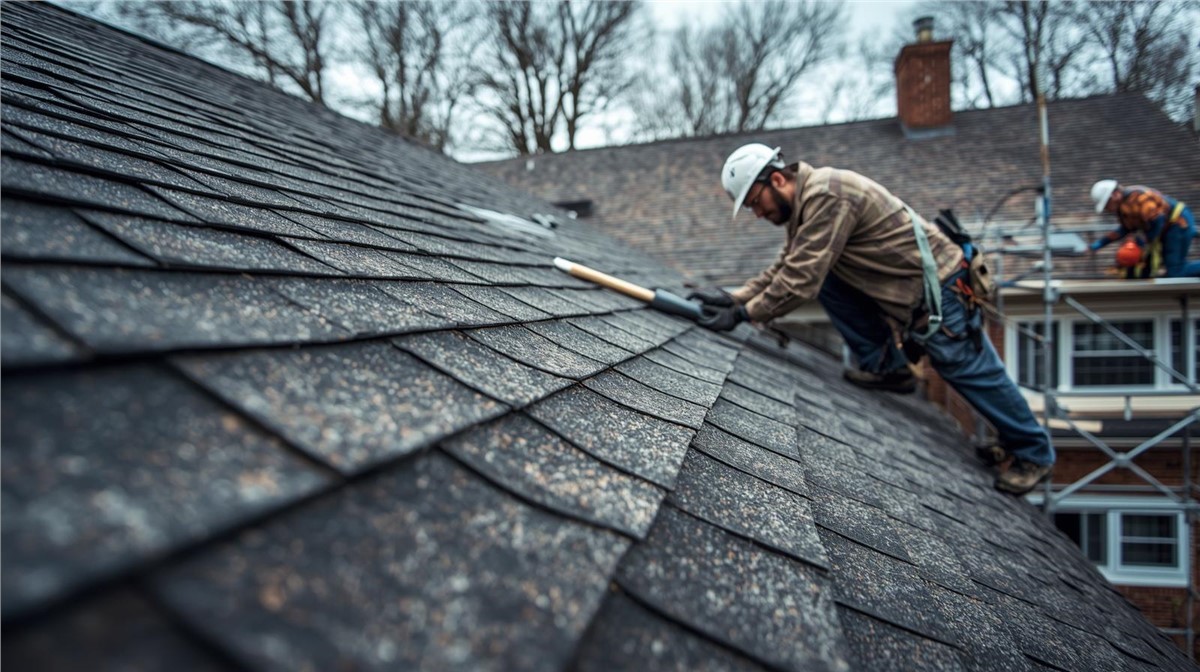
Step 7: Schedule a Professional Roof Inspection
A professional roofing inspection provides:
Detailed assessment of hidden damage
Documentation of impact points
Written reports for insurance adjusters
Photo evidence of areas not visible from the ground
In Illinois, hail damage may not cause immediate leaks but can weaken shingles significantly.
Step 8: Meet With the Insurance Adjuster
Your insurance company will likely send an adjuster to inspect the property.
To prepare:
Have your documentation ready
Share professional inspection reports
Point out areas of concern
Clear communication ensures the adjuster sees the full scope of damage.
Step 9: Keep All Communication in Writing
Maintain a record of:
Emails
Claim numbers
Adjuster reports
Repair estimates
Receipts
This documentation protects you if questions arise later.
Common Mistakes to Avoid
Illinois homeowners should avoid:
Waiting too long to file a claim
Attempting major repairs before inspection
Failing to photograph damage immediately
Assuming minor hail damage isn’t worth documenting
Even small impact damage can shorten roof lifespan.
How Hail Damage Is Identified
Hail damage may appear as:
Circular impact marks
Soft bruised areas on shingles
Granule displacement
Dents on metal flashing or gutters
Professional roofing contractors are trained to recognize these subtle signs.
What Insurance Typically Covers
Most homeowners policies cover:
Sudden storm damage
Wind damage
Hail impact
However, policies generally do not cover:
Gradual wear and tear
Neglect or delayed maintenance
Understanding this distinction helps you present your claim accurately.
Why Timely Action Protects Resale Value
Undocumented storm damage can impact:
Future insurance coverage
Home inspection results
Resale negotiations
Handling damage properly maintains property value and buyer confidence.
Frequently Asked Questions
How soon should I file a claim after a storm?
As soon as possible. Delays can complicate approval.
Can I climb on the roof to take photos?
It’s safer to take ground-level photos and hire a professional for roof inspection.
What if damage isn’t visible right away?
Schedule a professional inspection—hidden damage is common after Illinois hailstorms.
Will filing a claim increase my premium?
Premium changes vary by policy and circumstances.
Should I repair damage before the adjuster arrives?
Only temporary measures to prevent further damage.
Protecting Your Home and Your Claim
Documenting roof damage carefully and promptly is essential for a smooth insurance claim process. Illinois weather can cause both visible and hidden damage, so detailed records help ensure your home receives proper repair coverage.
Huskie Exteriors works with homeowners across Illinois, providing professional roof inspections and documentation following storm events. Taking the right steps early helps protect your home, your coverage, and your long-term investment.
Subscribe to Huskie Exteriors's Blog





Comments