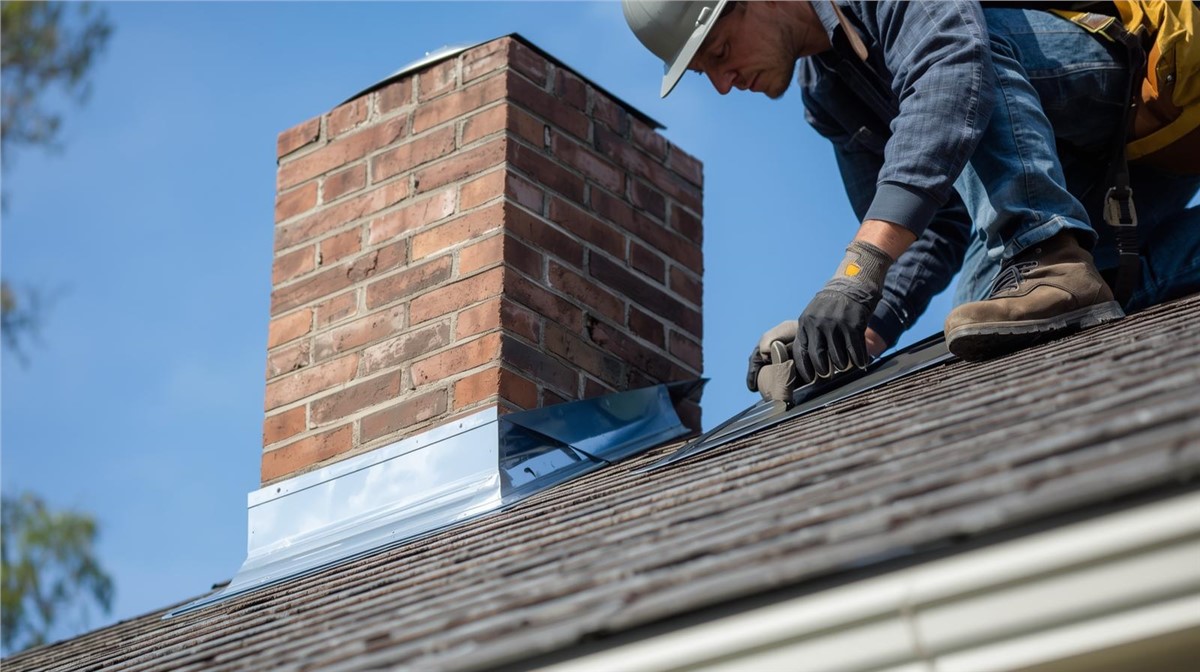
When homeowners think about roofing, shingles usually get all the attention. But one of the most critical components of any roofing system—especially in Illinois—is flashing.
Flashing is the thin metal material installed around roof transitions, penetrations, and edges. While it may not be highly visible, it plays a major role in preventing leaks and protecting your home from moisture damage. Understanding why proper flashing matters in Illinois roofing can help homeowners avoid costly water intrusion and structural repairs.
What Is Roof Flashing?
Roof flashing is typically made from aluminum, galvanized steel, or other corrosion-resistant metals. It’s installed in vulnerable areas where water is most likely to enter the roofing system.
Common flashing locations include:
Around chimneys
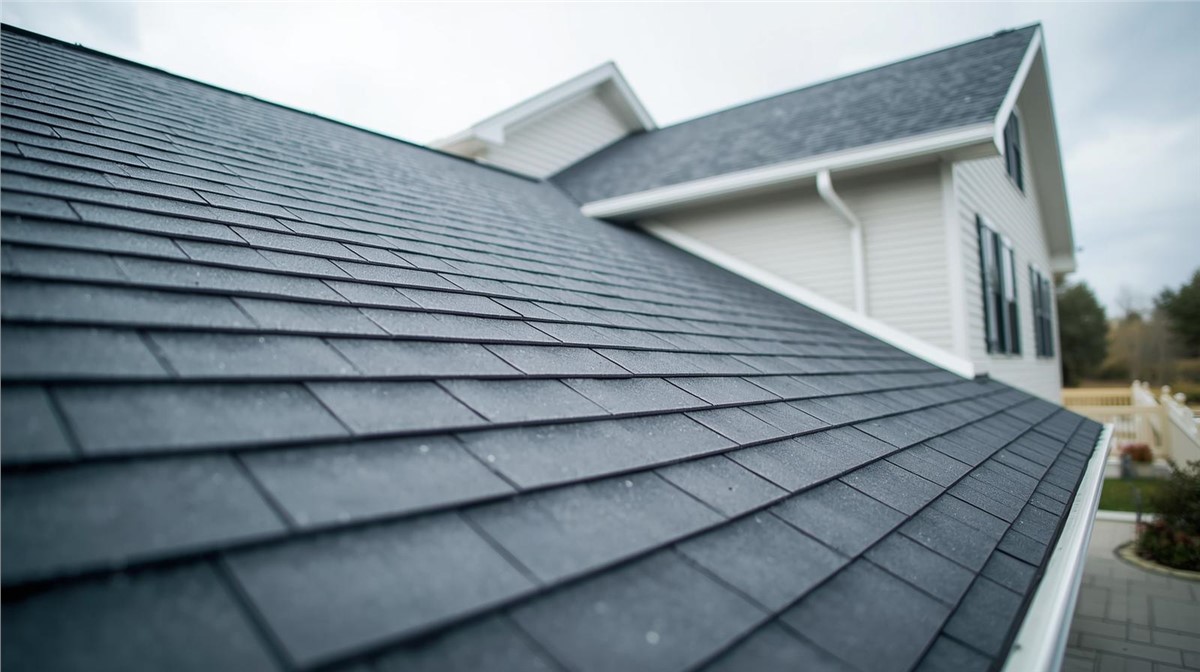
Along roof valleys
At skylights
Around plumbing vents
Where the roof meets a vertical wall
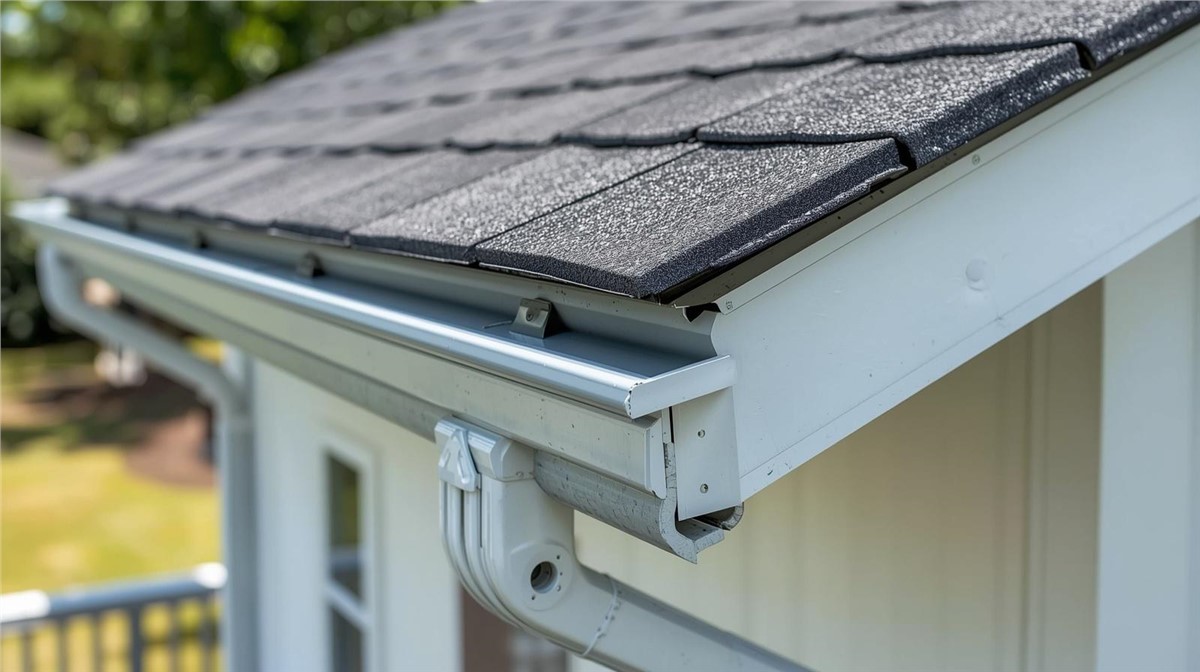
Along eaves and drip edges
Flashing directs water away from seams and joints, preventing it from seeping under shingles.
Why Illinois Homes Need Strong Flashing Systems
Illinois weather creates challenging conditions for roofing systems.
Homes regularly experience:
Heavy rainstorms
Wind-driven rain
Snow accumulation
Freeze–thaw cycles
Ice dam formation
Severe thunderstorms and hail
Flashing is often the first line of defense in these high-risk areas. When it fails, water intrusion can begin—even if shingles appear intact.
The Role of Flashing During Heavy Rain
Illinois storms often bring intense rainfall in short periods.
Without properly installed flashing:
Water can seep behind siding at roof-to-wall intersections
Valleys can collect excess runoff
Chimney bases can leak
Flashing channels water safely down the roof and into gutters, reducing leak risk.
Flashing and Ice Dam Protection
Ice dams are common in Illinois winters. When snow melts and refreezes at roof edges, water can back up under shingles.
Proper flashing and ice-and-water barriers help prevent:
Water infiltration along eaves
Leakage around roof penetrations
Moisture damage beneath shingles
Flashing adds an extra layer of defense during freeze–thaw cycles.
How Poor Flashing Installation Causes Problems
Even high-quality materials can fail if flashing is installed incorrectly.
Common flashing mistakes include:
Improper overlap
Inadequate sealing
Missing step flashing along walls
Loose or insufficient fasteners
Using incompatible metals that corrode
These issues may not cause immediate leaks—but over time, they compromise roof performance.
Signs Flashing May Be Failing
Illinois homeowners should watch for warning signs such as:
Water stains near chimneys
Ceiling leaks during heavy rain
Rusted or corroded metal at roof edges
Cracked caulking around vents
Missing or lifted flashing sections
Flashing failures often show up before widespread shingle damage appears.
Why Flashing Matters More as Roofs Age
As shingles age and seals weaken, flashing becomes even more important.
Older roofing systems rely heavily on flashing to prevent water intrusion in vulnerable areas. If flashing is deteriorated or improperly installed, aging shingles are more likely to allow leaks.
Flashing and Gutter Integration
Flashing works alongside gutters to direct water away from your home.
Drip edge flashing ensures water flows into gutters instead of behind fascia boards. Without it, Illinois’ heavy rainfall can cause wood rot and soffit damage.
Replacing Flashing During Roof Replacement
When replacing a roof, it’s essential to inspect and upgrade flashing as needed.
Reusing old flashing can:
Reduce the lifespan of the new roof
Increase leak risk
Void certain manufacturer warranties
Professional roofing systems integrate new flashing with underlayment and shingle installation.
The Long-Term Cost of Flashing Failure
Flashing may be a small component, but failure can lead to:
Interior water damage
Mold growth
Rotting roof decking
Structural framing repairs
Siding and trim damage
Addressing flashing problems early prevents much larger repair bills.
Why Professional Installation Matters
Flashing requires precise installation techniques. Proper overlap, sealing, and integration with roofing materials are critical.
In Illinois’ climate, experienced roofing contractors understand:
How to protect valleys from heavy rain
How to reinforce roof-to-wall transitions
How to prepare for snow and ice buildup
Attention to detail during installation greatly impacts long-term durability.
Frequently Asked Questions
Can flashing be repaired without replacing the entire roof?
Yes, in many cases, isolated flashing repairs are possible.
How long does roof flashing last?
It often lasts as long as the roof, but harsh weather can shorten lifespan.
Is rusted flashing a serious issue?
Yes. Corrosion weakens metal and increases leak risk.
Does insurance cover flashing damage?
It depends on whether damage was caused by a covered event like a storm.
Should flashing always be replaced with a new roof?
In most cases, yes—especially if the existing flashing shows wear.
A Small Detail With Major Impact
Flashing may not be the most visible part of your roof, but it’s one of the most important. In Illinois, where heavy rain, snow, and freeze–thaw cycles are common, proper flashing protects vulnerable roof areas from water intrusion.
Huskie Exteriors works with homeowners across Illinois, providing roofing systems designed for Midwest weather. Ensuring flashing is properly installed and maintained helps safeguard your home against leaks and long-term damage.
Subscribe to Huskie Exteriors's Blog





Comments