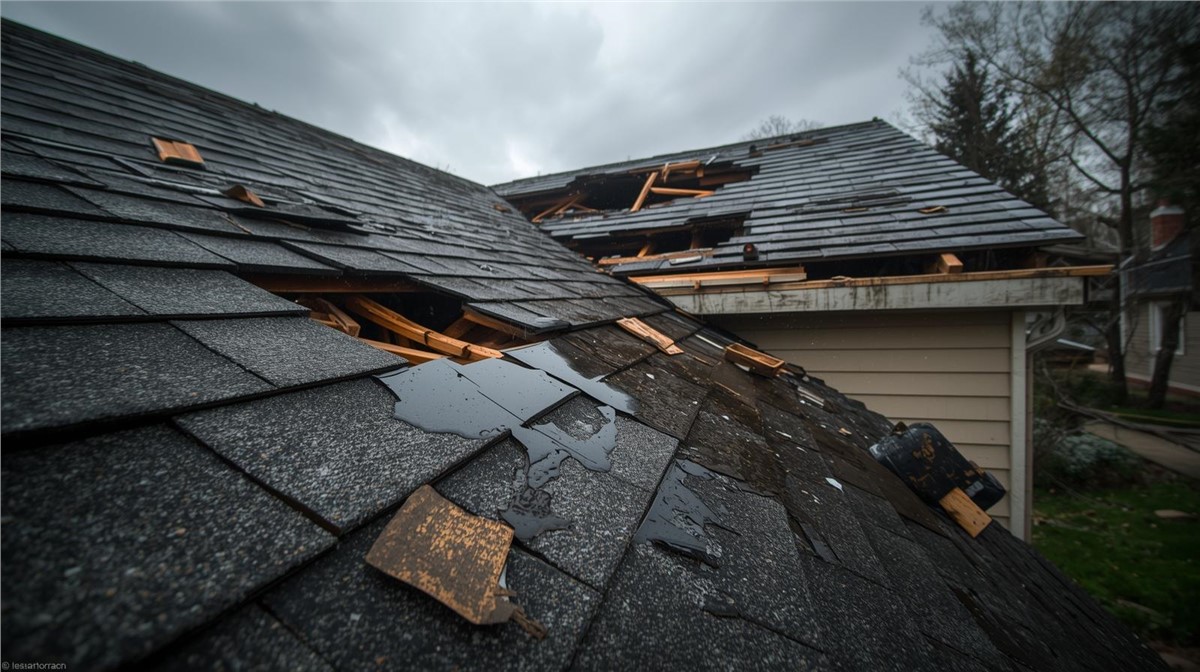
In Illinois, storms are a regular part of homeownership. Hail, high winds, heavy rain, and rapid temperature shifts can all take a toll on your roof. While some damage may seem minor at first, it can significantly impact your home’s resale value if left unaddressed.
Understanding how storm damage affects roof resale value in Illinois helps homeowners protect their investment, maintain buyer confidence, and avoid surprises during the selling process.
Why Roof Condition Matters So Much to Buyers
When buyers evaluate a home, the roof is one of the first major components they consider. A roof protects the entire structure, and its condition signals how well the home has been maintained.
In Illinois—where storms are common—buyers and home inspectors pay close attention to:
Shingle condition
Signs of hail or wind damage
Flashing integrity
Gutter performance
Age of the roofing system
A damaged or aging roof can quickly raise red flags during inspections.
Common Types of Storm Damage in Illinois
Illinois homes frequently experience:
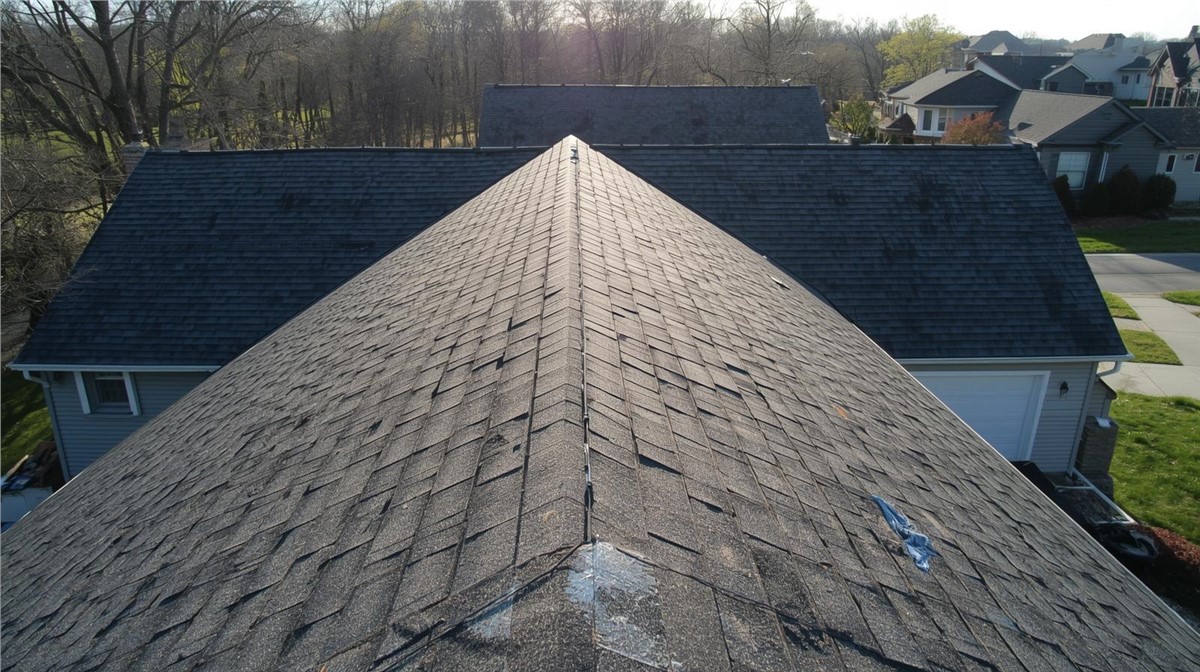
Hail impact damage
Wind-lifted shingles
Granule loss
Flashing displacement
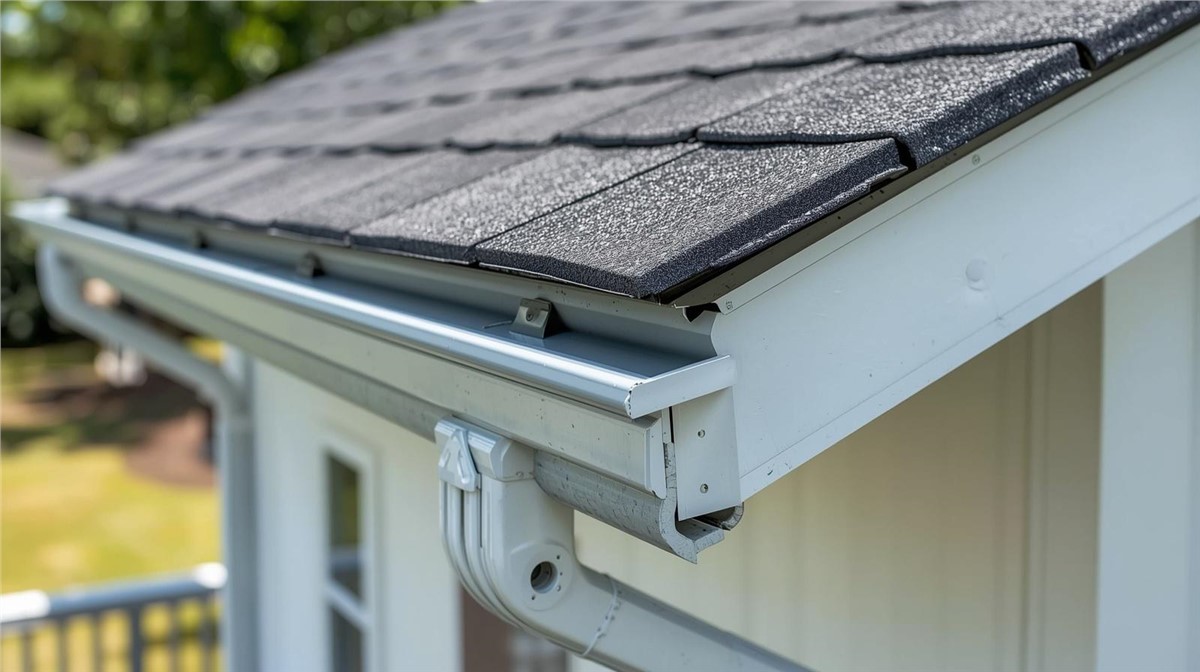
Gutter separation or sagging
Even when damage isn’t obvious from the ground, professional inspections often reveal hidden weaknesses.
How Visible Roof Damage Impacts Buyer Perception
First impressions matter.
Visible signs such as:
Missing shingles
Uneven roof lines
Excess granules in gutters
Large icicles from past ice dam issues
can immediately reduce buyer confidence.
Even if the interior looks well-maintained, a compromised roof creates uncertainty about future repair costs.
Inspection Reports and Negotiation Leverage
Most real estate transactions in Illinois include a professional home inspection.
If storm damage is identified, buyers may:
Request repairs before closing
Negotiate a lower sale price
Ask for seller credits
Delay closing until issues are resolved
A roof that shows storm-related deterioration often becomes a major negotiation point.
Insurance History and Documentation
Storm damage repairs that were properly handled and documented can actually reassure buyers.
However, if:
Damage was never reported
Repairs were incomplete
Insurance claims were denied due to delay
buyers may question the home’s long-term reliability.
Maintaining repair records improves transparency and trust.
Hidden Damage Can Surface During Appraisal
Even subtle hail damage may affect appraisal outcomes.
If the appraiser determines the roof is near the end of its lifespan due to storm wear, it may:
Lower the home’s appraised value
Impact buyer financing approval
Require roof replacement prior to closing
Addressing storm damage proactively reduces these risks.
Energy Efficiency Concerns
Storm damage can affect more than waterproofing—it can impact insulation and ventilation.
A compromised roof may lead to:
Increased heating costs in winter
Hot attic buildup in summer
Ice dam formation
Energy-conscious buyers in Illinois often look for homes with strong exterior performance.
The Cost of Ignoring Minor Damage
Small hail dents or lifted shingles may not cause immediate leaks—but over time, they weaken the roof’s ability to withstand future storms.
If left untreated, minor issues can escalate into:
Interior water damage
Mold growth
Rotting roof decking
These problems significantly reduce resale appeal.
When Roof Replacement Makes Sense Before Selling
In some cases, replacing a storm-damaged roof before listing a home can:
Increase buyer confidence
Improve curb appeal
Prevent inspection delays
Reduce negotiation stress
While replacement is a larger investment, it can simplify the selling process and strengthen listing value.
Repair vs. Replacement: What Buyers Prefer
Buyers typically prefer:
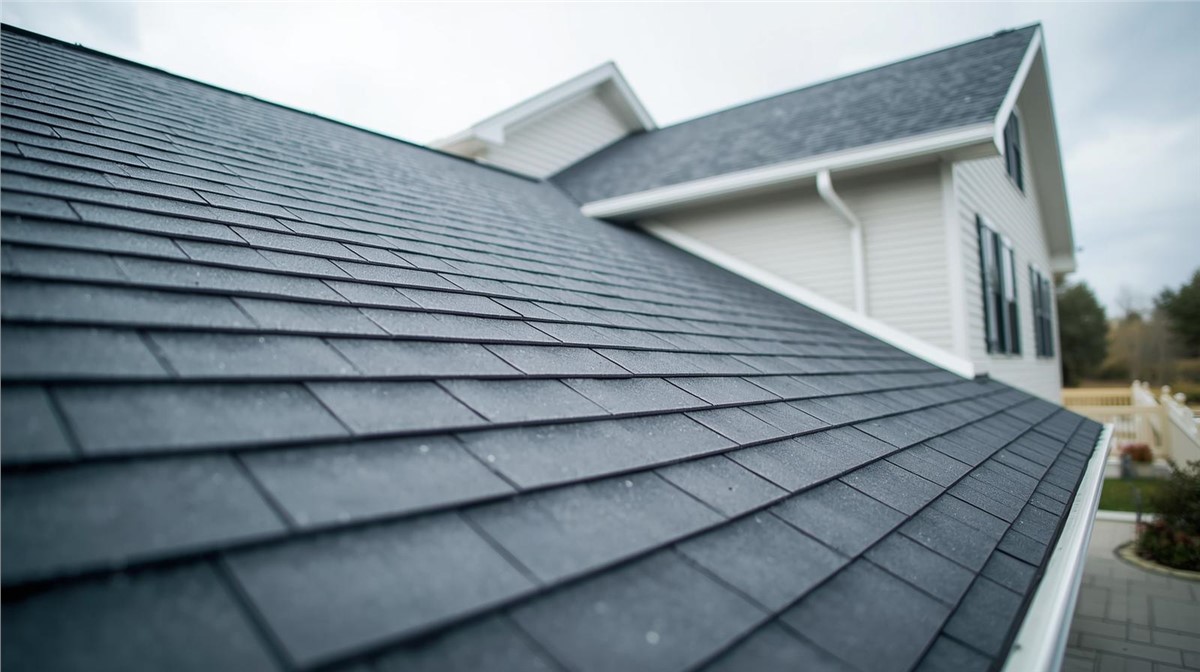
A newer roof with documented installation
Recent storm repairs completed by professionals
Clear warranty information
Homes with unresolved storm damage may stay on the market longer.
Timing Matters in Illinois Storm Season
If you’re planning to sell during peak storm season, addressing roof damage beforehand is especially important.
Buyers are more cautious during spring and summer months when storm activity is higher. A roof in questionable condition can make them hesitant.
Frequently Asked Questions
Does hail damage always lower resale value?
If visible or documented in inspection reports, yes. Minor, repaired damage may not.
Should I fix roof damage before listing?
In most cases, yes. Proactive repairs prevent negotiation issues.
Can insurance claims affect resale?
Properly handled claims with documentation generally do not hurt resale value.
Do buyers check roof age?
Yes. Roof age is a common inspection and appraisal consideration.
Is a new roof a selling advantage?
Often, yes. It provides peace of mind and can improve listing appeal.
Protecting Your Investment Before You Sell
In Illinois, storm damage doesn’t just affect your roof—it can influence your home’s resale value, buyer confidence, and transaction timeline. Addressing damage early helps protect both your property and your negotiating position.
Huskie Exteriors works with homeowners across Illinois, providing roofing solutions built for Midwest storm conditions. Whether repairing storm damage or evaluating roof condition before listing, a professional assessment helps ensure your home remains market-ready and protected.
Subscribe to Huskie Exteriors's Blog





Comments