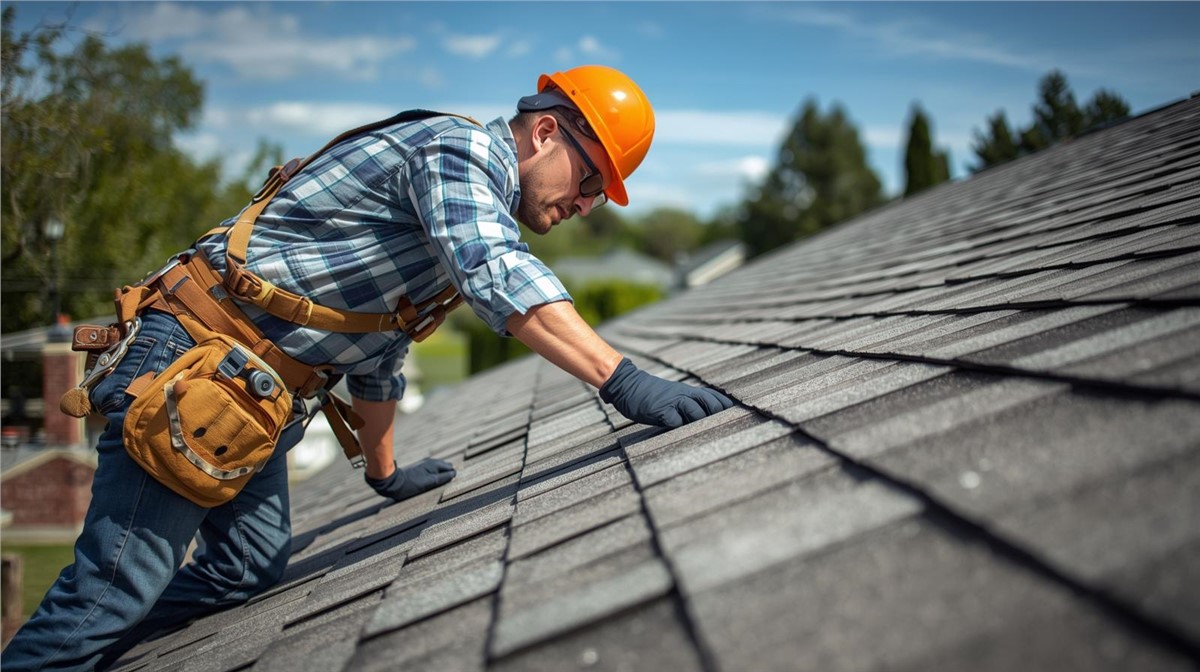
Your roof protects everything beneath it — your family, your belongings, your insulation, and your home’s structure. Yet most Illinois homeowners only think about their roof when there’s a visible leak or storm damage.
A professional roof inspection, however, is designed to catch small problems before they become expensive repairs.
A thorough roof inspection is not just a quick glance at shingles — it’s a detailed evaluation of your entire roofing system and how it performs in Midwest weather conditions.
At Huskie Exteriors, we approach inspections as part of a complete exterior system review. In Illinois, where roofs endure snow loads, hail, high winds, humidity, and rapid seasonal temperature swings, understanding what an inspection involves can help homeowners make informed decisions.
Why Roof Inspections Matter in Illinois
Illinois weather is demanding on roofing systems:
Heavy spring thunderstorms
Wind-driven rain
Hail events
Summer heat and humidity
Winter snow accumulation
Freeze–thaw cycles
Ice dams
Over time, these conditions cause materials to expand, contract, loosen, and deteriorate.
Annual inspections — and inspections after major storms — help identify:
Early signs of leaks
Flashing failures
Ventilation issues
Storm damage
Aging materials
Proactive maintenance extends roof life and protects your investment.
Step 1: Exterior Roof Surface Evaluation
The inspection typically begins with a full review of the visible roof surface.
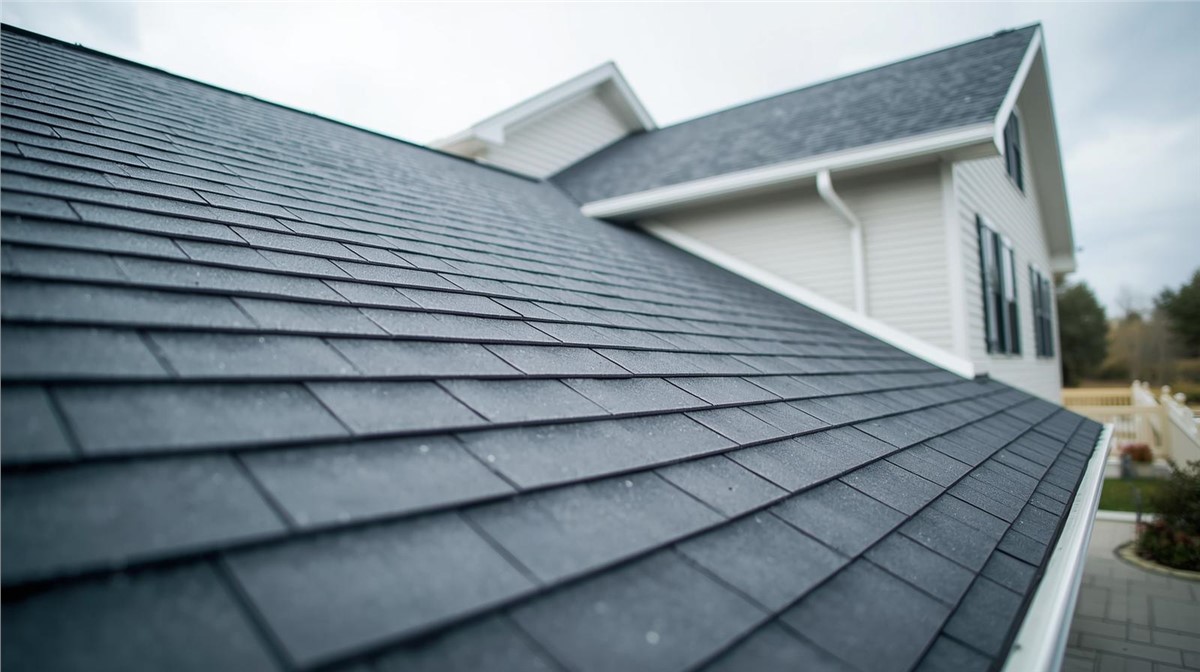
Shingle Condition
A professional inspector looks for:
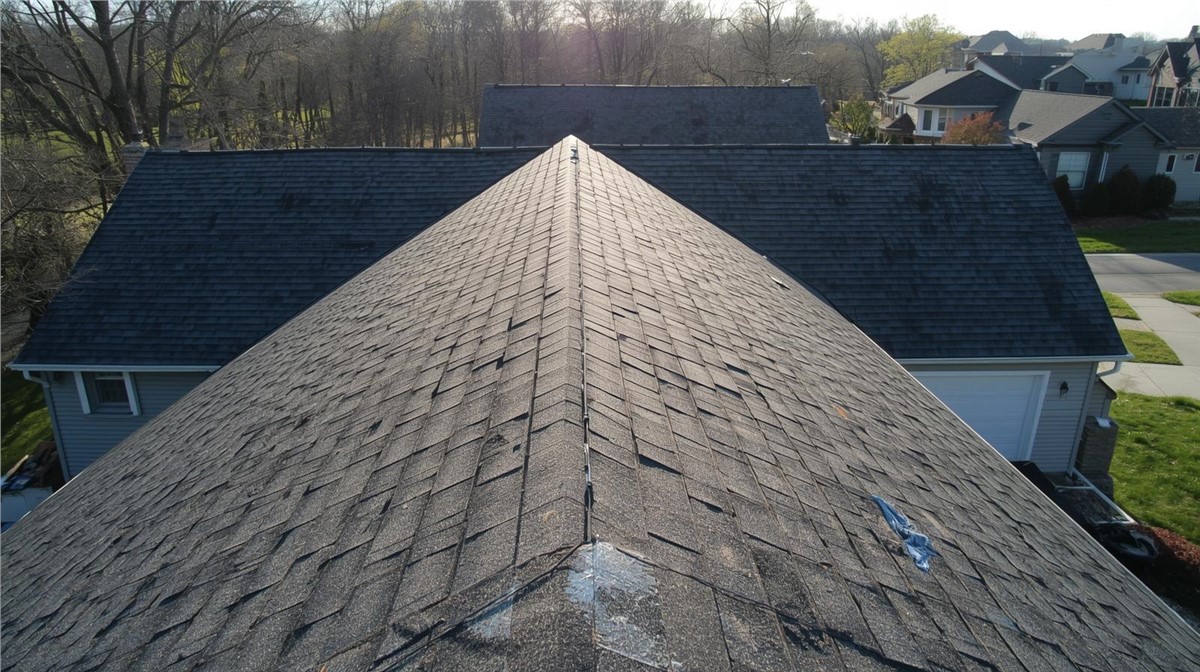
Cracked or curling shingles
Missing shingles
Granule loss
Blistering
Wind uplift damage
Granule loss is especially important in Illinois, where hail and wind can accelerate wear.
Flashing Inspection
Flashing protects vulnerable areas where the roof meets:
Chimneys
Skylights
Vent pipes
Roof-to-wall transitions
Inspectors check for:
Rust
Separation
Missing sealant
Improper installation
Flashing failures are one of the most common sources of leaks — particularly in older Illinois homes.
Roof Penetrations
Every penetration in your roof is a potential leak point. Vent boots, pipe collars, and exhaust vents are examined for cracking or deterioration caused by UV exposure and temperature shifts.
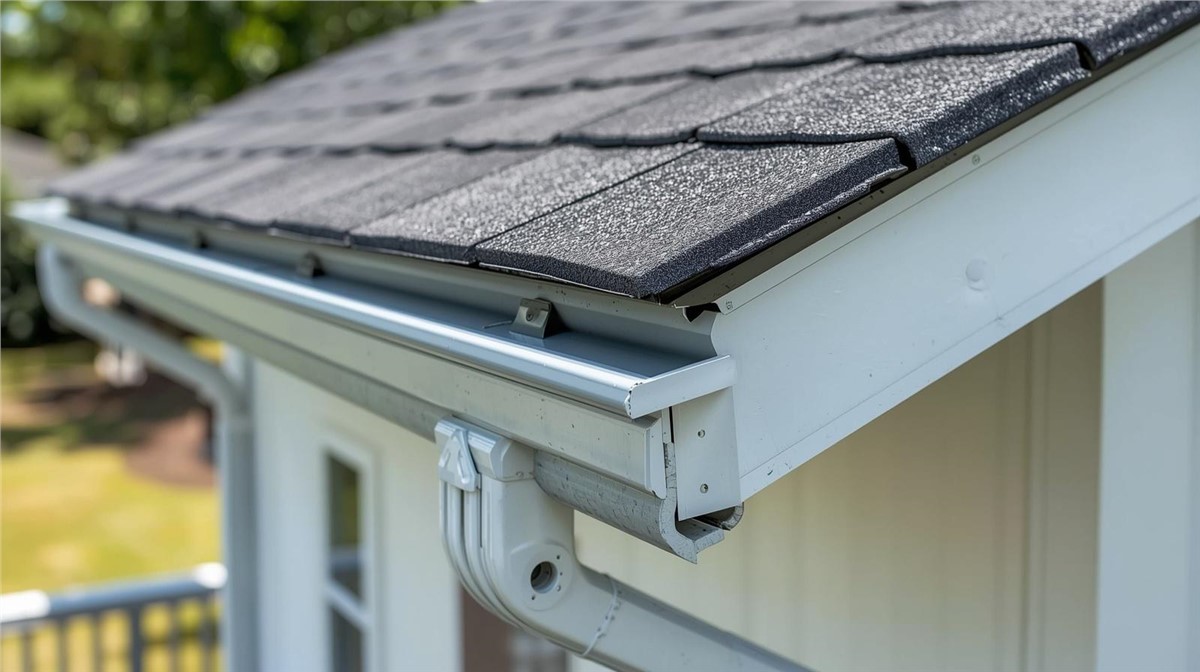
Step 2: Gutter and Drainage System Check
A roof inspection doesn’t stop at shingles.
Gutters and drainage systems are evaluated to ensure:
Proper slope
Secure attachment
No sagging
No overflow signs
Downspouts directing water away from foundation
Clogged or failing gutters can cause water to back up beneath shingles or saturate siding.
In Midwest storms, proper drainage is essential for preventing roof edge and fascia damage.
Step 3: Attic Inspection (If Accessible)
The attic provides valuable clues about roof performance.
During this phase, inspectors check for:
Water Stains or Active Leaks
Discoloration on decking or rafters may indicate past or current water intrusion.
Insulation Condition
Wet or compressed insulation loses energy efficiency. In Illinois’ extreme summers and winters, proper insulation is critical for maintaining indoor comfort.
Ventilation Performance
Proper attic ventilation helps prevent:
Ice dams in winter
Excessive heat buildup in summer
Premature shingle aging
Balanced intake and exhaust ventilation improves roof longevity and energy efficiency.
Step 4: Structural Evaluation
Professionals look for signs of structural stress such as:
Sagging rooflines
Soft decking spots
Uneven surfaces
These issues may result from long-term moisture intrusion or aging materials.
Early detection prevents more extensive structural repairs.
Step 5: Storm Damage Assessment
Illinois storms can cause subtle damage that isn’t obvious from the ground.
After hail or high winds, inspectors look for:
Impact marks
Bruised shingles
Lifted shingle edges
Detached flashing
Hidden punctures
Even minor storm damage can shorten the lifespan of your roofing system if left untreated.
Step 6: Detailed Documentation and Recommendations
A professional inspection should include:
Photos of findings
Clear explanation of issues
Recommended next steps
Repair vs. replacement guidance
Timeline considerations
Education and transparency are key. Homeowners should understand both the condition of their roof and the reasoning behind any recommendations.
How Roofing Connects to Your Entire Exterior System
A roof inspection often reveals insights about other exterior components.
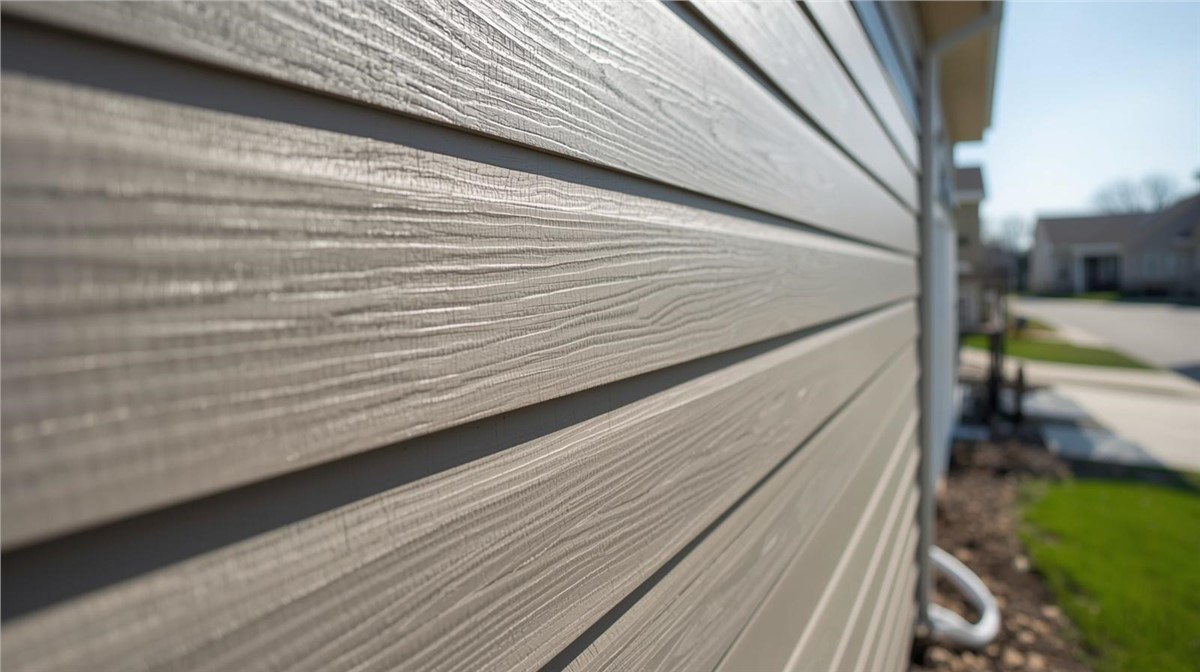
Siding Integration
Improper siding-to-roof transitions can allow water intrusion at wall intersections.
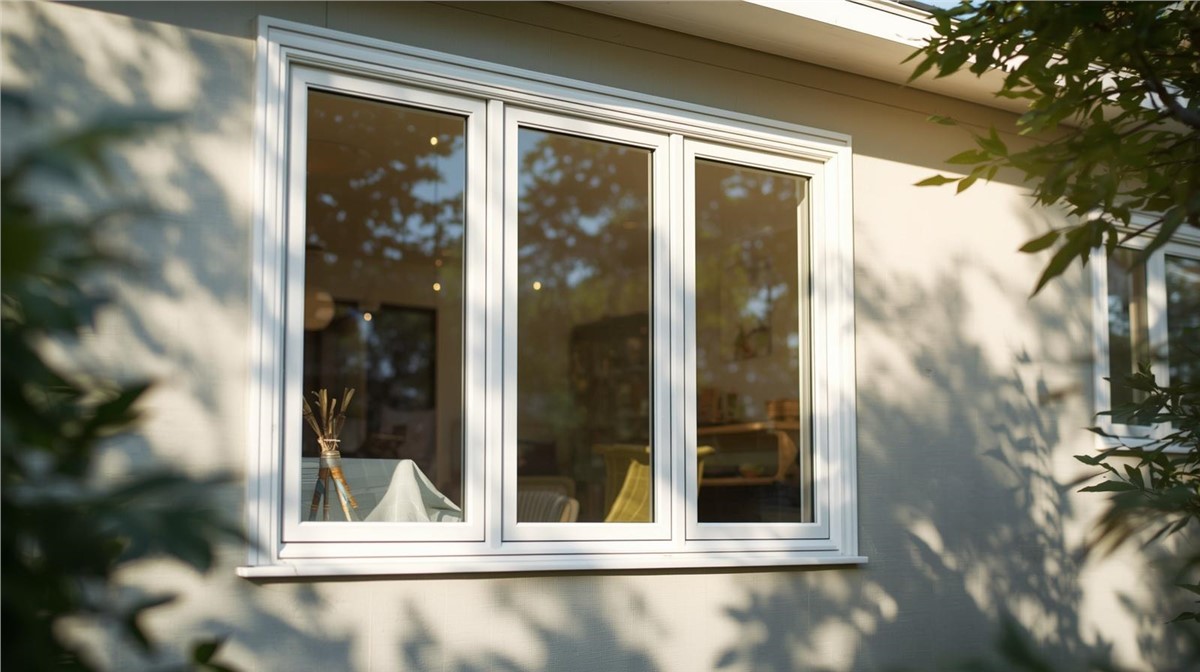
Window Flashing
If water enters around windows, it may appear as a roof leak. Proper flashing integration is critical.
Energy Efficiency
Poor ventilation or insulation can increase heating and cooling costs — especially during Illinois’ temperature extremes.
A roof inspection is not just about stopping leaks; it’s about ensuring your entire home envelope functions efficiently.
How Often Should Illinois Homes Be Inspected?
Recommended guidelines:
Once per year
After major hail or windstorms
Before selling a home
When buying an older property
If your roof is 15+ years old
Older roofs require closer monitoring due to material aging and weather exposure.
Signs You Should Schedule an Inspection Immediately
Contact a professional if you notice:
Water stains on ceilings
Missing shingles
Sagging areas
Granules in gutters
Rising energy bills
Ice dams forming in winter
Prompt action can prevent more costly repairs later.
What a Professional Roof Inspection Is Not
It’s not:
A high-pressure sales visit
A quick visual check from the driveway
A one-size-fits-all evaluation
A thorough inspection should be educational, informative, and focused on protecting your home — not pushing unnecessary services.
Frequently Asked Questions
1. How long does a professional roof inspection take?
Most inspections take 45–90 minutes, depending on roof size, complexity, and attic accessibility.
2. Do I need an inspection if my roof isn’t leaking?
Yes. Many roofing issues develop before visible leaks occur. Early detection prevents larger damage.
3. Will an inspection determine if I need a full roof replacement?
It can. A professional will assess overall condition and provide honest recommendations based on material age and performance.
4. Are roof inspections necessary after hailstorms?
Absolutely. Hail damage is often subtle and may not cause immediate leaks but can shorten the roof’s lifespan.
Peace of Mind for Illinois Homeowners
Your roof quietly works through every Midwest storm, snow event, and summer heat wave. A professional inspection ensures it continues performing reliably.
At Huskie Exteriors, we believe in thorough, transparent evaluations that help homeowners make confident decisions. Whether your roof is aging, recently weathered a storm, or simply due for routine maintenance, understanding its condition is the first step in protecting your investment.
If you’d like reassurance about your roof’s health — or guidance on next steps — consider scheduling a professional inspection with Huskie Exteriors. Our team understands Illinois homes and the unique challenges they face throughout the seasons.
Subscribe to Huskie Exteriors's Blog





Comments