Older homes across Illinois have character, craftsmanship, and history — but they also face unique roofing challenges. Decades of exposure to Midwest weather, combined with aging materials and outdated installation methods, can make older roofs more vulnerable to leaks.
If you live in a home built 20, 30, or even 50+ years ago, understanding where roof leaks typically begin can help you prevent serious damage.
In Illinois, most roof leaks in older homes start at flashing, penetrations, and aging material transitions — not in the middle of shingles.
At Huskie Exteriors, we work with homeowners throughout Illinois to identify leak sources early and protect their homes from costly structural damage. Here’s what you need to know.
Why Older Illinois Homes Are More Vulnerable to Roof Leaks
Illinois weather is demanding:
Heavy spring rainstorms
Wind-driven downpours
Humid summers
Snow accumulation
Ice dams
Freeze–thaw cycles
Hail events
Over time, these conditions cause roofing materials to expand, contract, crack, and deteriorate.
Older homes may also have:
Original flashing systems
Multiple roofing layers
Outdated ventilation
Aging decking beneath shingles
These factors increase the likelihood of water intrusion.
1. Failing Flashing Around Chimneys
Chimneys are one of the most common leak sources in older homes.
Flashing — the metal installed where the roof meets the chimney — is designed to create a watertight seal. Over time, flashing can:
Rust
Separate from masonry
Crack at joints
Lose sealant adhesion
In older Illinois homes, step flashing and counter flashing may not meet modern installation standards.
During heavy rain or snowmelt, water can slip behind compromised flashing and enter the attic or wall cavity.
2. Roof-to-Wall Transitions
Where a roof meets a vertical wall (such as dormers or second-story walls), step flashing is critical.
Older homes often lack proper:
Kick-out flashing
Integrated house wrap transitions
Drip edge installation
Without these components, water running down siding can move behind shingles and penetrate the roof deck.
Wind-driven Midwest rain makes this problem worse.
3. Aging or Curling Shingles
As asphalt shingles age, they lose flexibility. In Illinois’ climate, repeated freeze–thaw cycles accelerate deterioration.
Common issues include:
Curling edges
Cracking
Granule loss
Exposed nail heads
While leaks rarely start in the center of intact shingles, damaged or lifted shingles allow wind-driven rain to reach underlayment and decking.
If your shingles are 20+ years old, they may be nearing the end of their effective lifespan.
4. Ice Dam Damage
Ice dams are a major issue in Illinois winters.
They form when:
Heat escapes through the attic.
Snow melts on the roof.
Water refreezes at the colder eaves.
The resulting ice barrier prevents proper drainage, forcing water back under shingles.
Older homes often lack sufficient attic insulation and ventilation, increasing ice dam risk.
Leaks caused by ice dams may appear far from the roof edge, making them harder to trace.
5. Vent Pipe and Roof Penetration Failures
Every penetration in your roof is a potential leak point.
Common penetrations include:
Plumbing vent pipes
Furnace vents
Bathroom exhaust vents
Skylights
The rubber boots or flashing collars around vent pipes degrade over time, especially under UV exposure and extreme temperature swings.
Once cracked, water can follow the pipe directly into your attic.
6. Skylight Leaks
Skylights installed decades ago may lack modern flashing systems and energy-efficient seals.
Common issues include:
Deteriorated flashing
Seal failure between glass panes
Improper curb installation
Older skylights are also less energy efficient, which can increase condensation and moisture buildup inside the home.
7. Improperly Installed or Missing Drip Edge
Many older Illinois homes were built before drip edge flashing became standard practice.
Drip edge directs water into gutters and prevents it from running behind fascia boards.
Without it, water can:
Rot fascia
Damage soffits
Seep beneath roofing materials
Over time, this hidden damage weakens structural components.
8. Multiple Roofing Layers
Some older homes have two or even three layers of shingles.
While building codes sometimes allow a second layer, multiple layers can:
Trap moisture
Add excess weight
Prevent proper inspection of decking
Hide soft spots
Leaks can develop between layers and remain undetected for extended periods.
Warning Signs of a Roof Leak in Older Homes
Roof leaks aren’t always obvious at first. Watch for:
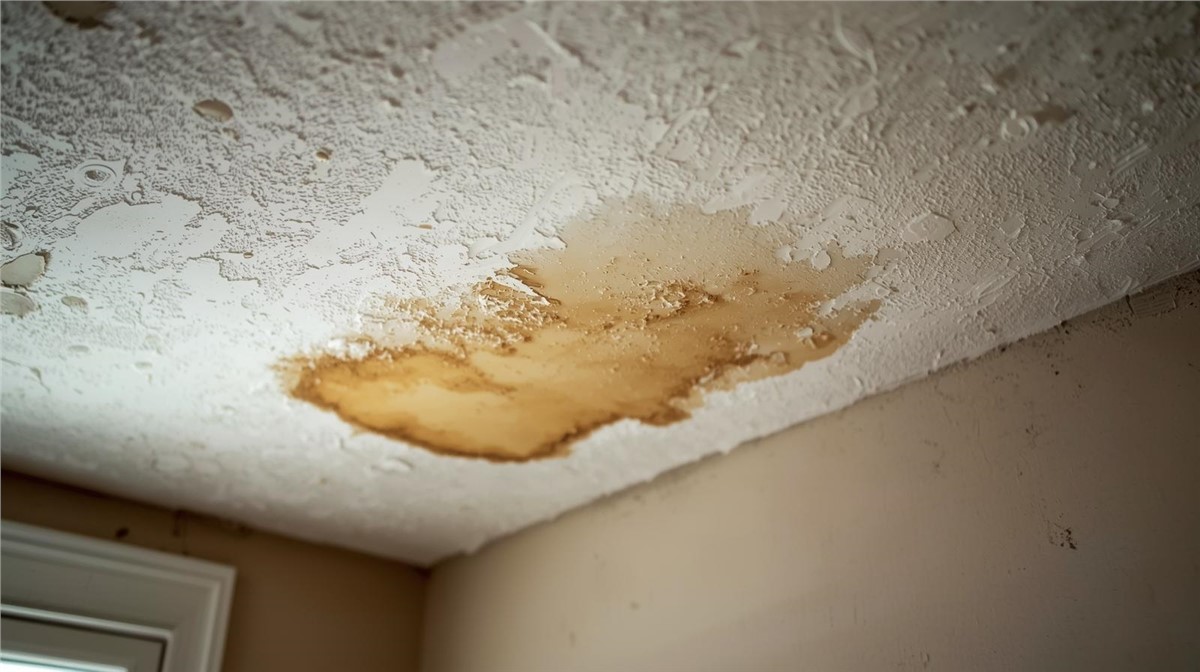
Water stains on ceilings
Peeling paint
Bubbling drywall
Musty attic odors
Mold growth
Damp insulation
Increased energy bills
Wet insulation loses R-value, making your home less energy efficient — especially noticeable during Illinois’ hot summers and cold winters.
Long-Term Consequences of Ignoring Roof Leaks
Small leaks rarely stay small.
Over time, untreated roof leaks can lead to:
Rotting roof decking
Structural framing damage
Mold growth
Insulation deterioration
Interior drywall replacement
Electrical hazards
In severe cases, full roof replacement and structural repairs may be necessary.
Early detection saves significant cost.
How Roofing, Gutters, and Siding Work Together
Your roofing system is connected to your entire exterior envelope.
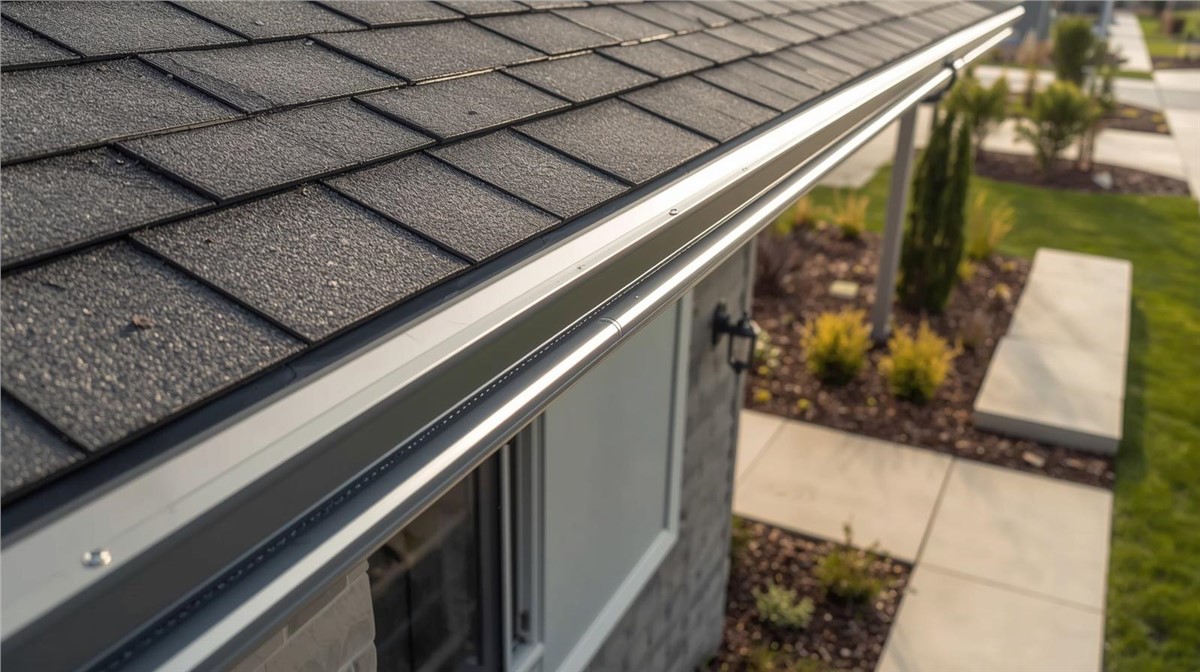
Gutters
Overflowing or clogged gutters can push water beneath shingles at the roof edge.
Siding
Improper siding installation at roof-to-wall intersections can channel water into roofing materials.
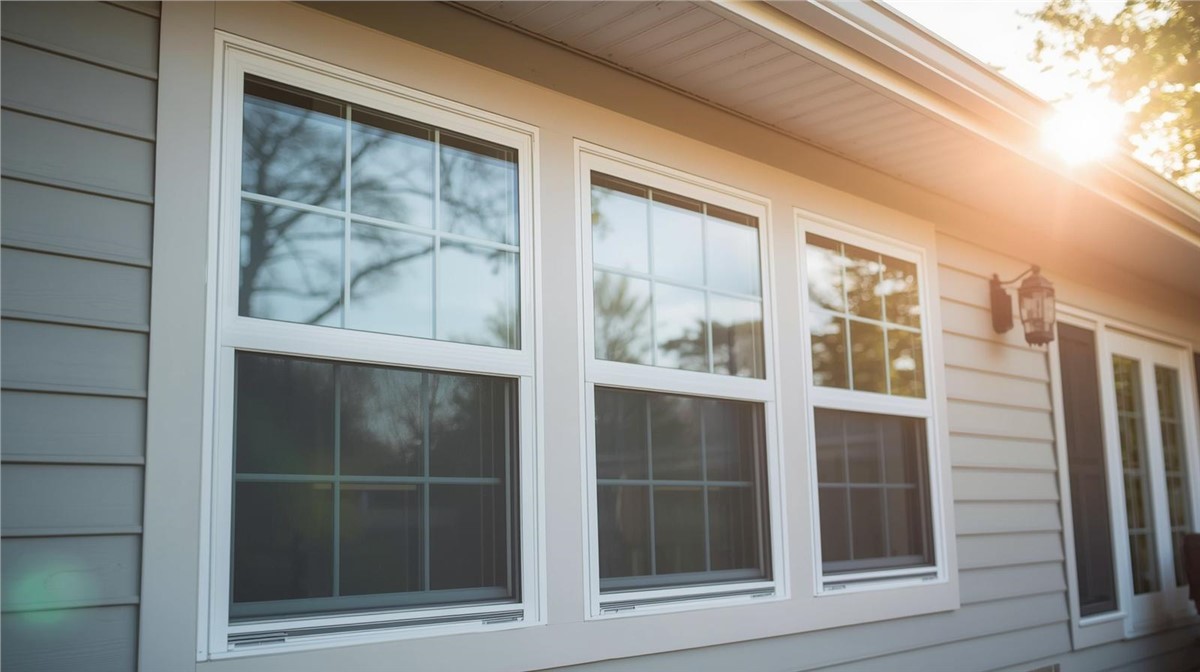
Windows
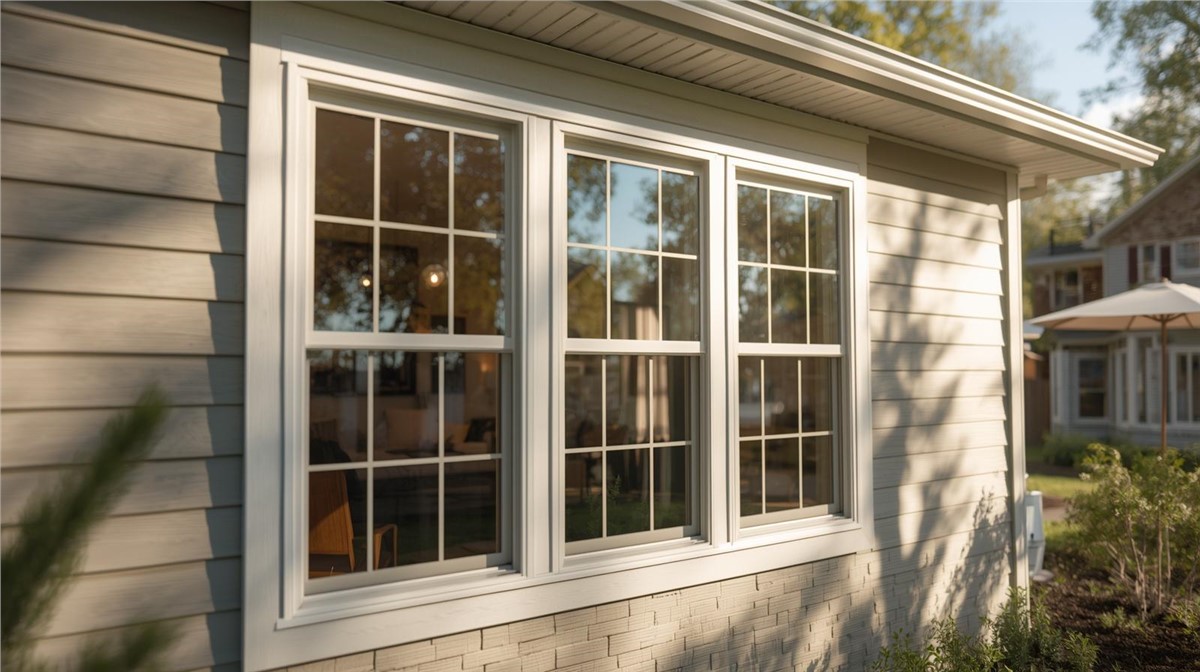
Poor window flashing can allow water into wall cavities, which may appear as a roof leak.
A system-wide evaluation is often necessary to determine the true source.
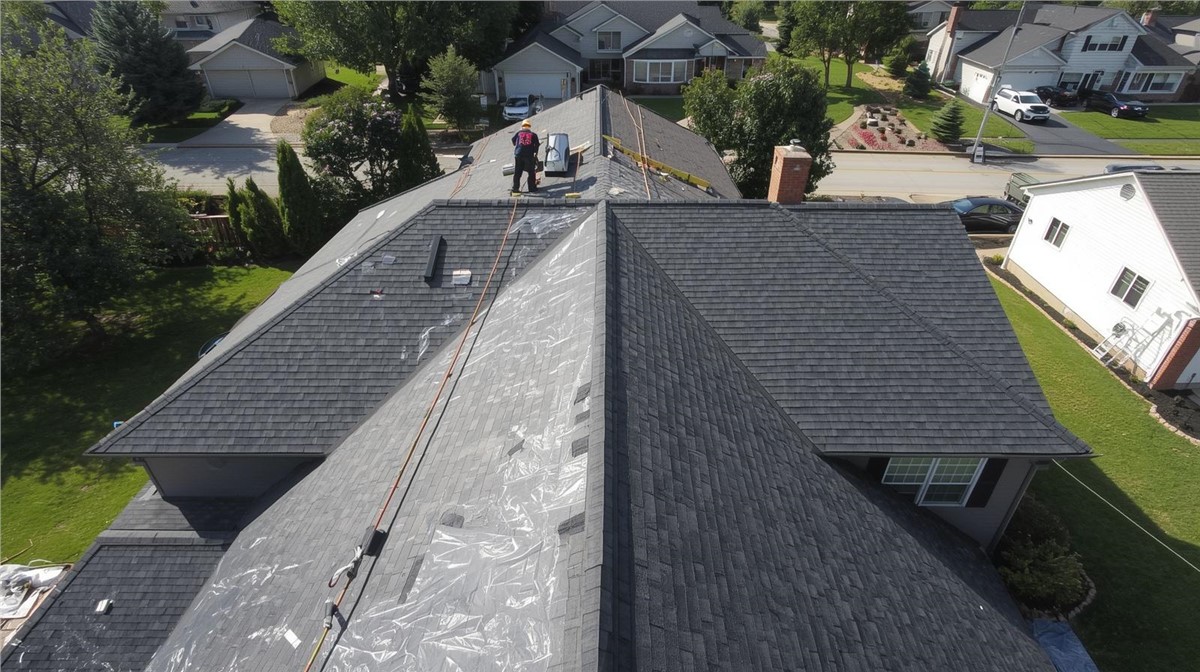
When Should Older Illinois Homes Consider Roof Replacement?
If your roof is:
20–25+ years old
Experiencing repeated leak repairs
Showing widespread shingle deterioration
Lacking modern flashing protection
It may be time for a professional assessment.
Modern roofing systems offer:
Improved underlayment protection
Better ventilation integration
Ice and water shield membranes
Enhanced wind resistance
Improved energy performance
Upgrading provides both protection and efficiency.
Frequently Asked Questions
1. Why do roof leaks in older homes seem hard to find?
Water travels along rafters and decking before dripping. The visible interior stain may not align directly with the exterior leak source.
2. Can I repair flashing without replacing the entire roof?
In some cases, yes. If shingles are still in good condition, localized flashing repairs may resolve the issue.
3. Are ice dams more common in older homes?
Yes. Older homes often lack proper attic insulation and ventilation, increasing the risk of ice dam formation.
4. How often should older roofs be inspected in Illinois?
At least once per year — and after major storms — to catch minor issues before they worsen.
Protecting Your Home’s History and Structure
Older Illinois homes deserve careful, knowledgeable care. While aging roofs naturally become more vulnerable to leaks, proactive maintenance and proper installation techniques can extend performance and prevent structural damage.
At Huskie Exteriors, we understand the unique construction styles and weather challenges facing Midwest homes. Our approach focuses on identifying root causes — not just surface symptoms.
If you’ve noticed water stains, suspect flashing issues, or simply want peace of mind about your aging roof, a professional inspection can provide clarity.
Schedule a consultation with Huskie Exteriors and ensure your home is protected — season after season, storm after storm.
Subscribe to Huskie Exteriors's Blog






Comments