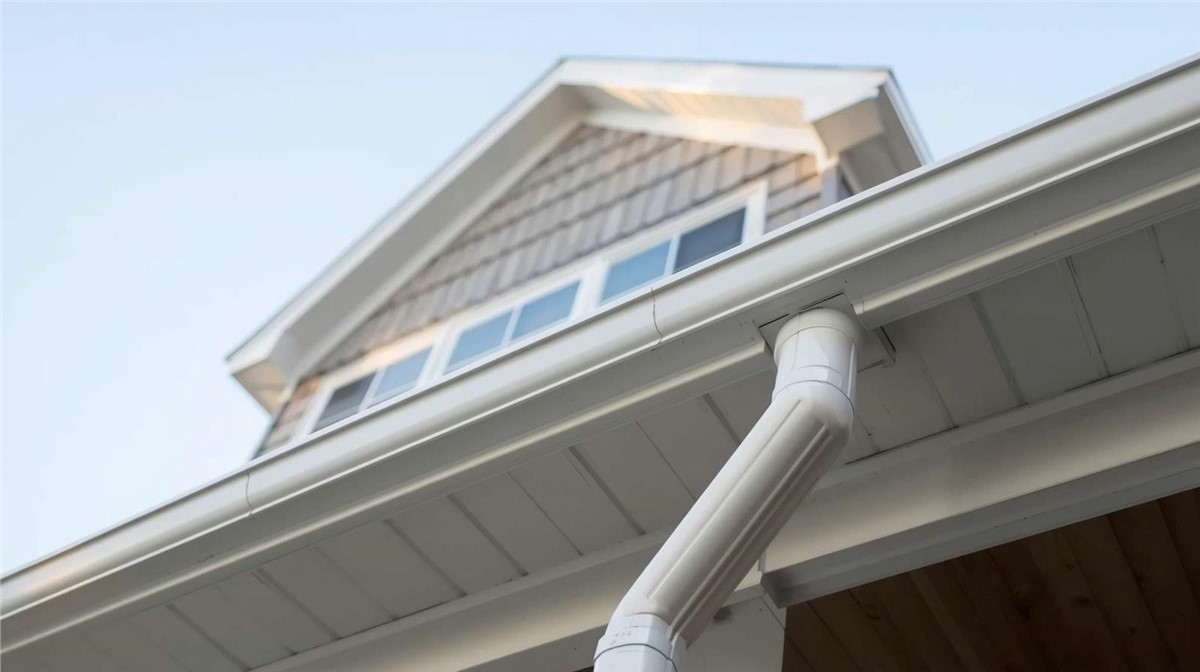
Illinois weather is demanding. From heavy spring downpours and humid summers to falling leaves, ice buildup, and freeze–thaw cycles, your home’s exterior takes a beating year-round. While roofing and siding often get the most attention, your gutter system quietly does one of the most important jobs: controlling water.
One of the most common questions we hear from Illinois homeowners is:
How long do seamless gutters really last in Midwest conditions — and what affects their lifespan?
At Huskie Exteriors, we specialize in full-service exterior protection, and we’ve seen firsthand how proper gutter systems protect foundations, siding, roofing edges, and landscaping. Let’s break down what you can realistically expect from seamless gutters in Illinois and how to maximize their lifespan.
What Are Seamless Gutters?
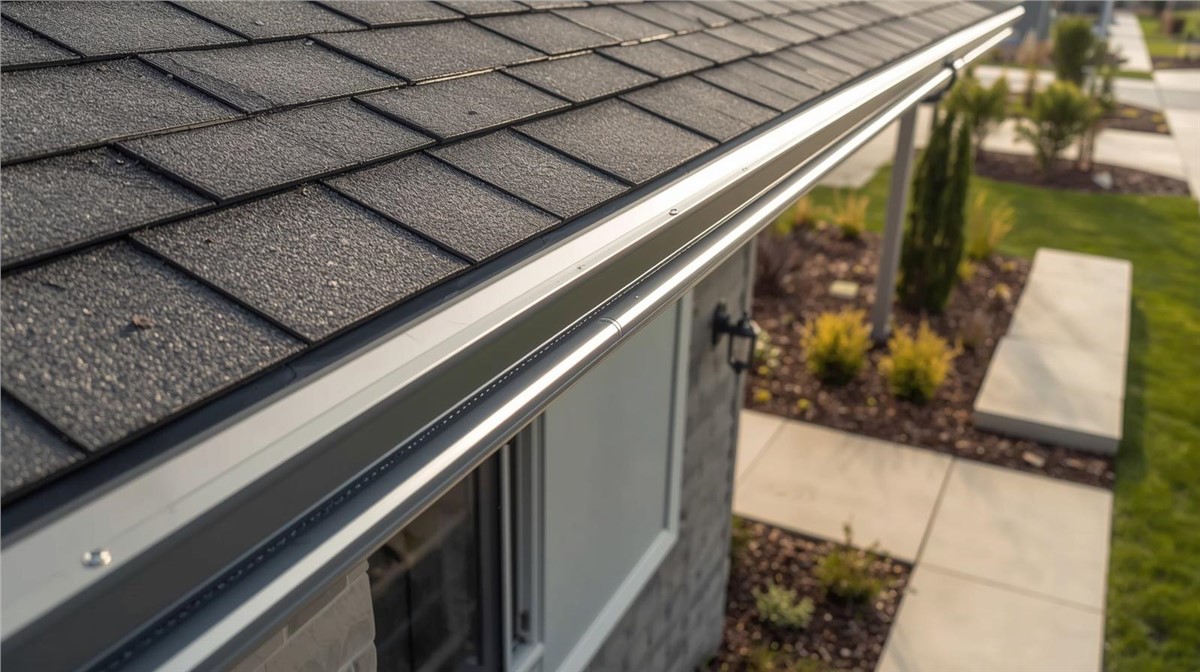
Unlike sectional gutters that are pieced together in multiple segments, seamless gutters are custom-fabricated on-site to fit the exact dimensions of your home. They have joints only at corners and downspouts.
Fewer seams mean:
Fewer leak points
Reduced clogging
Improved durability
Cleaner appearance
Because of these advantages, seamless systems are now the standard choice for most Illinois homes.
Average Lifespan of Seamless Gutters in the Midwest
In general, seamless gutters last:
Aluminum: 20–30 years
Steel: 15–25 years
Copper: 40–50+ years
In Illinois, most residential seamless systems are made from aluminum due to its balance of durability, affordability, and resistance to rust.
However, lifespan depends heavily on maintenance, installation quality, and exposure to Midwest weather conditions.
How Midwest Weather Impacts Gutter Longevity
Illinois climate conditions can either preserve or shorten the life of your gutters.
1. Freeze–Thaw Cycles
When water freezes inside gutters, it expands. Repeated freezing and thawing can:
Stress seams and fasteners
Warp sections
Pull gutters away from fascia boards
Proper slope and winter preparation reduce this strain.
2. Heavy Rainstorms
Spring and summer storms in Illinois can dump significant rainfall in a short period. Undersized or improperly pitched systems may overflow, increasing wear and structural stress.
High-capacity 5” or 6” seamless systems are often better suited for Midwest rainfall intensity.
3. Snow and Ice Loads
Accumulated snow along roof edges adds weight to gutter systems. Without proper support brackets and secure attachment, sagging can occur over time.
Roof condition also matters — damaged shingles or missing drip edge can allow water to run behind gutters, weakening fascia boards.
4. Tree Debris in Fall
Leaves and twigs clog gutters, trapping moisture inside. Standing water accelerates corrosion and increases weight stress on hangers.
Regular cleaning or gutter guards significantly extend system lifespan.
Installation Quality Matters More Than Material Alone
Even high-quality aluminum gutters can fail prematurely if installed incorrectly.
Key factors include:
Proper pitch toward downspouts
Secure fastening into structural framing
Correct spacing of hangers
Proper drip edge integration
Adequate downspout sizing
A poorly installed system may last half as long as a properly installed one.
Seamless fabrication helps eliminate joint failures, but craftsmanship still determines long-term performance.
Signs Your Seamless Gutters May Be Nearing Replacement
Even durable systems eventually show wear. Watch for:
Visible cracks or splits
Persistent leaks at corners
Sagging sections
Peeling paint or oxidation
Rust spots (steel systems)
Water pooling near foundation
Separation from fascia boards
If you notice recurring overflow during storms, your system may be undersized or deteriorating.
How Gutters Affect Other Exterior Systems
Seamless gutters don’t work in isolation. They directly impact:
Roofing Edges
Without proper gutters, roof runoff can damage shingles, fascia boards, and soffits.
Drip edge flashing ensures water flows into gutters instead of behind them.
Siding Protection
Overflowing gutters saturate siding repeatedly. Over time, moisture can work behind panels and compromise insulation and wall framing.
Foundation Stability
Uncontrolled roof runoff contributes to soil expansion and contraction — a major issue for Illinois foundations, particularly in clay-heavy soil.
A well-functioning gutter system helps preserve your entire exterior envelope.
How to Extend the Life of Seamless Gutters
If properly maintained, aluminum seamless gutters can easily reach or exceed 25 years in Illinois.
Here’s how:
1. Clean Gutters Twice Per Year
At minimum:
Late spring
Late fall
More often if your property has mature trees.
2. Install Gutter Guards
Quality gutter guards reduce debris buildup and minimize maintenance frequency.
3. Check Downspout Extensions
Water should discharge at least 4–6 feet away from the foundation to prevent soil erosion and hydrostatic pressure.
4. Inspect After Major Storms
Illinois storms can loosen fasteners or dent gutters. Quick inspections help prevent small issues from worsening.
5. Ensure Proper Attic Ventilation
Ice dams caused by poor ventilation can overload gutters during winter. A balanced roofing system reduces this risk.
Are Seamless Gutters Worth the Investment?
Compared to sectional systems, seamless gutters:
Last longer
Require fewer repairs
Offer improved performance
Reduce leak points
Enhance curb appeal
For Midwest homeowners dealing with seasonal extremes, seamless systems are often the most reliable long-term solution.
Frequently Asked Questions
1. Do seamless gutters last longer than sectional gutters?
Yes. Because they have fewer joints, seamless gutters reduce common failure points and typically last longer with proper maintenance.
2. How often should seamless gutters be replaced in Illinois?
Aluminum seamless gutters generally last 20–30 years in Midwest conditions, depending on installation quality and maintenance.
3. Can seamless gutters handle heavy Midwest storms?
When properly sized and installed, yes. Larger 5” or 6” systems are often recommended for Illinois rainfall intensity.
4. What shortens the life of gutters the most?
Poor installation, clogged debris, improper slope, and ice dam buildup are the most common causes of premature gutter failure.
Protecting Your Illinois Home for the Long Term
Seamless gutters are more than a convenience — they’re a critical component of your home’s protection system.
In Illinois, where seasonal shifts and storm activity are constant, investing in a properly installed and maintained seamless gutter system can protect:
Your foundation
Your siding
Your roofing edges
Your landscaping
Your long-term home value
At Huskie Exteriors, we take a comprehensive approach to exterior systems. Whether you’re evaluating aging gutters or planning a full exterior upgrade, our team focuses on durable solutions designed for Midwest conditions.
If you’re unsure about the age or performance of your current gutters, a professional inspection can help you understand your options and avoid preventable damage.
Schedule a consultation with Huskie Exteriors to ensure your home’s drainage system is built to withstand Illinois weather for decades to come.
Subscribe to Huskie Exteriors's Blog






Comments