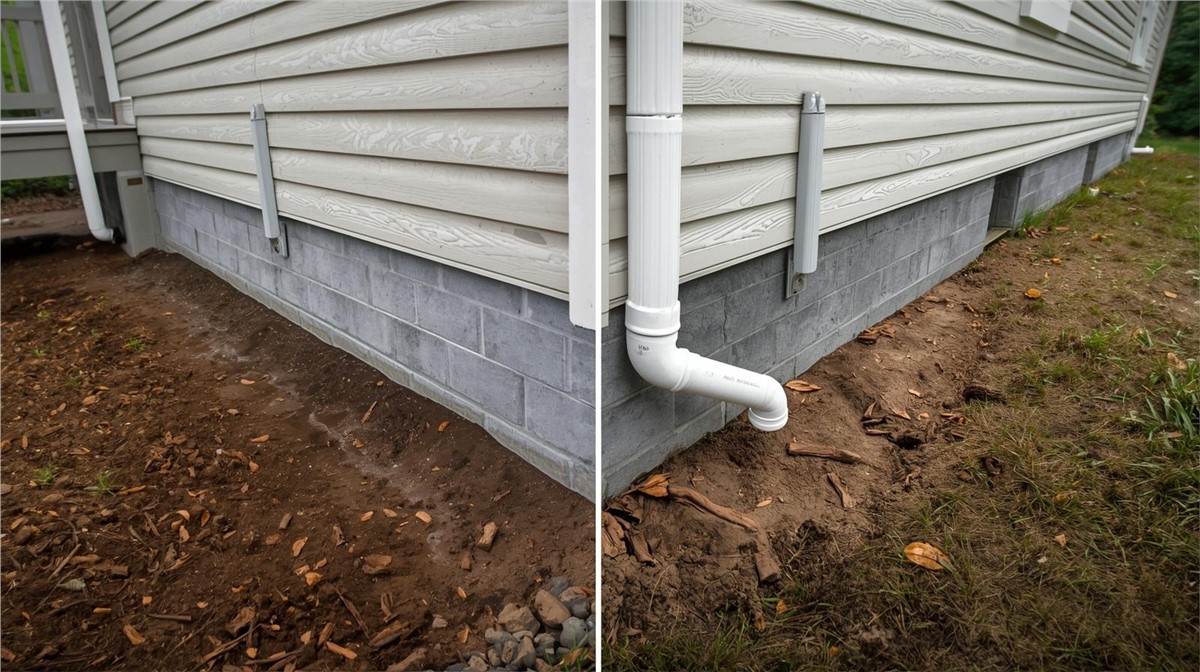
In Illinois, your home’s foundation faces year-round challenges — heavy spring rains, intense summer storms, falling leaves, snow buildup, and freeze–thaw cycles that put constant pressure on the soil around your home.
Many homeowners don’t immediately connect their gutter system to their foundation’s health. But the truth is simple:
Properly installed and maintained gutters are one of the most important defenses against foundation damage in Illinois.
At Huskie Exteriors, we help homeowners understand how roofing, siding, windows, and gutters all work together as a system. Your gutters don’t just protect your siding — they play a major role in protecting what your entire home rests on.
Let’s take a closer look at how gutters prevent foundation damage, what can go wrong, and what Illinois property owners should watch for.
Why Foundation Damage Is a Serious Concern in Illinois
Illinois soil — particularly clay-heavy soil common throughout the region — expands when wet and contracts when dry. This constant movement puts stress on foundations.
Combine that with:
Spring thunderstorms
Sudden downpours
Snowmelt runoff
Ice dams
Freeze–thaw cycles
Poor drainage grading
And you have a recipe for foundation movement.
When water consistently pools near your home’s base, it increases hydrostatic pressure against the foundation walls. Over time, this pressure can lead to:
Cracks in foundation walls
Basement leaks
Shifting or settling
Uneven floors
Structural damage
The key to prevention? Managing roof runoff effectively.
How Gutters Protect Your Foundation
Your roof collects thousands of gallons of water every year. Without gutters, that water would fall directly at the base of your home.
Here’s how gutters prevent damage:
1. Directing Water Away from the Foundation
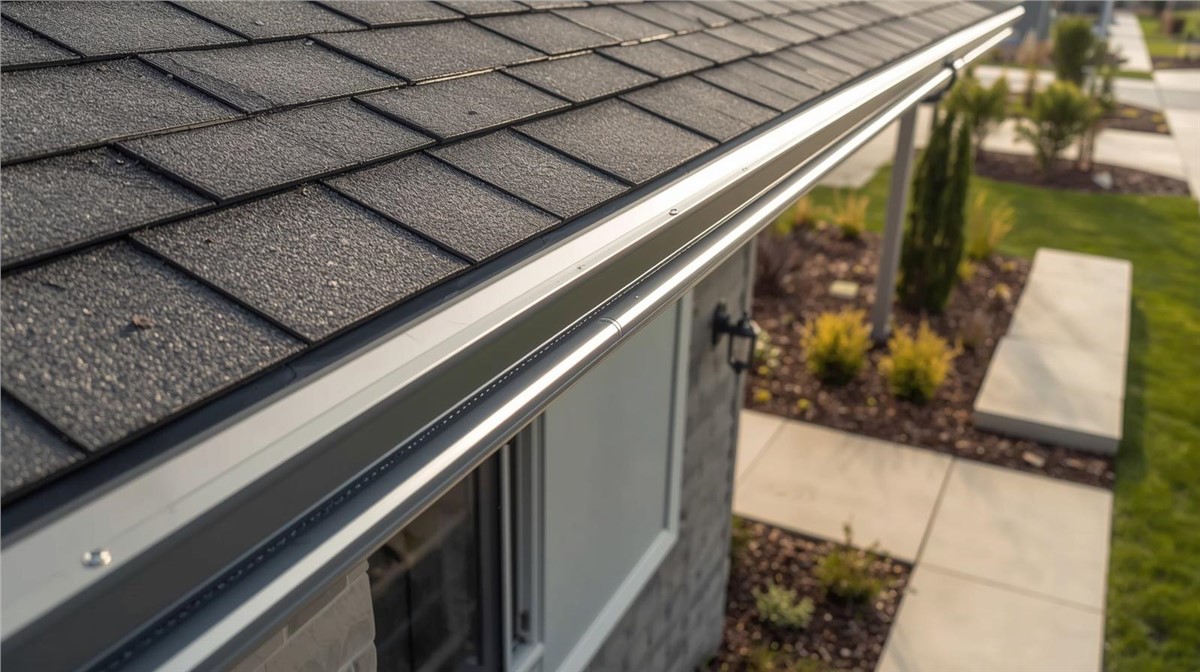
Gutters collect rainwater from your roof and channel it into downspouts. Those downspouts then carry water safely away from the home’s perimeter.
When functioning properly, they prevent:
Soil saturation around the foundation
Erosion of landscaping
Water pooling near basement walls
In heavy Illinois storms, this redirection is critical.
2. Reducing Soil Expansion and Contraction
Excess moisture causes clay soil to swell. When it dries, it shrinks. That repeated movement creates stress on your foundation.
By controlling roof runoff, gutters help stabilize soil moisture levels around your home — especially important during wet springs followed by dry summer heat.
3. Preventing Basement and Crawl Space Water Intrusion
When water pools near the foundation, it looks for entry points. Small cracks can become pathways for:
Seepage
Mold growth
Interior humidity issues
Properly functioning gutters significantly reduce this risk.
4. Protecting Siding and Structural Framing
Overflowing gutters don’t just impact foundations — they can also saturate siding and wall systems. Over time, this leads to moisture intrusion behind siding and further structural complications.
Your gutter system is a first line of defense for multiple components of your home.
What Happens When Gutters Fail?
Illinois homeowners often don’t notice gutter problems until signs of foundation damage appear.
Here are common failure points:
Clogged Gutters
Leaves, twigs, and debris block water flow. When water can’t move through gutters properly, it overflows directly at the base of the home.
Improper Gutter Pitch
If gutters aren’t sloped correctly, water pools inside rather than draining toward downspouts.
Short or Missing Downspout Extensions
Downspouts that discharge too close to the home allow water to collect near the foundation instead of dispersing safely away.
Undersized Gutter Systems
During Midwest downpours, standard systems may be overwhelmed. Oversized or high-capacity gutters are often better suited for Illinois storm intensity.
Winter Ice Dams
Snow buildup and freezing temperatures can cause ice dams along the roof edge. When melting snow backs up, water can spill over gutter edges or seep under roofing materials, eventually reaching the foundation.
Warning Signs of Foundation Risk from Poor Drainage
Watch for these early indicators:
Water pooling near the foundation after rain
Soil erosion or trenches beneath rooflines
Basement dampness or musty odors
Visible cracks in foundation walls
Uneven floors or sticking doors
Overflowing gutters during storms
If you see these signs, it’s wise to evaluate both your drainage system and your foundation before the issue escalates.
How Roofing, Siding, and Windows Connect to Drainage
Your home’s exterior systems work together.
Roofing Performance
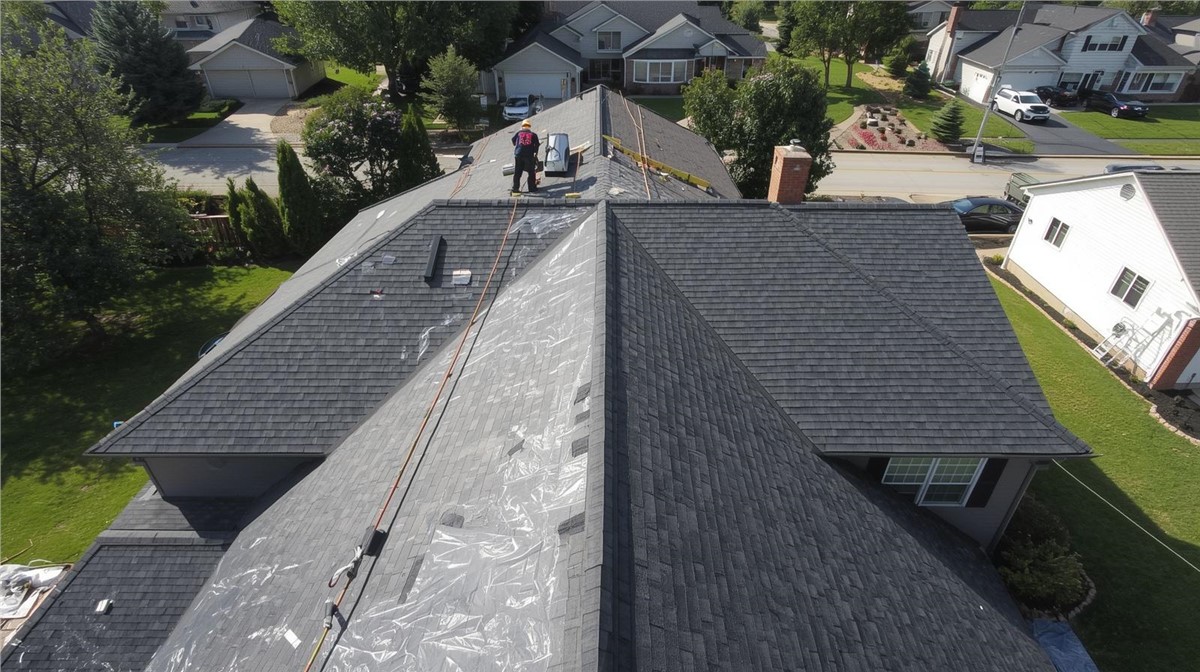
Proper roof installation ensures water flows efficiently into gutters. Missing drip edge or poorly aligned shingles can cause water to run behind gutters instead of into them.
Siding Protection
When gutters overflow, siding absorbs repeated saturation. Over time, this can lead to moisture behind siding and structural damage within wall cavities.
Window Integrity
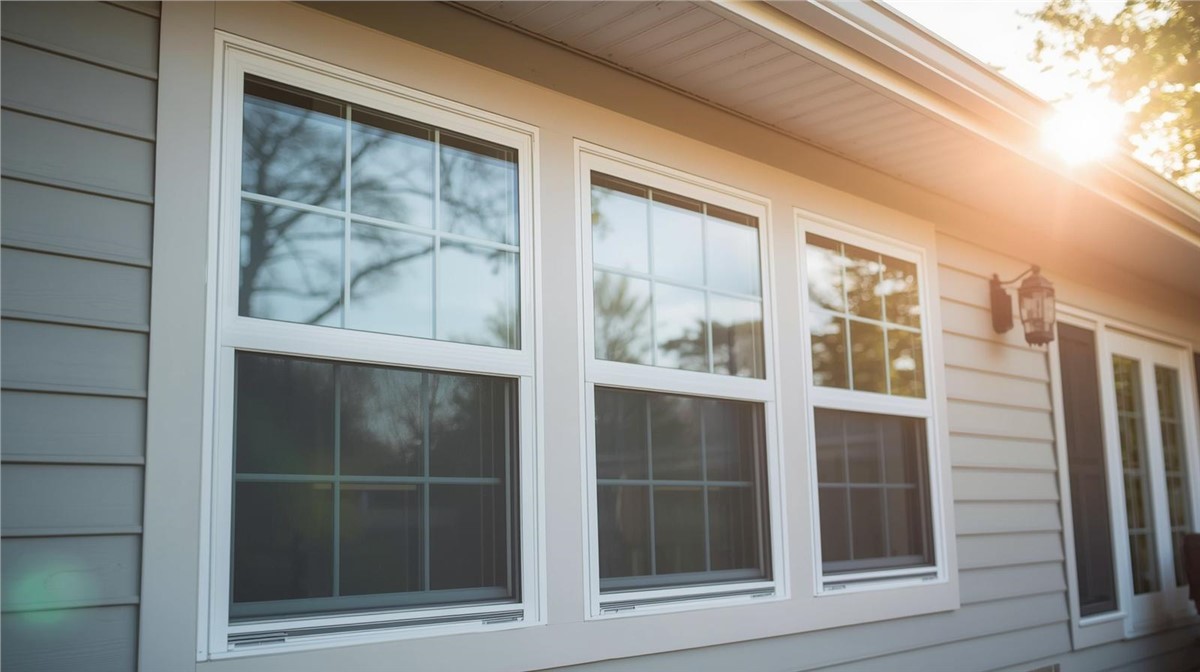
Improper drainage can increase exterior wall moisture, which may eventually affect window framing and seals — reducing energy efficiency and comfort inside the home.
When exterior components are installed correctly and integrated properly, they support one another.
Seasonal Challenges for Illinois Homes
Spring
Heavy rains test gutter capacity and downspout drainage.
Summer
Sudden, intense thunderstorms can overwhelm undersized systems.
Fall
Falling leaves cause clogs and blockages.
Winter
Snow and ice buildup strain gutters and can create dangerous ice dams.
Year-round maintenance matters in a Midwest climate.
How to Ensure Your Gutters Are Protecting Your Foundation
1. Schedule Routine Cleaning
At minimum:
Once in late spring
Once in late fall
Homes surrounded by trees may require more frequent cleaning.
2. Check Downspout Extensions
Water should discharge at least 4–6 feet away from your foundation. In some cases, underground drainage systems provide even better protection.
3. Upgrade to Seamless Gutters
Seamless systems reduce leak points and improve long-term durability — especially beneficial during Illinois’ freeze–thaw cycles.
4. Consider Gutter Guards
Gutter guards reduce clogging and maintenance frequency, particularly for properties with mature trees.
5. Ensure Proper Roof-to-Gutter Integration
Drip edge flashing helps channel water directly into the gutter instead of behind it. Proper installation prevents hidden water damage along fascia boards.
Long-Term Consequences of Ignoring Drainage Issues
If left unaddressed, poor gutter performance can lead to:
Expensive foundation repairs
Basement waterproofing costs
Structural framing damage
Mold remediation
Landscape erosion
Decreased home value
Foundation repairs are significantly more costly than preventative gutter maintenance.
Frequently Asked Questions
1. Can gutters alone prevent foundation damage?
Gutters are a major component, but they must work alongside proper grading, drainage, and foundation waterproofing. Together, these systems protect your home.
2. How far should downspouts extend from my home?
Ideally, water should discharge at least 4–6 feet away from the foundation to prevent soil saturation.
3. Are larger gutters better for Illinois homes?
In many cases, yes. High-capacity systems handle Midwest storm intensity more effectively, reducing overflow risk.
4. How often should gutters be inspected?
At least twice per year — and after major storms — to ensure proper function and identify damage early.
Protect Your Home from the Ground Up
Foundation issues rarely begin with visible cracks. Often, they start with something much simpler — uncontrolled water.
In Illinois, where seasonal weather extremes are the norm, a properly functioning gutter system is one of the most practical investments you can make to protect your home’s structure.
At Huskie Exteriors, we take a system-based approach to exterior protection. Roofing, siding, windows, and gutters all play a role in long-term performance and energy efficiency.
If you’ve noticed drainage concerns, overflow during storms, or early signs of foundation stress, a professional exterior evaluation can provide clarity and peace of mind.
Protect your foundation before small drainage issues become major structural repairs. Schedule a consultation with Huskie Exteriors and ensure your home is ready for whatever Midwest weather brings next.
Subscribe to Huskie Exteriors's Blog






Comments