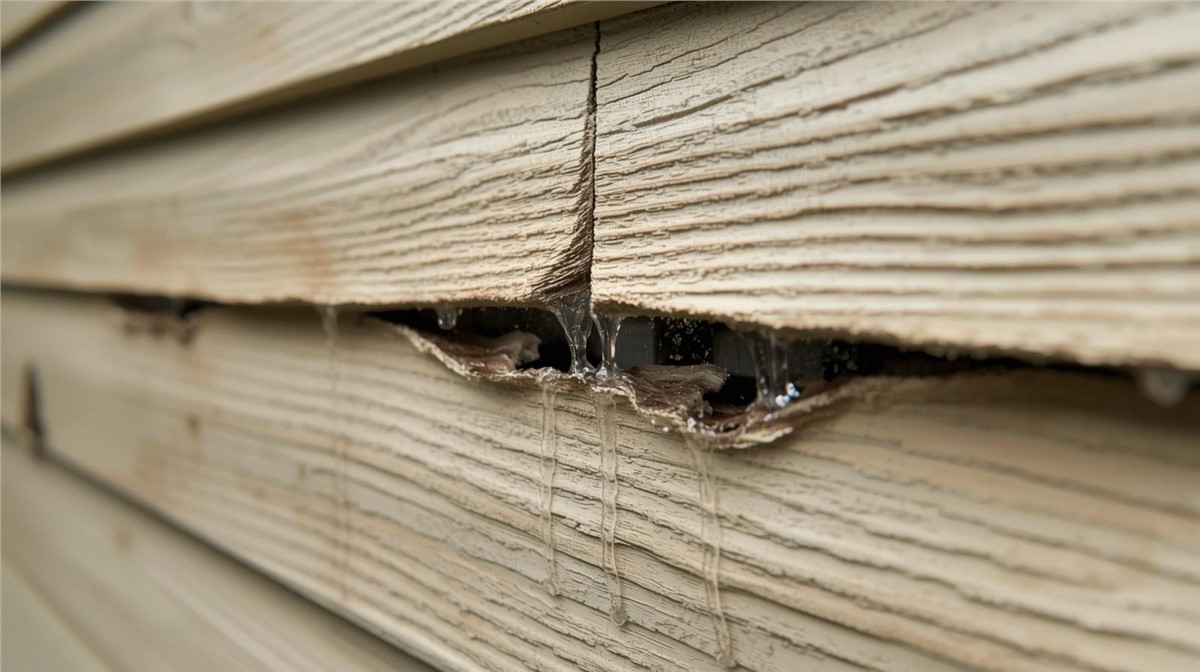
In Illinois, your home’s exterior does more than look good — it stands up to freezing winters, humid summers, wind-driven rain, hailstorms, and dramatic seasonal temperature swings. While siding is designed to protect your home, moisture can still find its way behind it if certain conditions are present.
Moisture behind siding is one of the most common — and most preventable — causes of structural damage in Midwest homes.
At Huskie Exteriors, we work with homeowners across Illinois who are surprised to learn that siding alone isn’t what keeps water out. It’s an entire exterior system working together — roofing, flashing, house wrap, windows, gutters, and ventilation — that protects your home.
This guide explains how moisture gets behind siding, the warning signs to watch for, and how to stop small issues before they become costly repairs.
Why Moisture Behind Siding Is a Serious Issue in Illinois
Illinois weather creates the perfect environment for moisture-related problems:
Heavy spring rains and thunderstorms
Summer humidity
Wind-driven rain
Ice dams in winter
Freeze–thaw cycles
Rapid temperature fluctuations
When water gets trapped behind siding and doesn’t dry properly, it can lead to:
Wood rot
Mold and mildew growth
Insulation damage
Structural deterioration
Reduced energy efficiency
Over time, what starts as minor moisture intrusion can affect framing, sheathing, and even indoor air quality.
How Moisture Gets Behind Siding
1. Wind-Driven Rain
Midwest storms don’t just bring rain — they bring sideways rain. Strong winds can push water up and under siding panels, especially if seams aren’t properly overlapped or flashing is missing.
Vinyl siding, for example, is not fully waterproof by itself. It sheds water, but it relies on a properly installed moisture barrier underneath to prevent infiltration.
2. Missing or Improper Flashing
Flashing is thin metal installed around:
Windows
Doors
Roof-to-wall intersections
Chimneys
Deck attachments
If flashing is poorly installed, damaged, or missing, water can easily enter behind siding.
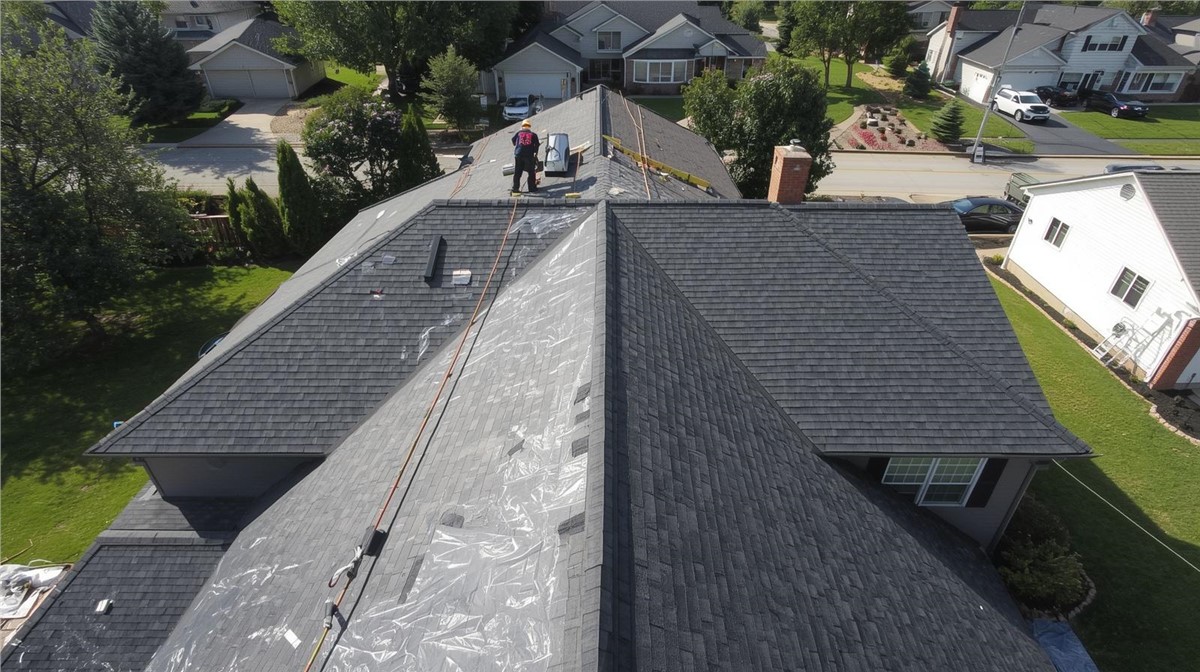
This is particularly common where roofing meets siding. If your roof edge, step flashing, or kick-out flashing isn’t functioning correctly, water can run directly behind the siding and into the wall cavity.
3. Failing Caulk Around Windows and Doors
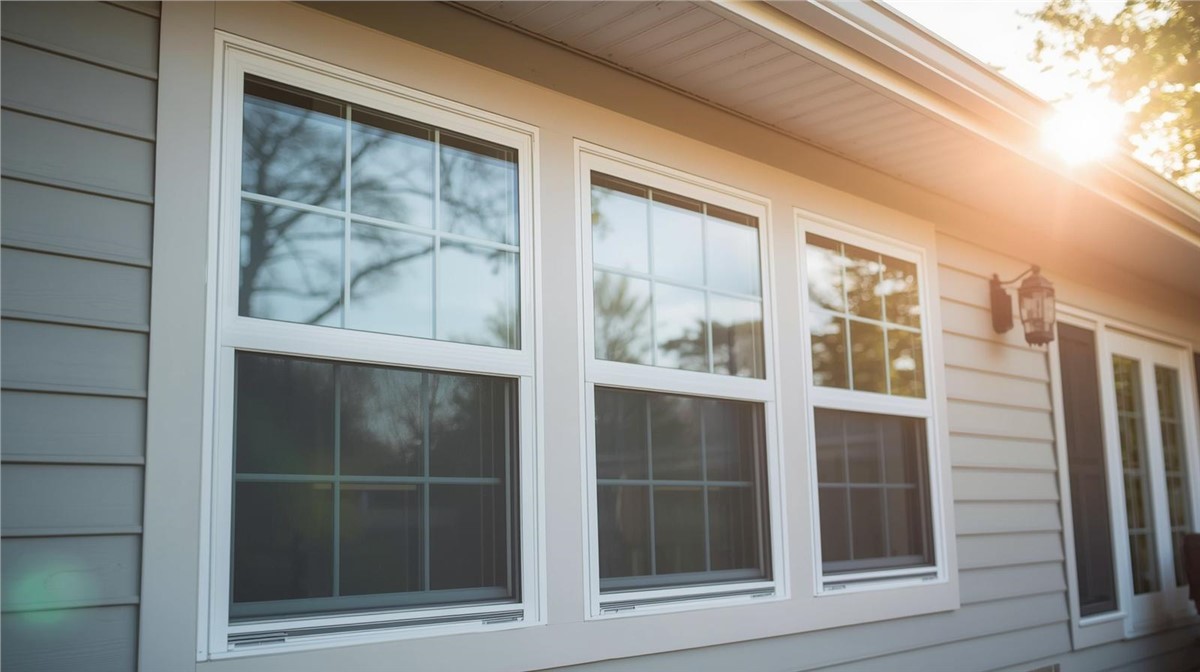
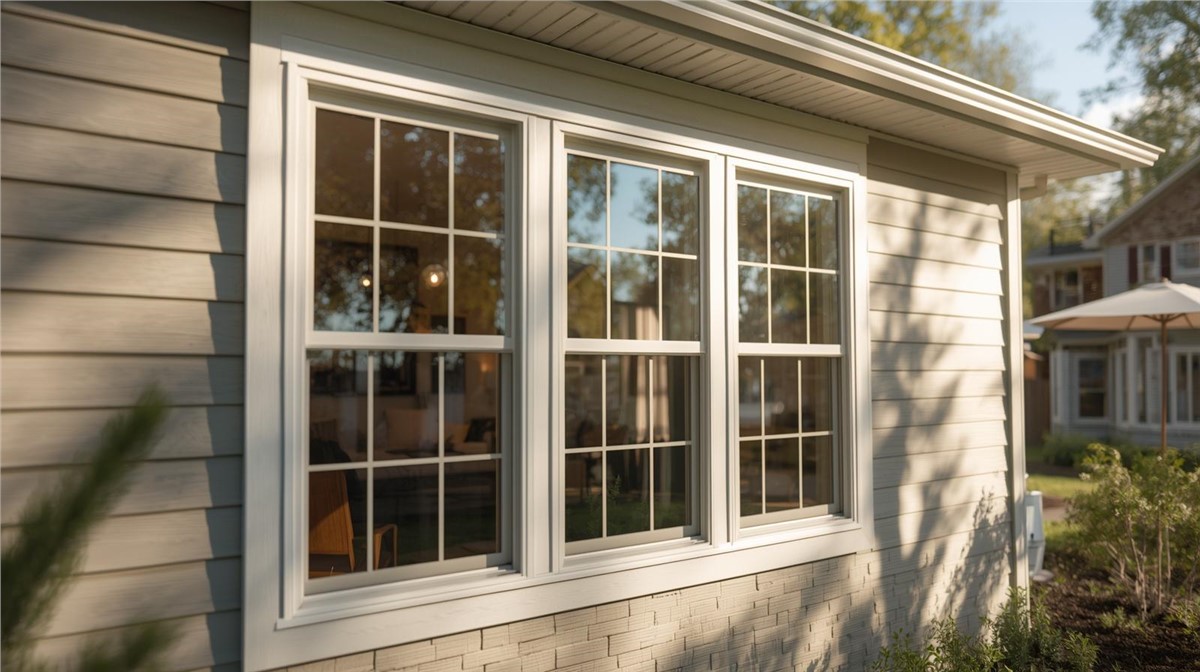
Windows and doors expand and contract during Illinois’ seasonal temperature swings. Over time, caulk can crack or separate.
When that seal breaks, water seeps behind trim and into the wall system. Modern window installations rely on more than caulk alone — they use flashing tape, house wrap integration, and proper drainage channels to prevent intrusion.
If your windows are older, water infiltration around them may also impact energy efficiency and indoor comfort.
4. Clogged or Improperly Sized Gutters
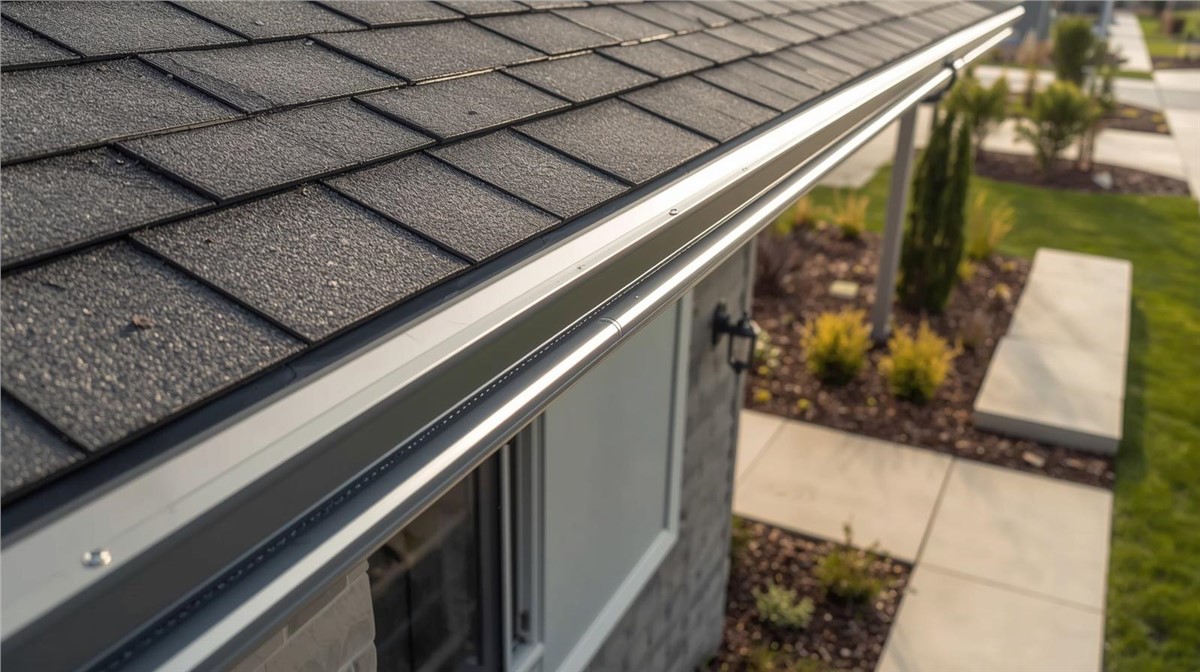
Your gutter system plays a critical role in protecting siding.
When gutters overflow due to clogs or improper pitch:
Water spills down the exterior walls
Siding becomes saturated
Water seeps into seams and joints
In winter, ice dams can force melting snow back under roofing and siding. Proper gutter maintenance and adequate attic ventilation help reduce this risk.
5. Poor Installation or Aging Materials
Improper nailing, tight fastening (which prevents siding from expanding and contracting), and misaligned panels can all create entry points for water.
Over time, siding materials can:
Warp
Crack
Separate at seams
Develop gaps
Even small openings allow moisture infiltration — especially during freeze–thaw cycles common in Illinois winters.
6. Lack of a Proper Moisture Barrier
Behind siding should be a weather-resistant barrier (WRB), such as house wrap or building paper. This layer:
Blocks water
Allows vapor to escape
Promotes drying
Without a properly installed barrier, moisture has a direct path to your home’s sheathing and framing.
Warning Signs Moisture May Be Behind Your Siding
Moisture problems aren’t always obvious at first. Here’s what Illinois homeowners should watch for:
Exterior Warning Signs
Warped or buckling siding
Bubbling paint
Soft spots when pressing on siding
Staining beneath windows
Loose panels after storms
Interior Warning Signs
Musty odors
Peeling interior paint
Water stains on drywall
Increased humidity indoors
Rising energy bills
If insulation becomes wet, it loses its thermal performance. That means your heating and cooling system must work harder — especially during Illinois’ extreme summer and winter temperatures.
Long-Term Consequences of Ignoring Moisture
Moisture intrusion rarely stays small.
Over time, it can lead to:
Structural Damage
Rotting sheathing and framing weaken the structural integrity of your home.
Mold Growth
Trapped moisture creates ideal conditions for mold, which can affect indoor air quality.
Reduced Energy Efficiency
Wet insulation doesn’t insulate effectively. Drafts increase, and energy costs rise.
Decreased Property Value
Exterior damage and visible deterioration can significantly reduce resale value.
Costly Repairs
What could have been resolved with minor flashing or siding adjustments may require partial wall reconstruction if ignored.
How to Stop Moisture from Getting Behind Siding
Prevention starts with understanding that your home’s exterior works as a system.
1. Ensure Proper Roof-to-Wall Integration
Roofing and siding must work together. Key elements include:
Step flashing
Kick-out flashing
Proper shingle overhang
Drip edge installation
When roofing components are correctly installed, water is directed away from siding — not behind it.
2. Maintain Gutters and Downspouts
Clean gutters at least twice per year
Ensure proper pitch
Extend downspouts away from the foundation
Consider gutter guards if trees surround your home
Managing water at the roofline reduces wall saturation significantly.
3. Upgrade or Repair Windows Properly
Modern window replacement includes:
Flashing tape integration
Proper sill pans
Air sealing
Drainage plane continuity
Energy-efficient windows not only improve comfort but also reduce condensation issues that contribute to moisture problems.
4. Install a Proper Drainage Plane
Quality siding installation includes:
Weather-resistant barrier
Properly overlapped seams
Ventilation gaps where needed
Integrated flashing
In Illinois’ humid summers and freezing winters, the ability for walls to dry properly is just as important as blocking water entry.
5. Schedule Routine Exterior Inspections
Annual inspections — especially after major Midwest storms — can catch:
Loose siding
Damaged flashing
Cracked sealant
Storm impact damage
Early intervention prevents larger structural issues.
How Midwest Weather Makes Proper Installation Even More Important
Illinois homes face unique environmental challenges:
Sudden temperature swings
High humidity
Heavy snow loads
Strong spring storms
Hail and wind events
Materials expand and contract significantly through seasonal shifts. Proper installation allows for movement while maintaining weather protection.
Homes built or remodeled without attention to these regional factors are more likely to experience moisture-related problems.
Frequently Asked Questions
1. Is vinyl siding waterproof?
Vinyl siding is water-resistant, not waterproof. It sheds most rain but relies on a weather-resistant barrier and flashing system underneath to fully protect your home.
2. How do I know if moisture damage is already behind my siding?
Signs include warping, soft spots, musty odors indoors, peeling paint, and rising energy bills. A professional inspection can confirm whether moisture has penetrated beyond the surface.
3. Can new siding solve moisture problems?
New siding alone won’t fix underlying issues. Proper installation with flashing, house wrap, and integration with roofing and windows is essential to prevent recurrence.
4. Does moisture behind siding affect energy efficiency?
Yes. Wet insulation loses its R-value, making your home less efficient and increasing heating and cooling costs — particularly during Illinois’ extreme seasonal weather.
Protecting Your Illinois Home Starts with a System Approach
Moisture behind siding doesn’t happen overnight — and it doesn’t happen randomly. It’s usually the result of small installation gaps, aging materials, or storm-related wear combined with Midwest weather patterns.
The good news? It’s preventable.
By ensuring your roofing, siding, windows, and gutters are properly integrated and maintained, you protect not only your exterior appearance — but also your home’s structure, comfort, and long-term value.
If you’re concerned about signs of moisture intrusion or simply want peace of mind after recent Illinois storms, the team at Huskie Exteriors is here to help. A professional exterior inspection can identify small concerns before they become major repairs.
Protect your home. Stay ahead of Midwest weather. And when you’re ready, schedule a consultation with a trusted local exterior contractor who understands Illinois homes inside and out.
Subscribe to Huskie Exteriors's Blog






Comments