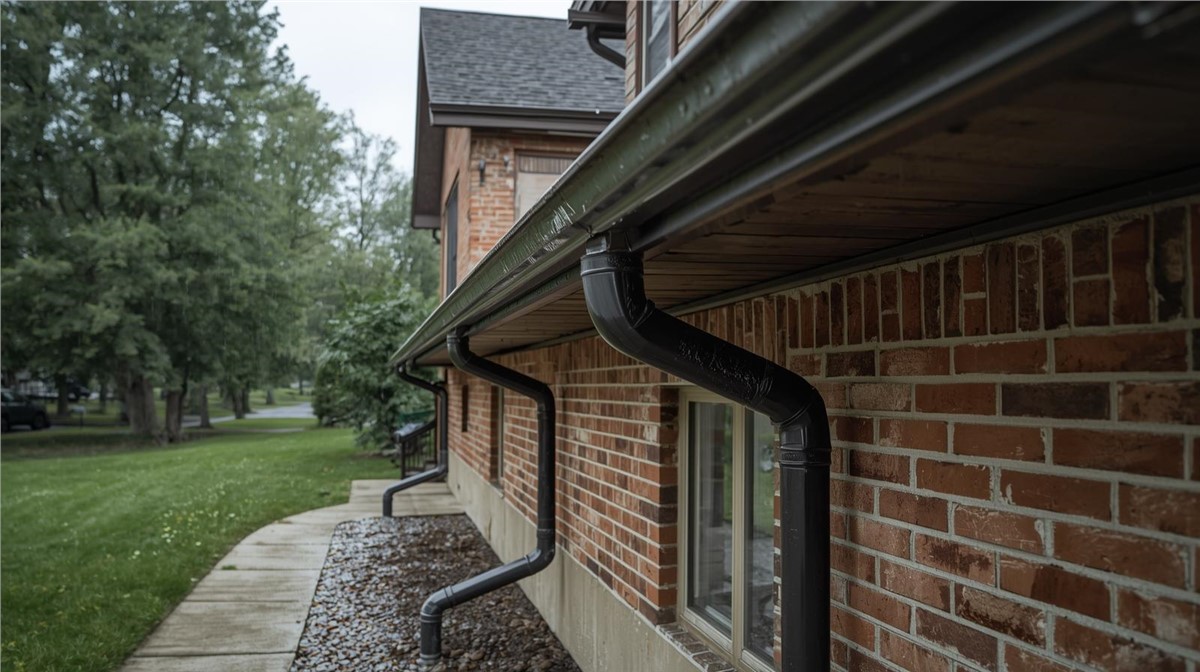
When homeowners think about protecting their foundation, gutters might not be the first thing that comes to mind. But in Wisconsin and Illinois—where homes face heavy rainfall, rapid snowmelt, freeze-thaw cycles, and saturated soil—gutters play a critical role in foundation health.
Understanding the role gutters play in protecting Midwest foundations can help homeowners prevent costly structural issues, basement moisture problems, and long-term exterior damage. A properly functioning gutter system does far more than keep rain off your roof—it directs water safely away from the most vulnerable part of your home.
Why Foundations Are at Risk in the Midwest
Homes in Wisconsin and Illinois deal with unique soil and weather conditions that increase foundation vulnerability.
Key Regional Challenges
Heavy spring rains that saturate soil quickly
Snowmelt that releases large volumes of water in short periods
Freeze-thaw cycles that expand and contract soil
Clay-heavy soils in many areas that retain moisture and expand when wet
When water collects near the foundation, it increases pressure against foundation walls and creates conditions that lead to cracking, shifting, and leaks.
How Gutters Protect Your Foundation
Gutters are designed to capture rainwater and snowmelt from the roof and channel it away from the house through downspouts.
Without gutters—or with clogged or damaged ones—water falls directly along the foundation perimeter. Over time, this repeated saturation can cause serious issues.
What Proper Gutters Do
Collect roof runoff efficiently
Direct water through downspouts
Move water away from the foundation
Reduce soil erosion around the home
This controlled drainage is especially important during Midwest storm seasons and spring thaw.
What Happens When Gutters Fail
When gutters don’t function properly, the foundation often pays the price.
1. Soil Saturation
Overflowing or missing gutters allow water to pool near the foundation. Wet soil expands, especially in clay-heavy areas common in Illinois and parts of Wisconsin.
This expansion increases hydrostatic pressure against foundation walls, which can lead to:
Cracks in basement walls
Bowing foundation walls
Water intrusion into basements or crawl spaces
2. Soil Erosion
Fast-moving runoff from the roof can wash away soil near the home’s perimeter.
Erosion can:
Expose foundation footings
Create uneven support around the home
Lead to settling and structural stress
3. Basement Water Intrusion
When water isn’t directed away from the home, it can seep through foundation cracks or porous concrete, leading to:
Damp basement walls
Standing water after storms
Mold and mildew growth
Damage to stored belongings
Many basement moisture problems start with poor exterior drainage.
4. Freeze-Thaw Damage
In Wisconsin and Illinois winters, water near the foundation can freeze. As frozen water expands, it increases pressure on foundation materials.
Repeated freeze-thaw cycles can:
Widen small foundation cracks
Damage exterior masonry
Cause shifting over time
The Importance of Downspout Placement
Gutters alone aren’t enough—downspouts must direct water far enough away from the home.
Best Practices
Downspouts should extend at least 4–6 feet from the foundation
Extensions or splash blocks should direct water onto sloped ground
Underground drainage lines can further improve water management
If water exits the downspout and pools near the home, foundation risks remain.
How Gutters Work With Other Exterior Systems
Gutters are part of a larger drainage and protection system.
They work alongside:
Roofing systems that shed water efficiently
Siding and flashing that prevent wall moisture
Grading and landscaping that direct surface water away
Foundation waterproofing systems that provide backup protection
When one component fails, the others must work harder—often unsuccessfully.
Signs Gutters May Be Putting Your Foundation at Risk
Homeowners should watch for warning signs such as:
Water spilling over gutter edges during rain
Gutters pulling away from the fascia
Visible cracks or rust in gutter sections
Downspouts draining too close to the house
Soil erosion or trenches near the foundation
Damp basement walls after storms
These issues often indicate that drainage isn’t working as it should.
Why Midwest Weather Makes Maintenance Essential
Gutters in Wisconsin and Illinois face heavy seasonal debris and weather stress.
Common Local Challenges
Leaves and twigs in fall clogging gutters
Ice buildup in winter causing sagging or separation
Spring storms overloading undersized systems
Wind damage loosening fasteners
Without regular maintenance, even a well-installed gutter system can fail.
Gutter Upgrades That Improve Foundation Protection
If your current system struggles during storms, upgrades may provide better protection.
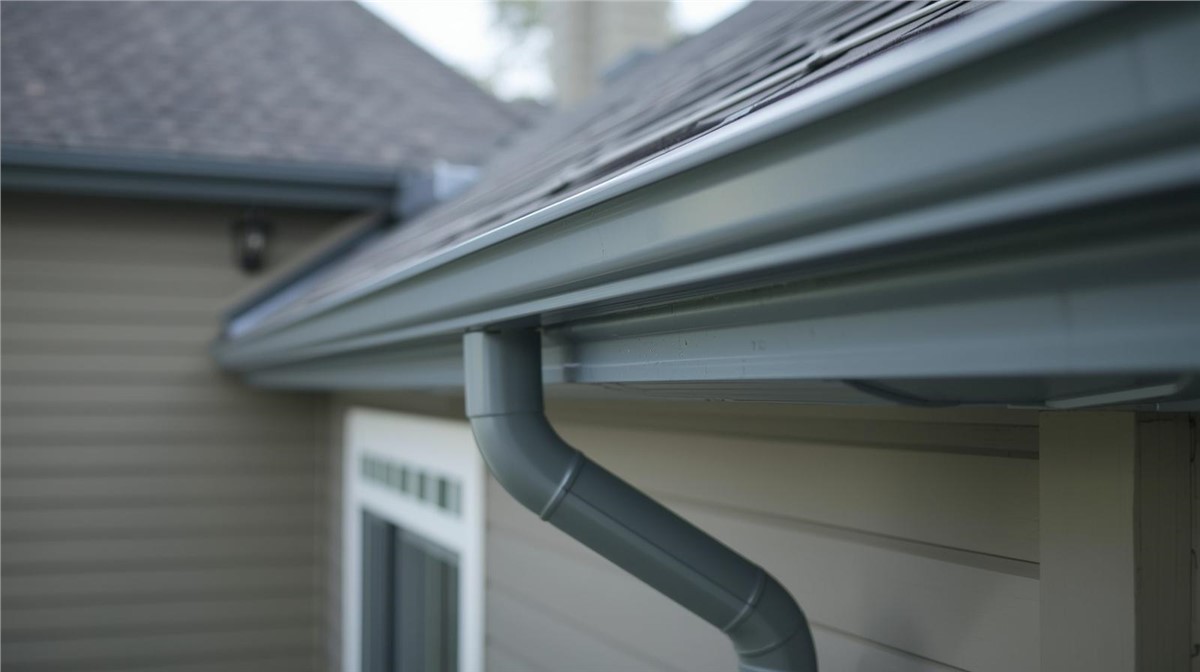
Seamless Gutters
Fewer joints mean fewer leak points—important during heavy rain and snowmelt.
Larger-Capacity Gutters and Downspouts
Homes with steep roofs or large surface areas may need larger systems to handle runoff.
Gutter Guards
Gutter protection systems reduce clogging and help maintain proper flow.
Secure Mounting Systems
Stronger hangers help gutters resist snow and ice weight.
The Cost of Ignoring Gutter Problems
Foundation repairs are among the most expensive home repairs.
Delaying gutter maintenance or replacement can lead to:
Structural foundation repairs
Basement waterproofing costs
Mold remediation
Landscaping restoration
Addressing drainage early is far more affordable than fixing foundation damage later.
Seasonal Gutter Maintenance Tips
Regular upkeep helps ensure gutters continue protecting your foundation.
Spring
Clear debris after winter
Check for damage from ice
Ensure downspouts flow freely
Summer
Inspect after heavy storms
Look for sagging or loose sections
Fall
Remove leaves regularly
Prepare gutters for snow and ice
Winter
Monitor for ice dams and heavy icicles
Watch for gutter pulling or separation
Frequently Asked Questions
Can poor gutters really cause foundation cracks?
Yes. Water buildup increases soil pressure that can lead to cracking over time.
How far should water be directed from the foundation?
Ideally 4–6 feet or more, depending on grading.
Are seamless gutters better for drainage?
They reduce leaks and often perform better during heavy rainfall.
Do gutter guards eliminate maintenance?
They reduce debris but still require occasional inspection.
Can foundation issues start with just one bad downspout?
Yes. Even one poorly placed downspout can cause localized soil saturation.
A Small System With a Big Impact
Gutters may seem like a minor part of your home’s exterior, but in Wisconsin and Illinois, they play a major role in protecting foundations from water damage. Proper drainage reduces soil saturation, prevents erosion, and helps maintain the structural stability of your home.
Huskie Exteriors works with homeowners across WI & IL, bringing experience in gutter systems, roofing, siding, and drainage solutions designed for Midwest weather. A strong gutter system is one of the most important steps you can take to protect your home from the ground up.
Subscribe to Huskie Exteriors's Blog






Comments