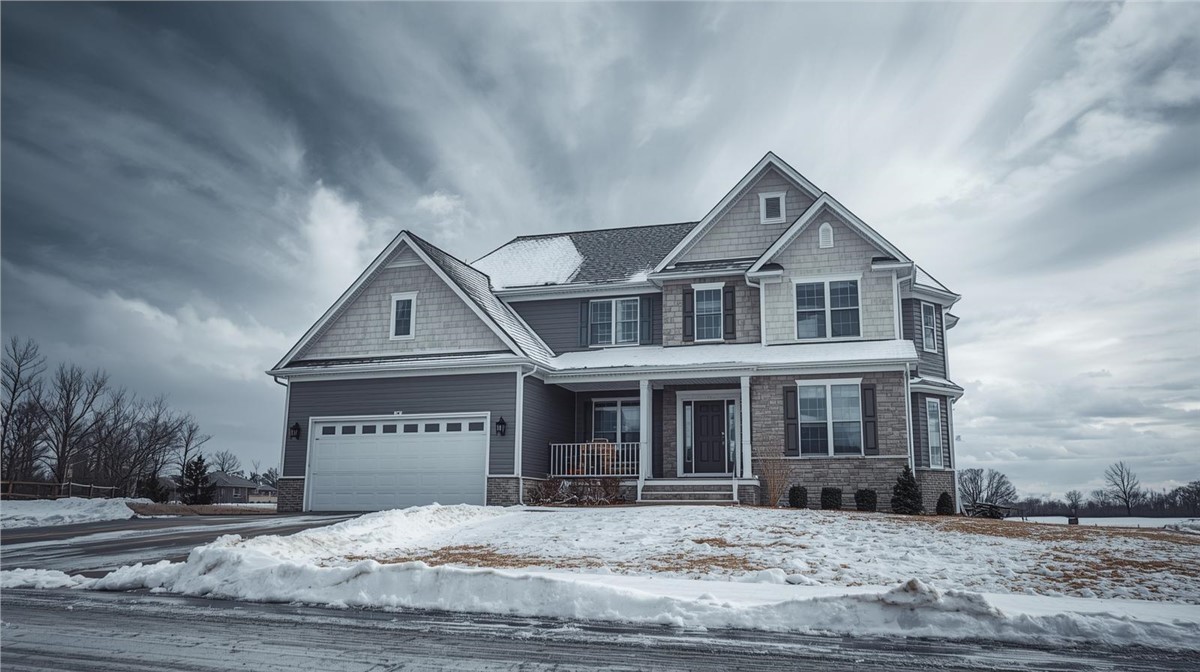
Hiring the right contractor is important for any home improvement project—but in regions with extreme weather, it’s even more critical. Homeowners in Wisconsin and Illinois face freezing winters, heavy snow, strong winds, hail, humidity, and rapid seasonal changes. These conditions demand exterior systems that are not only installed correctly, but specifically designed for the local climate.
Understanding why local exterior contractors matter more in harsh climates helps homeowners make better decisions when it comes to roofing, siding, windows, and gutters. Experience with Midwest weather isn’t just helpful—it can make the difference between long-lasting protection and repeated repairs.
Midwest Weather Is Different — And It Shows
Exterior construction in the Midwest isn’t the same as in milder regions. Contractors here must account for:
Freeze-thaw cycles that expand and contract materials
Heavy snow loads that stress roofing structures
Ice dams that cause hidden roof leaks
Wind-driven rain that tests siding and flashing
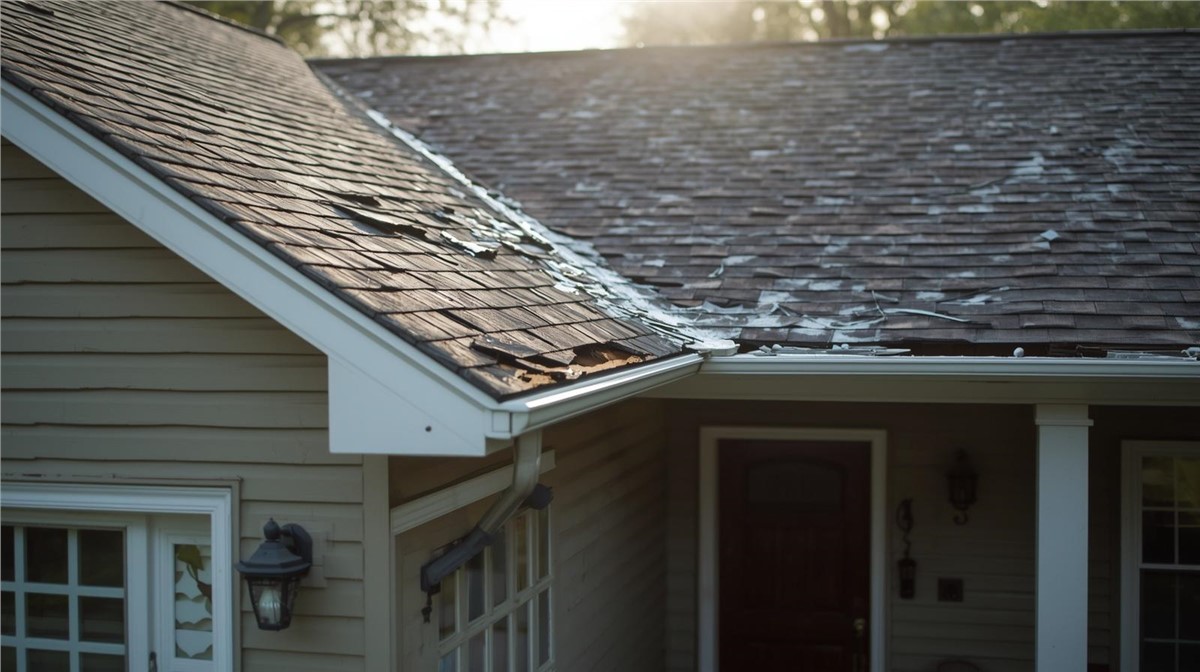
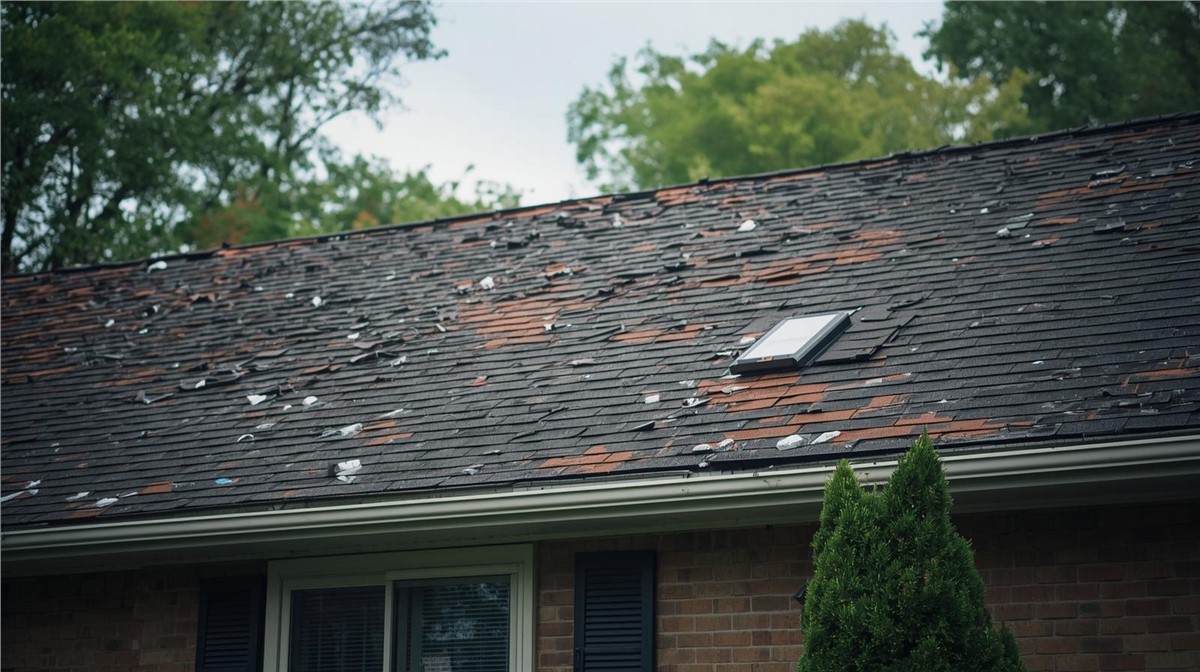
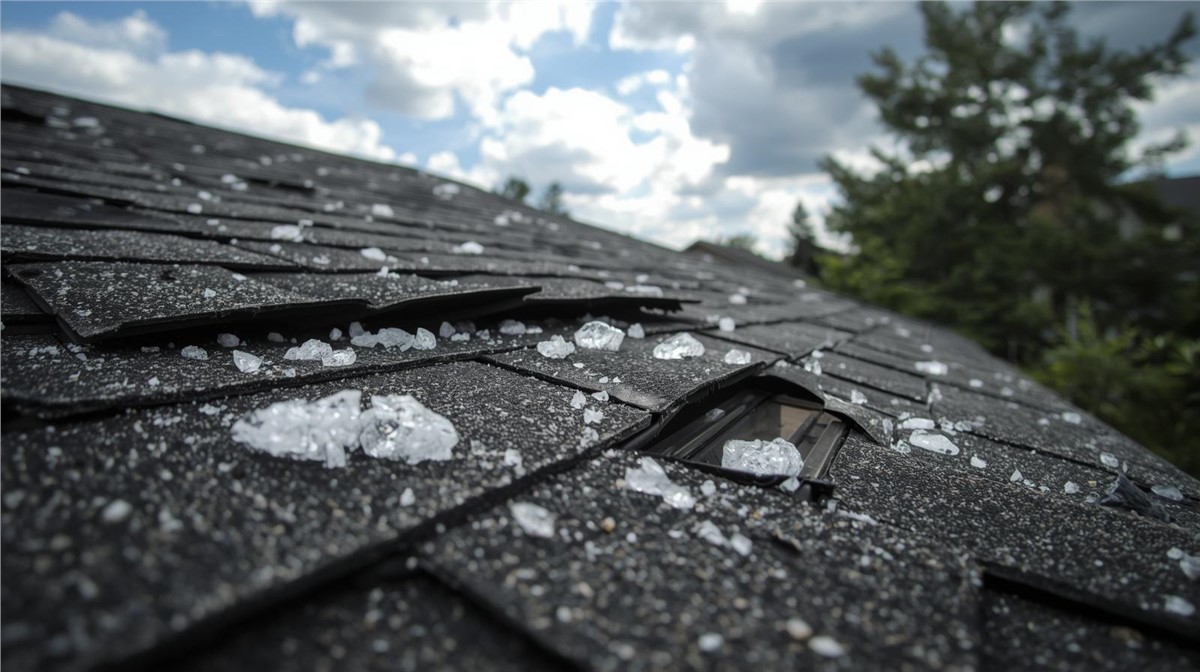
Severe thunderstorms and hail
High summer humidity
These factors affect how materials perform, how systems are installed, and what long-term maintenance looks like.
A contractor unfamiliar with these conditions may follow general best practices—but miss the details that matter most in Wisconsin and Illinois.
Local Contractors Understand Regional Weather Patterns
A local contractor has firsthand experience with how Midwest weather affects homes over time.
They know:
Which roofing systems hold up best after multiple freeze-thaw seasons
How ice dams commonly form on homes in your area
Which siding materials resist cracking during subzero temperatures
How heavy rain and snowmelt impact drainage systems
This knowledge isn’t theoretical—it’s based on years of seeing what works and what fails in local neighborhoods.
Material Recommendations Are Climate-Specific
Not all building materials perform equally in harsh climates. National brands may promote products that work well in warmer or drier regions but struggle in Midwest conditions.
Local contractors are more likely to recommend:
Impact-resistant roofing materials that withstand hail
Siding that resists moisture and cold-weather cracking
Windows with insulation suited for long heating seasons
Gutter systems sized for heavy rainfall and snowmelt
Choosing the right materials from the start can add years to your exterior system’s lifespan.
Installation Methods Must Match Climate Demands
Proper installation is just as important as material quality—especially in harsh climates.
Roofing Installation in the Midwest
Local contractors understand the importance of:
Ice and water barriers in vulnerable roof areas
Proper attic ventilation to reduce ice dams
Flashing techniques that handle snow and wind-driven rain
Without these details, even high-quality roofing materials can fail prematurely.
Siding and Moisture Control
In Wisconsin and Illinois, siding must manage moisture effectively. Local contractors are familiar with:
Proper house wrap installation
Flashing methods around windows and doors
Allowances for expansion and contraction in cold weather
These details help prevent water intrusion and long-term wall damage.
Local Knowledge of Building Codes and Requirements
Midwest municipalities often have building codes that reflect regional weather risks, such as wind ratings or snow load requirements.
Local contractors are familiar with:
Permit requirements
Inspection processes
Local code updates
This reduces delays and ensures your project meets local standards for safety and durability.
Faster Response After Storms
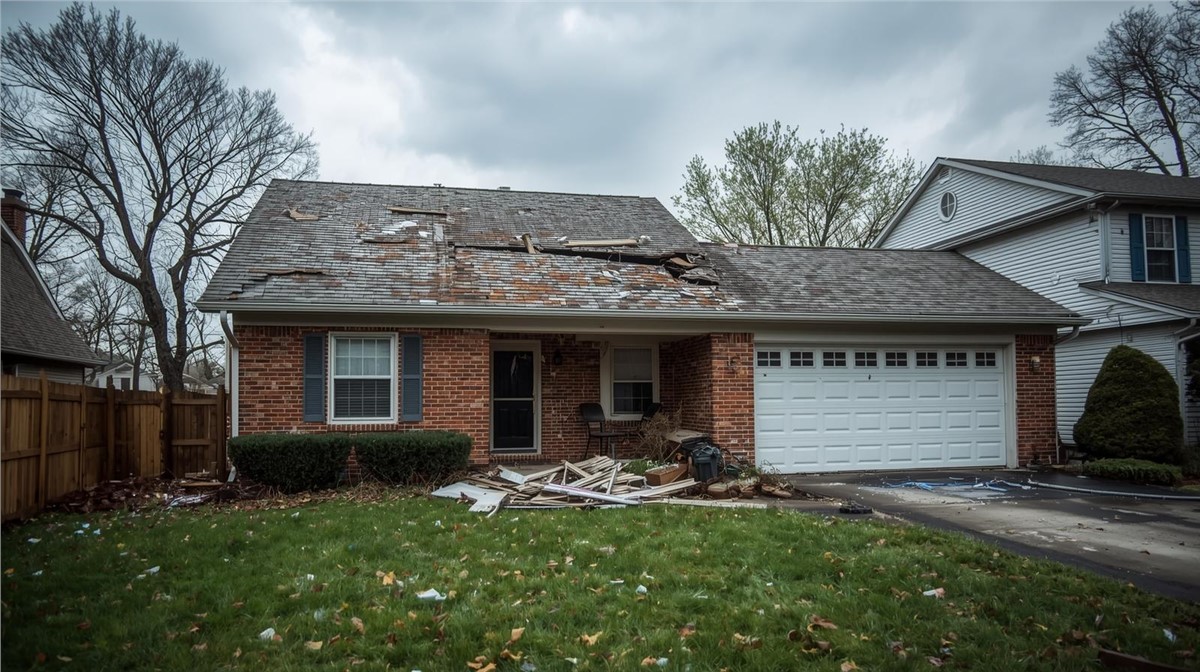
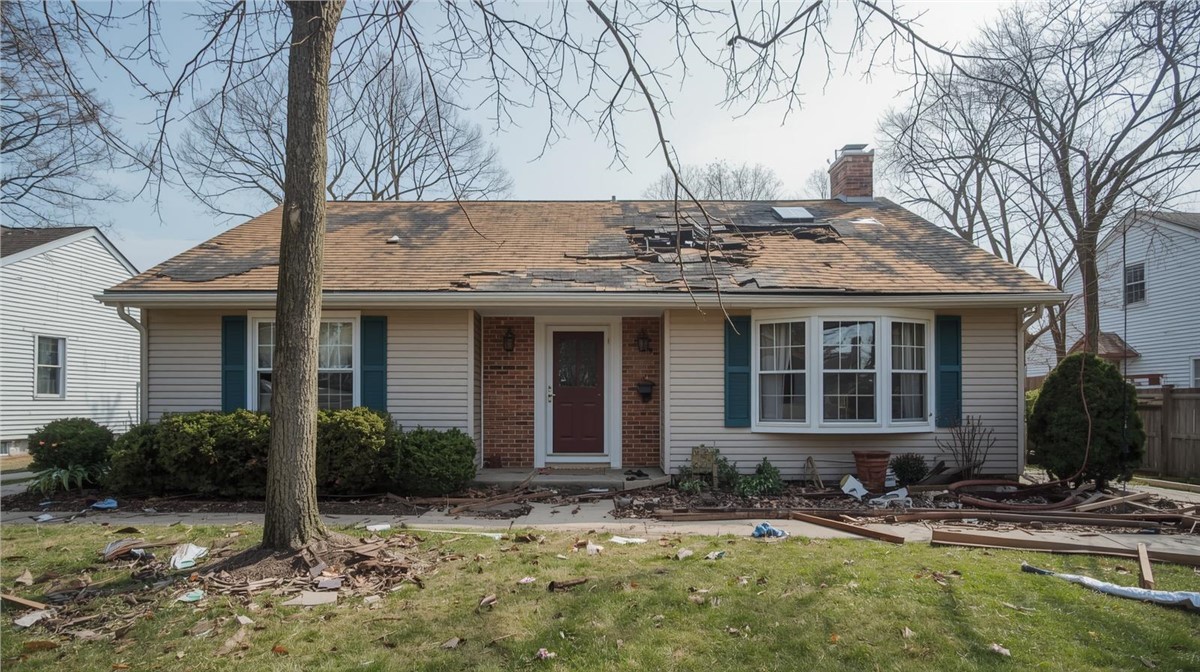
Storm damage is common in Wisconsin and Illinois, and response time matters.
Local contractors can:
Inspect damage quickly after hail or wind events
Provide documentation for insurance claims
Make timely repairs before further weather exposure causes more damage
Out-of-area contractors may not be available when you need follow-up service months later.
Accountability and Long-Term Service
Exterior systems aren’t one-time purchases—they require maintenance and occasional service.
Working with a local contractor means:
Easier access to follow-up inspections
Support for warranty questions
A company that relies on its reputation in the community
In harsh climates, ongoing service relationships are especially valuable.
Understanding Local Home Styles and Construction
Homes in Wisconsin and Illinois often have construction features influenced by regional climate, such as:
Steep roof pitches for snow shedding
Older homes with wood framing and legacy materials
Specific attic ventilation challenges
Local contractors are familiar with these common structures and how to upgrade them without causing new issues.
Climate-Specific Problem Solving
Harsh climates create recurring challenges that require experience to diagnose properly.
For example:
Ice dams may be caused by attic insulation, ventilation, or air sealing issues
Siding moisture problems might relate to flashing or drainage, not just the siding itself
Basement moisture could stem from gutter or grading failures
A local contractor is more likely to recognize these patterns and recommend comprehensive solutions rather than temporary fixes.
Better Recommendations for Seasonal Timing
Midwest weather affects when exterior work can be done safely and effectively.
Local contractors know:
When roofing materials install best
How cold temperatures affect sealants and siding
When to schedule projects before winter or storm seasons
This helps homeowners avoid weather-related delays and performance issues.
Community Reputation Matters
Local contractors build their business on referrals and long-term relationships. Their reputation depends on doing work that holds up over time—not just passing an inspection on install day.
This often means:
More attention to detail
Honest assessments of what your home truly needs
A focus on durability rather than quick fixes
The Risk of Choosing Contractors Without Local Experience
Hiring a contractor unfamiliar with Midwest conditions can lead to:
Improper material choices
Missing moisture barriers
Inadequate ventilation
Installation methods that don’t account for snow and ice
These issues may not show up immediately, but they often appear after the first harsh winter or major storm.
Frequently Asked Questions
Does local experience really make a difference?
Yes. Climate-specific knowledge affects material choices, installation methods, and long-term performance.
Are national companies less qualified?
Not necessarily—but contractors without Midwest experience may not fully understand regional challenges.
Why does installation matter so much in cold climates?
Freeze-thaw cycles and moisture exposure amplify small installation mistakes.
Can local contractors respond faster after storms?
Often, yes. Being nearby allows quicker inspections and repairs.
Do local contractors know better materials?
They know which products perform best based on real-world results in the area.
Choosing Experience That Matches Your Climate
In Wisconsin and Illinois, your home’s exterior has to handle more than average weather. Roofing, siding, windows, and gutters must stand up to snow, storms, moisture, and temperature extremes. Working with a contractor who understands these challenges firsthand helps ensure your home is protected for the long haul.
Huskie Exteriors works with homeowners across WI & IL, bringing local experience in roofing, siding, windows, and gutters designed for Midwest conditions. A contractor who understands your climate can help you make decisions that protect your home not just today—but through many seasons to come.
Subscribe to Huskie Exteriors's Blog



Comments