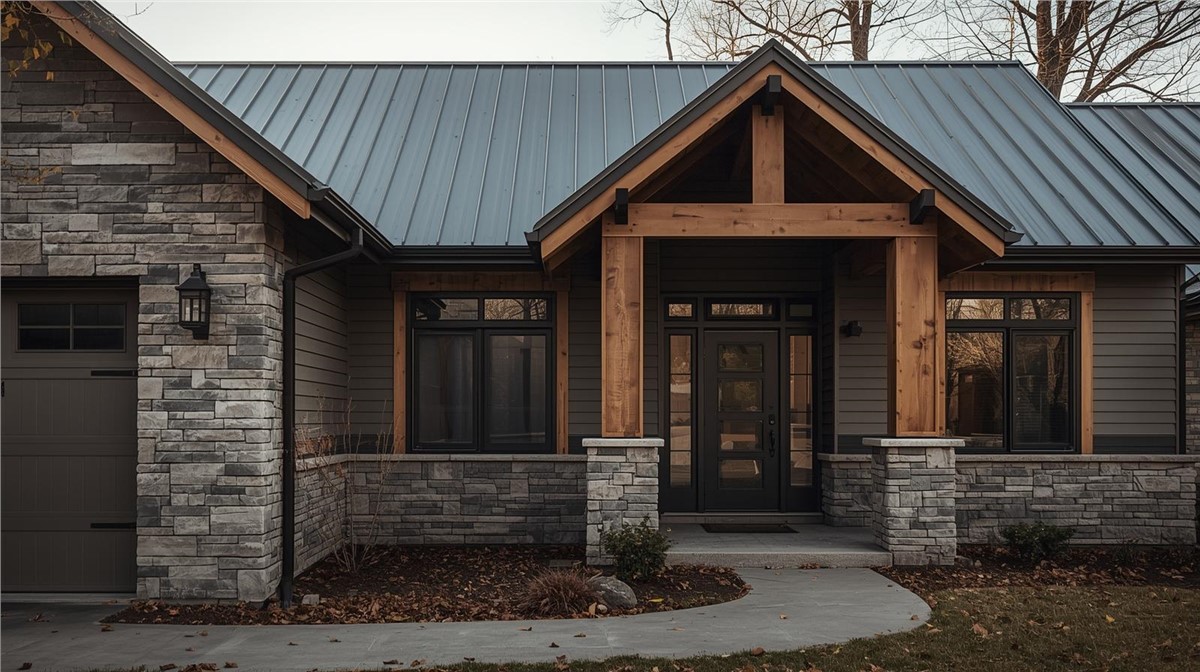
When it comes to exterior home improvements in the Midwest, durability isn’t optional—it’s essential. Homes in Wisconsin and Illinois must withstand freezing winters, heavy snow, ice dams, strong winds, severe thunderstorms, hail, humidity, and rapid temperature swings. Choosing the right materials can mean the difference between decades of performance and frequent, costly repairs.
Understanding how to choose durable materials for Wisconsin & Illinois weather helps homeowners invest wisely in roofing, siding, windows, and gutters that hold up under real Midwest conditions.
Why Midwest Weather Demands Stronger Materials
Exterior materials in WI & IL are exposed to:
Freeze-thaw cycles that expand small cracks
Heavy snow loads that stress roofing systems
Ice buildup along roof edges and gutters
High winds that test fasteners and seals
Wind-driven rain that pushes moisture into gaps
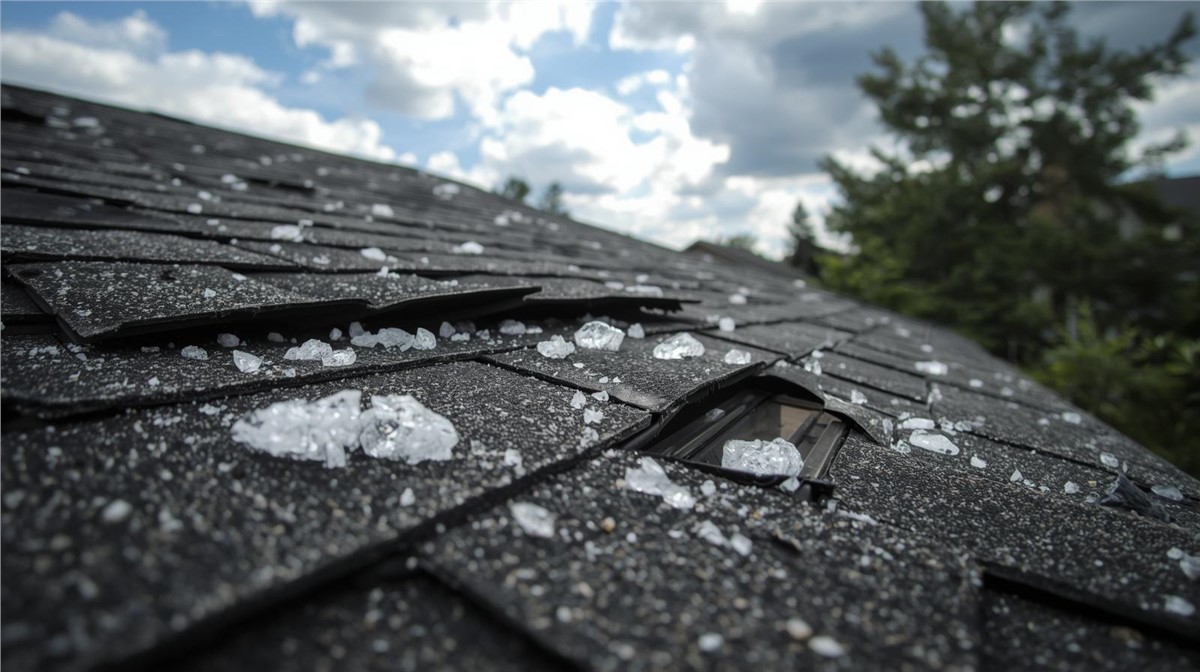
Hail that can crack or dent surfaces
Materials that perform well in milder climates may wear out faster here. Durability, weather resistance, and proper installation are key.
What “Durable” Really Means for Exterior Materials
Durability isn’t just about thickness or strength—it’s about how well materials resist:
Moisture intrusion
Temperature expansion and contraction
Impact from debris and hail
UV exposure and fading
Wind uplift and pressure
Materials should also maintain performance over time, not just look good when first installed.
Choosing Durable Roofing Materials
Your roof takes the most direct exposure to Midwest weather.
Look for Impact Resistance
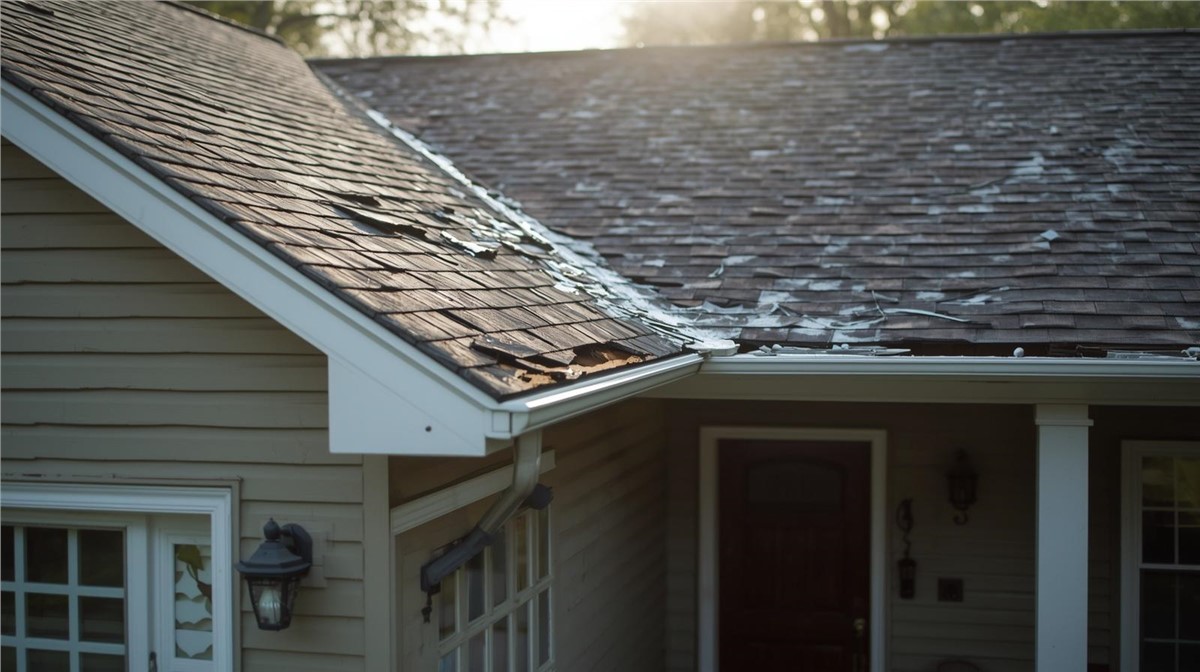
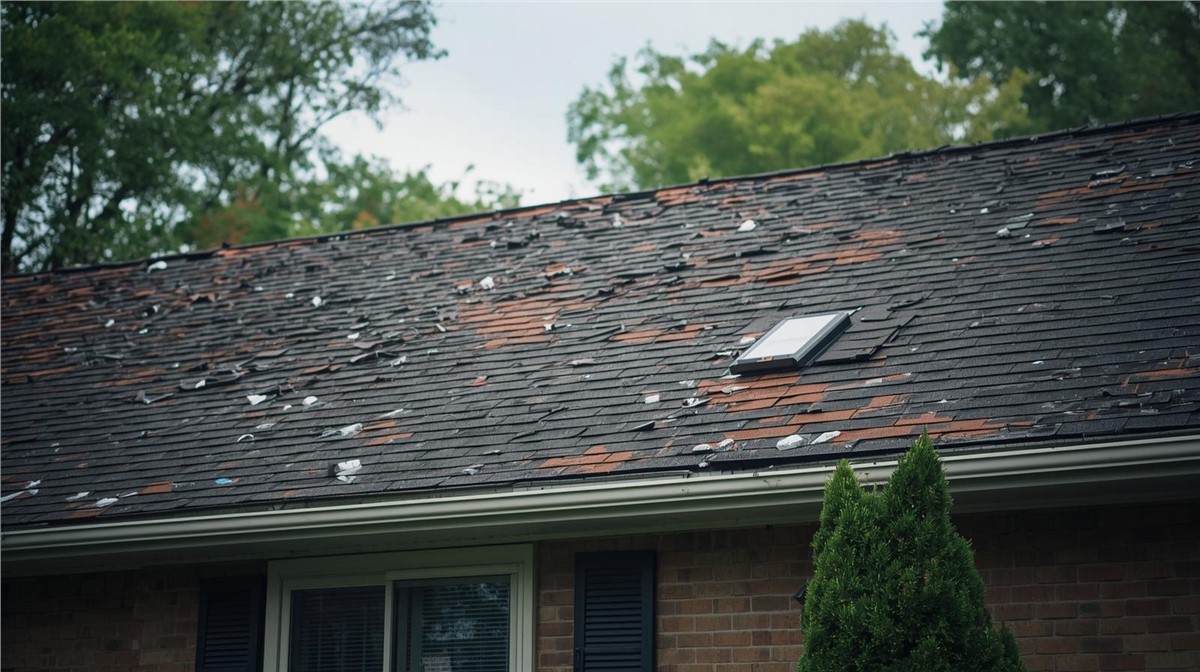
Hail is common in both Wisconsin and Illinois. Impact-resistant shingles are designed to withstand hail strikes better than standard shingles, helping prevent cracks and granule loss.
Consider Wind Ratings
Strong winds can lift or tear shingles. Look for roofing materials with high wind-resistance ratings and proper fastening systems.
Think About Snow and Ice
In heavy snow areas, materials that shed snow efficiently and work well with ice and water barriers help prevent ice dam damage.
Metal Roofing as a Durable Option
Metal roofs are known for longevity, snow-shedding ability, and wind resistance. When properly installed with insulation and ventilation, they perform well in Midwest climates.
Selecting Durable Siding Materials
Siding protects your walls from moisture, wind, and temperature swings.
Fiber Cement Siding
Fiber cement resists rot, insects, fire, and moisture. It holds up well under freeze-thaw cycles and doesn’t warp easily in humidity.
Insulated Vinyl Siding
High-quality vinyl siding with insulation backing adds durability and improves energy efficiency. Look for products rated for impact resistance and extreme temperatures.
Avoid Thin or Low-Grade Materials
Lower-quality siding may crack in cold weather or fade quickly in sun exposure. Investing in thicker, higher-grade materials often pays off in longevity.
Durable Window Materials for Midwest Homes
Windows must handle both temperature extremes and moisture exposure.
Frame Material Matters
Fiberglass frames resist warping and expanding with temperature changes.
Vinyl frames are moisture-resistant and low maintenance when high-quality.
Wood frames offer insulation but require more upkeep to prevent rot.
Look for Multi-Pane Glass
Double- or triple-pane windows with Low-E coatings improve insulation and reduce stress on HVAC systems during extreme seasons.
Pay Attention to Sealing and Flashing
Even the best windows fail if not installed and flashed properly. Durable performance depends on the full system.
Choosing Long-Lasting Gutter Systems
Gutters must manage heavy rain and snowmelt.
Seamless Aluminum Gutters
Seamless systems reduce leak points and handle Midwest freeze-thaw cycles better than sectional gutters.
Strong Mounting Systems
Durable hangers and proper spacing help gutters resist sagging under snow and ice weight.
Proper Sizing
Oversized gutters and downspouts may be necessary in areas with heavy rainfall or steep rooflines.
Don’t Forget About Fasteners and Flashing
Durability isn’t just about visible materials.
Rust-resistant fasteners prevent loosening over time
High-quality flashing protects transitions between materials
Proper sealants and underlayments add another layer of defense
Weak supporting components can undermine even the most durable exterior products.
Energy Efficiency and Durability Go Hand in Hand
Durable materials often support better energy performance.
Insulated siding reduces heat loss
Energy-efficient windows minimize drafts
Proper roofing ventilation stabilizes attic temperatures
In Wisconsin and Illinois, durability and efficiency often work together to improve comfort and reduce utility costs.
Installation Quality Is Just as Important
Even the strongest materials can fail if installed incorrectly.
Look for:
Proper flashing around windows and roof penetrations
Correct spacing and fastening of siding
Adequate attic ventilation
Proper gutter pitch and drainage
Durability depends on both product selection and skilled installation.
Signs It’s Time to Upgrade to More Durable Materials
You may want to choose stronger materials if:
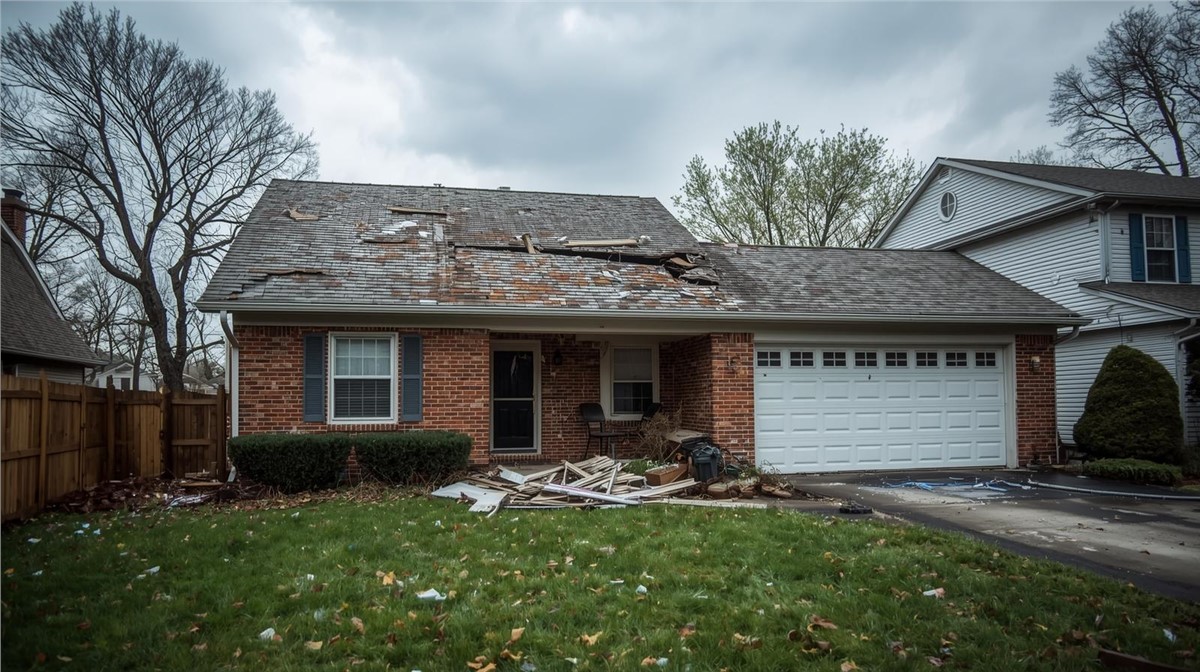
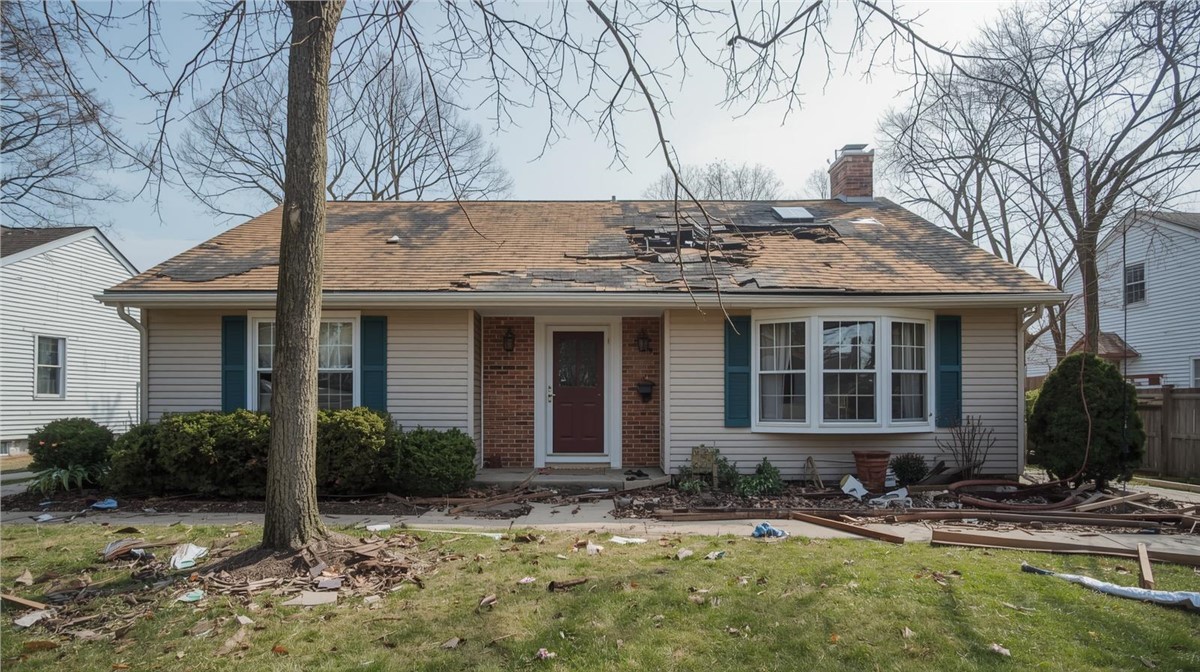
Your home has repeated storm damage
Repairs are becoming frequent
Existing materials are nearing the end of their lifespan
You plan to stay in your home long-term
Upgrading once to durable materials often reduces ongoing maintenance.
Balancing Budget and Longevity
Durable materials often cost more upfront but can save money over time through:
Fewer repairs
Longer replacement cycles
Improved energy efficiency
Better protection against weather damage
When comparing options, consider lifespan and maintenance—not just initial price.
Frequently Asked Questions
Are impact-resistant shingles worth it in the Midwest?
Yes. Hailstorms are common, and impact-resistant materials can reduce damage.
What siding lasts the longest in Wisconsin and Illinois?
Fiber cement and high-quality insulated vinyl siding are both strong performers.
Do durable materials increase home value?
Often yes. Buyers appreciate long-lasting, low-maintenance exteriors.
Can I mix different material types?
Yes, as long as they are compatible and properly integrated.
Does installation affect how long materials last?
Absolutely. Proper installation is critical to long-term performance.
Building for Midwest Weather
Choosing durable materials for Wisconsin and Illinois weather means planning for snow, storms, moisture, and temperature extremes. Roofing, siding, windows, and gutters all need to work together to protect your home through every season.
Huskie Exteriors works with homeowners across WI & IL, bringing experience in selecting and installing exterior systems designed for Midwest conditions. With the right materials and proper installation, you can invest in a home exterior built to last.
Subscribe to Huskie Exteriors's Blog



Comments