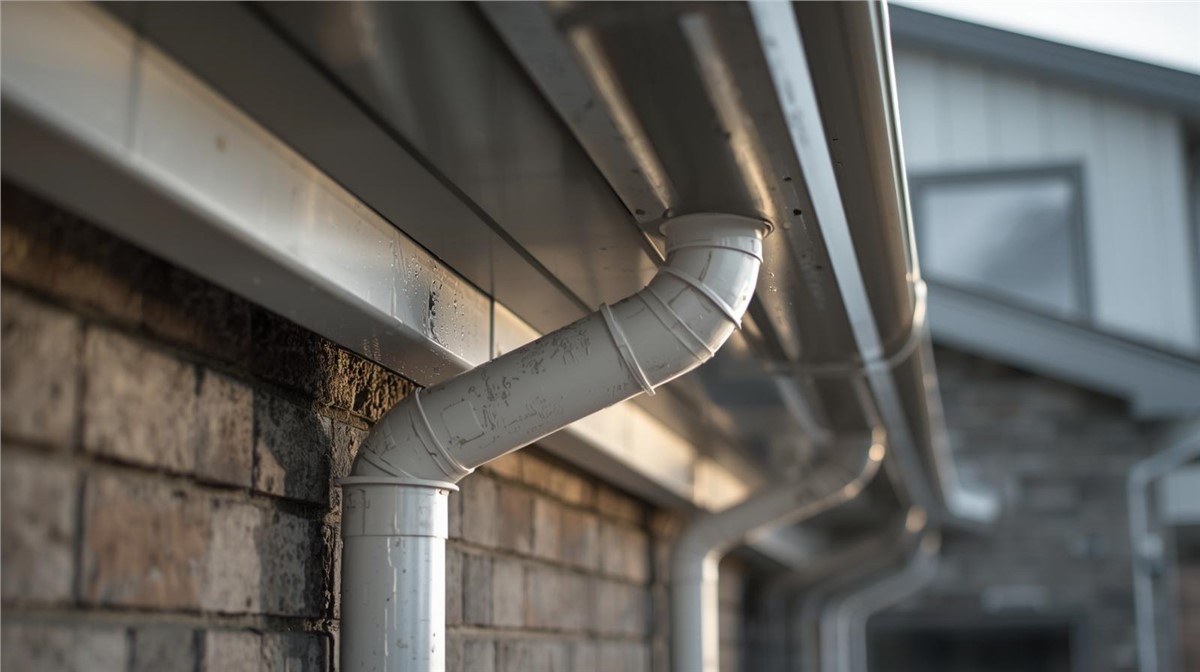
Water is one of the most damaging forces your home will ever face. In Wisconsin and Illinois, where homes endure heavy rain, snowmelt, ice, humidity, and wind-driven storms, even small weaknesses in the exterior can lead to costly moisture problems. The good news? Most water damage is preventable when your home’s exterior systems work together properly.
Understanding how to prevent water damage with a strong exterior system helps homeowners protect their roof, walls, windows, and foundation before leaks or rot ever begin.
Why Water Is Such a Big Threat in the Midwest
Midwest homes deal with water in many forms:
Spring downpours and thunderstorms
Rapid snowmelt after long winters
Ice dams that trap melting snow on roofs
Humid summers that increase moisture exposure
Wind-driven rain during severe storms
This constant exposure means your home’s exterior must be built and maintained as a complete water-management system—not just a collection of separate parts.
How Water Gets Into Homes
Water usually enters through small gaps or failures in:
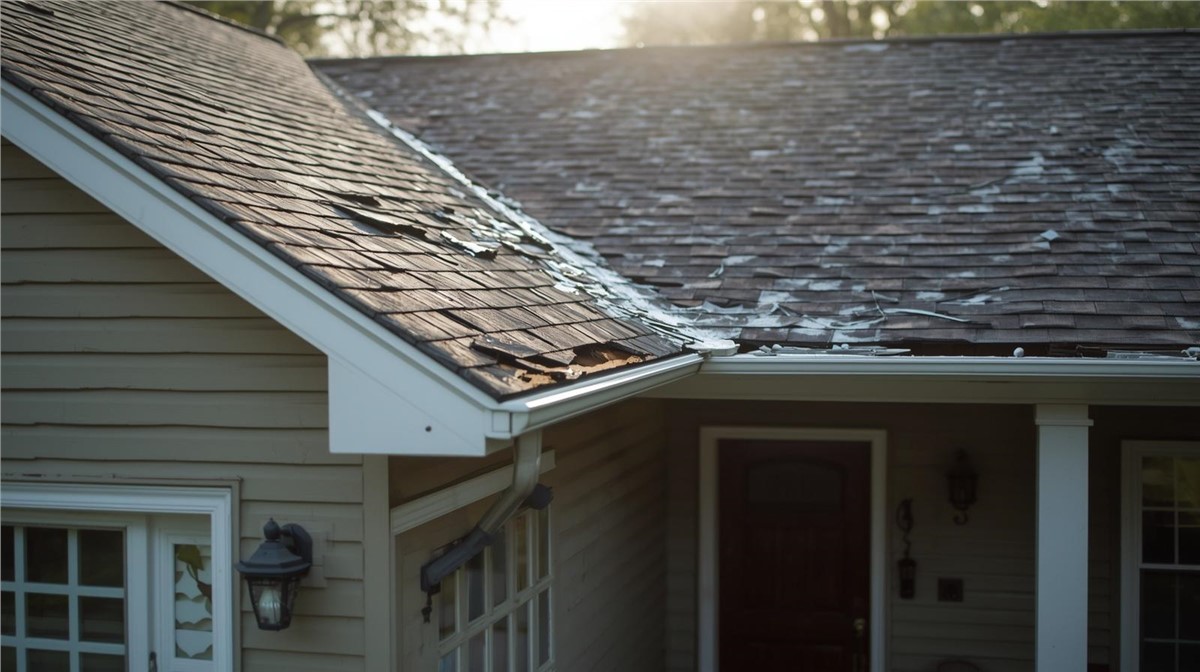
Roofing materials
Flashing around penetrations
Siding seams or cracks
Window and door openings
Gutter and drainage systems
Once inside, moisture can travel through walls and ceilings before becoming visible, causing hidden damage along the way.
Roofing: Your First Line of Defense
Your roof is designed to shed water quickly and direct it into the gutter system.
Key Components That Prevent Roof Leaks
Properly installed shingles or roofing materials
Flashing around chimneys, vents, and skylights
Ice and water barriers in vulnerable areas
Adequate attic ventilation to reduce ice dam formation
When any of these components fail, water can work its way under roofing layers, leading to leaks and rot.
Gutters and Downspouts: Controlling Water Flow
After water leaves the roof, gutters and downspouts carry it safely away from the home.
Why Gutters Are So Important in WI & IL
Heavy rain and snowmelt can overwhelm clogged or damaged gutters. Overflow sends water:
Down siding
Behind fascia boards
Toward the foundation
Over time, this leads to rot, mold, and structural damage.
What Makes a Strong Gutter System
Proper sizing for Midwest rainfall
Secure attachment to fascia
Correct pitch for drainage
Downspouts that discharge away from the foundation
Siding and Wall Systems: Protecting the Structure
Siding does more than improve appearance—it’s a critical moisture barrier.
How Siding Prevents Water Damage
Sheds rain away from wall surfaces
Protects house wrap and insulation
Works with flashing to seal wall openings
Cracks, gaps, or poor installation can allow water to reach the sheathing and framing behind the siding.
Flashing: The Hidden Hero of Water Protection
Flashing directs water away from vulnerable joints and transitions.
Common Flashing Locations
Roof valleys and edges
Around chimneys and vents
Above windows and doors
Where roofs meet walls
When flashing is missing, damaged, or poorly installed, water often finds a path inside—even if siding and roofing look intact.
Windows and Doors: Sealing Critical Openings
Windows and doors interrupt the wall surface, making proper sealing essential.
How Water Intrusion Happens
Storm-driven rain can push water through tiny gaps around frames if:
Caulking has deteriorated
Flashing is missing
Seals have failed
Over time, this leads to rot around window frames and interior wall damage.
Foundation and Grading: Managing Water at Ground Level
Water protection doesn’t stop at the walls.
Why Ground Drainage Matters
If water isn’t directed away from your home, it can:
Pool near the foundation
Increase hydrostatic pressure on basement walls
Cause cracks and leaks
Proper grading and downspout extensions help move water away from the home’s base.
The Role of Ice Dams in Water Damage
Ice dams are a uniquely Midwest issue that can force water into roofs and walls.
They form when warm attic air melts snow on the roof, which then refreezes at the eaves. Water trapped behind the ice can seep under shingles and into the home.
Preventing ice dams involves:
Proper attic insulation
Good ventilation
Sealed air leaks between living space and attic
Why Exterior Systems Must Work Together
Water protection is only effective when all exterior systems function as a team.
Roofs shed water into gutters
Gutters direct water away from siding and foundations
Siding protects walls from wind-driven rain
Flashing seals transitions
Windows and doors block moisture at openings
A failure in one area often leads to problems in others.
Maintenance Tips to Prevent Water Damage
Routine maintenance can prevent many moisture problems.
Key Preventive Steps
Clean gutters at least twice a year
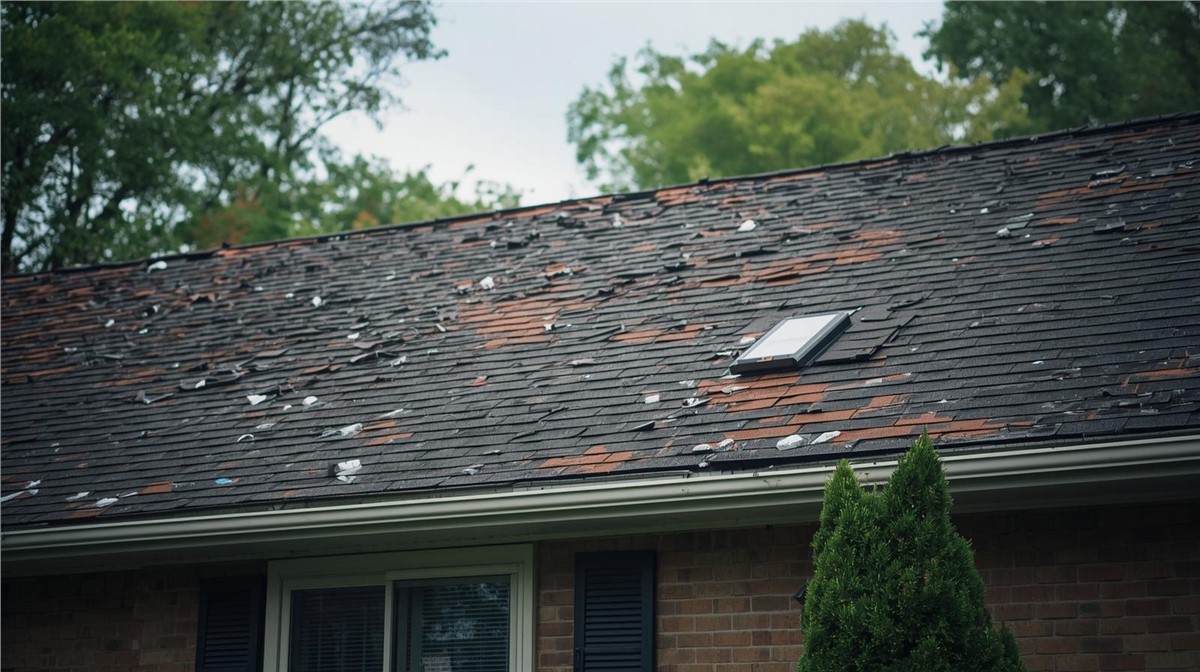
Inspect roofing after major storms
Check caulking around windows and doors
Look for cracked or loose siding
Ensure downspouts direct water away from the foundation
Addressing small issues early helps prevent hidden water damage.
Signs Your Exterior System May Be Failing
Watch for:
Water stains on ceilings or walls
Peeling paint or bubbling drywall
Mold or mildew smells
Rotting trim or fascia
Soil erosion near the foundation
These signs often indicate moisture has already found its way inside.
Why Professional Inspections Matter
Many water-entry points aren’t visible from the ground. Professional inspections can identify:
Flashing failures
Early shingle deterioration
Hidden siding gaps
Drainage issues
Early detection helps prevent major repairs.
Frequently Asked Questions
Can small exterior gaps really cause serious damage?
Yes. Even tiny openings can allow water in over time.
How often should gutters be cleaned?
At least twice per year, and after heavy storms or leaf fall.
Do new homes still get water damage?
Yes, especially if installation or flashing was done improperly.
Are ice dams always preventable?
Proper insulation and ventilation significantly reduce risk.
Does siding replacement help with moisture control?
Yes. Modern siding systems improve wall protection and air sealing.
Protecting Your Home From the Outside In
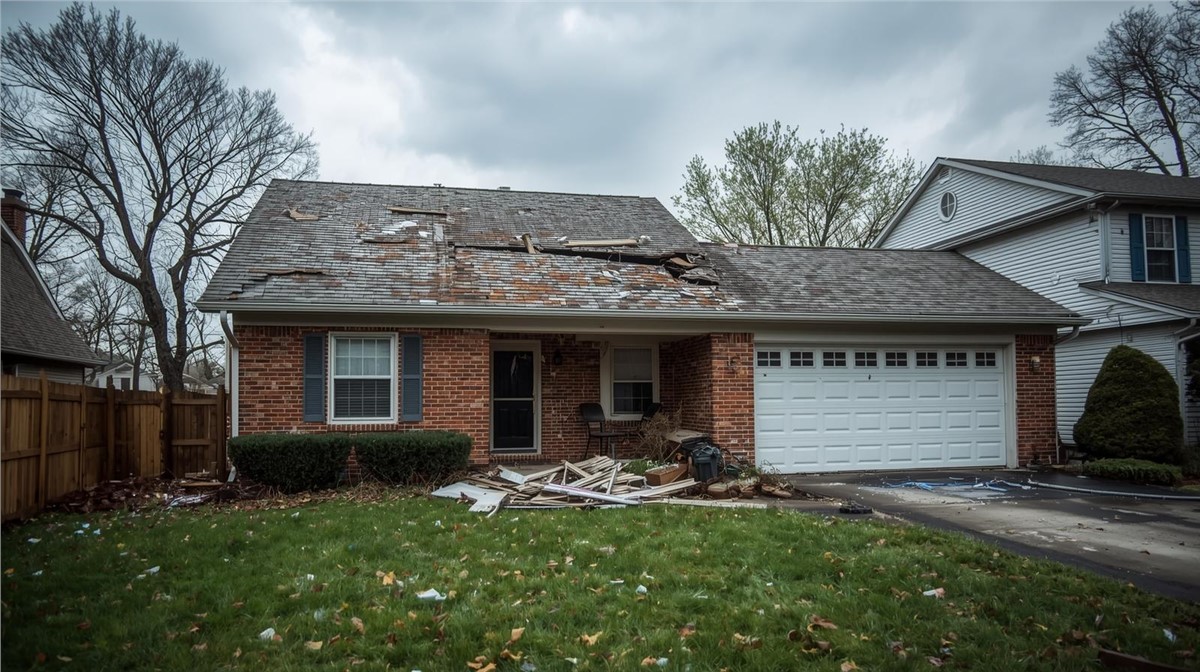
Water damage rarely starts with a dramatic event—it usually begins with a small weakness in the exterior system. By ensuring your roofing, siding, windows, gutters, and drainage work together, you can greatly reduce the risk of costly moisture problems.
Huskie Exteriors works with homeowners across Wisconsin and Illinois, bringing experience in roofing, siding, windows, and gutters built for Midwest conditions. A strong, well-maintained exterior system helps keep water where it belongs—outside your home, no matter the season.
Subscribe to Huskie Exteriors's Blog





Comments