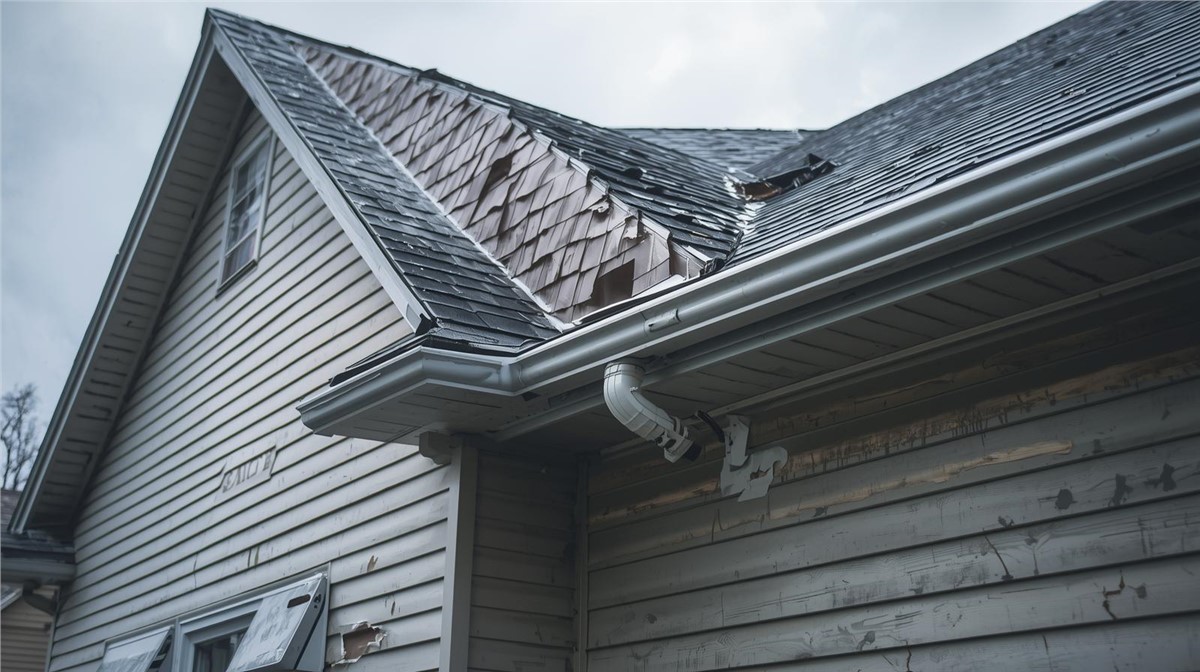
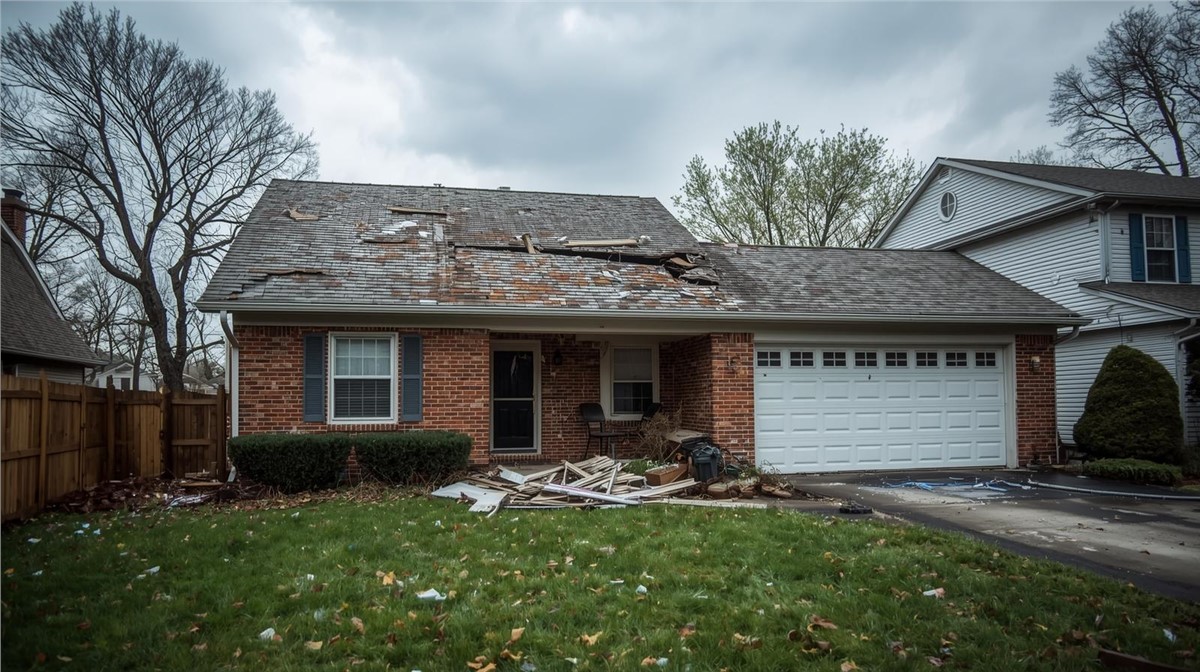
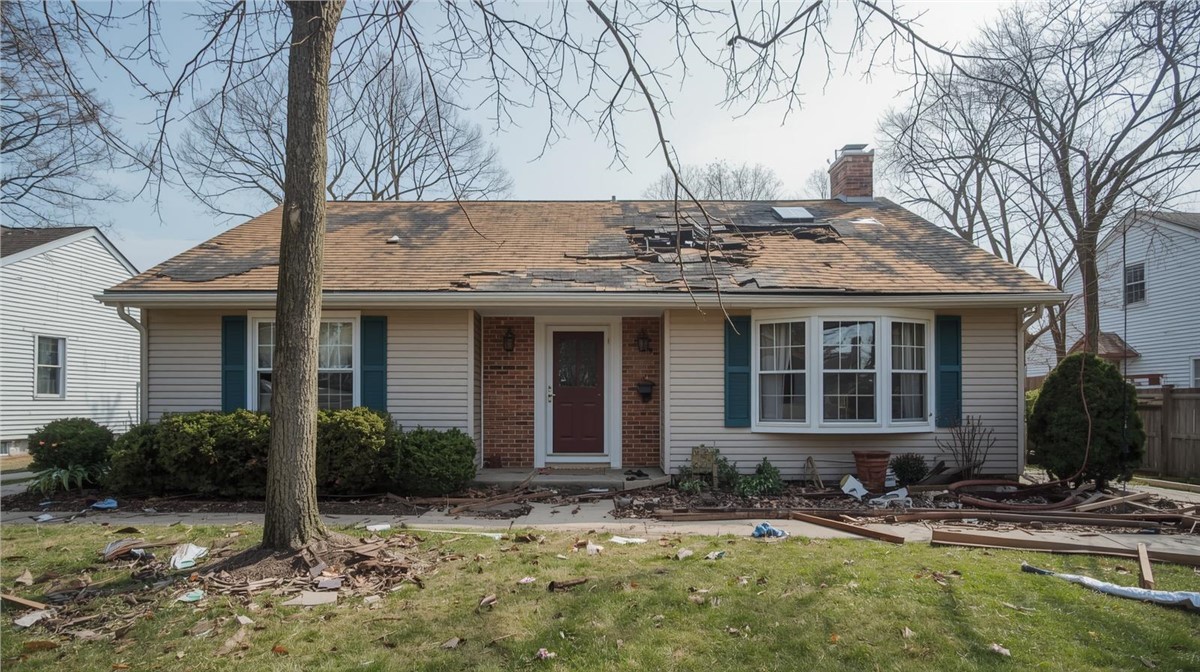
Midwest storms don’t always leave obvious damage behind. While missing shingles or fallen tree limbs are easy to see, many of the most serious issues stay hidden—sometimes for weeks or even months. In Wisconsin and Illinois, where storms bring heavy rain, hail, strong winds, and flying debris, subtle exterior damage can quietly lead to leaks, mold, and structural problems.
Knowing how to spot hidden exterior damage after a Midwest storm helps homeowners take action early, before small issues turn into major repairs. Here’s what to look for on your roof, siding, windows, gutters, and around your foundation.
Why Storm Damage Is Often Hard to See
Storms stress your home’s exterior in ways that aren’t always visible from the ground.
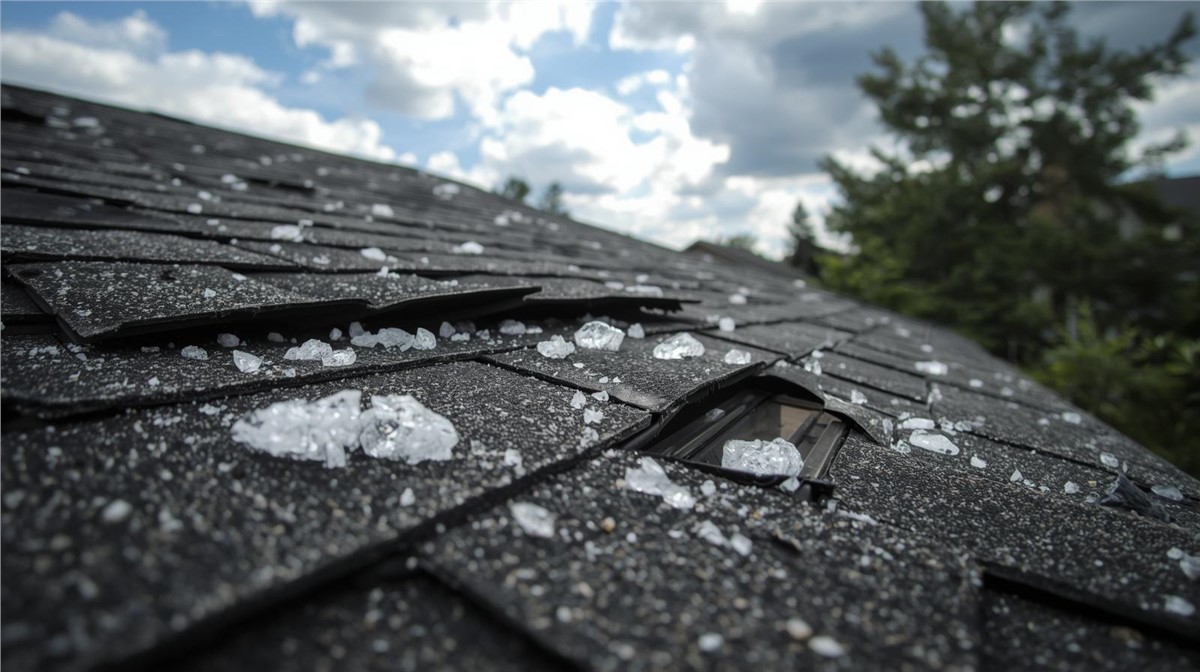
Hail can bruise shingles without knocking them off
Wind can loosen flashing or seals without tearing materials away
Heavy rain can push water into small gaps that later cause leaks
By the time interior signs appear, the damage has often been there for a while.
Hidden Roof Damage to Watch For
Your roof takes the brunt of storm impact, and problems aren’t always obvious.
Hail Bruising on Shingles
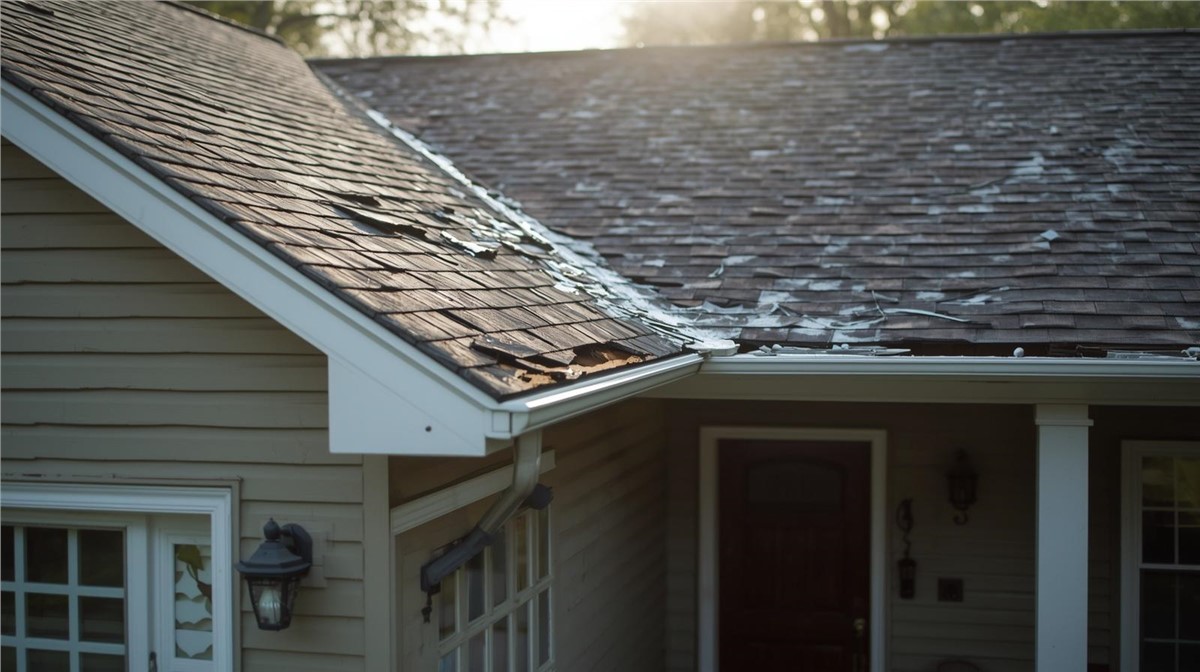
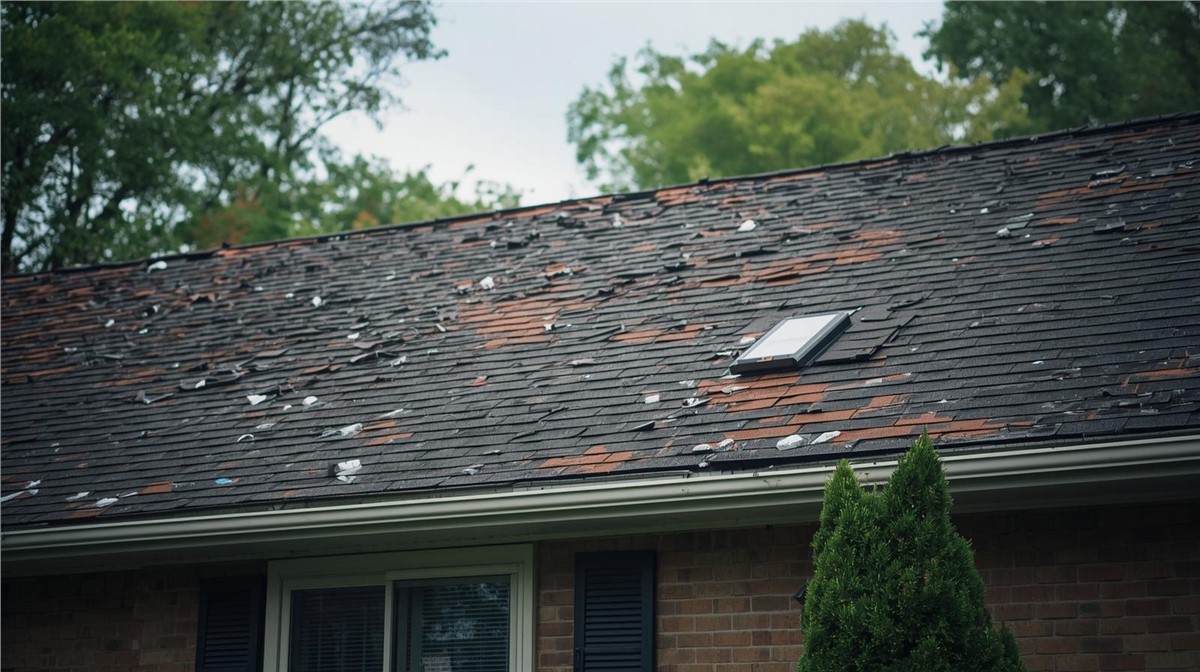
Hail can knock granules off asphalt shingles or create soft “bruised” spots that weaken them. These areas may:
Look slightly darker
Feel soft or spongy under gentle pressure (inspection by a professional is safest)
Shorten the lifespan of the roof
Bruised shingles often fail prematurely during the next freeze-thaw cycle.
Lifted or Loosened Shingles
Strong winds can break the seal that holds shingles in place without tearing them off. This creates gaps where water can enter during future storms.
Signs from the ground may include:
Uneven or lifted shingle edges
Tabs that appear misaligned
Even small lifting can lead to long-term leaks.
Flashing Damage
Flashing around chimneys, vents, skylights, and roof valleys is especially vulnerable.
Wind and debris can bend or loosen flashing, allowing water to seep into roof decking and wall cavities. Flashing issues are a common source of hidden leaks.
Siding Damage That Isn’t Immediately Visible
Storm damage to siding often looks minor at first but can allow moisture behind wall systems.
Hairline Cracks and Impact Marks
Hail or flying debris may leave small cracks, chips, or dents in siding. These openings can:
Allow water infiltration
Expand over time due to freeze-thaw cycles
Lead to mold or rot behind walls
Even tiny cracks can become serious if ignored.
Loose Panels After High Winds
Strong winds can pull siding panels slightly away from the wall without fully detaching them. Gaps at seams or corners allow wind-driven rain to enter.
Walk around your home and look for:
Panels that look uneven
Sections that rattle in the wind
Gaps near trim or corners
Window and Door Warning Signs
Storms often stress seals around windows and doors.
Failed Caulking or Sealant
Heavy rain and wind pressure can weaken caulking. Over time, this leads to:
Drafts
Water intrusion
Rotting trim
Look for cracked, peeling, or missing sealant around frames.
Subtle Interior Clues
Sometimes the first signs of exterior damage appear indoors:
Water stains near windows
Peeling paint or bubbling drywall
Musty odors
These can indicate water entering through compromised exterior seals.
Gutter and Drainage Issues After Storms
Gutters often show obvious storm damage, but some issues are easy to overlook.
Hidden Gutter Misalignment
Wind and debris can shift gutters slightly out of alignment, reducing drainage performance.
Signs include:
Water overflowing in areas that previously drained well
Gutters pulling away slightly from fascia boards
Poor drainage can send water behind siding or toward the foundation.
Downspout Disconnections
High winds or falling branches may loosen downspouts, causing water to spill near the home instead of flowing away.
This can lead to foundation moisture issues that appear long after the storm.
Foundation and Ground-Level Signs
Stormwater can cause problems at the base of the home.
New Soil Erosion
Heavy rainfall may wash soil away from the foundation, reducing proper grading and allowing water to pool.
Damp Basement Walls
Moisture in the basement after storms may point to exterior drainage or foundation issues rather than interior plumbing problems.
Why Hidden Damage Gets Worse Over Time
Even small storm-related issues can escalate.
For example:
A lifted shingle allows minor water entry
Repeated rain soaks roof decking
Mold or rot develops
Interior leaks appear months later
Midwest freeze-thaw cycles can rapidly worsen hidden cracks and gaps.
When to Schedule a Professional Inspection
Because many storm-related issues are difficult to see safely from the ground, it’s wise to have a professional inspection after:
Hailstorms
High-wind events
Heavy, prolonged rainfall
Professionals can safely examine roofing, flashing, siding, and drainage systems for subtle damage.
Preventing Future Problems
After storms, taking a proactive approach helps prevent hidden issues from spreading.
Clear debris from gutters and downspouts
Check attic and ceilings for new stains
Monitor for drafts or unusual moisture
Address small repairs promptly
Early action helps protect your home from long-term structural damage.
Frequently Asked Questions
Can hail damage a roof without visible holes?
Yes. Hail can bruise shingles and weaken them without causing immediate leaks.
Should I check my attic after storms?
Yes. Look for new water stains, damp insulation, or musty smells.
Is siding damage always obvious?
No. Small cracks or loosened panels can be easy to miss.
Do gutters need inspection after every storm?
It’s a good idea after severe storms, especially with heavy rain or wind.
Can hidden damage affect home value?
Yes. Undetected moisture and structural issues can reduce long-term property value.
Protecting Your Home After Midwest Storms
Midwest storms can leave behind damage you don’t see right away—but that doesn’t mean it isn’t there. Knowing how to spot hidden exterior damage helps you act early, protect your home, and avoid costly repairs.
Huskie Exteriors works with homeowners across Wisconsin and Illinois, bringing experience in roofing, siding, windows, and gutters built for Midwest conditions. A careful post-storm evaluation can help ensure your home stays protected, season after season.
Subscribe to Huskie Exteriors's Blog





Comments