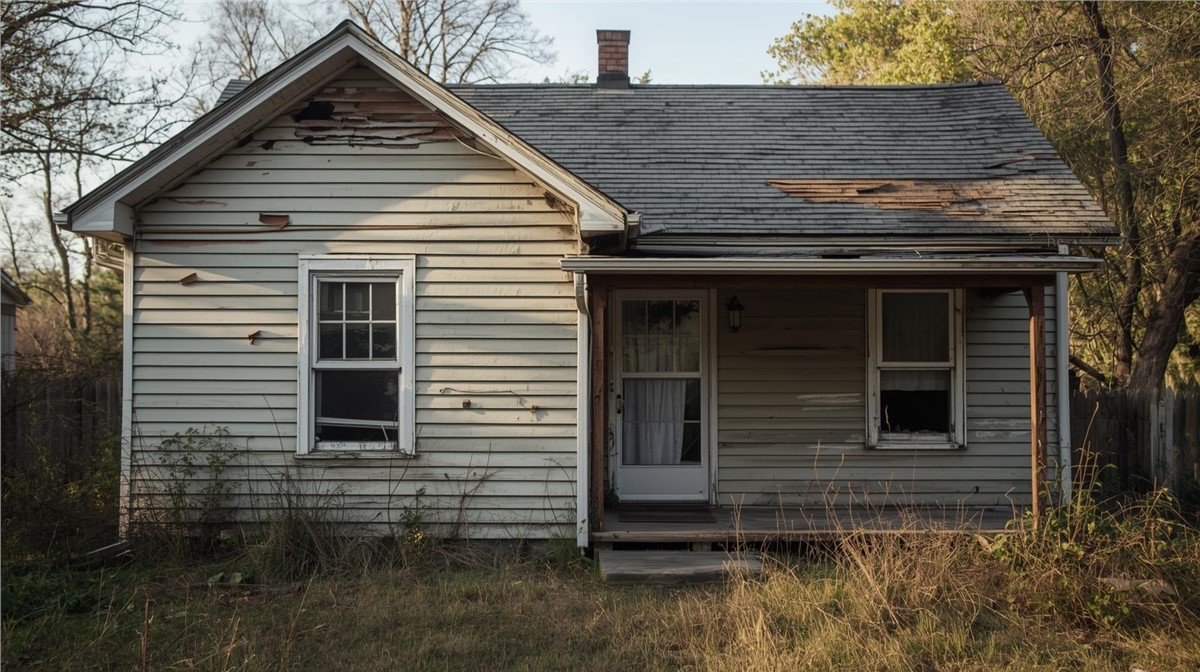
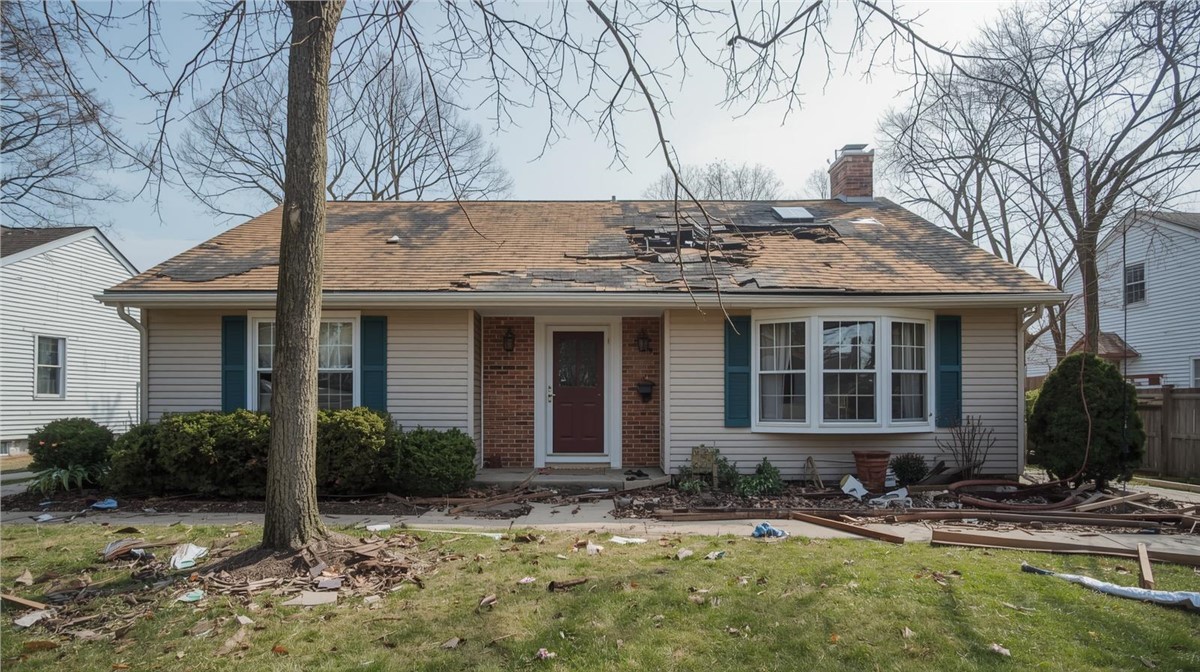
It’s easy to put off small exterior repairs—especially when your home still “looks fine” from the curb. But in Wisconsin and Illinois, where homes face snow, ice, heavy rain, wind, and temperature swings, minor exterior issues can turn into major damage surprisingly fast.
Understanding what happens if you delay exterior repairs too long can help you make informed decisions and avoid costly, stressful surprises down the road. Roofing, siding, windows, and gutters all work together to protect your home. When one part starts to fail, the effects can spread quickly.
Small Problems Rarely Stay Small in the Midwest
Midwest weather accelerates wear and tear on exterior materials. Freeze-thaw cycles, moisture, and storms exploit even minor weaknesses.
A loose shingle, cracked siding panel, or leaking gutter might seem minor—but under harsh seasonal conditions, those small issues can escalate into structural damage, mold growth, or interior repairs.
Roof Issues Can Lead to Interior Damage
What Starts Small
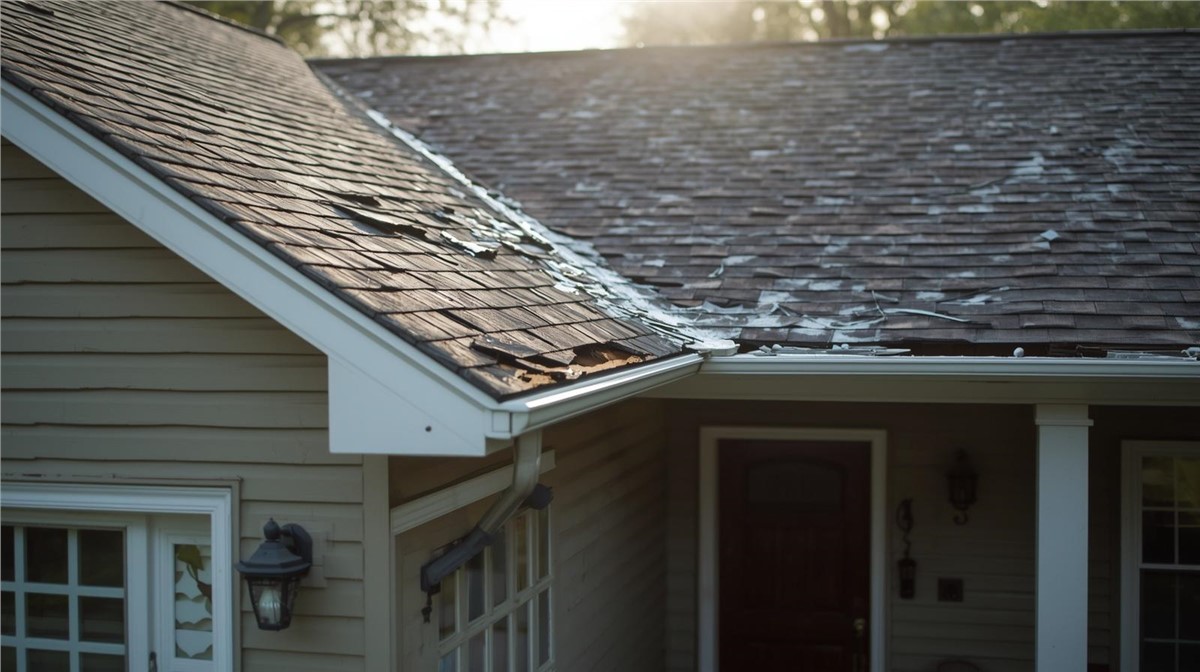
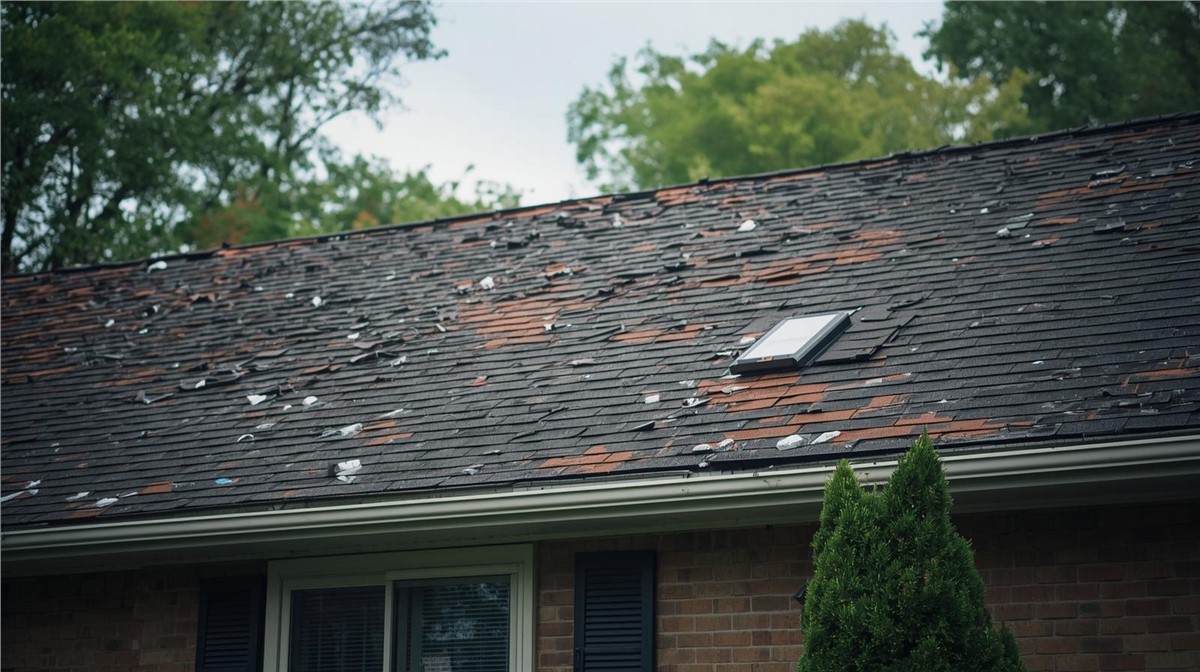
A few missing shingles
Minor flashing damage
Small areas of granule loss
What Can Happen Over Time
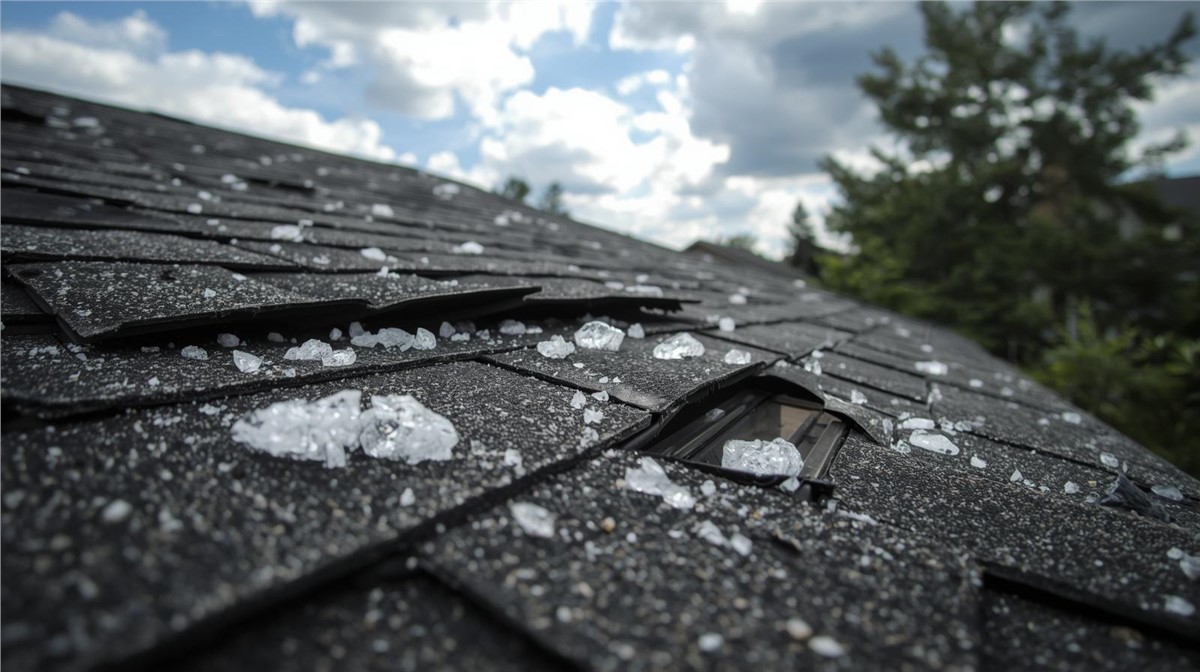
Water can seep under roofing materials, especially during snowmelt or heavy rain. Delaying repairs can lead to:
Rotting roof decking
Mold in attic insulation
Stained ceilings and walls
Electrical hazards from moisture exposure
In Wisconsin and Illinois, winter ice dams can force water into these vulnerable areas, making delays especially risky.
Siding Damage Allows Moisture Into Walls
Siding protects your home’s wall structure from moisture and wind.
Early Warning Signs
Cracks or loose panels
Warping or bubbling
Gaps at seams or trim
Consequences of Delay
Moisture can enter wall cavities, causing:
Mold and mildew growth
Rotting sheathing and framing
Reduced insulation effectiveness
Pest entry points
These issues often remain hidden until repairs become extensive and costly.
Gutters and Drainage Problems Spread Damage
Gutters play a critical role in protecting both the roof and foundation.
Small Gutter Issues
Minor sagging
Small leaks at seams
Occasional overflow
What Happens If Ignored
Water may run down siding or pool near the foundation, leading to:
Siding rot and staining
Basement leaks
Foundation cracks
Soil erosion around the home
Spring snowmelt and heavy rains in the Midwest make proper drainage especially important.
Window and Trim Deterioration Gets Worse Over Time
Caulking and seals around windows and doors wear down gradually.
Delayed Maintenance Can Lead To
Drafts and energy loss
Water intrusion into wall cavities
Rotting wood trim
Interior wall damage
What starts as a small seal failure can become a full window replacement if moisture damage spreads.
Energy Efficiency Declines
Exterior damage often leads to air leaks and insulation problems.
When repairs are delayed, homeowners may notice:
Higher heating bills during Wisconsin and Illinois winters
Increased cooling costs in humid summers
Drafty rooms and uneven temperatures
These comfort issues often trace back to small exterior failures that went unaddressed.
Structural Damage Becomes More Likely
Water is one of the biggest threats to a home’s structure.
When moisture penetrates roofing or siding systems over time, it can cause:
Wood rot in framing
Weakened roof decking
Compromised wall structures
Foundation stress from excess moisture
Structural repairs are far more expensive and disruptive than early exterior maintenance.
Mold and Indoor Air Quality Issues
Moisture trapped behind walls or in attics creates ideal conditions for mold growth.
Mold can lead to:
Musty odors
Health concerns for occupants
Costly remediation
Damage to drywall and insulation
Addressing exterior issues early helps prevent these hidden problems.
Storm Damage Gets Worse When Repairs Are Delayed
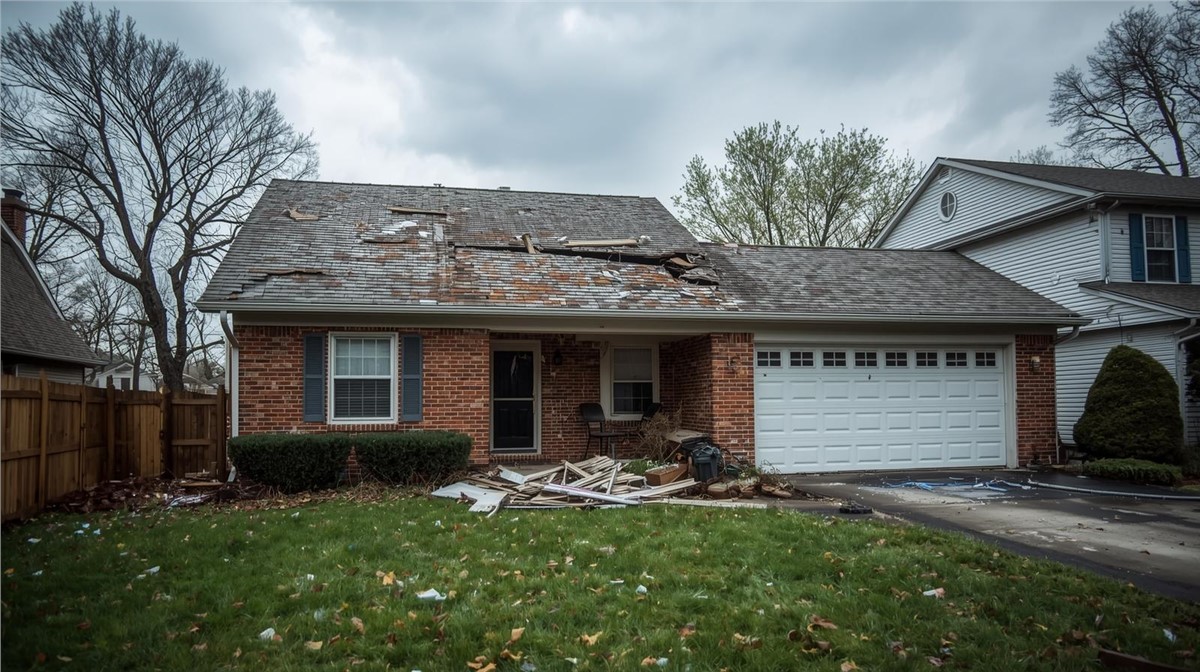
A minor issue today can become major after the next storm.
For example:
A loose shingle can be torn off in high winds
Cracked siding can allow heavy rain inside
A weak gutter section can detach under ice weight
Midwest storms don’t wait for convenient timing, which makes proactive repairs important.
Repair Costs Increase Over Time
Delaying repairs often leads to a chain reaction of damage.
What might have been:
A simple shingle repair
A small siding patch
A gutter reseal
can turn into:
Roof decking replacement
Full siding replacement
Foundation or interior water damage repairs
The longer issues are ignored, the more systems they affect.
Insurance Claims May Be Complicated
Insurance typically covers sudden damage, not gradual deterioration. If a problem worsens due to lack of maintenance, coverage may be limited.
Prompt repairs help maintain documentation and reduce the risk of denied claims.
Signs You Shouldn’t Wait Any Longer
You should address exterior repairs promptly if you notice:
Active leaks or water stains
Loose or missing shingles
Cracked or warped siding
Gutters pulling away from the house
Drafts near windows or doors
Moisture in the basement after storms
These signs often indicate that minor issues are already progressing.
The Value of Acting Early
Timely repairs help:
Protect your home’s structure
Maintain energy efficiency
Prevent mold and moisture damage
Extend the lifespan of exterior systems
Avoid emergency repair situations
In climates like Wisconsin and Illinois, proactive care makes a significant difference.
Frequently Asked Questions
Can I wait until spring to fix small issues?
It depends. Winter conditions can worsen damage, especially with roofing and drainage issues.
Are small leaks really urgent?
Yes. Even minor leaks can cause hidden structural and mold damage over time.
Does delayed siding repair affect insulation?
Yes. Moisture behind siding reduces insulation effectiveness.
Will delaying repairs cost more later?
Often, yes. Small issues typically become larger and more expensive if ignored.
Should I inspect my exterior every year?
Yes. Annual inspections help catch issues early.
Don’t Let Small Problems Turn Into Big Repairs
Exterior repairs might not always feel urgent, but in Wisconsin and Illinois, weather conditions can quickly turn minor issues into serious damage. Addressing problems early helps protect your home, maintain comfort, and avoid costly surprises.
Huskie Exteriors works with homeowners throughout WI & IL, bringing experience across roofing, siding, windows, and gutters built for Midwest conditions. Taking a proactive approach to exterior care helps ensure your home stays protected through every season.
Subscribe to Huskie Exteriors's Blog





Comments