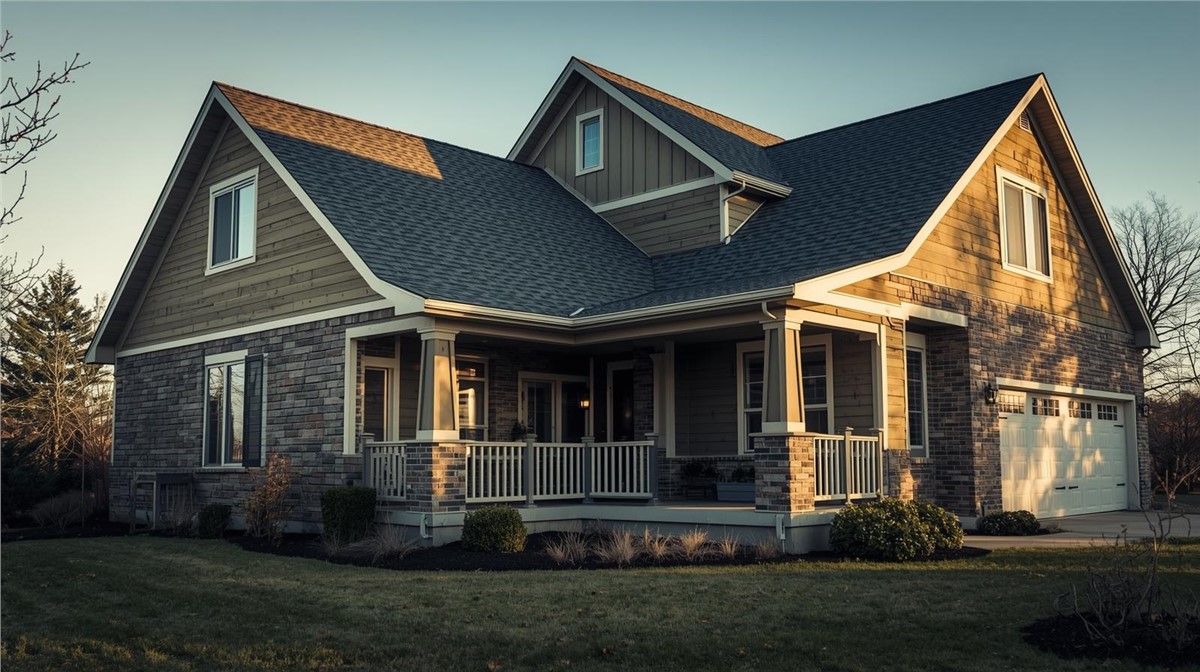
Homes in Wisconsin and Illinois face some of the most demanding weather conditions in the country. From subzero winters and heavy snow to powerful summer storms and high winds, Midwest homes endure constant environmental stress. Because of this, choosing durable, high-performance exterior materials isn’t just a preference—it’s a necessity.
Understanding why Midwest homes need stronger exterior materials helps homeowners make informed decisions about roofing, siding, windows, and gutters. Stronger materials don’t just last longer; they also improve comfort, reduce maintenance, and protect your home from costly damage.
The Midwest Climate Is Hard on Homes
Unlike regions with mild or consistent weather, the Midwest experiences dramatic seasonal swings.
Homes in Wisconsin and Illinois must handle:
Long periods of freezing temperatures
Heavy snow loads and ice buildup
Freeze-thaw cycles that expand cracks
Strong winds and severe thunderstorms
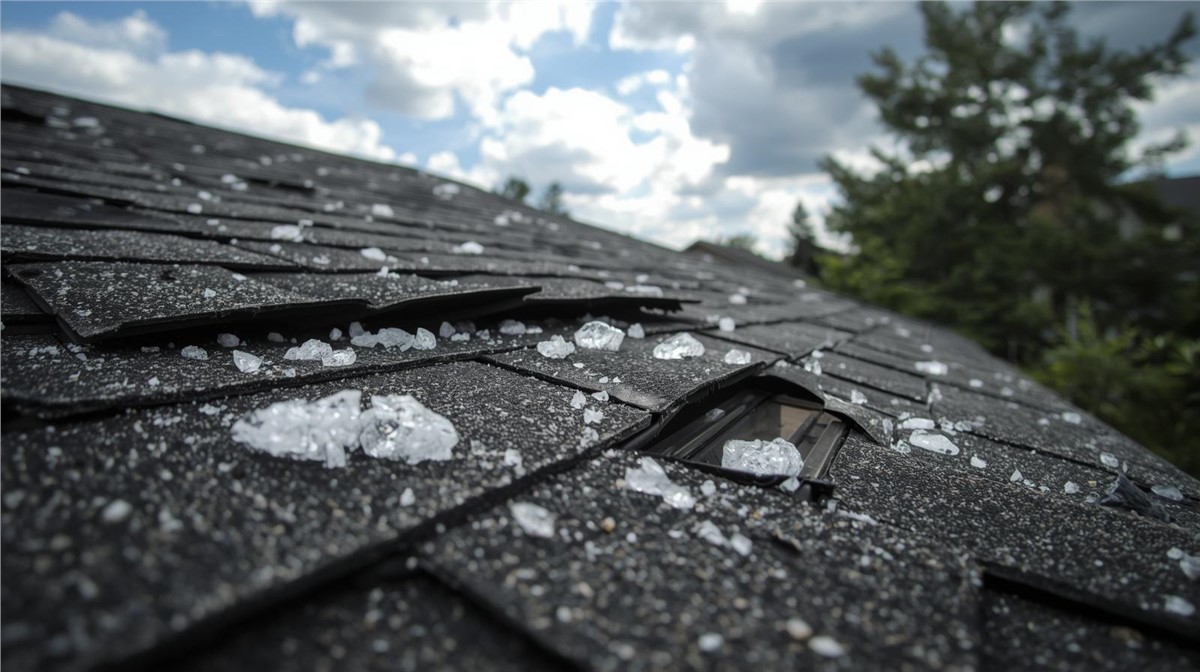
Hail and wind-driven rain
Hot, humid summers
These conditions create constant expansion, contraction, moisture exposure, and impact stress on exterior materials.
Freeze-Thaw Cycles Accelerate Wear
One of the most damaging climate factors in the Midwest is the freeze-thaw cycle.
When water seeps into small cracks in roofing, siding, or trim, it freezes and expands. This process:
Worsens small cracks
Breaks down sealants
Loosens fasteners
Allows more moisture intrusion
Weaker materials deteriorate much faster under these repeated cycles, leading to leaks and structural issues.
Snow and Ice Add Weight and Moisture
Heavy snowfall isn’t just a winter inconvenience—it puts significant strain on roofs and drainage systems.
Roofing Stress
Prolonged snow loads can:
Stress aging roof structures
Expose weak decking
Increase risk of ice dams
Stronger roofing materials and proper ventilation help roofs withstand these conditions.
Ice Dams
When snow melts and refreezes at roof edges, it traps water behind ice ridges. This forces water under shingles and into walls. Durable materials and proper installation reduce the risk of damage from these events.
Wind and Storm Damage
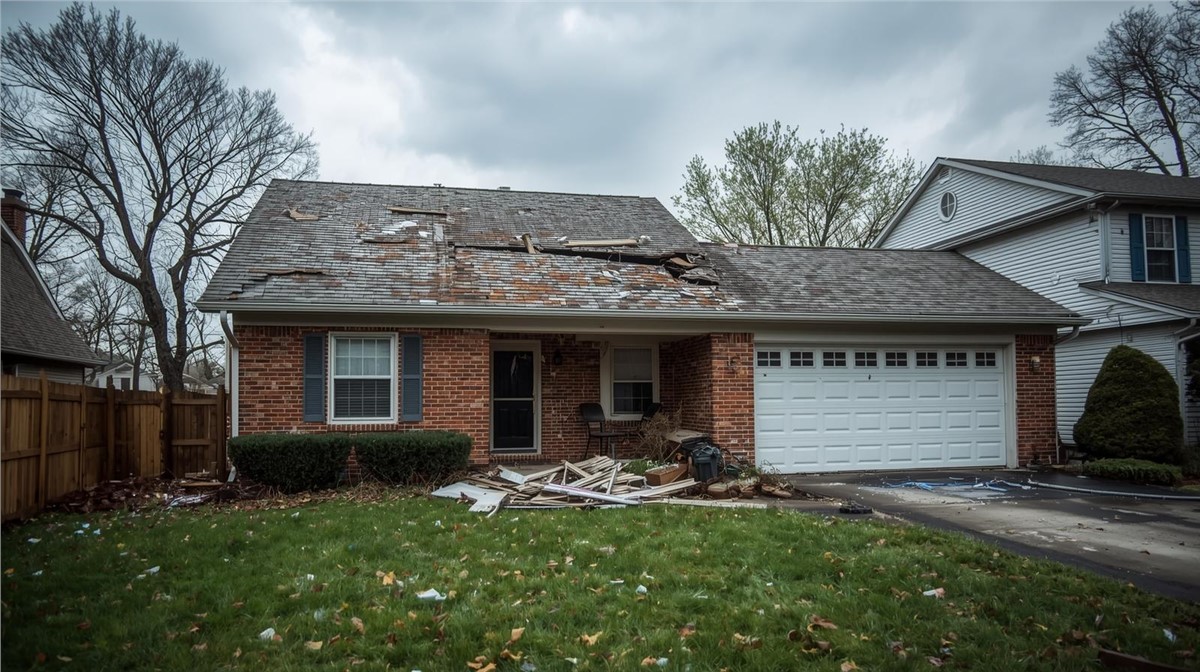
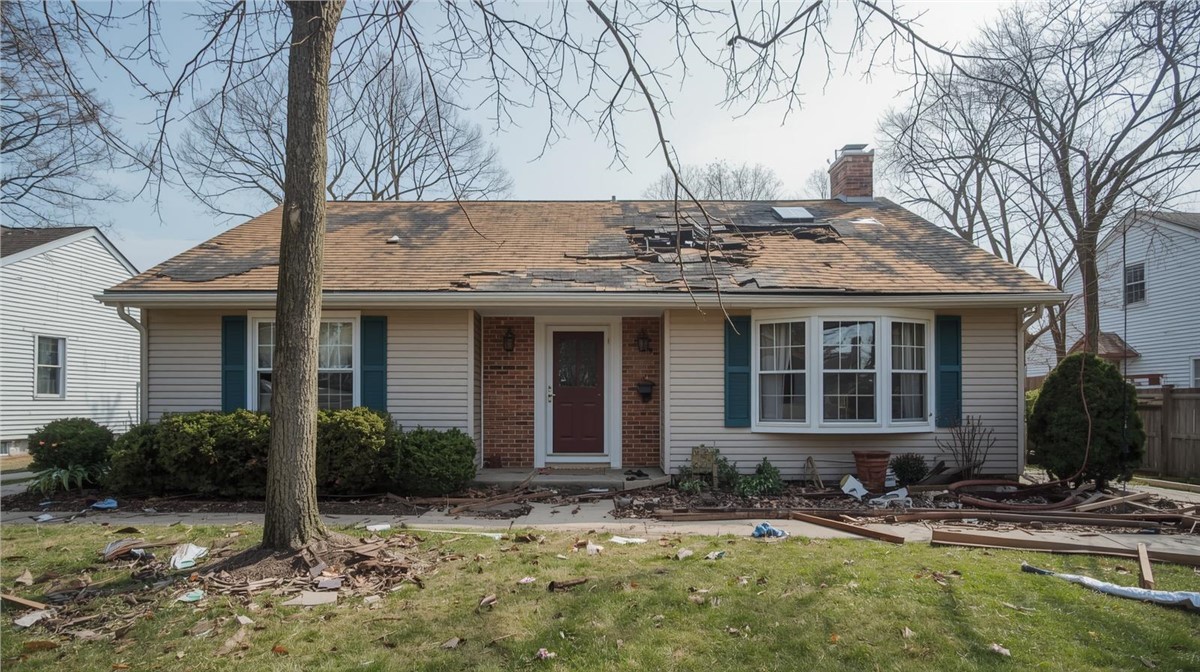
Midwest storms frequently bring high winds, hail, and flying debris.
Roofing Vulnerabilities
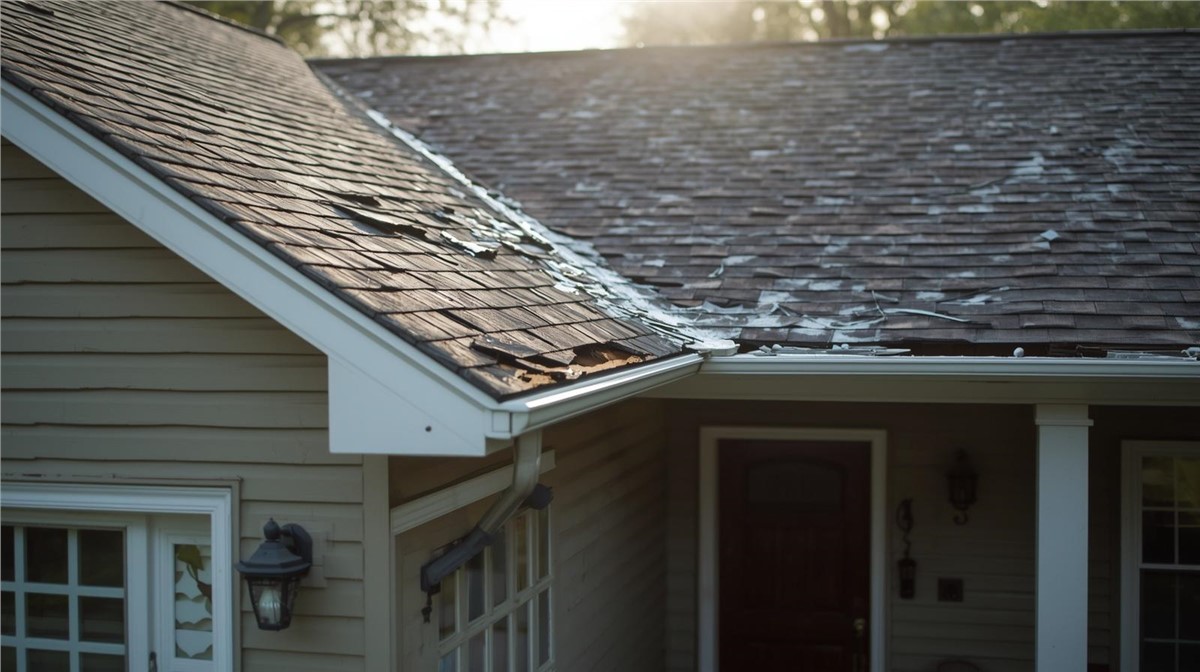
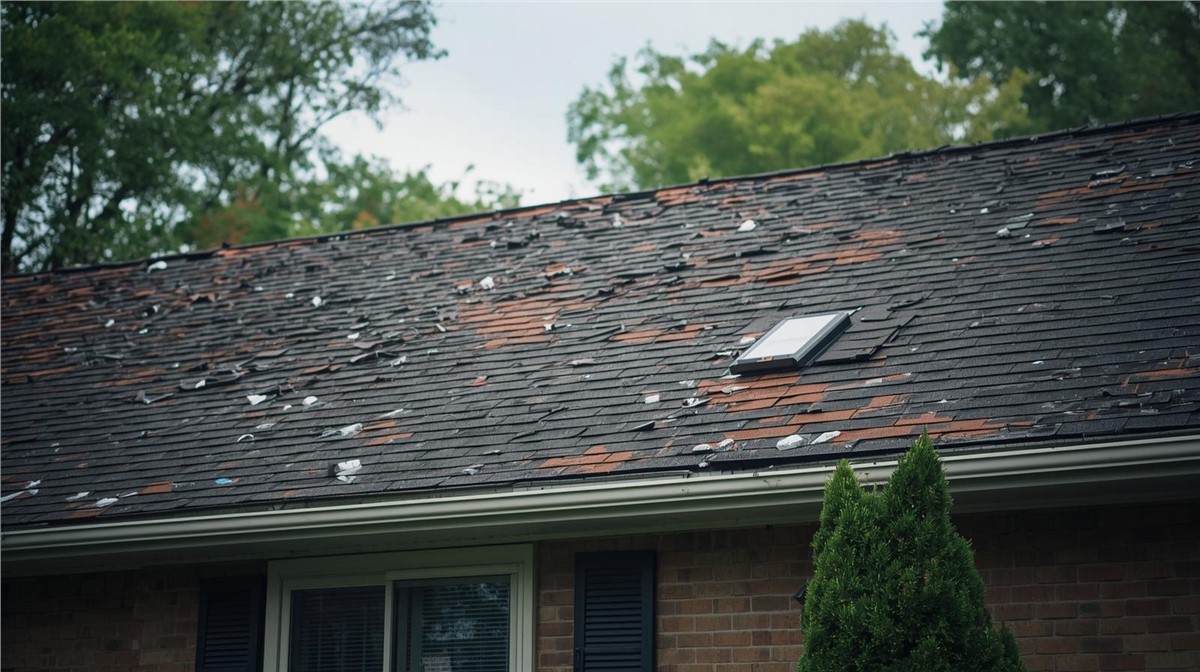
Lower-quality shingles are more likely to:
Lose granules
Crack under impact
Lift or tear in strong winds
Impact-resistant and high-wind-rated materials perform better in storm-prone areas.
Siding Impact
Hail and debris can dent or crack siding. Stronger siding materials resist impact and reduce the chance of moisture entering wall systems.
Moisture Exposure Is Constant
Rain, melting snow, and humidity expose homes to year-round moisture.
Siding and Wall Protection
Siding must protect insulation and framing from water infiltration. Stronger materials with proper sealing resist warping, cracking, and rot.
Windows and Trim
Durable frames and flashing systems help prevent leaks during wind-driven rain, which is common during Midwest storms.
Temperature Swings Stress Materials
It’s common in Wisconsin and Illinois to see temperature swings of 30–40 degrees within a single day.
This constant expansion and contraction can
Loosen fasteners
Break seals
Cause gaps at joints
Lead to premature material fatigue
High-quality materials designed for thermal movement perform better over time.
Roofing: Why Durability Matters
Stronger roofing materials provide better protection against Midwest conditions.
Benefits of High-Performance Roofing
Better resistance to hail and wind
Longer lifespan under snow and ice stress
Improved sealing against water intrusion
Upgrading to higher-grade shingles or metal roofing often results in fewer repairs and longer service life.
Siding: Protecting Walls From the Elements
Siding shields the home’s structure and insulation.
Why Stronger Siding Helps
Resists cracking in extreme cold
Handles wind-driven rain more effectively
Reduces moisture intrusion
Maintains appearance longer
Materials like fiber cement or insulated vinyl siding often outperform lower-cost options in Midwest climates.
Windows: Handling Temperature and Moisture
Windows face both air pressure from wind and temperature extremes.
Benefits of Stronger Window Systems
Better seals reduce drafts
Durable frames resist warping
Multi-pane glass improves insulation
Reduced condensation risk
Stronger windows contribute to both comfort and long-term durability.
Gutters: Managing Heavy Water Flow
Gutters in the Midwest must handle rapid snowmelt and heavy rainfall.
Why Stronger Gutter Systems Matter
Less likely to sag under ice weight
Fewer leaks at seams
Better water control during storms
Seamless gutters with sturdy mounting systems often perform better over time.
Stronger Materials Mean Fewer Repairs
While high-performance materials may cost more upfront, they often reduce:
Frequent maintenance
Storm damage repairs
Water-related structural issues
Early replacement costs
In climates like Wisconsin and Illinois, durability often pays off over the long term.
Energy Efficiency Benefits
Stronger exterior materials also help improve energy efficiency.
Better-sealed windows reduce heat loss
Insulated siding improves wall performance
Durable roofing supports proper ventilation
These improvements help maintain indoor comfort during long winters and hot summers.
When It’s Time to Upgrade to Stronger Materials
You may want to consider higher-performance materials if:
Your current exterior shows repeated storm damage
Repairs are becoming frequent
You’re planning long-term home ownership
Energy bills are rising due to air leaks
Upgrading once to stronger materials can prevent ongoing problems.
Frequently Asked Questions
Are stronger materials always more expensive?
Upfront costs may be higher, but longer lifespan and fewer repairs can make them more cost-effective over time.
Do all Midwest homes need impact-resistant roofing?
Not always, but in storm-prone areas, it can provide added protection.
Does stronger siding improve energy efficiency?
Yes. Better sealing and insulation support lower heating and cooling loss.
Can installation quality affect material strength?
Absolutely. Even strong materials perform poorly if installed incorrectly.
How long do high-performance materials last?
Often significantly longer than standard materials when properly maintained.
Building for Midwest Conditions
Homes in Wisconsin and Illinois need exterior systems designed for more than average weather. Stronger roofing, siding, windows, and gutters help homes stand up to snow, storms, moisture, and temperature extremes.
Huskie Exteriors works with homeowners across WI & IL, bringing experience in durable exterior solutions built for Midwest conditions. Choosing the right materials and proper installation helps ensure your home stays protected, comfortable, and resilient for years to come.
Subscribe to Huskie Exteriors's Blog



Comments