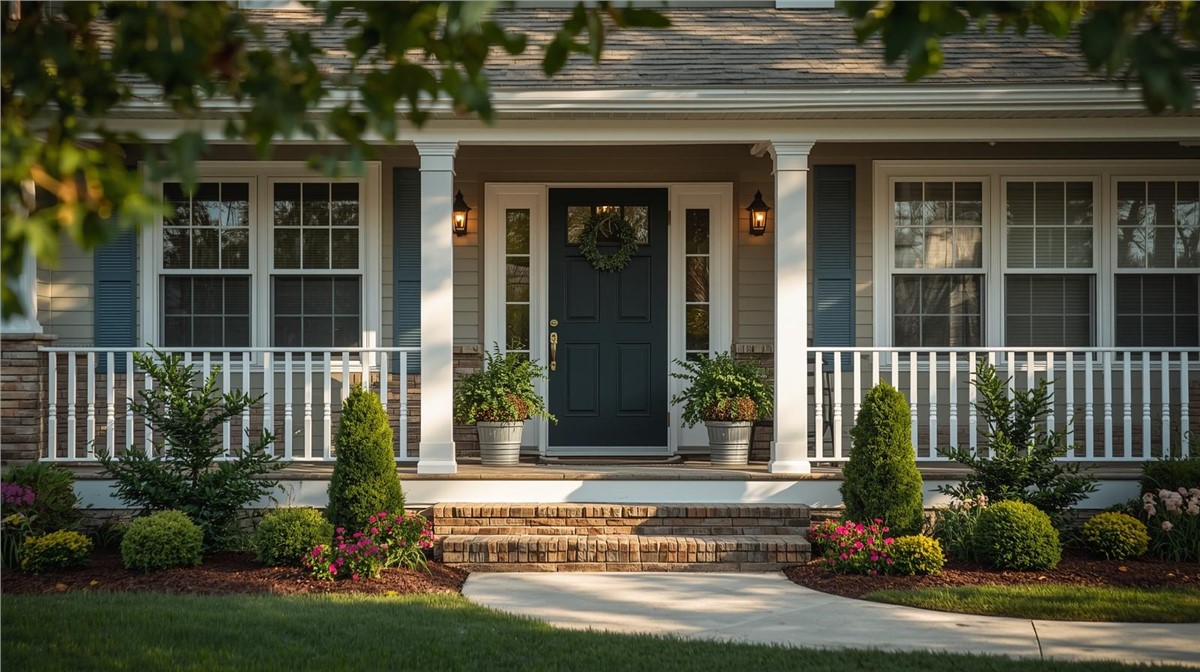
Exterior home upgrades are some of the most important investments homeowners in Wisconsin and Illinois can make. Roofing, siding, windows, and gutters don’t just affect curb appeal—they protect your home from harsh Midwest weather, improve energy efficiency, and help prevent costly structural damage.
But planning these projects can feel overwhelming, especially when trying to balance priorities, timing, and cost. Understanding how to budget for exterior home upgrades in WI & IL helps you plan wisely, avoid financial surprises, and make improvements that deliver long-term value.
Why Budgeting Matters More in the Midwest
Homes in Wisconsin and Illinois face unique environmental demands:
Heavy snow and ice in winter
Spring rain and snowmelt
Summer heat and humidity
Strong winds and storms throughout the year
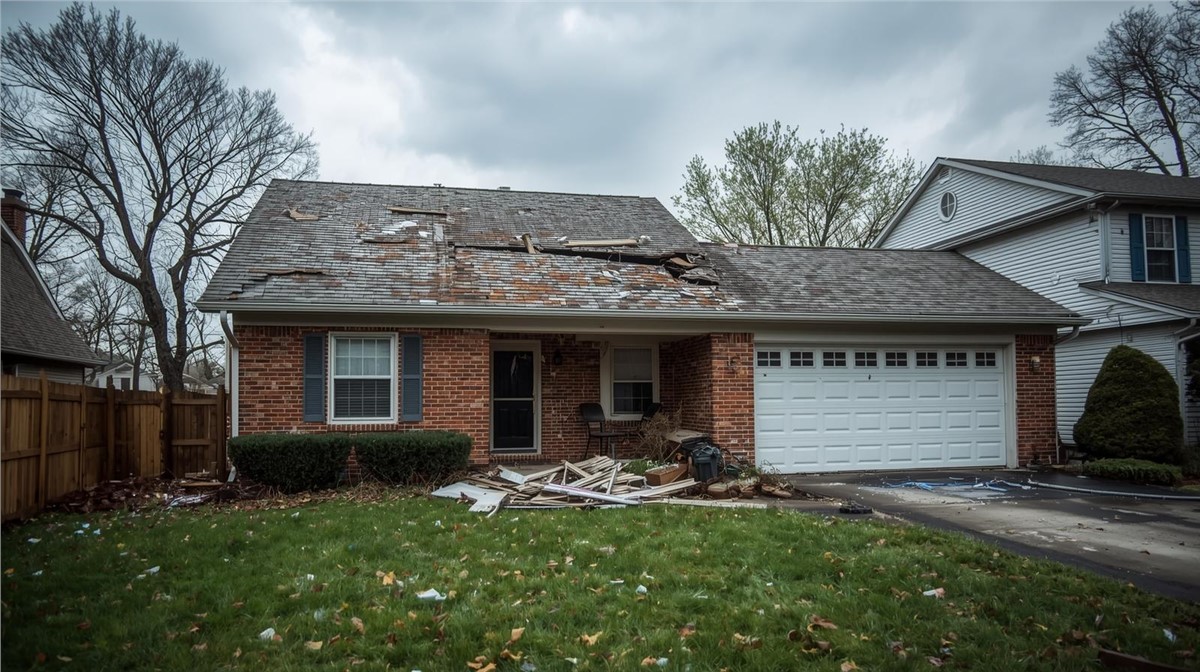
These conditions cause exterior materials to wear faster than in milder climates. Waiting too long to address aging roofing, siding, or gutters often leads to more expensive repairs later. A thoughtful budget allows you to stay ahead of damage instead of reacting to emergencies.
Start With a Full Exterior Assessment
Before setting a budget, it’s important to understand your home’s current condition.
What to Evaluate
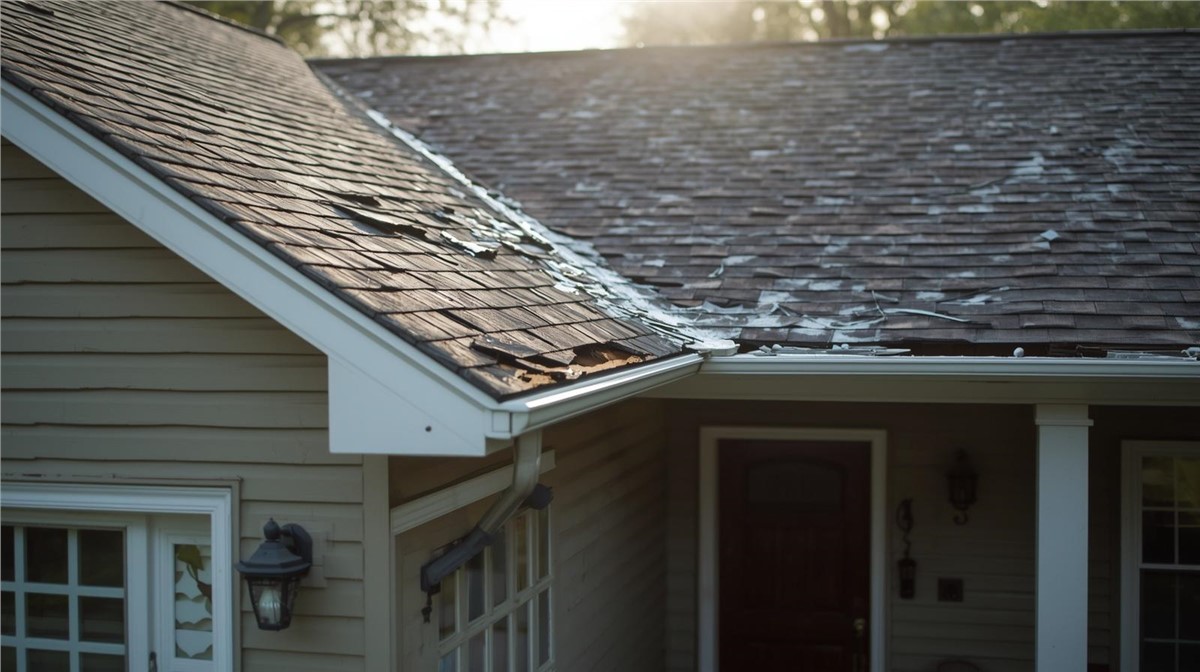
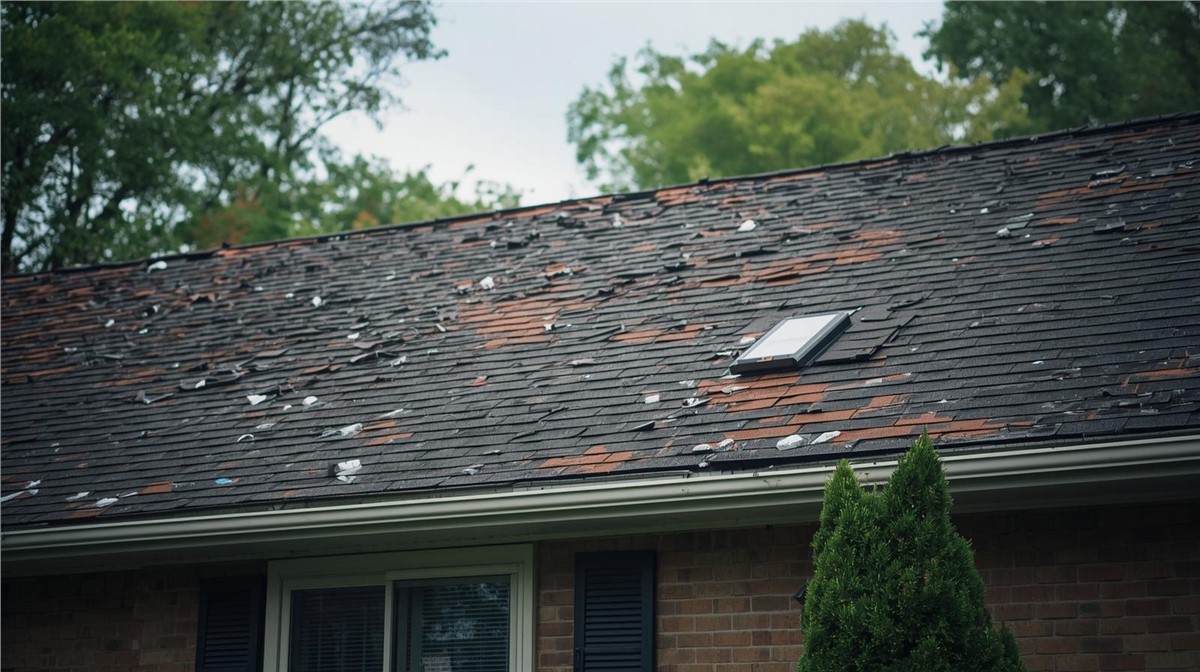
Roof age and visible wear
Siding condition, cracks, or warping
Window drafts or seal failures
Gutter alignment and drainage performance
Signs of moisture near the foundation
A professional exterior inspection can identify both visible issues and hidden vulnerabilities. This helps prioritize upgrades and prevents spending money on cosmetic improvements while more urgent problems go unaddressed.
Prioritize by Protection, Not Just Appearance
When budgeting, focus first on systems that protect your home’s structure.
Top Priority: Roofing
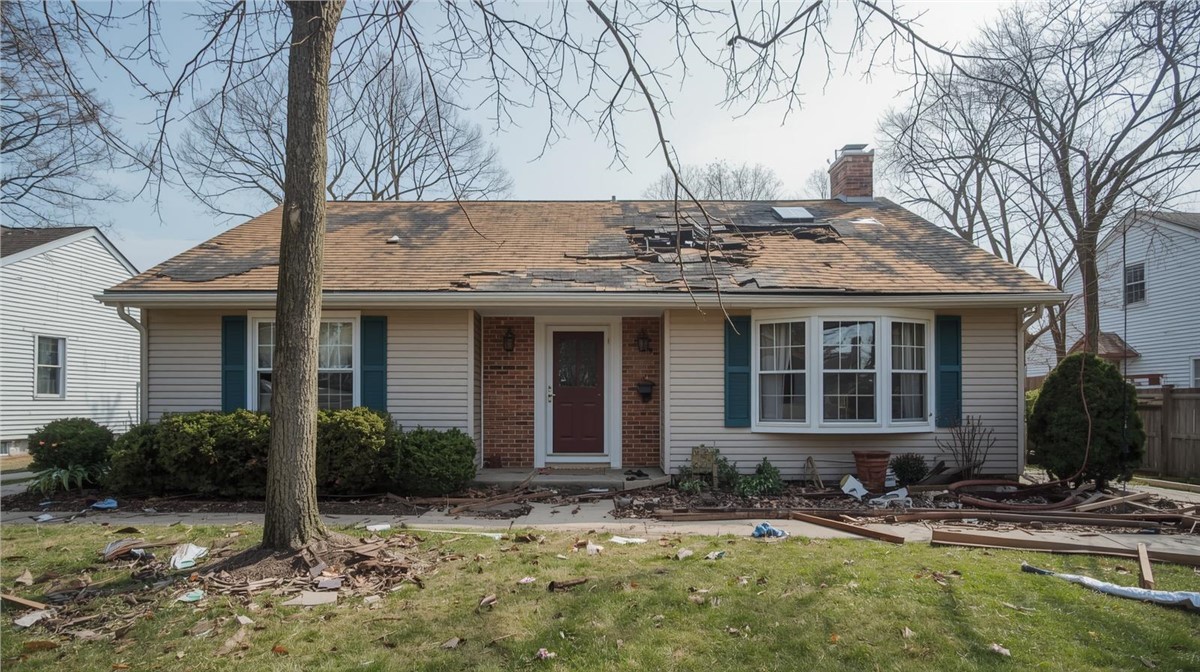
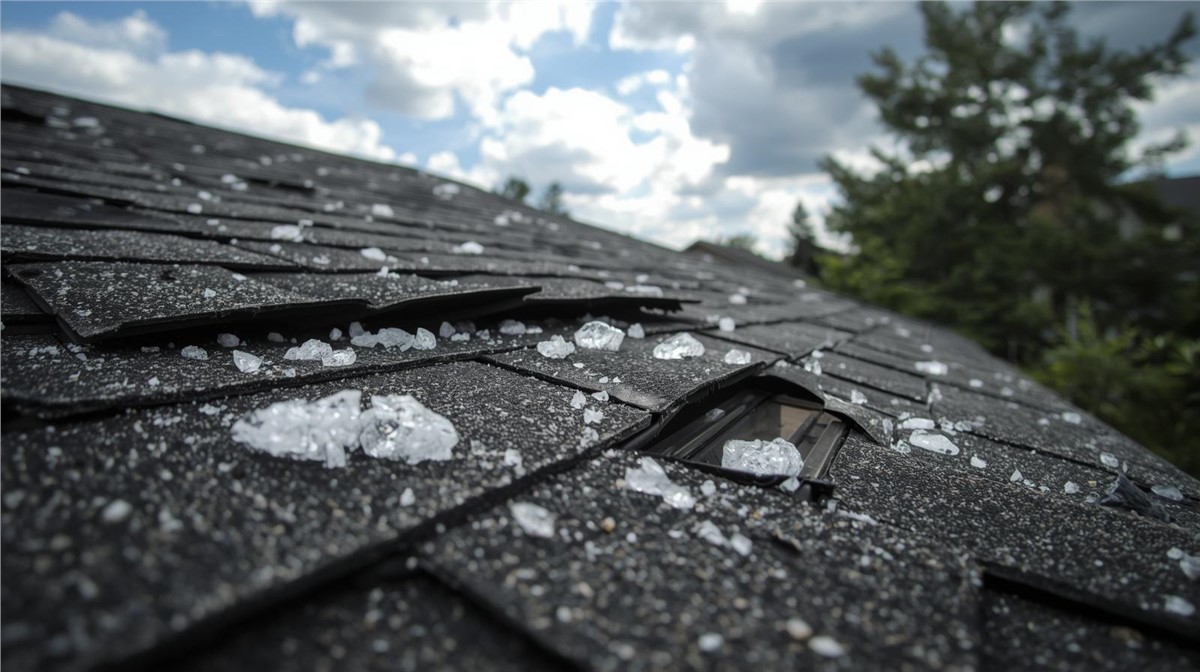
Your roof shields the entire home. In WI & IL, winter snow loads, ice dams, and storms make roofing issues especially serious. If your roof is nearing the end of its lifespan, it should usually be the first major exterior investment.
Next: Gutters and Drainage
Proper drainage protects siding, foundations, and basements. Gutter upgrades are often more affordable than other exterior projects but prevent expensive moisture damage.
Then: Siding and Windows
Siding and windows improve energy efficiency and curb appeal, but they also protect wall systems from moisture and air infiltration. If these systems are failing, they should move higher on your priority list.
Plan for Long-Term Value, Not Just Upfront Cost
Choosing the lowest price isn’t always the most cost-effective decision over time.
Consider Durability
Midwest weather demands materials that handle freeze-thaw cycles, moisture, and wind. Investing in durable roofing, insulated siding, and high-quality windows can reduce maintenance and extend lifespan.
Think About Energy Efficiency
Energy-efficient windows and insulated siding can help lower heating and cooling costs—especially during long winters and humid summers.
Factor in Maintenance
Some materials require more upkeep than others. Lower maintenance options can reduce future costs and time spent on repairs.
Break Projects Into Phases If Needed
Not every homeowner can or needs to complete all exterior upgrades at once.
Phased Approach Example
Year 1: Roof replacement
Year 2: Gutter and drainage improvements
Year 3–4: Siding and window upgrades
Phasing projects allows you to spread costs over time while still addressing the most critical needs first.
Set Aside a Contingency Fund
Exterior projects sometimes uncover hidden issues, especially in older Wisconsin and Illinois homes.
Examples include:
Rotted roof decking
Damaged sheathing behind siding
Outdated flashing around windows
Hidden moisture damage
Setting aside 10–15% of your project budget for contingencies helps prevent financial stress if unexpected repairs arise.
Time Projects Strategically
Seasonal timing can influence both cost and performance.
Best Times for Exterior Work
Late spring through fall is ideal for most roofing and siding projects
Fall is popular for preparing homes before winter
Spring is common for storm damage repairs
Scheduling in advance can help you avoid peak-season rush pricing and weather-related delays.
Consider Energy Savings and Incentives
Some energy-efficient exterior upgrades may qualify for rebates or tax incentives, depending on the product and current programs. While these shouldn’t drive decisions alone, they can help offset costs for upgrades like:
Energy-efficient windows
Insulated siding
Improved ventilation systems
These improvements also provide ongoing savings through lower utility bills.
Think About Home Value and Resale
Exterior upgrades often provide strong returns when it comes to home value.
In Midwest markets, buyers look for:
Newer roofing
Updated siding
Energy-efficient windows
Proper drainage systems
Well-maintained exterior systems signal that a home has been cared for, which can make it more attractive to future buyers.
Financing Options to Explore
Many homeowners use financing to make larger exterior projects manageable.
Common options include:
Home improvement loans
Home equity lines of credit (HELOCs)
Contractor-offered financing programs
Financing can allow you to address urgent needs now rather than waiting and risking more extensive damage.
Avoiding Common Budgeting Mistakes
Mistake 1: Delaying Necessary Repairs
Putting off roofing or drainage issues often leads to higher repair costs later.
Mistake 2: Focusing Only on Cosmetics
Curb appeal matters, but structural protection should come first.
Mistake 3: Not Planning for Maintenance
Even new exterior systems need occasional upkeep. Budget for inspections and minor maintenance.
How Exterior Systems Work Together
Budgeting is easier when you think of your home’s exterior as a connected system.
Roofing directs water into gutters
Gutters protect siding and foundations
Siding protects wall insulation
Windows affect both energy efficiency and moisture control
Addressing systems together when possible often improves performance and reduces future repair costs.
Signs It’s Time to Start Budgeting Now
You shouldn’t wait to plan if you notice:
Your roof is 15–20+ years old
Siding is cracked, warped, or fading significantly
Windows are drafty or hard to open
Gutters overflow or pull away from the house
Rising energy bills without HVAC changes
These signs suggest your exterior systems may be nearing the end of their useful life.
Frequently Asked Questions
How much should I budget annually for exterior maintenance?
Many homeowners set aside 1–3% of home value per year for maintenance and upgrades.
Is it better to replace siding and windows together?
Often, yes. Coordinating projects can improve sealing and reduce labor duplication.
Can I finance exterior upgrades?
Yes. Many financing options are available for home improvement projects.
Should I wait until something fails?
It’s usually more cost-effective to replace aging systems before major failure occurs.
Do higher-cost materials always last longer?
Not always, but in harsh Midwest climates, durability and proper installation are key factors.
Planning Today Protects Your Home Tomorrow
Budgeting for exterior home upgrades in Wisconsin and Illinois isn’t just about numbers—it’s about protecting your home from a demanding climate. By assessing your home’s condition, prioritizing wisely, and planning for long-term value, you can make improvements that enhance comfort, efficiency, and durability.
Huskie Exteriors works with homeowners across WI & IL, bringing experience in roofing, siding, windows, and gutters built for Midwest conditions. With a thoughtful approach to planning and a focus on whole-exterior performance, homeowners can invest confidently in improvements that stand up to every season.
Subscribe to Huskie Exteriors's Blog




Comments