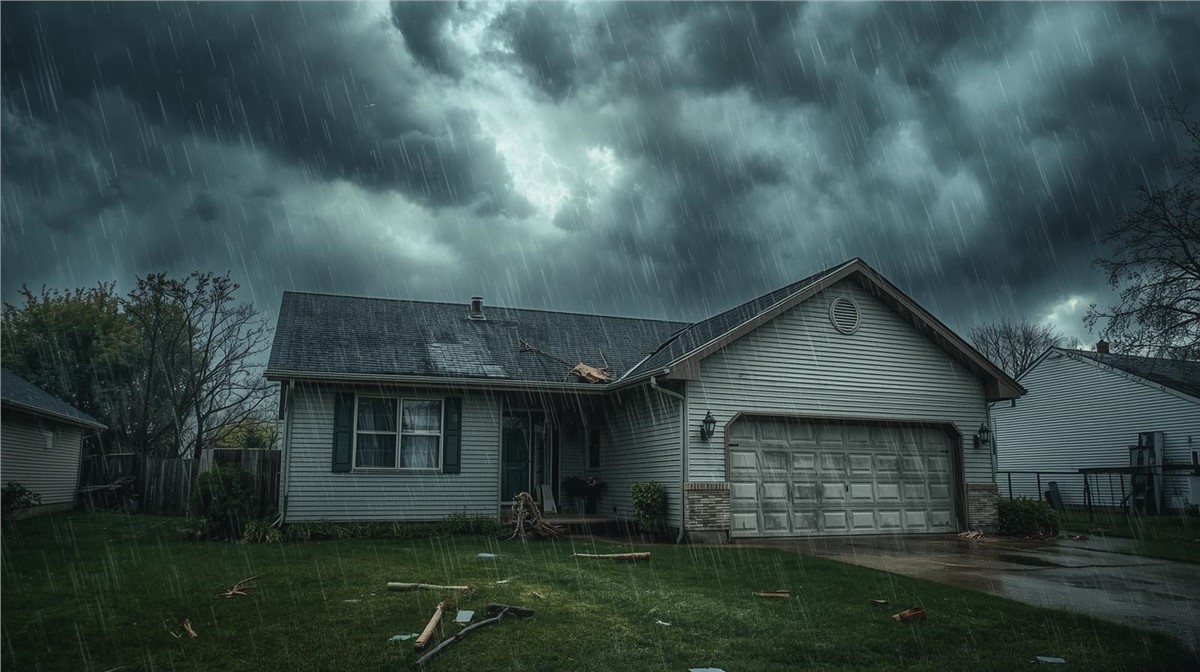
Storm season in Wisconsin and northern Illinois isn’t limited to one time of year. From spring hail and heavy rain to summer windstorms and even fall system remnants, Midwest homes face repeated weather events that test the strength of their exterior systems. Over time, these storms can cause both obvious and hidden damage to roofs, siding, windows, gutters, and foundations.
Understanding how storm season impacts homes in Wisconsin and northern Illinois helps homeowners spot problems early, reduce long-term damage, and make smarter decisions about maintenance and repairs. Below, we break down the most common storm-related risks and how they affect different parts of your home.
What “Storm Season” Means in the Midwest
Unlike coastal regions with a defined hurricane season, the Midwest experiences multiple storm patterns throughout the year:
Spring: Severe thunderstorms, hail, and high winds
Summer: Heavy rain, lightning, and straight-line wind events
Late summer/fall: Remnants of larger storm systems bringing heavy rainfall
Year-round: Sudden temperature shifts and strong weather fronts
This repeated exposure means homes in WI & northern IL rarely get a long break from storm-related stress.
How Storms Affect Your Roof
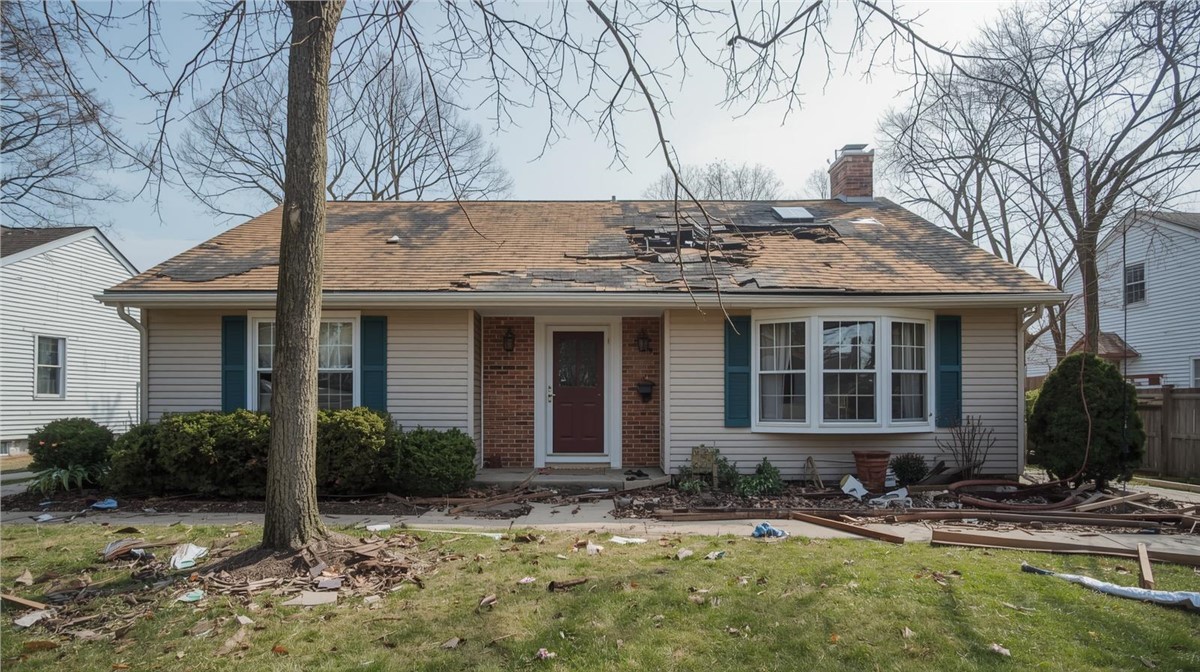
Your roof takes the brunt of nearly every storm, and damage isn’t always obvious right away.
Hail Damage
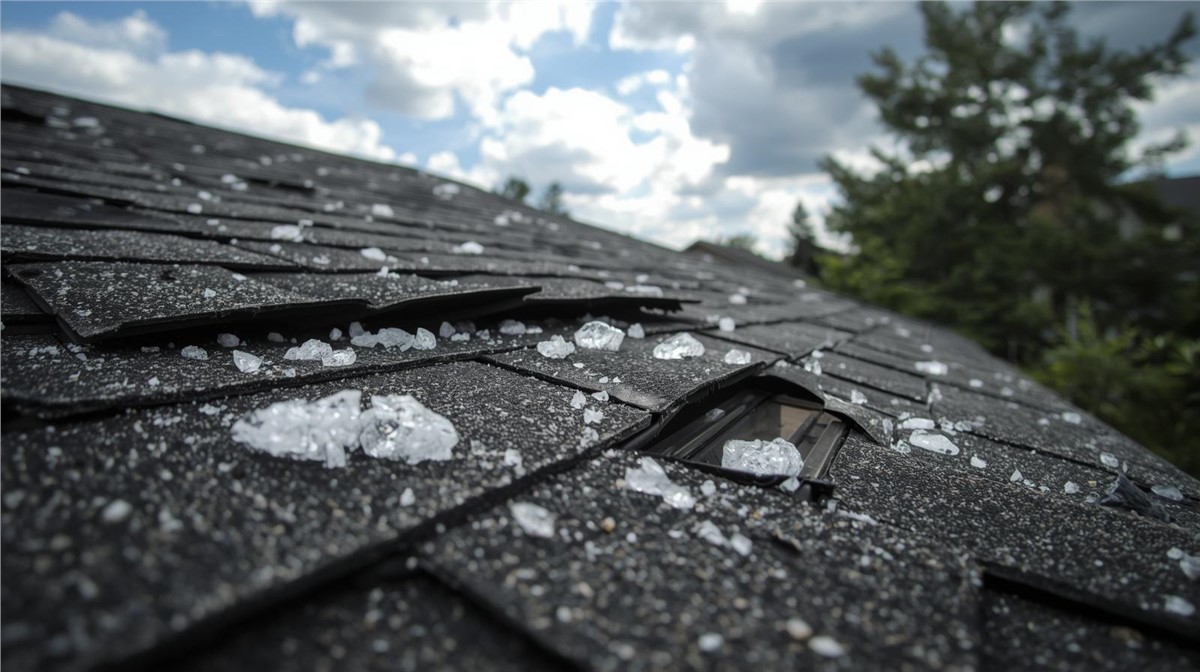
Hail is common during spring and summer storms in this region. Even small hailstones can:
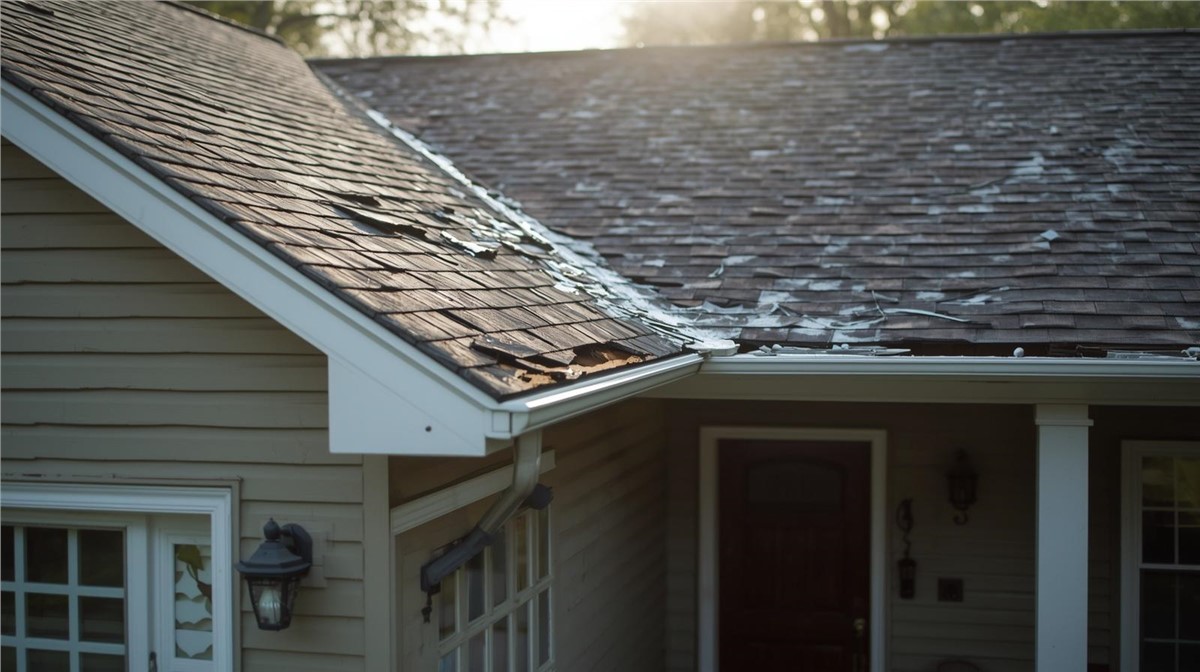
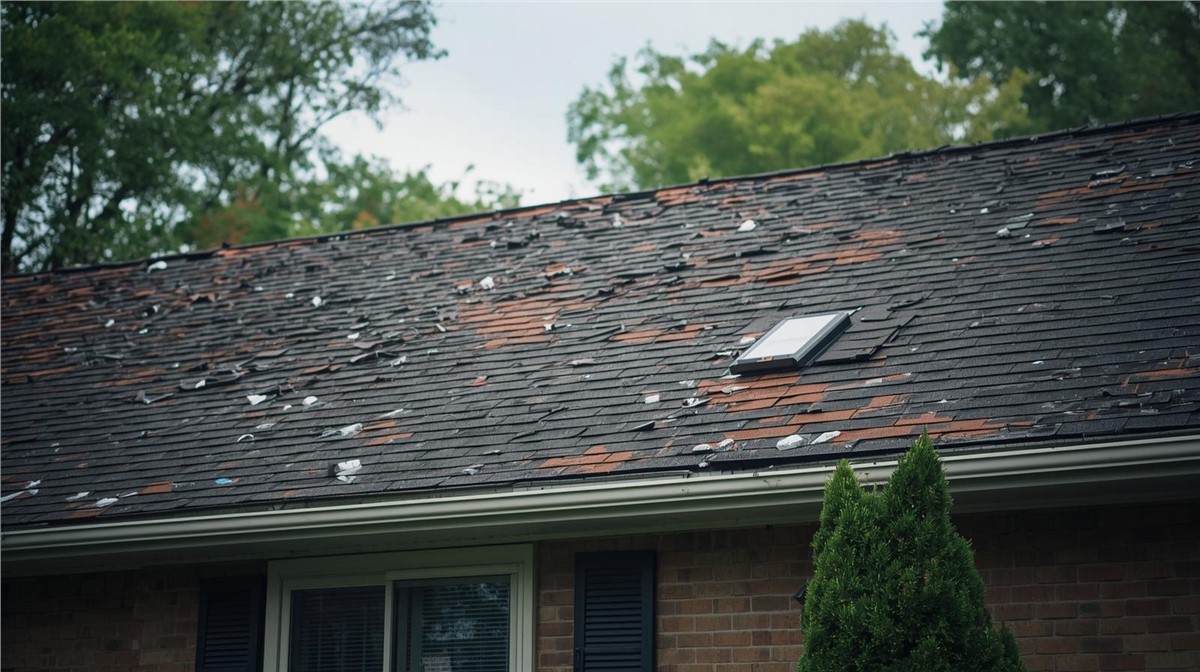
Knock protective granules off asphalt shingles
Create soft impact spots that weaken shingles
Shorten the overall lifespan of roofing materials
Hail damage often doesn’t cause immediate leaks, but it accelerates wear and can lead to premature roof failure.
Wind Damage
Strong straight-line winds and gusty thunderstorms can:
Lift or loosen shingles
Break the adhesive seal that keeps shingles in place
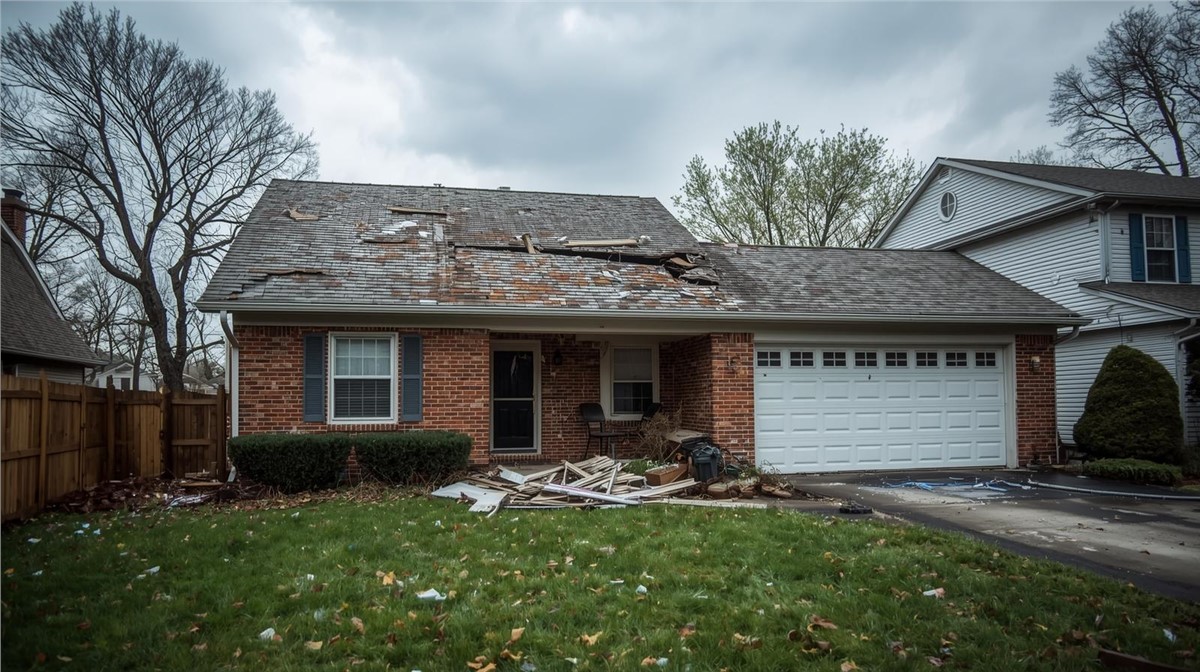
Blow debris onto the roof, causing impact damage
Shingles that lift during a storm may settle back down, hiding damage that allows water intrusion later.
Heavy Rain and Roof Leaks
Midwest storms can drop large amounts of rain in short periods. When flashing, shingles, or roof penetrations are already vulnerable, heavy rain can:
Force water under roofing materials
Exploit small gaps or cracks
Cause leaks that appear days or weeks later
Water often travels before showing up inside, making roof-related leaks tricky to trace.
Siding and Exterior Wall Damage
Siding is designed to shed water, but storm conditions can push it beyond normal limits.
Wind-Driven Rain
Strong winds can push rain sideways, forcing moisture into:
Siding seams
Gaps around trim
Areas where flashing has deteriorated
Repeated exposure can lead to moisture behind siding, damaging insulation and wall sheathing.
Impact Damage From Debris
Branches, flying debris, and hail can crack or dent siding materials. Vinyl siding may crack in cold weather, while fiber cement can chip under impact.
Even small cracks create entry points for water and pests.
Long-Term Moisture Effects
When moisture gets trapped behind siding, it can cause:
Mold and mildew growth
Rot in wood framing
Reduced insulation performance
These issues often remain hidden until repairs are extensive.
How Storms Affect Gutters and Drainage
Gutters are especially vulnerable during storm season, yet they play a key role in protecting the home.
Overflow From Heavy Rain
When gutters clog with debris or can’t handle the volume of water, they overflow. This sends water:
Down siding instead of through downspouts
Toward the foundation
Into window and door openings
Overflow is a leading cause of both exterior and foundation moisture problems.
Gutter Damage From Wind and Debris
High winds and falling branches can:
Pull gutters loose from fascia boards
Bend or dent gutter sections
Disconnect downspouts
Even slight misalignment can reduce drainage performance during the next storm.
Windows and Doors Under Storm Stress
Windows and doors are natural weak points in the home’s exterior.
Seal and Frame Stress
Driving rain and wind pressure can wear down:
Caulking around frames
Weatherstripping
Flashing at window and door openings
Over time, this leads to drafts, leaks, and energy loss
Interior Signs of Storm Damage
After severe storms, homeowners may notice:
Water stains near windows
Peeling paint or bubbling drywall
Musty odors
These signs often point to moisture entering through compromised exterior sealing.
Foundation Risks From Stormwater
Storm damage isn’t limited to surfaces above ground.
Water Pooling Near the Foundation
If gutters and grading aren’t working properly, heavy rain can cause water to collect around the foundation. This leads to:
Increased hydrostatic pressure
Foundation cracks
Basement leaks
In Wisconsin and northern Illinois, saturated soil combined with freeze-thaw cycles can make these problems worse over time.
Why Storm Damage Often Goes Unnoticed
One of the biggest challenges with Midwest storm damage is that it isn’t always visible from the ground.
Common hidden issues include:
Lifted shingles that reseal imperfectly
Minor flashing damage
Small siding cracks
Seal failures around windows
Damage may not show up until months later as leaks, drafts, or interior moisture problems.
The Compounding Effect of Repeated Storms
Midwest homes rarely experience just one severe storm. Multiple events throughout the year can compound damage.
For example:
A hailstorm weakens shingles
A summer windstorm lifts those weakened shingles
A heavy rainstorm later forces water underneath
What starts as minor damage can escalate into major repairs if not addressed.
How Storm Season Affects Energy Efficiency
Storm-related wear can reduce your home’s energy performance.
Damaged siding allows air leakage
Compromised roofing increases heat loss
Failed window seals create drafts
As a result, homeowners may notice higher heating or cooling bills after storm-heavy seasons.
What Homeowners Should Do After Major Storms
After significant storms, it’s wise to:
Walk around the home and look for visible damage
Check gutters and downspouts for debris or misalignment
Look inside for new stains or moisture signs
Schedule a professional exterior inspection if anything seems off
Early evaluation helps prevent small problems from becoming costly repairs.
Preventive Steps to Reduce Storm Impact
While you can’t control the weather, you can strengthen your home’s defenses.
Keep gutters clean and properly pitched
Trim overhanging tree branches
Maintain caulking and seals around windows and doors
Address minor roofing or siding issues promptly
Ensure proper drainage away from the foundation
Preventive maintenance makes a big difference in storm resilience.
Frequently Asked Questions
Can storms really shorten my roof’s lifespan?
Yes. Repeated hail and wind damage can significantly reduce how long roofing materials last.
Is storm damage always obvious?
No. Many issues, especially hail and flashing damage, are hard to see without close inspection.
Do gutters really matter during storms?
Absolutely. Proper drainage protects siding, windows, and foundations from water damage.
Should I inspect my home after every storm?
Not necessarily every small storm, but definitely after hail, high winds, or heavy rainfall.
Can storm damage affect home value?
Yes. Unrepaired exterior damage can lead to structural issues that reduce property value.
Protecting Your Home Through Midwest Storm Seasons
Storm season is a reality for homeowners in Wisconsin and northern Illinois. Understanding how storms impact roofs, siding, windows, gutters, and foundations helps you stay ahead of problems and protect your home long term.
Huskie Exteriors works with homeowners across WI & northern IL, bringing experience in roofing, siding, windows, and gutters built for Midwest weather. Taking a proactive approach to storm-related wear helps ensure your home stays strong, dry, and comfortable—no matter what the forecast brings.
Subscribe to Huskie Exteriors's Blog





Comments