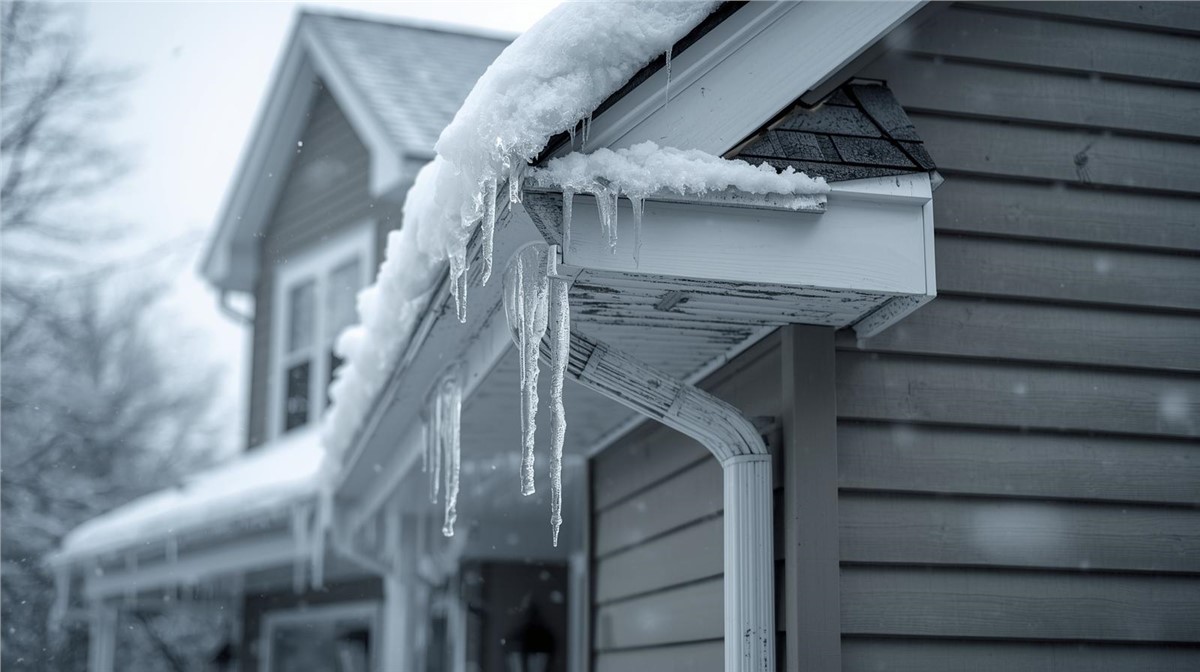
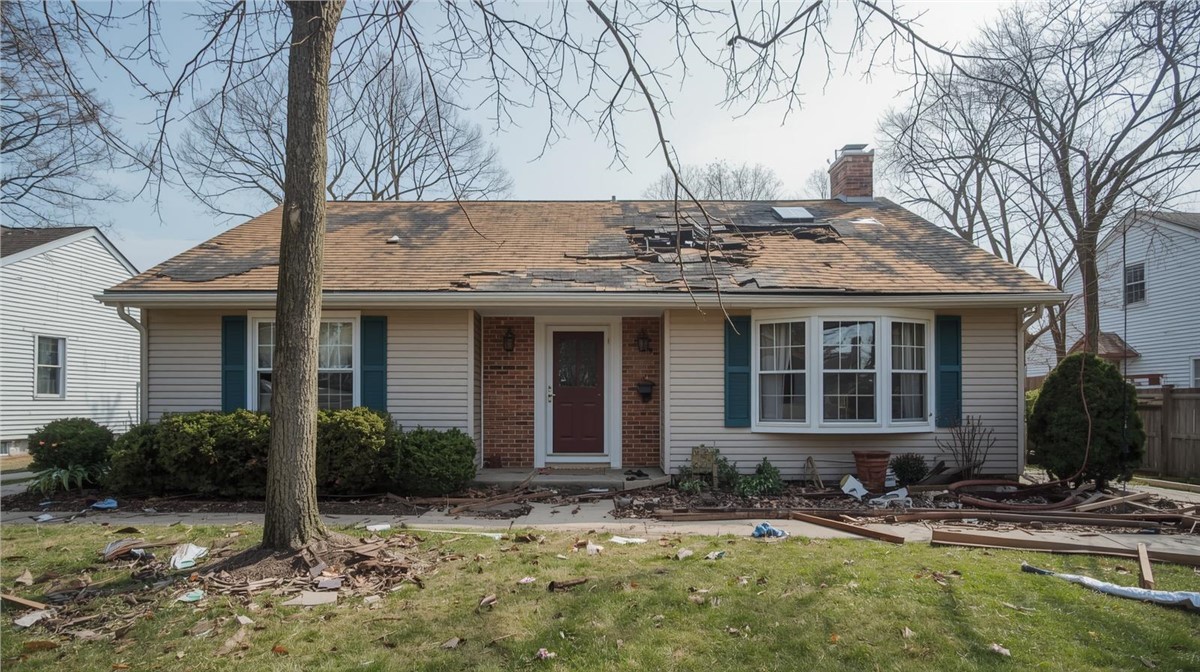
Winters in Wisconsin and Illinois are tough on homes—especially on exterior materials that face months of freezing temperatures, snow, ice, and wind. Your roof and siding serve as the first line of defense against the elements, and during a Midwest winter, they’re under nearly constant stress.
Understanding how Wisconsin and Illinois winters affect your roof and siding can help you spot early warning signs, prevent costly damage, and plan maintenance or upgrades at the right time. Below, we break down the key winter challenges Midwest homes face and what they mean for your exterior.
Why Midwest Winters Are So Hard on Homes
Homes in WI & IL don’t just deal with cold weather. They experience a combination of:
Heavy snowfall and drifting snow
Ice buildup and icicles
Freeze-thaw cycles that repeat for months
Strong winter winds
Rapid temperature swings
These conditions don’t affect roofing and siding in isolation. They interact with moisture, ventilation, insulation, and drainage systems—often turning small weaknesses into larger problems by spring.
How Snow and Ice Affect Your Roof
Snow Load and Structural Stress
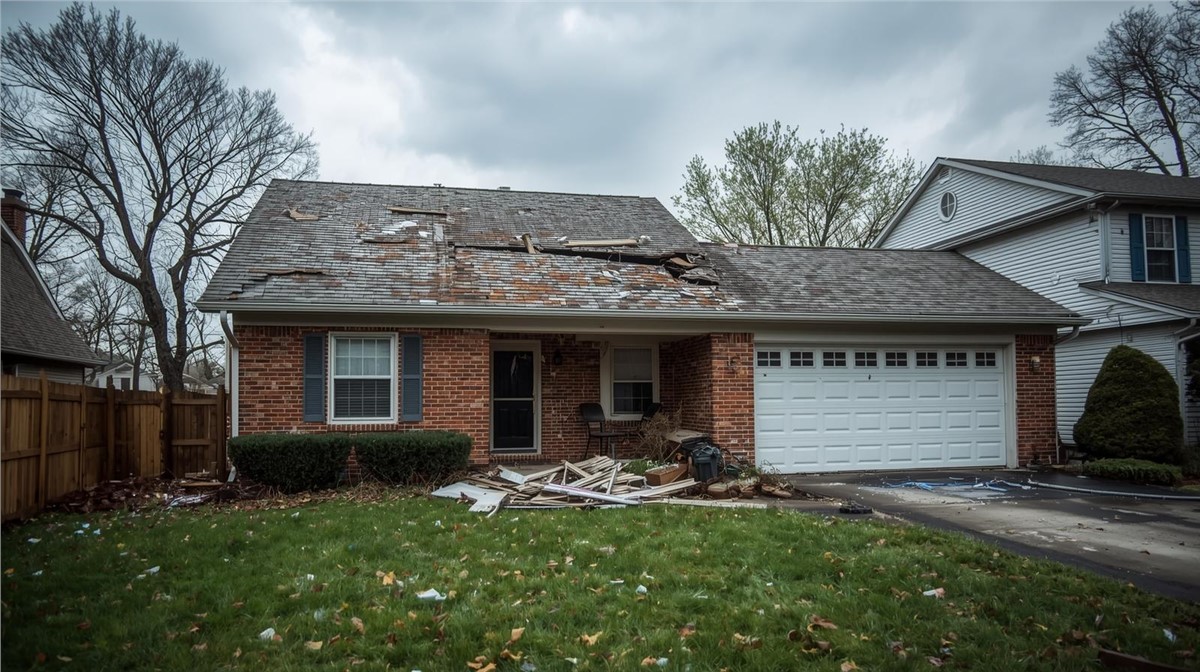
Snow may look light and fluffy, but when it accumulates over time, it becomes heavy—especially when layers melt slightly and refreeze. Prolonged snow load can:
Stress roof framing and decking
Expose weak or aging structural areas
Cause sagging in extreme cases
Most modern roofs are built to handle typical snow loads, but older homes or roofs with previous damage are more vulnerable.
Ice Dams and Water Backup
Ice dams are one of the most common winter roofing problems in Wisconsin and Illinois. They form when heat escapes from the attic, melting snow on the upper roof. The meltwater refreezes at the colder eaves, creating a ridge of ice.
This ridge blocks proper drainage and can force water:
Under shingles
Into roof decking
Down into insulation and ceilings
Ice dam damage often goes unnoticed until interior stains or leaks appear weeks later.
Freeze-Thaw Cycles and Roofing Materials
Midwest winters are known for temperature swings. A sunny day might bring melting snow, followed by overnight freezing. This constant freeze-thaw pattern is especially hard on roofing materials.
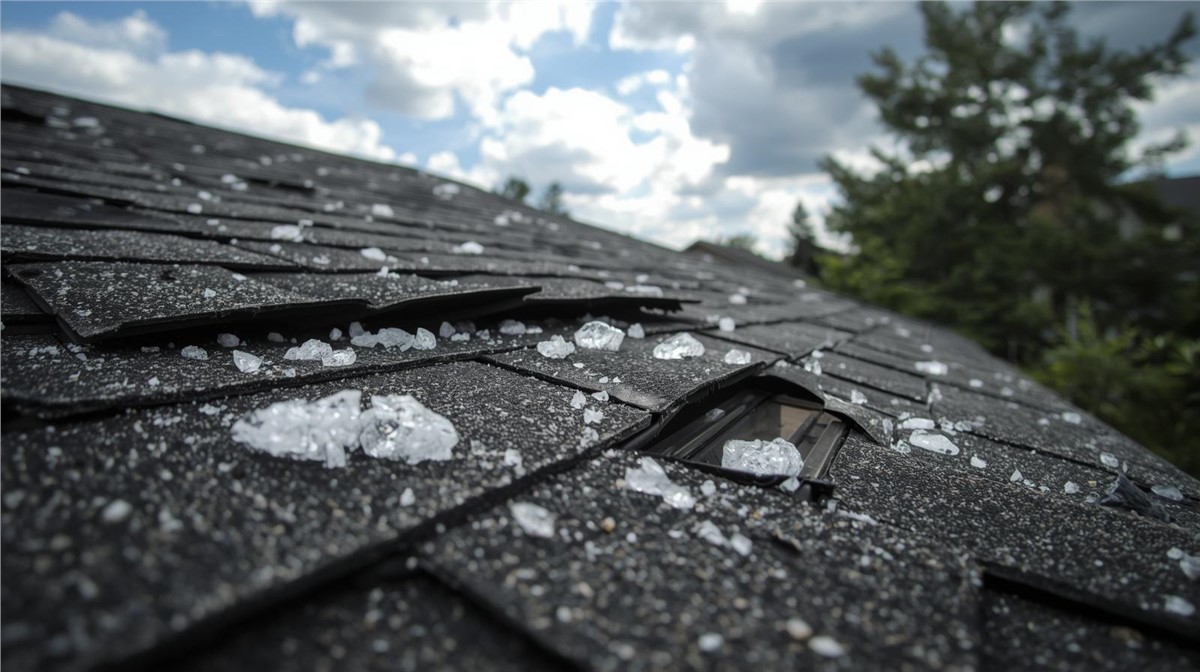
Water that enters small cracks or gaps in shingles, flashing, or sealants expands when it freezes. Over time, this process can:
Widen small cracks
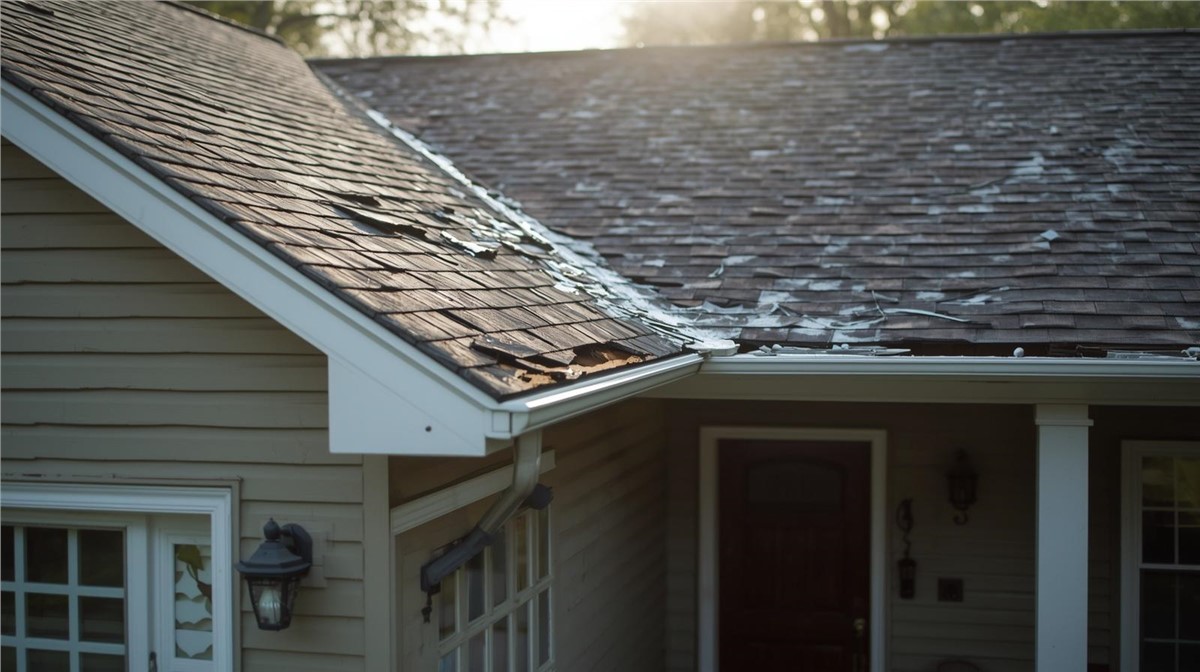
Loosen shingles
Break down sealants
Compromise flashing around chimneys and vents
Even minor vulnerabilities can worsen significantly over a single winter.
Winter Wind and Roof Damage
Strong winter winds are common across both Wisconsin and Illinois. Combined with snow and ice, wind can:
Lift or loosen shingles
Blow snow into roof valleys and under flashing
Expose areas already weakened by age or previous storms
Shingles that lift in winter may settle back into place, making damage hard to spot from the ground—but their seals may already be compromised.
How Winter Weather Affects Siding
Your siding works year-round to protect your walls from moisture and temperature extremes. Winter conditions put added pressure on that protection.
Moisture Intrusion Behind Siding
Snow and ice often build up against the lower portions of siding, especially near the foundation. When temperatures fluctuate, melting snow can seep into small gaps, cracks, or seams.
Once moisture gets behind siding, it can:
Soak wall insulation
Lead to mold and mildew growth
Cause wood rot in sheathing or framing
Reduce the wall’s energy efficiency
This damage is often hidden until panels are removed.
Freeze-Thaw Damage to Siding Materials
Just like roofing, siding materials expand and contract during temperature swings.
Over time, freeze-thaw cycles can cause:
Cracks in vinyl siding
Warping or loosening of panels
Deterioration of caulking and sealants
Stress on fasteners and trim
Lower-quality or aging siding is especially vulnerable to cracking in extreme cold.
Wind-Driven Snow and Rain
Winter storms don’t just bring snow—they often include strong winds that push moisture sideways. Wind-driven snow and sleet can force moisture into areas that normally stay dry.
If flashing, house wrap, or siding seams aren’t functioning properly, this moisture can enter wall assemblies and remain trapped until warmer weather.
The Connection Between Roof and Siding Damage
Roofing and siding don’t work independently. Problems in one area often affect the other.
For example:
Ice dams can force water behind both shingles and siding
Overflowing or frozen gutters can send water down siding instead of away from the home
Roof leaks may show up as stains on interior walls, leading homeowners to suspect siding or window issues
That’s why winter damage should be evaluated as part of a full exterior system.
How Winter Impacts Energy Efficiency
When roofing and siding are compromised, energy efficiency suffers.
Heat Loss Through the Roof
Poor attic insulation or ventilation allows warm air to escape, which not only contributes to ice dams but also increases heating costs.
Air Leaks Through Walls
Cracked siding, failed caulking, or gaps around trim allow cold air to infiltrate wall cavities. This leads to:
Drafty rooms
Uneven indoor temperatures
Increased strain on heating systems
Homes in WI & IL often see higher winter energy bills when exterior systems aren’t sealing properly.
Signs Winter Has Affected Your Roof or Siding
After a Midwest winter, homeowners should watch for:
New water stains on ceilings or walls
Peeling paint or bubbling drywall
Sagging gutters or ice damage along roof edges
Cracked, loose, or warped siding panels
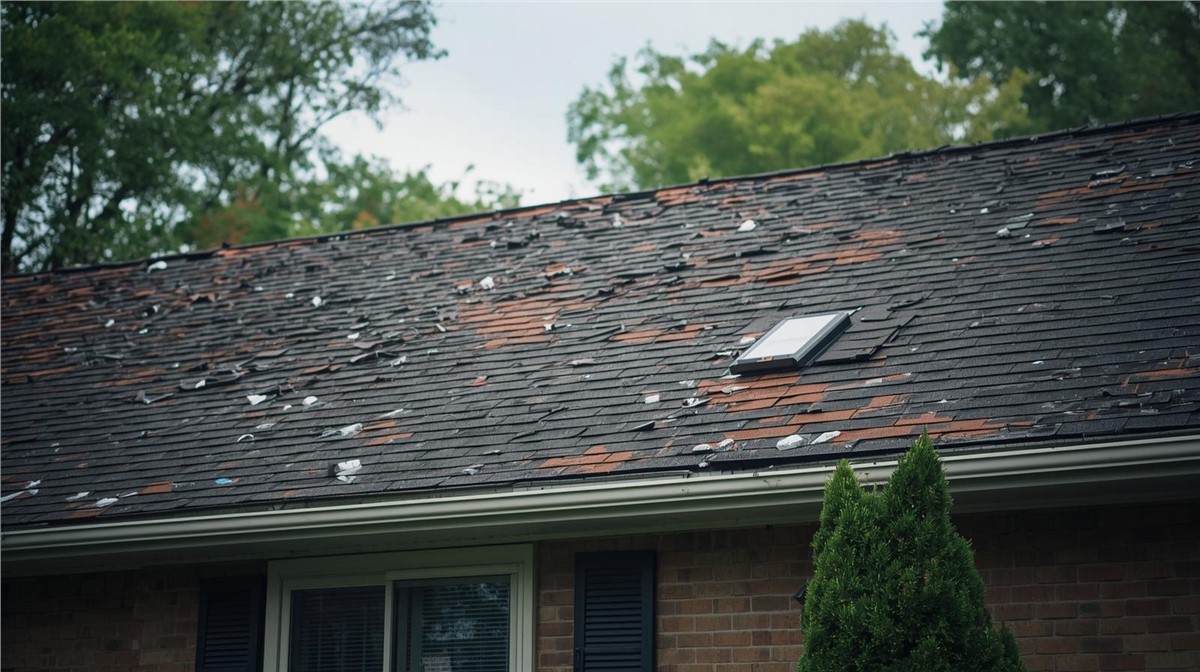
Excess granules from shingles in gutters
Drafts near exterior walls
These signs often point to winter-related stress or moisture issues.
What Homeowners Can Do to Reduce Winter Damage
While no home is immune to Midwest weather, preventive steps can reduce risk.
Maintain Gutters and Drainage
Clear gutters before winter to ensure proper drainage during snowmelt. This reduces ice buildup and water overflow that can damage both roof and siding.
Check Attic Insulation and Ventilation
Proper insulation and airflow help keep roof temperatures consistent, reducing the risk of ice dams and heat loss.
Seal Gaps and Cracks
Inspect siding, trim, and exterior penetrations for gaps where moisture or air could enter. Addressing small issues before winter can prevent larger problems.
Schedule Regular Inspections
Annual exterior inspections—especially after winter—help catch early signs of damage before they escalate.
When Repairs or Replacement May Be Needed
Not all winter damage requires full replacement, but recurring issues often signal deeper problems.
Roof repairs may be necessary if you see:
Persistent leaks
Widespread shingle damage
Flashing failures
Siding replacement may be recommended if there is:
Extensive cracking or warping
Repeated moisture intrusion
Significant loss of insulation performance
In many cases, evaluating roofing, siding, and gutters together leads to longer-lasting solutions.
Frequently Asked Questions
Can winter damage show up months later?
Yes. Ice dam and moisture-related damage often appears in spring as leaks, stains, or mold.
Are icicles always a bad sign?
Large or persistent icicles can indicate ice dams or poor attic insulation and ventilation.
Does newer siding still get winter damage?
Yes. Even newer materials can be affected if installation or flashing isn’t done properly.
Should I inspect my roof after every winter?
It’s a good idea, especially in areas with heavy snow or frequent freeze-thaw cycles.
Can winter damage affect home value?
Yes. Hidden moisture issues and exterior deterioration can reduce long-term property value if not addressed.
Protecting Your Home Through Midwest Winters
Wisconsin and Illinois winters are tough, but understanding how they affect your roof and siding puts you in a stronger position to protect your home. Regular maintenance, early inspections, and attention to drainage, insulation, and sealing can help prevent small problems from becoming major repairs.
Huskie Exteriors works with homeowners across WI & IL, bringing experience in roofing, siding, windows, and gutters built to handle Midwest conditions. A thoughtful, whole-exterior approach can help your home stay protected—no matter how harsh the winter season becomes.
Subscribe to Huskie Exteriors's Blog




Comments