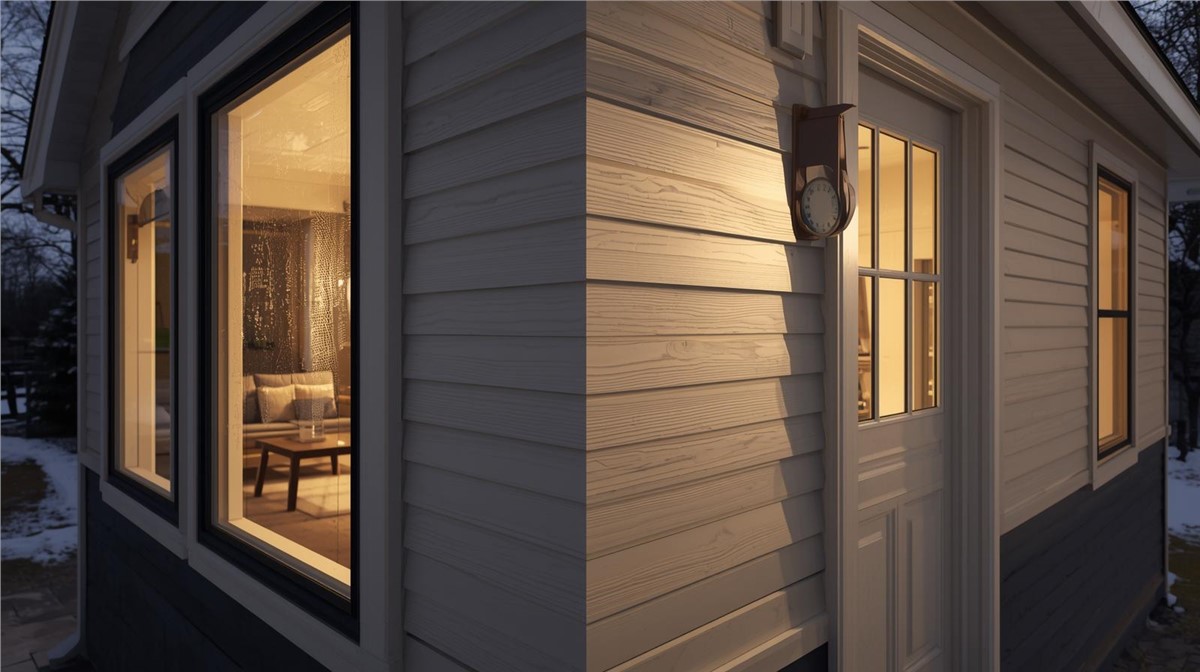
When homeowners think about energy efficiency, they often focus on windows, insulation, or heating systems. But siding plays a major role in how well your home holds in warmth during Wisconsin winters and keeps heat out during humid Illinois summers. In fact, properly installed and well-maintained siding is one of the key components of an energy-efficient home in the Midwest.
Understanding how proper siding improves energy efficiency in WI & IL homes helps homeowners see siding as more than a cosmetic upgrade. It’s a protective layer that works together with roofing, windows, insulation, and gutters to reduce energy loss, improve comfort, and protect against moisture-related damage.
Why Energy Efficiency Is So Important in the Midwest
Homes in Wisconsin and Illinois face extreme seasonal shifts:
Long, freezing winters with subzero temperatures
Strong winds that push cold air into small gaps
Hot, humid summers that increase cooling demand
Frequent storms that test exterior sealing
Because heating and cooling systems work harder here than in many regions, even small air leaks or insulation gaps can lead to noticeable energy loss—and higher utility bills.
Siding’s Role in Your Home’s Thermal Envelope
Your home’s thermal envelope includes all the exterior components that separate indoor living space from the outdoors. Siding is a critical part of this system.
Proper siding helps:
Reduce unwanted air infiltration
Protect wall insulation from moisture
Shield framing from temperature extremes
Support overall air sealing
When siding is damaged, poorly installed, or aging, it weakens the entire thermal envelope.
How Air Leaks Through Poor or Aging Siding
Gaps and Cracks Allow Air Movement
Over time, siding can develop:
Warped or loose panels
Cracks from freeze-thaw cycles
Gaps at seams or corners
These openings allow cold winter air to enter wall cavities and warm air to escape. In summer, the process reverses, allowing hot air to seep in.
The Midwest Effect
Strong winds in Wisconsin and Illinois amplify air infiltration. Even small openings can cause noticeable drafts and force HVAC systems to run more frequently.
Moisture Control and Insulation Performance
Why Moisture Hurts Energy Efficiency
When water gets behind siding, it can soak wall insulation. Wet insulation loses much of its ability to resist heat transfer.
This can lead to:
Reduced R-value (insulating power)
Mold and mildew growth
Structural wood rot
Increased heating and cooling costs
Midwest storms, snowmelt, and ice dams make moisture control especially important.
Proper Siding as a Moisture Barrier
Well-installed siding works with house wrap and flashing to keep moisture out of wall systems. This protects insulation and helps maintain consistent indoor temperatures.
Insulated Siding: An Extra Layer of Efficiency
Some siding systems include built-in insulation, often referred to as insulated siding.
Benefits of Insulated Siding
Adds continuous insulation over wall studs
Reduces thermal bridging (heat transfer through framing)
Improves overall wall R-value
Helps stabilize indoor temperatures
In colder regions of Wisconsin and Illinois, insulated siding can noticeably reduce heat loss through exterior walls.
How Proper Installation Impacts Efficiency
Even high-quality siding won’t perform well if it’s installed incorrectly.
Key Installation Factors
Proper use of house wrap or weather-resistant barriers
Correct flashing around windows and doors
Adequate sealing at seams and penetrations
Proper fastening that allows for expansion and contraction
In Midwest climates, improper installation can lead to both air leaks and moisture intrusion—two major enemies of energy efficiency.
The Impact of Freeze-Thaw Cycles on Siding Performance
Wisconsin and Illinois homes experience repeated freeze-thaw cycles during winter and spring.
How This Affects Siding
Water that enters small cracks freezes, expands, and widens gaps over time. This can:
Loosen panels
Break seals
Increase air infiltration
Properly maintained siding with intact seals helps prevent this cycle from undermining energy efficiency.
How Siding Works With Windows to Reduce Energy Loss
Windows are a common source of energy loss, but siding plays a supporting role.
Sealing Around Window Openings
Proper siding installation ensures that:
Flashing directs water away from window frames
Gaps between windows and walls are sealed
Air leakage around window perimeters is minimized
Without good siding integration, even energy-efficient windows can underperform.
Roofing, Attics, and Siding: A Connected System
Heat doesn’t just escape through the roof—it also moves through walls.
How Wall Heat Loss Affects Roof Performance
When walls leak warm air:
More heat rises into the attic
Roof temperatures fluctuate
Ice dam risk increases
Proper siding and wall sealing help maintain balanced heat levels throughout the home, reducing stress on roofing systems during Midwest winters.
Summer Benefits of Energy-Efficient Siding
Energy efficiency isn’t just a winter concern.
Blocking Heat Gain
In summer, siding helps:
Reduce heat transfer from hot exterior surfaces
Protect insulation from moisture caused by humidity
Maintain more stable indoor temperatures
Light-colored or reflective siding can also reduce solar heat absorption.
Signs Your Siding May Be Hurting Energy Efficiency
Homeowners in WI & IL should watch for:
Drafts near exterior walls
Rising energy bills without HVAC changes
Warped, cracked, or loose siding panels
Peeling paint or signs of moisture damage
Mold or musty odors near walls
These signs often point to air leaks or moisture issues that affect insulation performance.
Repair vs. Replacement: Energy Efficiency Considerations
When Repairs May Be Enough
Isolated cracks or loose panels
Minor sealing or flashing issues
When Replacement Makes More Sense
Widespread siding deterioration
Repeated moisture problems
Outdated siding with little insulating value
Upgrading to modern siding systems can significantly improve wall performance in older Midwest homes.
Energy Savings vs. Comfort Improvements
While energy savings are important, many homeowners notice comfort changes first.
Common Comfort Benefits
Fewer drafts near walls
More stable indoor temperatures
Reduced cold spots in winter
Less strain on heating and cooling systems
These improvements make homes more livable year-round.
Long-Term Value of Energy-Efficient Siding
Proper siding installation supports:
Lower heating and cooling costs
Reduced risk of moisture damage
Longer lifespan for insulation and framing
Improved home durability
In Wisconsin and Illinois, where weather extremes are the norm, these long-term benefits are especially valuable.
Frequently Asked Questions
Can new siding really reduce energy bills?
Yes. By improving air sealing and protecting insulation, siding can help reduce heating and cooling costs.
Is insulated siding worth it in the Midwest?
Often, yes—especially in colder regions where reducing heat loss is a priority
Does siding replacement require replacing insulation?
Not always, but it’s a good opportunity to evaluate wall insulation and air sealing.
Will siding alone fix drafts?
It helps, but windows, doors, and attic insulation also play roles.
How long does energy-efficient siding last?
Quality siding properly installed can last decades, even in harsh Midwest climates.
A Smarter Way to Improve Efficiency in Midwest Homes
Energy efficiency in Wisconsin and Illinois depends on how well your entire exterior system works together. Proper siding isn’t just about appearance—it’s a key layer of protection that reduces air leaks, protects insulation, and supports year-round comfort.
Huskie Exteriors works with homeowners across WI & IL, bringing experience in siding, roofing, windows, and gutters designed for Midwest weather. By approaching exterior improvements as a connected system, homeowners can improve comfort, reduce energy loss, and protect their homes through every season.
Subscribe to Huskie Exteriors's Blog





Comments