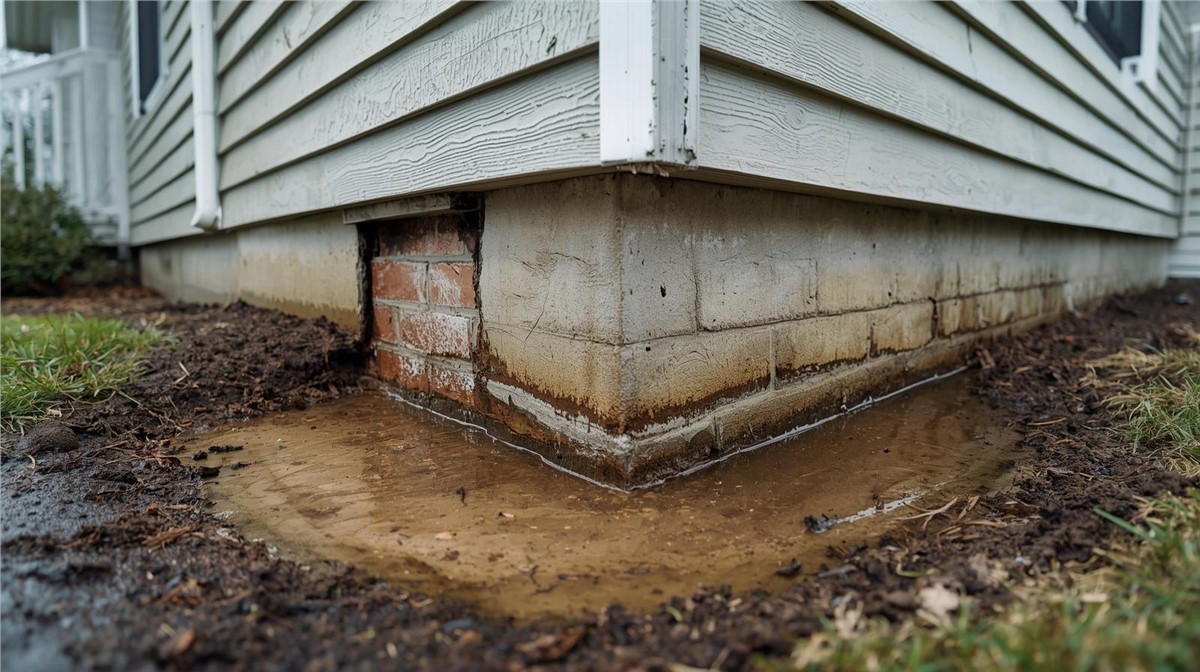
Water is one of the most destructive forces a home faces—especially when it isn’t directed away properly. For homeowners in Wisconsin and Illinois, poor drainage is a leading cause of foundation problems and exterior damage, thanks to heavy rain, snowmelt, freeze-thaw cycles, and seasonal storms common throughout the Midwest.
Many drainage issues develop slowly and out of sight. By the time visible damage appears, repairs can be costly and disruptive. Understanding how poor drainage causes foundation and exterior damage helps homeowners identify risks early and protect their roof, siding, windows, gutters, and structural components before small issues escalate.
Why Drainage Is So Critical in the Midwest
Homes in WI & IL must manage far more water than many other regions due to:
Heavy spring rainstorms
Rapid snowmelt after long winters
Frozen ground that prevents absorption
Summer downpours and severe storms
Repeated freeze-thaw cycles
When water isn’t directed away from the home efficiently, it collects where it can cause the most harm—along the foundation and behind exterior systems.
What “Poor Drainage” Really Means
Poor drainage doesn’t always mean standing water in your yard. It can include:
Gutters that overflow or leak
Downspouts that discharge too close to the foundation
Improper grading around the home
Clogged or undersized drainage systems
Ice buildup preventing winter drainage
Even small drainage failures, when repeated over seasons, can lead to serious structural and exterior damage.
How Poor Drainage Damages Foundations
Water Pooling at the Foundation
When gutters overflow or downspouts dump water near the home, moisture saturates the soil around the foundation.
This can lead to:
Hydrostatic pressure pushing against foundation walls
Cracks in concrete or block foundations
Basement leaks or damp crawl spaces
Long-term structural stress
In Wisconsin and Illinois, spring snowmelt is a particularly common cause of foundation moisture problems.
Freeze-Thaw Damage to Foundation Walls
Water trapped near the foundation freezes in winter, expands, and then thaws repeatedly.
Over time, this process:
Widens small foundation cracks
Weakens mortar joints
Allows more water intrusion
Freeze-thaw cycles accelerate foundation deterioration far faster than water exposure alone.
Exterior Wall and Siding Damage From Poor Drainage
Water Saturation of Siding
When drainage systems fail, water runs directly down siding instead of being carried away.
This can cause:
Warped or cracked siding panels
Peeling paint or faded finishes
Mold and mildew growth
Rot in wood-based materials
Wind-driven rain during Midwest storms makes this damage more severe by forcing water behind siding seams.
Moisture Behind Wall Assemblies
Poor drainage allows water to infiltrate behind siding, soaking insulation and wall sheathing.
Consequences include:
Reduced insulation effectiveness
Mold growth inside walls
Structural wood rot
Hidden damage that worsens over time
This type of damage often goes unnoticed until repairs become extensive.
How Poor Drainage Affects Roof Systems
Drainage issues don’t just impact the ground level—they affect roofs too.
Ice Dams and Roof Edge Damage
Clogged gutters and poor drainage cause water to back up at roof edges during winter.
This contributes to:
Ice dam formation
Water forced under shingles
Damage to roof decking and insulation
In WI & IL homes, ice dam damage is often linked directly to drainage failures.
Accelerated Roof Aging
Standing water near roof edges and fascia boards increases moisture exposure, which can:
Break down flashing and sealants
Damage fascia boards
Shorten shingle lifespan
Roof problems are often a symptom of poor drainage elsewhere.
Window and Door Damage Caused by Drainage Problems
Water Around Window Frames
When gutters overflow, water cascades over windows instead of draining away.
This leads to:
Failed window seals
Rotting trim and frames
Drafts and energy loss
Interior wall staining
Many window leaks blamed on installation issues are actually caused by poor drainage above the window.
Gutters: The Front Line of Drainage Control
Gutters are the most important—and often most neglected—part of a home’s drainage system.
Common Gutter-Related Drainage Failures
Clogged gutters filled with leaves or debris
Sagging or improperly pitched gutters
Undersized gutters overwhelmed by heavy rain
Short or disconnected downspouts
In Midwest climates, these issues are magnified by snow, ice, and falling debris.
Grading and Landscaping Drainage Issues
Improper Ground Slope
The ground around your home should slope away from the foundation. When it doesn’t, water flows toward the house instead.
This can result in:
Persistent foundation moisture
Basement flooding
Soil erosion
Even small grading issues can have big consequences over time.
Landscaping That Traps Water
Mulch piled against siding, dense plantings, or hard surfaces can trap water near exterior walls, increasing moisture exposure.
Interior Damage Caused by Poor Drainage
Drainage issues often reveal themselves indoors.
Common interior warning signs include:
Water stains on basement walls
Musty odors
Mold growth
Bubbling paint or drywall
Uneven floors near exterior walls
These symptoms usually indicate long-term moisture exposure from outside.
Why Poor Drainage Problems Keep Coming Back
Many homeowners address symptoms instead of causes.
Examples include:
Repairing drywall without fixing gutter overflow
Replacing siding without correcting drainage
Sealing foundation cracks without redirecting water
Without addressing drainage, damage often returns after the next heavy rain or winter thaw.
How Exterior Systems Work Together to Manage Water
Drainage is a system—not a single component.
Roofing
Roofs shed water, but rely on gutters to carry it away.
Gutters and Downspouts
These systems control where water goes after it leaves the roof.
Siding and Windows
Proper flashing and sealing protect walls from water intrusion.
Foundation and Grading
Ground slope and drainage systems ensure water doesn’t collect at the base of the home.
If one part fails, the entire system is compromised.
Preventive Steps Midwest Homeowners Can Take
To reduce drainage-related damage:
Clean gutters at least twice per year
Extend downspouts several feet away from the foundation
Inspect gutters after storms and snowmelt
Ensure soil slopes away from the home
Avoid piling snow or mulch against exterior walls
Address sagging or leaking gutters promptly
Preventive maintenance is far less costly than structural repairs.
When to Take Drainage Problems Seriously
You should seek professional evaluation if you notice:
Recurring basement moisture
Ice dams every winter
Siding or trim rot near the foundation
Gutter overflow during moderate rain
Cracks forming in foundation walls
These signs often indicate system-wide drainage issues.
Frequently Asked Questions
Can poor drainage really cause foundation cracks?
Yes. Repeated water pressure and freeze-thaw cycles are common causes of foundation cracking.
Are gutters enough to control drainage?
They’re essential, but grading and downspout placement also matter.
Can drainage problems affect energy efficiency?
Yes. Moisture reduces insulation effectiveness and increases heating and cooling loss.
Do newer homes have drainage issues?
Yes. Improper installation or grading can affect homes of any age.
Is drainage damage covered by insurance?
Coverage varies. Preventive maintenance is the best protection.
Protecting Your Home Starts With Proper Drainage
In Wisconsin and Illinois, water management is one of the most important aspects of home protection. Poor drainage doesn’t just affect one area—it can damage your foundation, roof, siding, windows, and interior spaces over time.
Huskie Exteriors works with homeowners throughout WI & IL, helping evaluate drainage-related issues alongside roofing, siding, windows, and gutters as part of a complete exterior approach. Addressing drainage early helps protect your home’s structure, performance, and long-term value—no matter what Midwest weather brings.
Subscribe to Huskie Exteriors's Blog




Comments