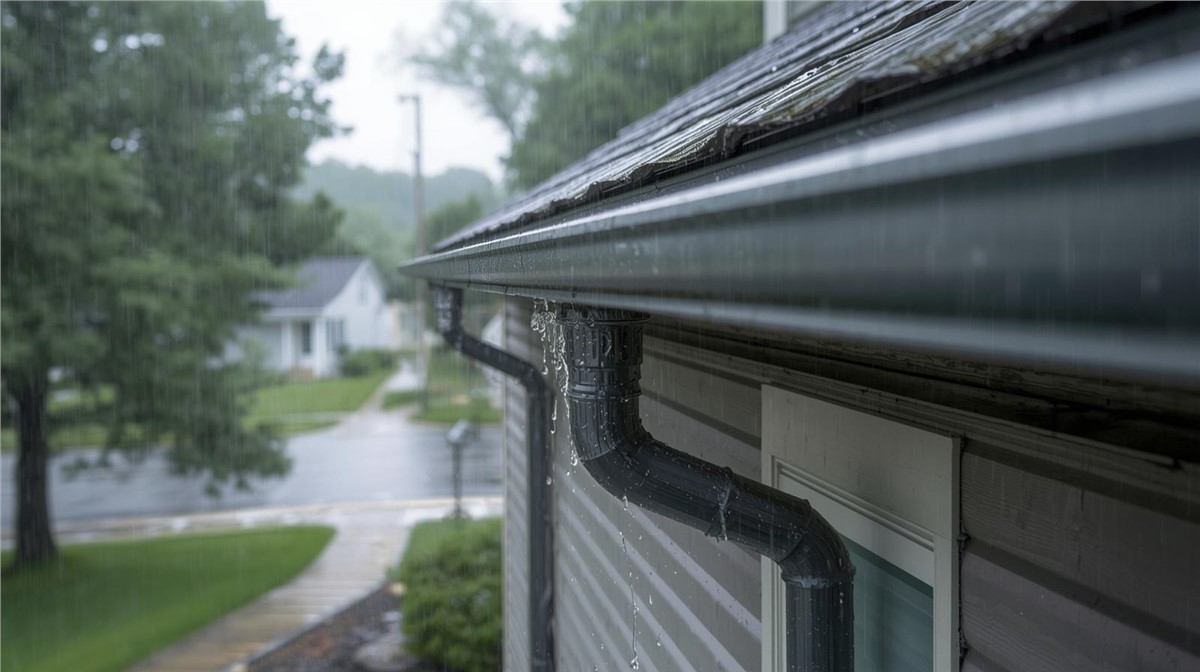
Gutters rarely get the attention they deserve—until something goes wrong. In Wisconsin and Illinois, where homes face heavy snow, ice, spring downpours, summer storms, and falling leaves, a properly designed gutter system is essential to protecting your entire exterior. Gutters do far more than move water off the roof; they help safeguard your foundation, siding, windows, landscaping, and even interior spaces.
Understanding why proper gutter systems matter for Midwest homes can help you prevent costly damage, extend the life of your roof, and keep your home performing as it should through every season.
The Unique Drainage Challenges of the Midwest
Homes in Wisconsin and Illinois must handle large volumes of water throughout the year. Midwest weather creates drainage demands that are different from many other regions.
Key challenges include:
Heavy snow accumulation followed by rapid spring melt
Intense rainstorms during spring and summer
Freeze-thaw cycles that stress materials
Falling leaves and debris that clog systems in fall
Without gutters designed and installed for these conditions, water can quickly become destructive.
How Gutters Protect Your Roof
Managing Water at the Roof Edge
When rain or snowmelt isn’t properly directed away from the roof edge, it can:
Seep under shingles
Saturate roof decking
Accelerate shingle deterioration
Over time, this leads to leaks, rot, and reduced roof lifespan.
Preventing Ice Dams in Winter
In Wisconsin and northern Illinois especially, ice dams are a common winter issue. While insulation and ventilation play major roles, gutters also matter. Damaged or poorly sloped gutters can trap ice and worsen water backup along the roof edge.
Gutters and Foundation Protection
Keeping Water Away from Your Home’s Base
One of the most critical roles of a gutter system is directing water away from your foundation. Without this protection, water can:
Pool near the foundation
Seep into basements or crawl spaces
Cause foundation shifting or cracking
These issues are particularly common during spring snowmelt and heavy rain events.
Preventing Soil Erosion
Consistent water runoff erodes soil around your home, undermining landscaping and exposing foundation walls. Downspouts that extend water safely away help prevent long-term erosion problems.
Protecting Siding and Exterior Walls
Reducing Moisture Exposure
Overflowing or missing gutters allow water to run directly down siding. In Midwest storms with strong winds, this can force water behind siding panels.
This increases the risk of:
Rot in wood siding
Mold growth behind walls
Insulation damage
Preserving Paint and Finishes
Constant water exposure causes paint to peel and siding materials to deteriorate faster—especially during freeze-thaw cycles common in Wisconsin and Illinois.
Gutters and Window Performance
Windows rely on proper water management to stay sealed and functional.
Preventing Water Intrusion
When gutters fail, water cascades over window trim and frames. Over time, this leads to:
Rotting window frames
Failed seals and caulking
Interior wall damage
Reducing Drafts and Energy Loss
Moisture intrusion around windows can compromise insulation and air sealing, increasing heating and cooling costs.
The Role of Gutters in Managing Snow and Ice
Snowmelt Control
As snow melts from the roof, gutters control where that water goes. Without them, meltwater can refreeze near entryways, walkways, and foundations—creating safety hazards.
Ice Weight and Structural Stress
Poorly installed or undersized gutters may sag or pull away under the weight of ice. This not only damages the gutter system but can also affect fascia boards and roof edges.
Signs Your Gutter System Needs Attention
Midwest homeowners should watch for these warning signs:
Water spilling over gutter edges during rain
Sagging or pulling away from the roofline
Visible cracks or rust
Frequent clogging with leaves or debris
Ice buildup along the roof edge in winter
These issues suggest the system may be undersized, improperly pitched, or nearing the end of its lifespan.
Common Gutter System Mistakes in Midwest Homes
Undersized Gutters
Heavy rainfall and snowmelt require sufficient capacity. Smaller gutters may not handle Midwest volumes effectively.
Poor Downspout Placement
Downspouts should move water well away from the foundation. Short or poorly placed downspouts defeat the purpose of the system.
Improper Slope
Gutters must be pitched correctly to ensure proper drainage. Flat or backward-sloping gutters cause standing water and debris buildup.
Seamless Gutters and Midwest Performance
Many homeowners in Wisconsin and Illinois choose seamless gutters for good reason:
Fewer joints reduce leak potential
Improved durability during freeze-thaw cycles
Cleaner appearance
Seamless systems are custom-fit to your home, improving performance during heavy storms.
Gutter Guards: Helpful but Not Maintenance-Free
Gutter guards can reduce debris buildup, especially in tree-heavy areas. However:
They still require periodic inspection
Not all guards perform well with pine needles or ice
Poorly installed guards can trap debris
Choosing the right system for your property and local conditions is key.
When Gutter Replacement Makes Sense
Repair may be sufficient for minor issues, but replacement is often the better option when:
Gutters are frequently clogging or overflowing
Ice damage has caused sagging or separation
Rust or corrosion is widespread
Water damage is appearing on siding or foundation
Upgrading your gutter system can help protect investments in roofing, siding, and windows.
Best Time to Address Gutter Issues in Wisconsin & Illinois
While gutter work can be done most of the year, many homeowners prefer:
Spring, after snowmelt reveals winter damage
Fall, before leaves drop and winter arrives
Regular inspections before and after winter are especially important in the Midwest.
Frequently Asked Questions
How long do gutter systems last in the Midwest?
Aluminum gutters typically last 20–30 years, depending on maintenance and weather exposure.
Can gutters help prevent basement flooding?
Yes. Properly functioning gutters and downspouts significantly reduce water pooling near foundations.
Are gutter guards worth it?
They can be helpful, but they’re not maintenance-free. Performance depends on the type of debris around your home.
Do new gutters affect home value?
Well-maintained gutters contribute to curb appeal and protect structural components that affect long-term value.
Should gutters be replaced with the roof?
Often, yes. Coordinating projects ensures proper alignment and prevents damage to new roofing materials.
A Smart Way to Protect Your Home
In a region as weather-demanding as Wisconsin and Illinois, gutters play a far bigger role than many homeowners realize. A properly designed and maintained gutter system helps protect your roof, siding, windows, foundation, and landscaping—season after season.
Huskie Exteriors works with Midwest homeowners to evaluate and improve exterior systems, including roofing, windows, siding, and gutters. Taking a proactive approach to gutter performance today can help prevent costly repairs tomorrow and keep your home well-protected through every Midwest season.
Subscribe to Huskie Exteriors's Blog





Comments