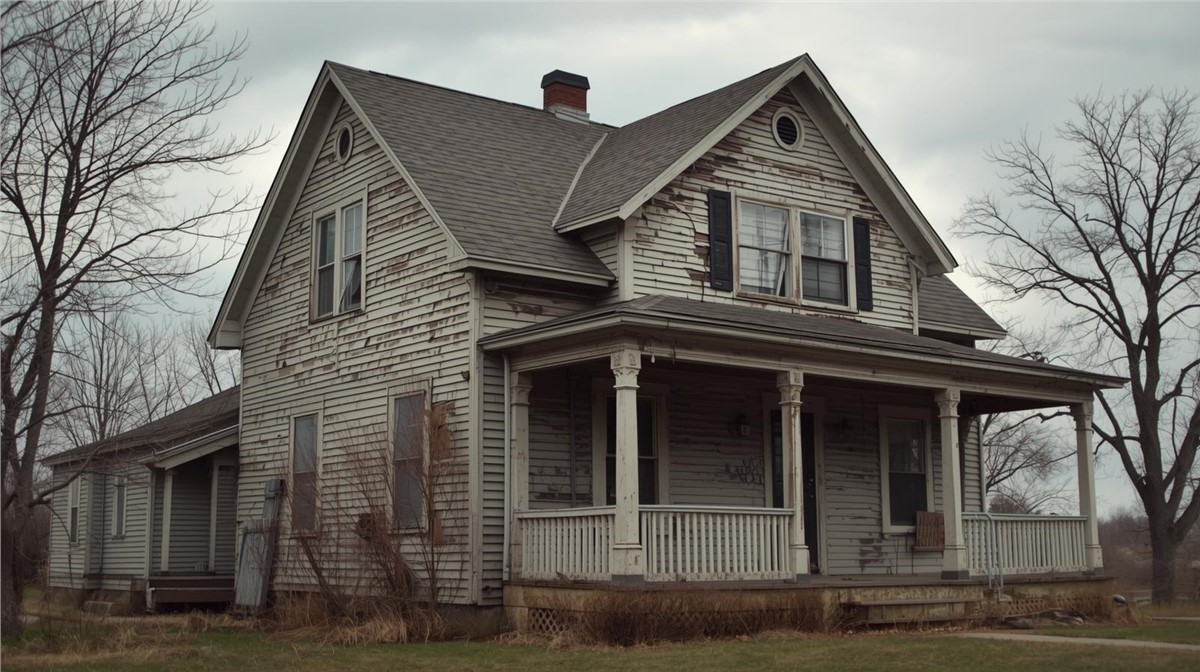
Siding plays a critical role in protecting homes across Wisconsin and Illinois. It shields your house from wind-driven rain, heavy snow, summer heat, and the dramatic temperature swings the Midwest is known for. Over time, even well-installed siding can begin to fail—often in ways that aren’t immediately obvious.
Knowing the signs your home needs new siding helps you address problems before they lead to structural damage, higher energy bills, or costly repairs to roofing, windows, and interior walls. This guide walks through the most common warning signs Midwest homeowners should watch for, why local weather accelerates siding wear, and how siding fits into your home’s overall exterior system.
Why Siding Takes a Beating in the Midwest
Homes in Wisconsin and Illinois face some of the most demanding weather conditions in the country. Siding must withstand:
Freeze-thaw cycles that cause materials to expand and contract
Heavy snow accumulation and ice buildup
High winds during spring and summer storms
Hot, humid summers and intense UV exposure
These factors slowly degrade siding materials, compromise moisture protection, and expose underlying sheathing if problems aren’t addressed early.
1. Cracks, Warping, or Buckling Panels
One of the clearest signs your siding may need replacement is visible distortion.
Why It Happens
Repeated temperature changes cause siding materials to expand and contract. Over time, this movement can lead to:
Cracks in vinyl, wood, or fiber cement
Warping or buckling panels
Gaps where moisture and pests can enter
In Wisconsin and Illinois, these issues often worsen after harsh winters followed by rapid spring warm-ups.
Why It Matters
Cracked or warped siding no longer provides a weather-tight barrier. Water intrusion behind siding can lead to rot, mold, and insulation damage—issues that are far more expensive than siding replacement.
2. Frequent Painting or Fading
Excessive Fading
If your siding looks noticeably faded or chalky, UV exposure has broken down its protective finish. This is especially common on south- and west-facing walls that receive the most sun during summer months.
Peeling Paint
For homes with wood siding, peeling or blistering paint is a warning sign. It often indicates moisture is getting beneath the surface—something Midwest humidity and snowmelt can accelerate.
When siding requires repainting every few years, replacement may be the more durable, cost-effective option.
3. Moisture Problems and Interior Clues
Sometimes siding problems show up inside your home before you notice exterior damage.
Signs to Watch For
Water stains on interior walls
Peeling wallpaper or bubbling paint
Mold or mildew smells near exterior walls
These issues may be caused by siding that no longer sheds water properly during rainstorms or snowmelt.
Midwest Weather Connection
Wind-driven rain during storms in Illinois and Wisconsin can force water behind aging siding, especially when flashing or caulking has failed.
4. Rot, Soft Spots, or Insect Damage
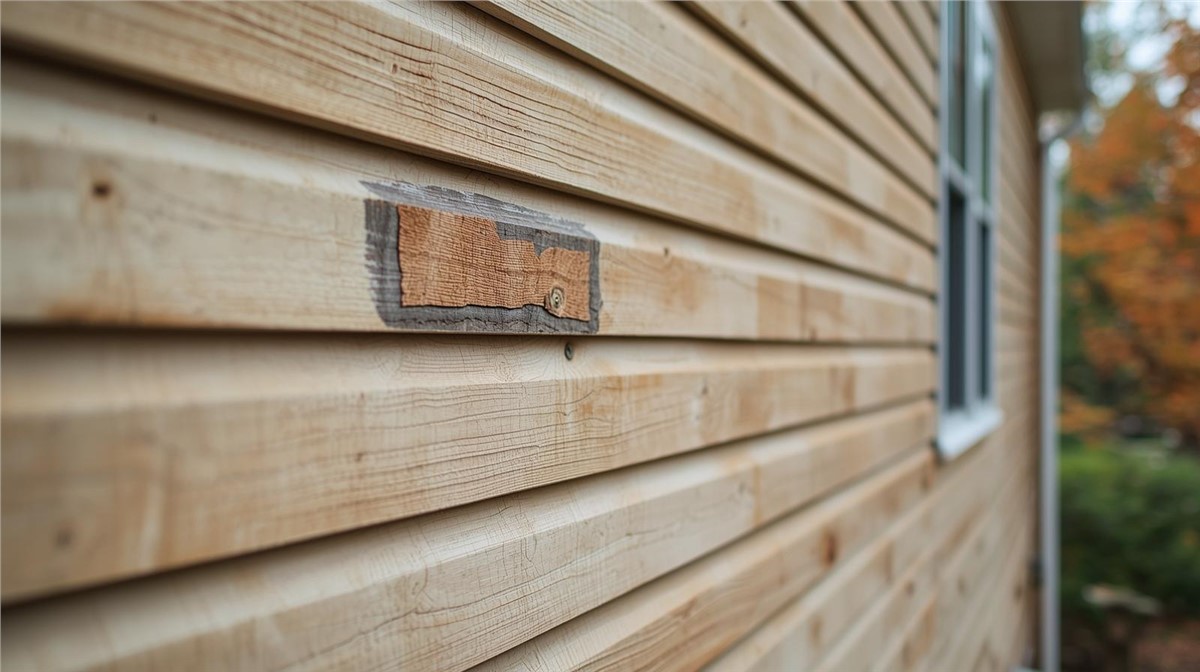
Wood Rot
Wood siding is particularly vulnerable to prolonged moisture exposure. Snow piled against exterior walls, clogged gutters, or ice dams can all contribute to rot near the bottom courses of siding.
Insects and Pests
Damaged or rotting siding creates easy entry points for insects and small animals. Once inside, they can damage insulation and framing.
If rot is widespread, spot repairs often aren’t enough—full siding replacement may be necessary to restore protection.
5. Rising Energy Bills and Drafts
Siding plays a key role in your home’s thermal envelope.
How Old Siding Affects Efficiency
Cracks, gaps, and deteriorated materials allow air leakage, making it harder to maintain indoor temperatures. This leads to:
Higher heating costs during Wisconsin winters
Increased cooling expenses during humid Illinois summers
When siding issues are combined with aging windows or poor insulation, energy loss becomes even more noticeable.
6. Loose or Missing Siding After Storms
Midwest storms often bring high winds and hail. If you notice:
Panels coming loose
Missing sections after storms
Rattling noises during strong winds
Your siding system may be nearing the end of its service life. Even if damage seems minor, repeated storm-related repairs are often a sign that replacement is approaching.
7. Mold, Mildew, or Persistent Staining
Exterior Growth
Dark streaks, green patches, or mold growth on siding can indicate trapped moisture. While some surface growth can be cleaned, recurring issues often point to deeper problems.
Why It’s Common in the Midwest
Humidity, shaded areas, and poor drainage create ideal conditions for mold and mildew—especially on older siding materials that lack modern moisture resistance.
How Siding Works With Roofing, Windows, and Gutters
Your siding doesn’t function in isolation. In Wisconsin and Illinois homes, exterior systems must work together.
Roofing and Siding
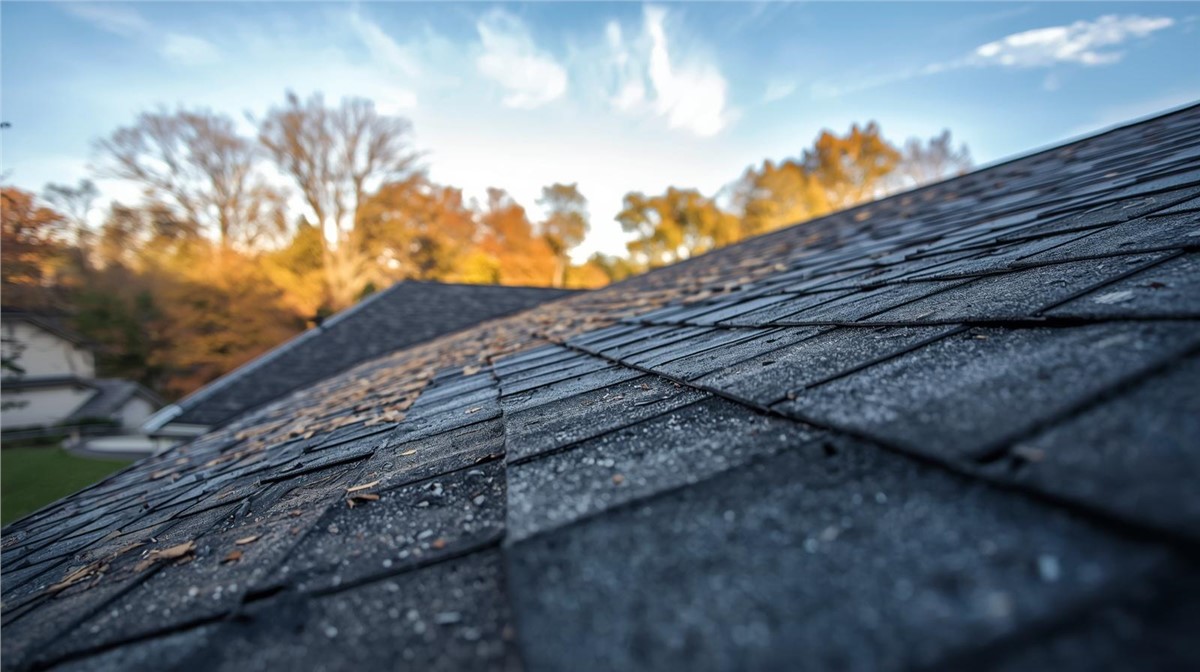
Roof overhangs and flashing help direct water away from siding. When roofing components fail, water can run behind siding, accelerating damage.
Windows and Siding
Improperly sealed or aging windows allow water intrusion that affects surrounding siding and wall assemblies.
Gutters and Drainage
Clogged or failing gutters cause water to overflow, soaking siding and increasing the risk of rot and mold—especially during snowmelt and heavy rain.
Evaluating siding often reveals related issues with other exterior components.
When Repair Is No Longer Enough
Minor siding damage can sometimes be repaired. However, replacement is often the better choice when:
Damage is widespread across multiple walls
Moisture problems are recurring
Siding is nearing the end of its expected lifespan
Energy efficiency has noticeably declined
Modern siding materials are designed to perform better in Midwest conditions, offering improved durability, insulation options, and lower maintenance requirements.
Best Time to Replace Siding in Wisconsin & Illinois
While siding replacement can be done most of the year, many homeowners prefer:
Late spring through fall, when temperatures are moderate
Periods after storm season, once damage can be fully assessed
Planning ahead helps avoid emergency replacements and allows time to coordinate related upgrades like windows or gutters.
Frequently Asked Questions
How long does siding typically last in the Midwest?
Vinyl siding often lasts 20–40 years, while wood and fiber cement lifespan varies depending on maintenance and weather exposure.
Can winter damage be fixed in spring?
Yes, but winter damage often worsens if not addressed promptly. Spring inspections are especially important in Wisconsin and Illinois.
Does new siding improve home value?
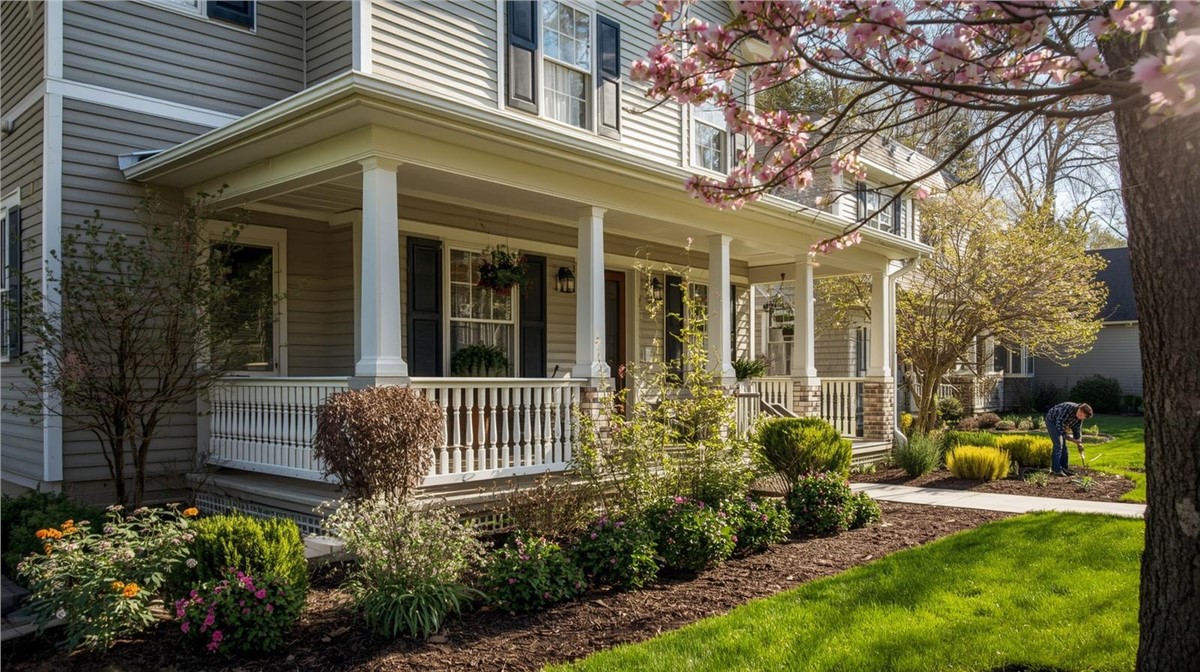
New siding can significantly improve curb appeal and may increase resale value, especially when paired with updated roofing or windows.
Is siding replacement disruptive?
Most siding projects are completed efficiently, with minimal disruption to daily routines.
Should siding be replaced at the same time as windows or roofing?
Not always, but coordinating exterior projects can improve overall performance and reduce long-term costs.
A Smart Next Step for Midwest Homeowners
Siding problems rarely improve on their own—especially in a climate as demanding as Wisconsin and Illinois. Recognizing early warning signs allows you to protect your home before weather-related damage spreads to roofing, insulation, or interior spaces.
Huskie Exteriors works with homeowners across the Midwest, bringing hands-on experience in siding, roofing, windows, and gutters designed for local conditions. Thoughtful inspections and long-term planning help ensure your home stays protected, efficient, and resilient—season after season.
Subscribe to Huskie Exteriors's Blog




Comments