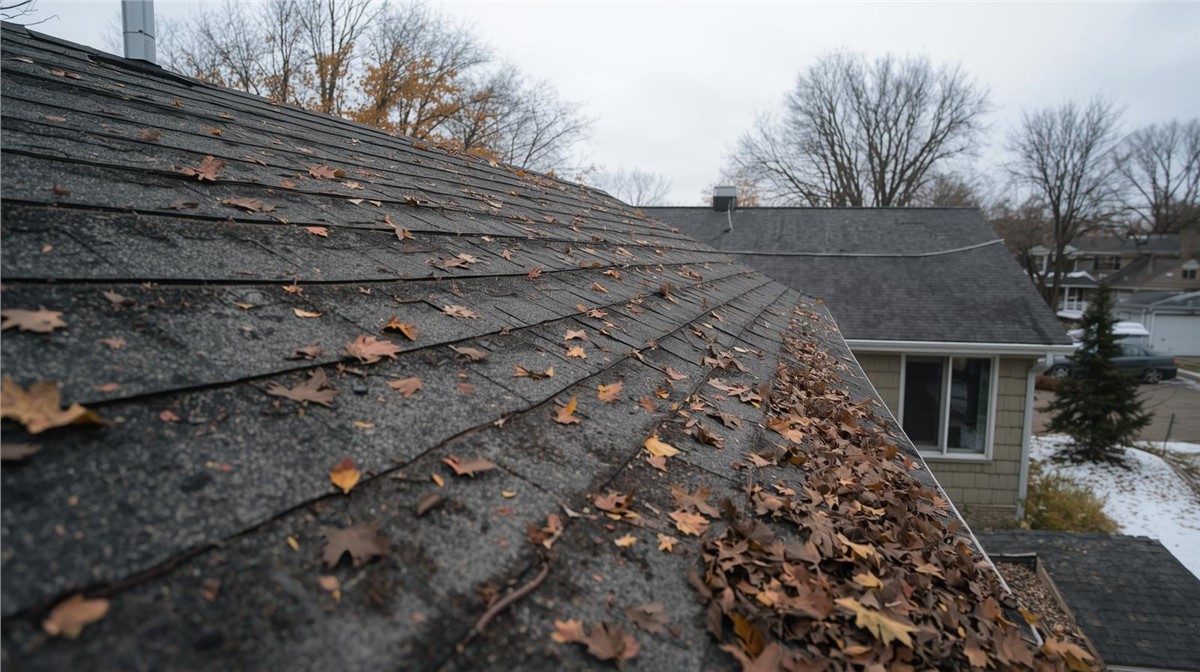
For homeowners in Wisconsin and Illinois, your roof does far more than improve curb appeal—it’s your home’s first line of defense against snowstorms, summer downpours, high winds, hail, and dramatic temperature swings. Knowing when to replace your roof can help you avoid costly interior damage, unexpected repairs, and unnecessary stress.
Unlike warmer or more temperate regions, the Midwest presents unique challenges that directly impact roof lifespan and performance. In this guide, we’ll walk through the most important signs, timelines, and regional factors that help determine when roof replacement makes sense—so you can make an informed, confident decision.
Why Roof Timing Matters in the Midwest
Wisconsin and Illinois experience some of the most demanding weather conditions in the country. Roof systems here endure:
Freeze-thaw cycles that expand and contract materials
Heavy snow loads and ice dams
Severe thunderstorms, hail, and straight-line winds
Hot, humid summers that accelerate aging
Because of this, roofs in the Midwest often wear out faster than the national average, even if they were installed correctly. Waiting too long to replace an aging roof can lead to water intrusion, insulation damage, mold growth, and compromised siding, windows, and gutters.
Average Roof Lifespan in Wisconsin & Illinois
While manufacturers often advertise long warranties, real-world lifespan depends heavily on climate, ventilation, and maintenance.
Asphalt Shingle Roofs (Most Common)
Typical lifespan: 15–25 years
Midwest reality: Often closer to 15–20 years due to weather stress
Architectural / Dimensional Shingles
Typical lifespan: 20–30 years
Better resistance to wind and impact, but still affected by snow and ice
Metal Roofing
Typical lifespan: 40–70 years
Excellent for snow shedding and durability, but higher upfront cost
If your roof is approaching these age ranges—especially if it’s over 15 years old—it’s wise to start planning, even if there are no obvious leaks yet.
Key Signs It’s Time to Replace Your Roof
Some roof problems can be repaired, but others signal that replacement is the safer long-term choice.
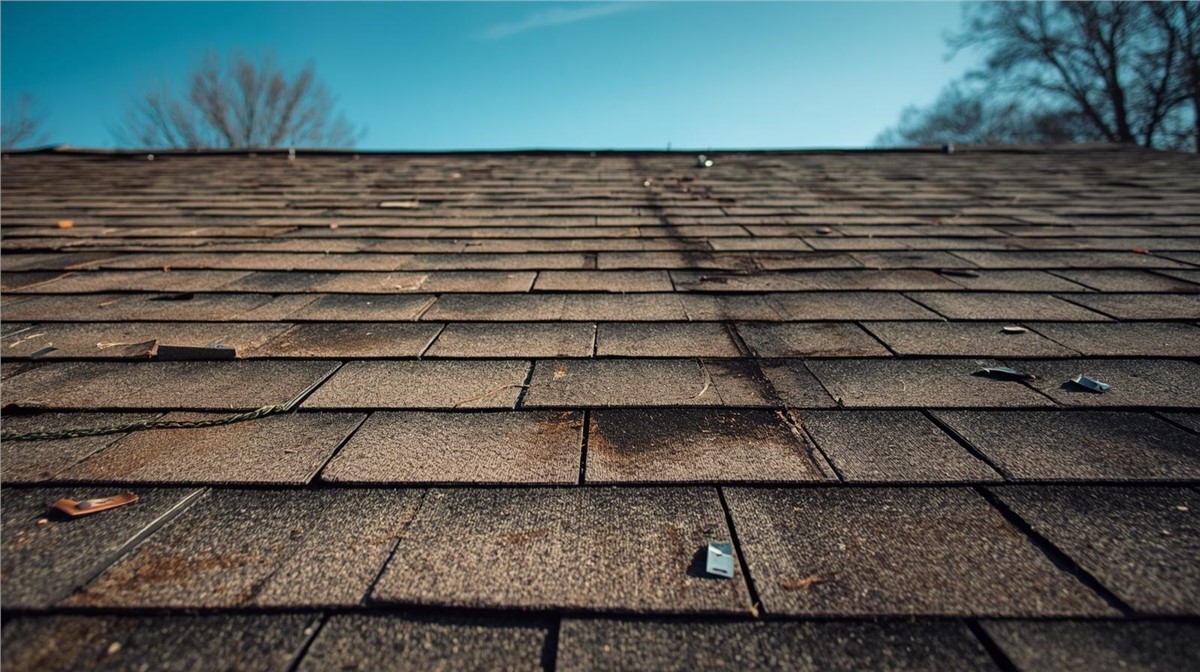
1. Curling, Cracked, or Missing Shingles
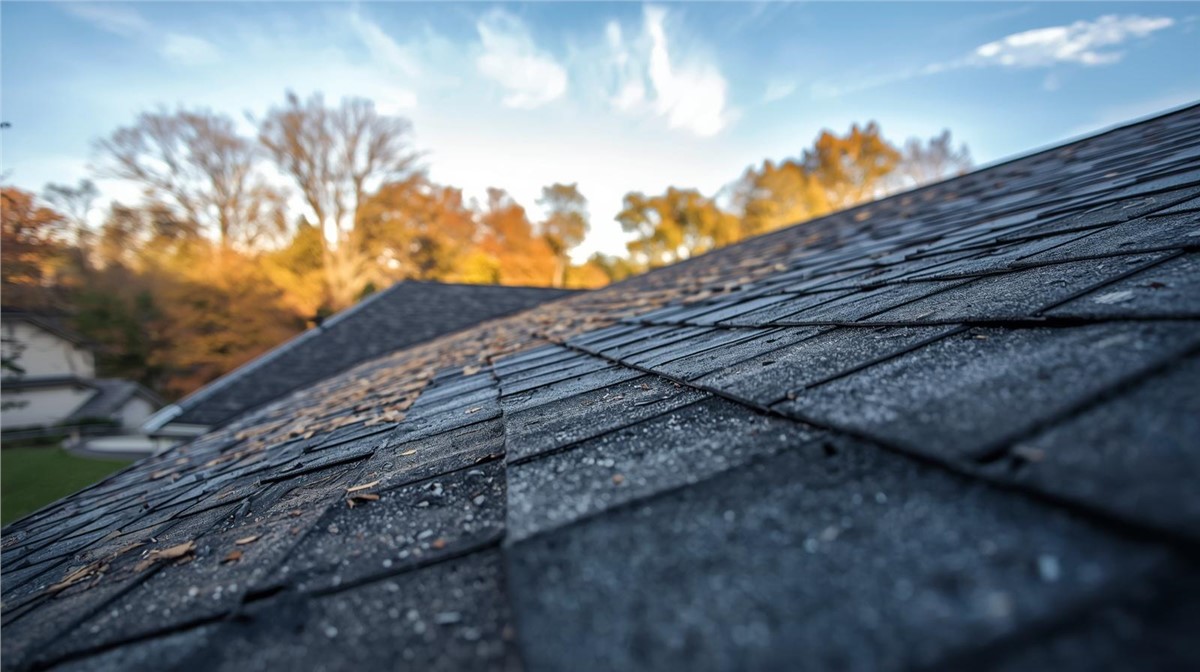
Midwest temperature swings cause shingles to expand and contract repeatedly. Over time, this leads to:
Curling edges
Cracking or splitting
Shingles blowing off during windstorms
When these issues appear across large sections of the roof, replacement is usually more cost-effective than repeated repairs.
2. Granule Loss and Bald Spots
If you’re finding shingle granules in your gutters or downspouts, that’s a sign the protective layer is wearing away. Granule loss accelerates UV damage and shortens roof life—especially during hot Illinois summers.
3. Leaks, Water Stains, or Attic Moisture
Water stains on ceilings, damp insulation, or attic mold often indicate roofing issues that have gone beyond a simple fix. In colder climates, these problems are often linked to ice dams or underlayment failure.
4. Sagging or Uneven Roof Lines
A sagging roof can indicate structural concerns, moisture-damaged decking, or long-term snow load stress. This is a clear sign that replacement should not be delayed.
5. Frequent Repairs After Storms
If your roof needs attention after every major storm—hail, wind, or heavy snow—it may no longer be providing reliable protection. Insurance claims aside, recurring repairs often cost more over time than a full replacement.
How Midwest Weather Impacts Replacement Timing
Winter Snow & Ice
Snow accumulation adds weight, while ice dams force water under shingles. Older roofs are especially vulnerable to this type of damage, which may not be visible until spring.
Spring Storm Season
High winds and hail are common across Wisconsin and Illinois in spring. These storms often reveal weak points in aging roofs.
Summer Heat & Humidity
Heat accelerates shingle aging and can worsen ventilation issues. Poor attic airflow also affects windows and siding performance, increasing energy costs.
Fall: The Ideal Time for Roof Replacement
Fall is often the best season to replace a roof in the Midwest:
Milder temperatures
Lower humidity
Time to prepare before winter
Planning ahead avoids emergency winter replacements, which are more challenging and weather-dependent.
Repair vs. Replacement: How to Decide
A simple rule of thumb:
Choose repair if damage is isolated, your roof is relatively young, and the underlying structure is sound.
Choose replacement if damage is widespread, the roof is nearing the end of its lifespan, or issues keep recurring.
A professional inspection can help clarify this—especially one that looks beyond shingles to ventilation, flashing, gutters, and attic conditions.
How Roofing Connects to Windows, Siding, and Gutters
Your roof doesn’t work alone. In Midwest homes, exterior systems must function together:
Gutters manage snowmelt and heavy rain. Failing gutters can back water under shingles and behind siding.
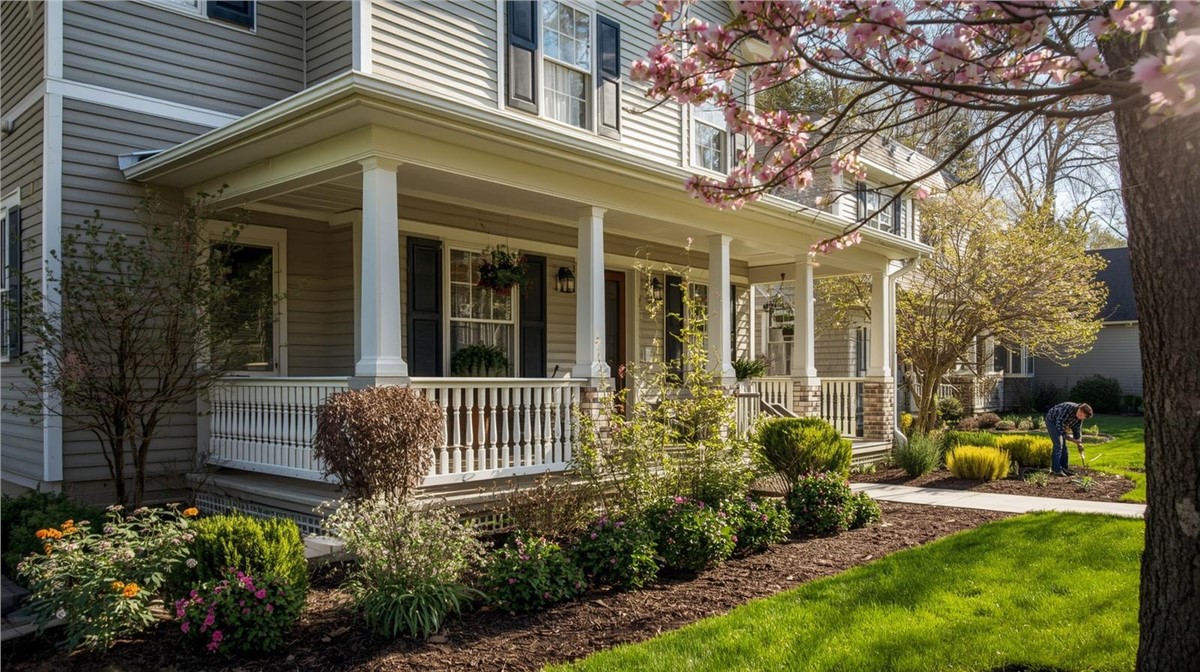
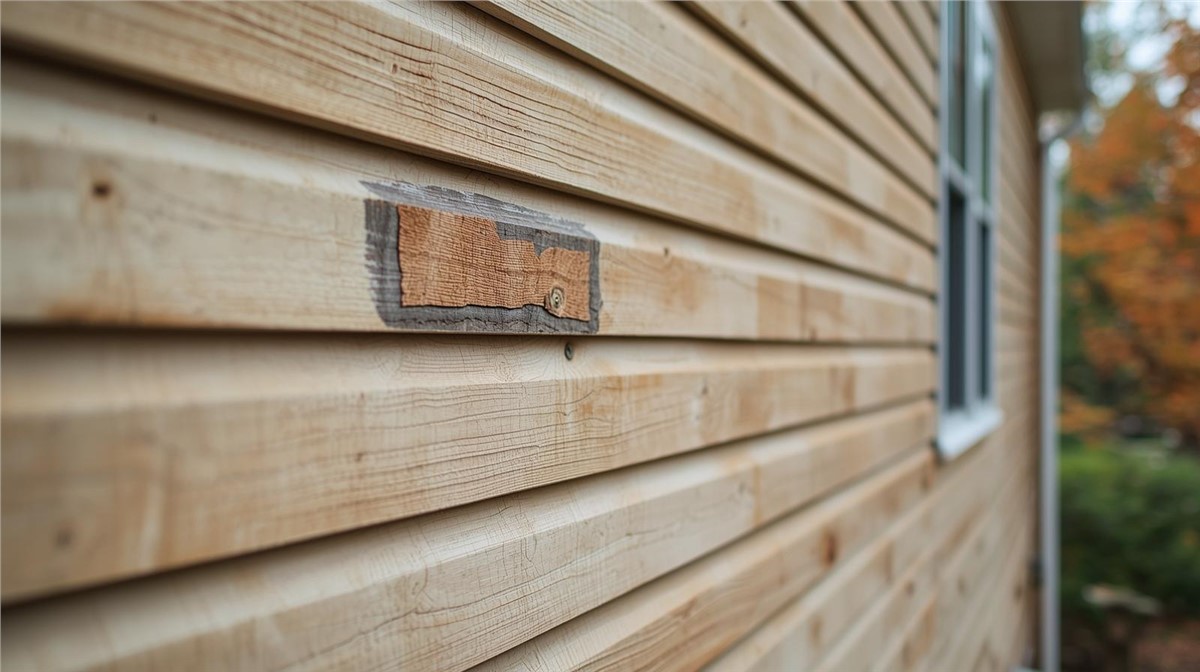
Siding protects wall assemblies from wind-driven rain common in Illinois storms.
Windows rely on proper flashing and roof overhangs to prevent leaks and drafts.
When replacing a roof, it’s often a good time to evaluate these components as a system. Coordinated exterior improvements improve durability, efficiency, and long-term value.
Insurance, Storm Damage, and Roof Replacement
Many homeowners in Wisconsin and Illinois replace roofs after hail or wind damage. If you suspect storm damage:
Document visible issues
Avoid temporary fixes that hide damage
Schedule a professional inspection before filing a claim
An experienced exterior contractor understands how Midwest storm patterns affect roofing materials and can help identify legitimate damage versus normal wear.
Planning Ahead: A Smart Homeowner Strategy
Even if your roof isn’t failing today, planning ahead offers benefits:
Budgeting on your timeline
Choosing materials suited for Midwest weather
Avoiding emergency replacements during peak seasons
Proactive homeowners often get better outcomes—and fewer surprises.
Frequently Asked Questions
How often should a roof be inspected in Wisconsin or Illinois?
At least once a year, and after major storms. Annual inspections catch small issues before winter makes them worse.
Can a roof be replaced during winter?
Yes, but it’s not ideal. Cold temperatures limit material flexibility, and snow or ice can delay installation.
Do ice dams mean I need a new roof?
Not always, but frequent ice dams may indicate ventilation or insulation issues that are best addressed during replacement.
How long does a roof replacement usually take?
Most residential roof replacements take 1–2 days, depending on size, weather, and complexity.
Will a new roof improve energy efficiency?
Yes. Modern roofing systems, combined with proper ventilation, can reduce heat loss in winter and heat gain in summer.
A Thoughtful Next Step
If you’re unsure whether your roof is nearing the end of its lifespan—or how Midwest weather has affected it—an honest, professional assessment can provide clarity. Huskie Exteriors works with homeowners across Wisconsin and Illinois, bringing experience not just in roofing, but in windows, siding, and gutters as a complete exterior system.
A well-timed roof replacement isn’t about urgency—it’s about protecting your home, your investment, and your peace of mind for years to come.
Subscribe to Huskie Exteriors's Blog




Comments