
When it comes to maintaining the exterior of your home, siding replacement is a significant yet essential investment. A home's siding not only enhances its aesthetic appeal but also plays a crucial role in protecting it from the elements. If you're planning on replacing your siding in 2026, understanding the costs involved is crucial for creating a realistic budget. This guide will walk you through the factors affecting siding installation costs, budget-friendly siding options, and tips on how to plan your siding replacement budget effectively. By being well-informed, you can ensure a smooth project that aligns with your financial expectations and aesthetic desires.
Siding installation costs can vary widely based on several factors, including the type of material you choose, the size of your home, and labor costs in your area. Geographic location can also play a significant role, as regional pricing differences often reflect the local economy and demand for contractors. Here's a closer look at these components, which will help you understand where your money is going and how you can optimize your spending.
Types of Siding Materials
The type of siding material you select will significantly impact your overall costs. Each material comes with its own set of advantages and price ranges, allowing you to tailor your choice based on both budget and preferences.
Vinyl Siding: Vinyl is one of the most popular siding materials due to its affordability and durability. It is resistant to pests and rot, and comes in a wide range of colors and textures, allowing for extensive customization. Prices typically range from $2 to $7 per square foot, making it an excellent choice for budget-conscious homeowners who do not want to sacrifice quality.
Wood Siding: Known for its natural beauty, wood siding can cost anywhere from $6 to $12 per square foot, depending on the wood type. While more expensive, wood offers a classic, timeless look that many homeowners find appealing. However, it requires regular maintenance to prevent damage from weather and pests.
Fiber Cement Siding: This material offers a balance between durability and aesthetic appeal, costing around $5 to $10 per square foot. Fiber cement is a versatile option, mimicking the look of wood or stone without the associated maintenance. It is highly resistant to fire and pests, making it a strong contender for those seeking longevity.
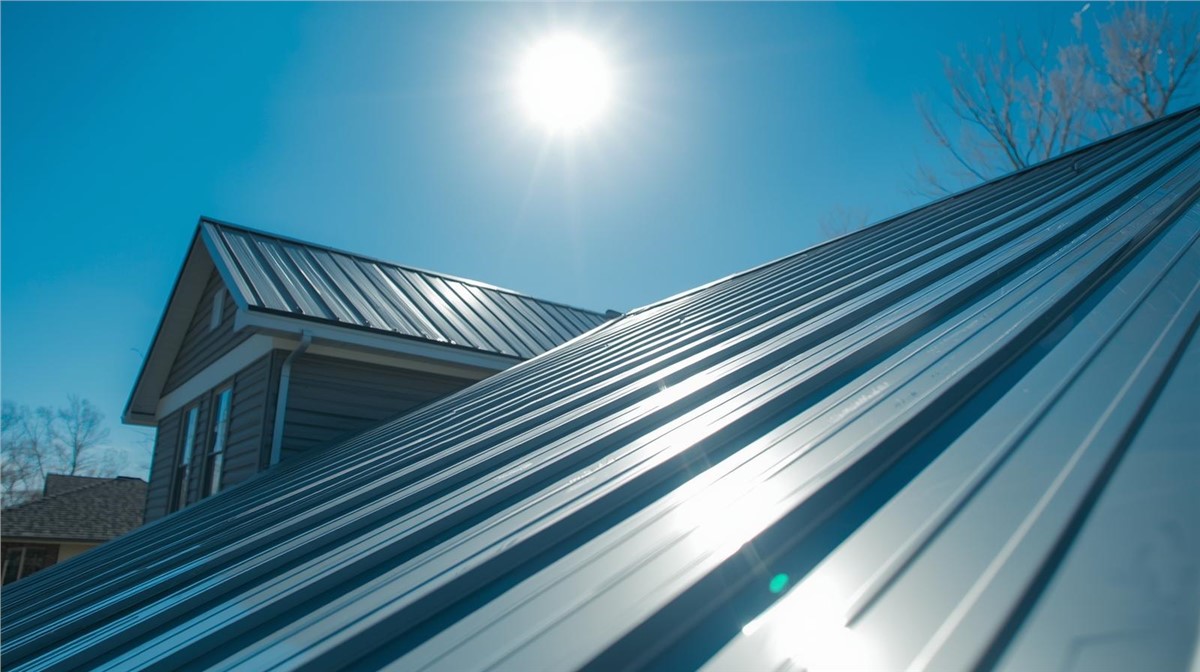
Metal Siding: Generally made from aluminum or steel, metal siding is durable and low-maintenance, with prices ranging from $3 to $11 per square foot. Metal siding is particularly beneficial in areas prone to extreme weather, as it can withstand harsh conditions. Its sleek appearance is often favored for modern architectural designs.
Stucco Siding: Stucco provides a unique look and is priced around $6 to $9 per square foot. Stucco is known for its energy efficiency and fire resistance. However, it can be prone to cracking and may require more maintenance in wetter climates.
Labor Costs
Labor costs can vary depending on your location and the complexity of the installation. On average, labor can account for 30% to 50% of the total siding replacement cost. It's advisable to get multiple quotes from local contractors to find a fair and competitive rate. The experience and reputation of the contractor can also influence costs, as more established professionals may charge higher fees but offer superior workmanship.
Additional Expenses
Beyond materials and labor, consider other potential expenses like:
Removal of old siding: This can add an extra $1 to $3 per square foot. The condition of the existing siding can also influence costs, as more damaged materials may require additional labor to remove safely.
Insulation installation: Adding insulation can improve energy efficiency, costing an additional $1 to $3 per square foot. Enhanced insulation can lead to significant savings on energy bills over time, making it a worthwhile investment.
Permits and inspections: Check with your local government to understand any permit fees and inspection costs that might apply. Failing to obtain the necessary permits can result in fines or project delays, so it's important to factor these into your budget.
Budget Siding Options

For homeowners looking to save on their siding replacement, there are budget-friendly options that don't compromise on quality. These alternatives offer a balance between cost, appearance, and longevity, allowing you to maintain your home's exterior without overspending.
Vinyl Siding
Vinyl siding remains one of the most cost-effective solutions. Its low price point does not detract from its quality, as vinyl is durable and requires minimal maintenance. It is available in various styles and colors, offering homeowners flexibility in design without breaking the bank. Vinyl siding's resistance to fading and weathering makes it a long-lasting option that can enhance curb appeal for years to come.
Engineered Wood Siding
Engineered wood siding mimics the appearance of natural wood but at a lower cost. It is manufactured to be durable and resistant to pests and moisture, making it a smart investment for budget-conscious homeowners. This siding type offers the aesthetic charm of traditional wood without the high price tag or maintenance demands, providing a happy medium for those wanting a natural look.
Composite Siding
Composite siding combines materials like plastic and wood fibers, resulting in a durable product that is more affordable than traditional wood siding. It requires less maintenance and offers a variety of aesthetic options. The blend of materials provides enhanced durability against weather and impacts, making it a practical choice for homeowners who prioritize longevity and style.
Planning Your Siding Replacement Budget for 2026
Now that you have an overview of the costs involved, it's time to plan your budget for siding replacement in 2026. Effective budgeting involves more than just calculating costs; it requires strategic planning to ensure you get the best value for your investment. Here are some practical steps to guide you:
Set a Realistic Budget
Start by determining how much you can afford to spend on siding replacement. Take into account your financial situation and any upcoming expenses that might affect your budget. Consider all potential costs, including materials, labor, and additional expenses. It's wise to allocate a contingency fund for unexpected costs that may arise during the project. This cushion will help prevent any financial strain should unforeseen issues occur.
Research and Compare Quotes
Obtain quotes from multiple contractors to compare pricing and services. Be sure to ask for detailed breakdowns of each estimate to understand what is included in the price. Don't automatically choose the cheapest option; instead, consider the contractor's reputation, experience, and customer reviews to ensure quality work. Quality workmanship can prevent future repair costs and extend the life of your siding.
Consider Long-Term Savings
While it might be tempting to choose the cheapest materials, consider the long-term benefits of investing in more durable options. High-quality siding can reduce maintenance costs and increase your home's energy efficiency, saving you money over time. Additionally, durable siding can increase your home's resale value, offering a return on investment that extends beyond immediate savings. Evaluate the potential for energy savings and reduced repair costs when making your choice.
Explore Financing Options
If upfront costs are a concern, explore financing options such as home improvement loans or contractor financing plans. These options can help spread out the cost over time, making it more manageable. Investigate various lenders and terms to find the best fit for your financial situation, and ensure you understand the interest rates and repayment conditions before committing. Financing can provide the flexibility needed to choose higher-quality materials without immediate financial burden.
Conclusion
Siding replacement is a significant investment that can enhance your home's curb appeal and protect it from the elements. By understanding the factors that affect siding installation costs and exploring budget-friendly options, you can create a comprehensive plan for your siding replacement in 2026. Remember to research thoroughly, compare quotes, and consider long-term savings when making your decision. With careful planning, you can achieve a beautiful, durable exterior that fits your budget. Properly executed, your siding replacement project will not only improve the aesthetics of your home but also boost its value and efficiency, making it a worthwhile endeavor for years to come.
Subscribe to Huskie Exteriors's Blog





Comments