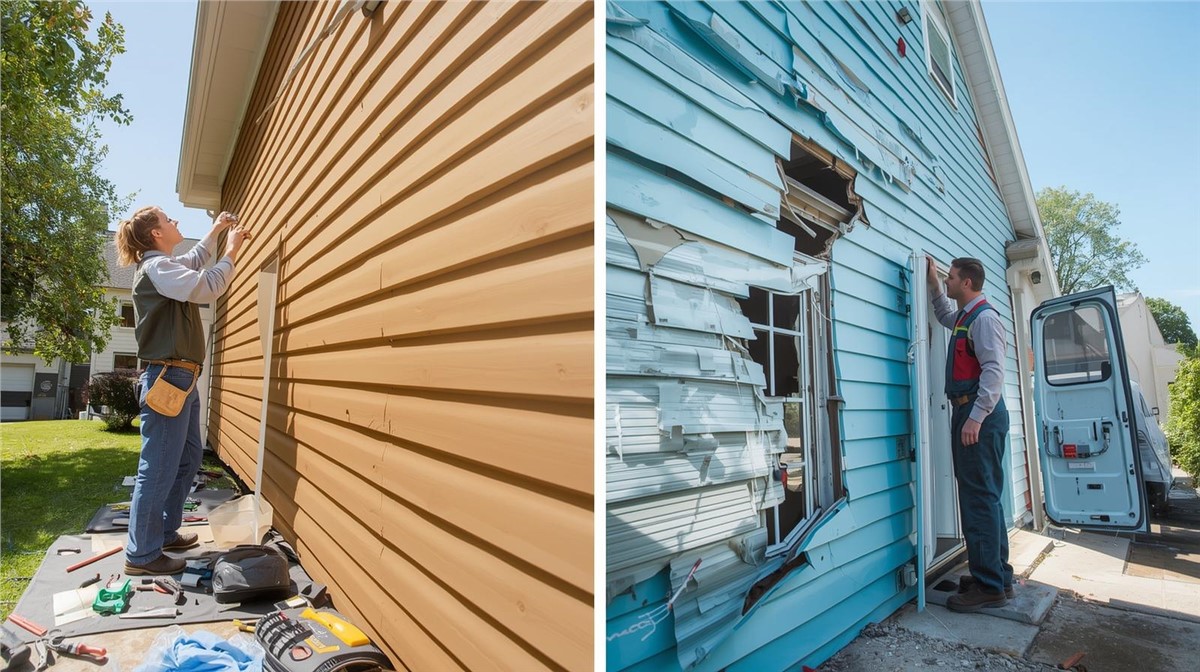
When it comes to maintaining your home's exterior, siding plays a crucial role. It not only protects your home from the elements but also contributes significantly to its overall aesthetic appeal. Over time, however, siding can suffer from wear and tear, necessitating repairs. Weather conditions, age, and accidents can all contribute to the deterioration of siding materials. If you're considering siding repairs, you might be wondering whether to tackle the job yourself or hire a professional. In this article, we'll explore both options to help you make an informed decision, providing insights into what each path entails.
Understanding Siding and Its Importance
What Is Siding?
Siding refers to the protective material attached to the exterior side of a house. It serves as a first line of defense against weather conditions such as rain, wind, and snow. Additionally, siding acts as an insulator, helping to keep your home energy-efficient by maintaining internal temperatures and reducing heat loss. There are various types of siding available, each with its own set of characteristics and benefits. Vinyl, wood, fiber cement, and aluminum are among the most popular choices, each offering different levels of durability, maintenance, and aesthetic appeal.
Siding also plays a vital role in enhancing your home's curb appeal. The style, color, and texture of siding can dramatically alter the look of your home, making it appear more modern, traditional, or unique according to your preferences. As such, siding is not just a functional component but also a key element in defining the architectural style and overall look of your home.
Why Siding Maintenance Matters
Proper maintenance is essential to ensure the longevity and effectiveness of your siding. Regular upkeep can prevent small issues from turning into major problems, saving you time and money in the long run. For instance, minor cracks or holes can allow moisture to seep in, leading to mold growth or structural damage if not addressed promptly. Regardless of whether your siding is vinyl, wood, or fiber cement, each type requires specific care and attention to maintain its appearance and functionality.
Moreover, well-maintained siding contributes to the overall energy efficiency of your home. By preventing drafts and insulation gaps, siding helps maintain a comfortable indoor climate and reduces heating and cooling costs. Therefore, investing time and effort in siding maintenance not only preserves the beauty of your home but also enhances its efficiency and sustainability.
DIY Siding Repairs
Pros of DIY Siding Repairs
Cost Savings: One of the primary reasons homeowners opt for DIY repairs is the potential to save money. By handling the repairs yourself, you can avoid labor costs and only pay for materials. This can be particularly advantageous if you have the skills and tools necessary to complete the job effectively. Additionally, purchasing materials directly allows you to take advantage of sales or discounts that may not be available through contractors.
Learning Experience: Taking on DIY projects can be rewarding and educational. You'll gain hands-on experience and a better understanding of your home's structure. This knowledge can be invaluable for future home improvement projects, enabling you to tackle other repairs with increased confidence and competence. Furthermore, DIY projects can be a fun and fulfilling way to bond with family members or friends who assist in the process.
Flexibility: DIY repairs allow you to work at your own pace and schedule. You can prioritize tasks based on urgency and availability, making it easier to fit repairs into your busy lifestyle. This flexibility can be particularly beneficial when dealing with minor issues that do not require immediate attention, allowing you to complete the work at a time that is most convenient for you.
Cons of DIY Siding Repairs
Skill Level Required: Siding repairs often require specific skills and tools. Without prior experience, you might find the task challenging or even make the problem worse. Improper handling of materials or incorrect installation can lead to further damage, potentially increasing the overall cost of repairs. Additionally, navigating the complexities of different siding materials can be daunting for beginners.
Time-Consuming: DIY repairs can take a significant amount of time, especially if you're unfamiliar with the process. What might take a professional a few hours could take you days. This time investment can be a major drawback for those with busy schedules or limited availability. Furthermore, unexpected complications during the repair process can further extend the time required to complete the project.
Risk of Mistakes: Improper installation or repairs can lead to further damage or reduced efficiency of your siding. Mistakes can end up costing more to fix than hiring a professional from the start. In some cases, errors made during DIY repairs may void any existing warranties on your siding, leaving you responsible for any future issues. This risk underscores the importance of carefully considering your capabilities before embarking on a DIY project.
DIY Vinyl Siding Repairs: A Step-by-Step Guide
Assess the Damage: Before starting any repair, carefully inspect the siding to determine the extent of the damage. Look for signs such as cracks, holes, or warping, and take note of any areas that require immediate attention.
Gather Tools and Materials: Depending on the type of siding, you'll need specific tools such as a siding removal tool, replacement panels, nails, and a hammer. Ensure you have all necessary items on hand before beginning to avoid interruptions during the repair process.
Remove Damaged Siding: Use the siding removal tool to carefully detach the damaged section without harming adjacent panels. Take care to preserve the integrity of surrounding siding to ensure a seamless repair.
Install Replacement Panels: Align the new panel with existing ones, ensuring a snug fit. Secure it with nails, taking care not to overtighten. Proper alignment and installation are crucial to maintaining the aesthetic continuity and functionality of your siding.
Seal and Finish: Apply a weatherproof sealant to seams and edges to protect against moisture infiltration. This step is essential to prevent future damage and ensure the longevity of your repair efforts.
Professional Siding Repairs
Pros of Hiring a Professional
Expertise: Professionals have the experience and skills to handle a wide range of siding issues efficiently. Their knowledge of different materials and repair techniques ensures that the job is done correctly the first time, minimizing the risk of future problems.
Quality Workmanship: Hiring a pro ensures that repairs are done correctly, reducing the likelihood of future problems. Professionals have access to specialized tools and high-quality materials that may not be readily available to the average homeowner. This access, combined with their expertise, results in a higher standard of work.
Time Efficiency: Professionals can complete repairs quickly, allowing you to focus on other priorities. Their experience enables them to navigate challenges and obstacles swiftly, minimizing downtime and disruption to your daily routine.
Cons of Hiring a Professional
Cost: Professional services can be more expensive than DIY repairs, as you'll need to cover labor costs in addition to materials. While this investment often results in higher quality work, the upfront cost can be a barrier for some homeowners.
Scheduling: You'll need to coordinate with the contractor's availability, which might not always align with your preferred timeline. This scheduling constraint can be inconvenient, particularly if the repair is urgent or if you have a busy schedule.
Siding Maintenance Tips
Regular Inspections
Conduct regular inspections of your siding to catch any issues early. Look for signs of damage such as cracks, warping, or loose panels. Early detection allows for timely repairs, preventing minor issues from escalating into more significant problems that require extensive and costly intervention.
Cleaning
Keep your siding clean by washing it with a mild detergent and water. This prevents dirt and grime buildup, which can lead to deterioration over time. Regular cleaning not only preserves the appearance of your siding but also helps maintain its protective qualities, extending its lifespan.
Addressing Issues Promptly
If you notice any damage, address it promptly to prevent further deterioration. Small repairs can prevent larger, more costly issues down the line. By taking swift action, you can avoid the inconvenience and expense associated with major repairs, ensuring your siding continues to perform effectively.
Conclusion: DIY or Pro?
Deciding between DIY and professional siding repairs depends on several factors, including your skill level, budget, and available time. For minor repairs and maintenance, DIY might be a suitable option. However, for extensive damage or if you're unsure about your abilities, hiring a professional is advisable. Ultimately, the goal is to ensure your siding remains in top condition, protecting your home and enhancing its curb appeal.
In either case, regular maintenance is key to extending the life of your siding. By staying proactive, you'll keep your home looking great and shielded from the elements for years to come. Whether you choose to go the DIY route or hire a professional, understanding the importance of siding care and taking timely action will help you make the best decision for your home.
Subscribe to Huskie Exteriors's Blog




Comments