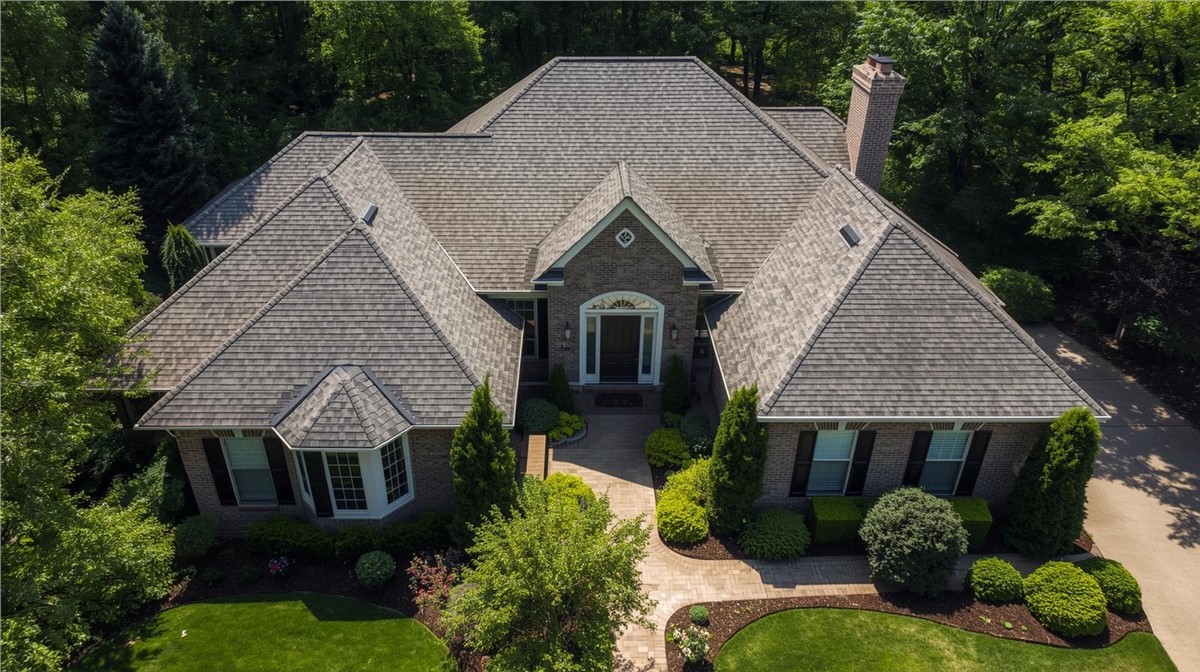
A roof is one of the most critical components of your home. It protects you from the elements, insulates your house, and contributes to the overall aesthetic appeal. Over time, roofs can deteriorate due to exposure to weather conditions, leading to leaks, mold growth, and structural damage. Replacing your roof at the right time can prevent these issues and enhance the value of your property.
Moreover, an old or damaged roof can significantly affect your home's energy efficiency. Poor insulation from a deteriorating roof can lead to increased heating and cooling costs, as your HVAC system works harder to maintain comfortable indoor temperatures. A new roof can improve your home's energy efficiency, potentially lowering your utility bills and contributing to a more sustainable lifestyle. Additionally, a well-maintained roof can enhance your home's curb appeal, making it more attractive to potential buyers if you decide to sell.
Signs You Need a Roof Replacement
Before diving into finding a reliable roof replacement company, it's essential to know when a replacement is necessary. Here are some common signs:
Age of the Roof
Most roofs last between 20 to 30 years, depending on the materials used. If your roof is nearing this age, it might be time to consider a replacement. Even if your roof appears to be in good condition, it's important to recognize that aging materials can fail unexpectedly, leading to costly repairs or even emergency situations.
Additionally, it's worth considering the advancements in roofing materials and technology over the past few decades. A roof replacement offers an opportunity to upgrade to more durable, energy-efficient materials that can provide better protection and savings in the long run.
Visible Damage
Look for cracked, curled, or missing shingles. These are clear indicators that your roof is in need of repair or replacement. Visible damage not only detracts from your home's appearance but can also compromise its ability to protect against the elements.
Furthermore, granule loss from shingles can be a warning sign that your roof is deteriorating. Granules protect shingles from the sun's UV rays, and their loss can accelerate the aging process. If you notice granules in your gutters or around your home, it might be time to consult a roofing professional.
Leaks and Water Damage
Water stains on your ceilings or walls can indicate a leaky roof. If left unchecked, this can lead to mold growth and structural damage. Mold not only poses health risks but can also compromise the integrity of your home's structure, leading to costly remediation efforts.
It's important to address leaks promptly to prevent further damage. Even small leaks can lead to significant problems if ignored, so regular inspections and maintenance are crucial to catch issues early and extend the life of your roof.
Sagging Roof
A sagging roof is a serious issue that requires immediate attention. It can be a sign of structural problems, and replacing the roof might be the best solution. Ignoring a sagging roof can lead to catastrophic failures, including collapses that endanger the safety of your home and family.
In some cases, a sagging roof might indicate problems with the underlying structure, such as weakened trusses or supports. A professional evaluation is essential to determine the extent of the damage and the best course of action to ensure your home's safety and stability.
How to Find Reliable Roof Replacement Companies
Finding a trustworthy roofing contractor doesn't have to be daunting. Here are some steps to help you find reliable roof replacement companies near you:
Research and Referrals
Start by asking friends, family, and neighbors for recommendations. They can provide honest feedback about their experiences with local roofers. Additionally, conduct online research to find companies with positive reviews and ratings. Websites like Yelp, Angie's List, and the Better Business Bureau are valuable resources for gathering information about contractors' reputations.
Don't underestimate the power of word-of-mouth referrals. Personal recommendations can offer insights into a company's reliability, professionalism, and the quality of their work. It's also beneficial to visit completed projects to see firsthand the quality of the roofing work.
Check Credentials
Ensure the roofing company you choose is licensed, insured, and bonded. This protects you from liability in case of accidents during the project. A reputable contractor should be willing to provide proof of their credentials. Licensing ensures they meet local regulations, while insurance protects both parties in case of accidents or damage.
Verifying credentials also involves checking for industry certifications. Many manufacturers offer certifications to contractors who demonstrate expertise in installing their products. These certifications can provide additional assurance of the contractor's competence and commitment to quality.
Experience and Expertise
Select a company with extensive experience in the roofing industry. Experienced contractors are likely to have the knowledge and skills necessary to handle various roofing issues. They can also offer valuable advice on the best materials and solutions for your specific needs.
An experienced contractor will be familiar with local building codes and regulations, ensuring that your roof replacement complies with all legal requirements. Their expertise can also help them anticipate potential challenges and provide effective solutions to ensure a smooth and successful project.
Request Multiple Quotes
It's wise to get quotes from at least three different companies. This allows you to compare prices and services to ensure you get the best deal. Be wary of quotes that are significantly lower than others, as they might indicate subpar materials or workmanship. A detailed quote should outline all costs involved, including materials, labor, and any additional fees.
When reviewing quotes, consider the scope of work each company proposes. Some contractors may offer more comprehensive services or better-quality materials, justifying a higher price. Evaluate the long-term value of each proposal to make an informed decision.
Evaluate Communication
Effective communication is key to a successful roofing project. Choose a contractor who is responsive, answers your questions clearly, and provides detailed information about the process. Good communication helps set clear expectations and ensures that any concerns are addressed promptly.
Throughout the project, a reliable contractor will keep you informed of progress and any unexpected developments. Open lines of communication can prevent misunderstandings and contribute to a positive overall experience.
Warranty and After-Sales Service
A reliable roofing company should offer a warranty on their work. This gives you peace of mind that they stand behind their services. Additionally, inquire about their after-sales service to ensure they will address any issues that arise after the project is complete. A comprehensive warranty should cover both materials and workmanship, providing assurance that your investment is protected.
After-sales service is an important consideration, as it reflects the contractor's commitment to customer satisfaction. A company that offers ongoing support and addresses any post-installation issues demonstrates reliability and professionalism.
What to Expect During the Roof Replacement Process
Understanding the roof replacement process can help you prepare for the project. Here's a general overview of what to expect:
Initial Consultation
The roofing contractor will assess your roof's condition and discuss your needs. They will provide recommendations on the best materials and options for your home. During this consultation, you'll have the opportunity to ask questions and clarify any concerns you may have about the project.
A thorough assessment should include a detailed inspection of your existing roof and an evaluation of your home's architectural style and climate considerations. This information will help the contractor recommend the most suitable materials and solutions for your specific situation.
Cost Estimate and Contract
After the consultation, you'll receive a detailed cost estimate and contract. Review it carefully to ensure it includes all aspects of the project, such as materials, labor, and timelines. The contract should also outline payment terms, warranty details, and any contingencies for unforeseen issues.
It's important to clarify any ambiguities in the contract before signing. A clear, comprehensive contract protects both parties and ensures that expectations are aligned, reducing the risk of disputes during the project.
Preparing Your Home
Before the work begins, clear the area around your home to provide easy access for the roofing crew. Remove any fragile items from walls and shelves, as vibrations from the work can cause them to fall. It's also a good idea to inform your neighbors about the upcoming project, as it may cause temporary noise and disruption.
Consider taking additional precautions to protect your landscaping and outdoor furniture. Covering plants and moving items away from the work area can prevent accidental damage during the project.
Removal of Old Roofing
The first step in the replacement process is removing the old roofing materials. The crew will dispose of these materials safely and efficiently. This phase can be noisy and messy, but a professional contractor will take measures to minimize disruption and maintain a clean work environment.
Proper disposal of old materials is crucial for environmental compliance and safety. Confirm that the contractor follows local regulations for waste disposal and recycling.
Installation of New Roofing
Once the old roof is removed, the installation of the new roof begins. This process involves laying down underlayment, installing shingles, and sealing everything properly to prevent leaks. The crew will work systematically to ensure that each layer is installed correctly, providing a durable and weather-resistant roof.
The installation phase is critical to the roof's performance and longevity. A skilled contractor will use quality materials and adhere to best practices to ensure a successful installation that meets or exceeds industry standards.
Final Inspection
After the installation is complete, the contractor will conduct a final inspection to ensure everything is in order. They will address any concerns and clean up the work area. This inspection verifies that the roof meets the agreed-upon specifications and that there are no outstanding issues.
Take this opportunity to review the work with the contractor and ask any remaining questions. A thorough final inspection provides peace of mind that your new roof is in optimal condition and ready to protect your home.
Conclusion
Choosing the right roof replacement company is essential for the safety and longevity of your home. By following the steps outlined in this article, you can find a reliable roofing contractor that meets your needs. Remember to prioritize experience, credentials, and communication when making your decision. With the right team on your side, you can have peace of mind knowing your roof replacement is in good hands.
Selecting a reputable contractor not only ensures a successful roof replacement but also contributes to the overall value and appeal of your home. A well-installed roof can provide years of protection and enhance your property's marketability. Investing time and effort into finding the right roofing partner is a decision that pays dividends in the long run, safeguarding your home and family for years to come.
Subscribe to Huskie Exteriors's Blog




Comments