When a storm hits, it can leave behind a trail of destruction, particularly to the exterior of your home. Roofs and siding bear the brunt of nature's fury, and knowing how to handle repairs promptly can save you from further damage. This article will guide you through the steps of assessing and addressing roof and siding damage after a storm, helping you make informed decisions for emergency repairs.
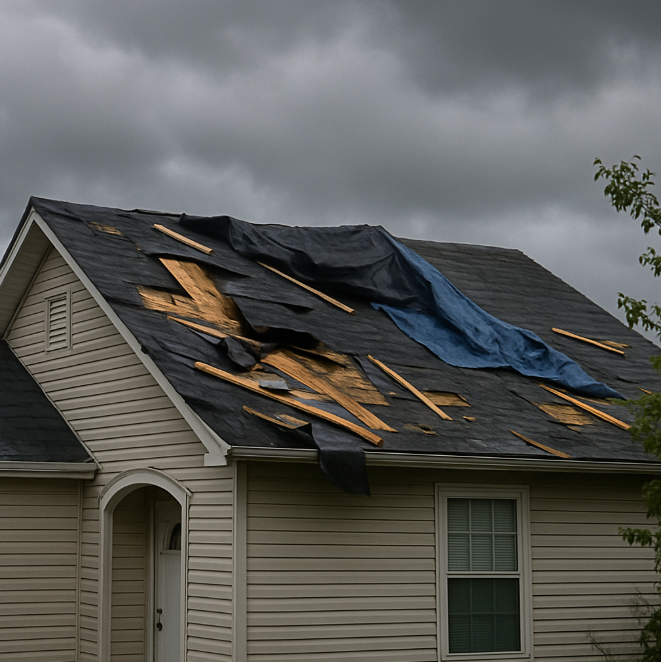
Assessing the Damage
The first step after a storm is to assess the damage to your roof and siding. This will help you understand the extent of the repairs needed and prioritize your actions.
Inspecting Your Roof
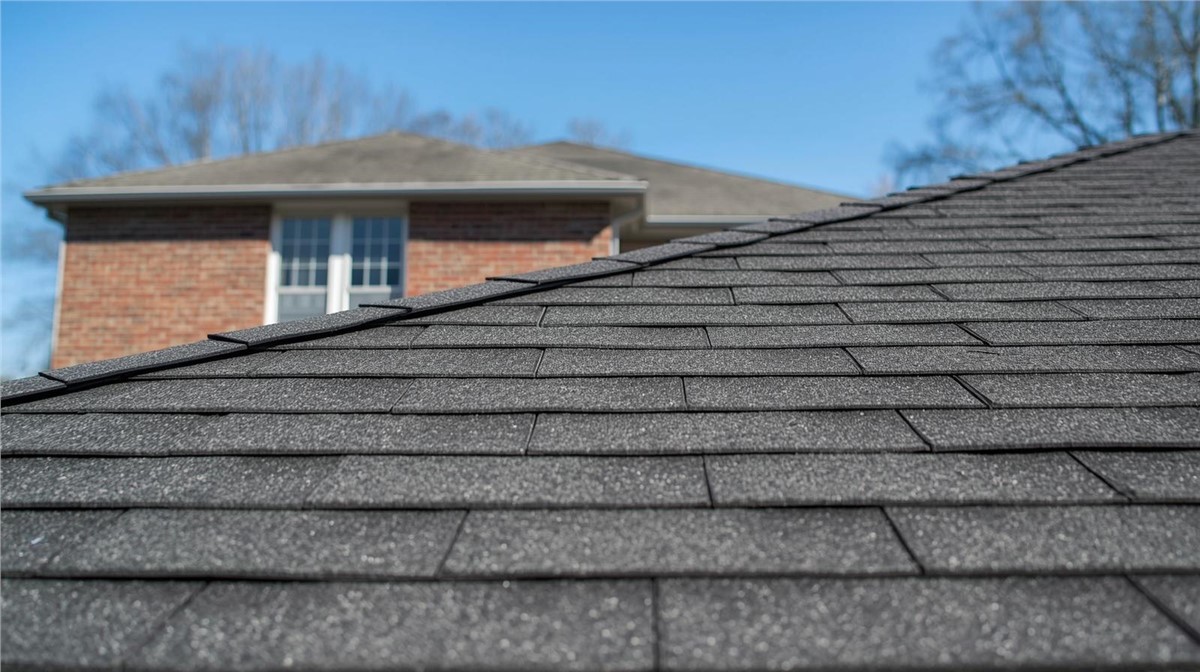
Start by visually inspecting your roof from the ground. Look for missing shingles, visible dents, or areas where the roof appears uneven. If safe to do so, use a ladder to get a closer look but avoid walking on the roof unless necessary. Be sure to check for:
Missing or damaged shingles: These can lead to leaks.
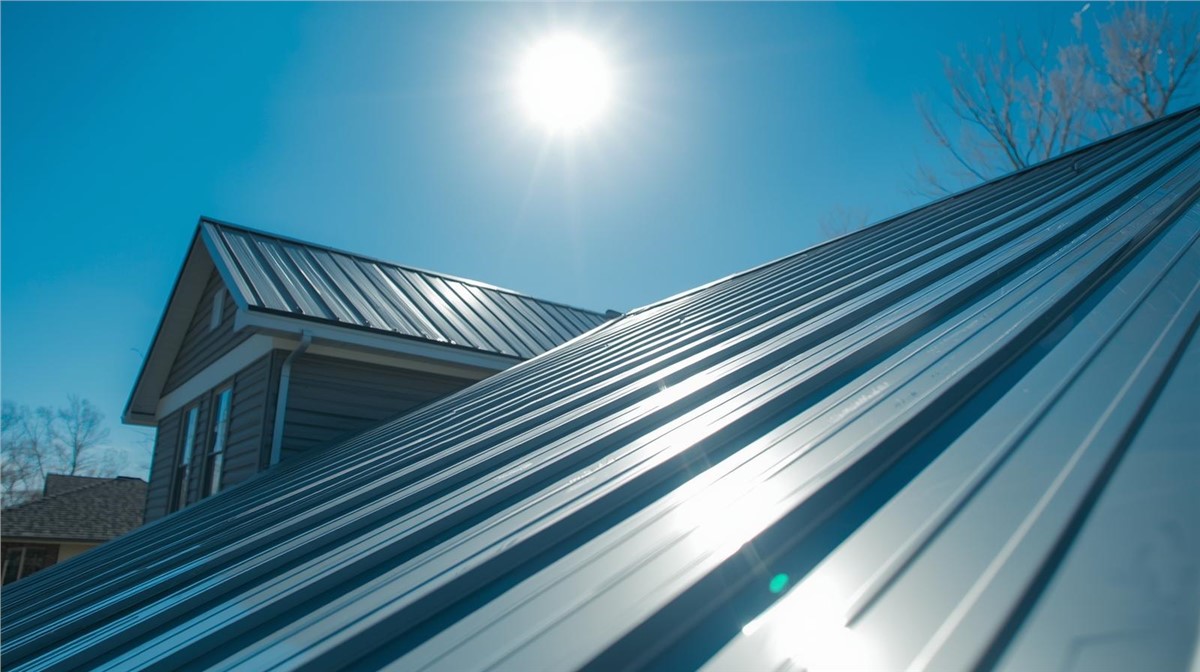
Dents or dings in metal roofs: Hail can cause significant damage to metal roofing.
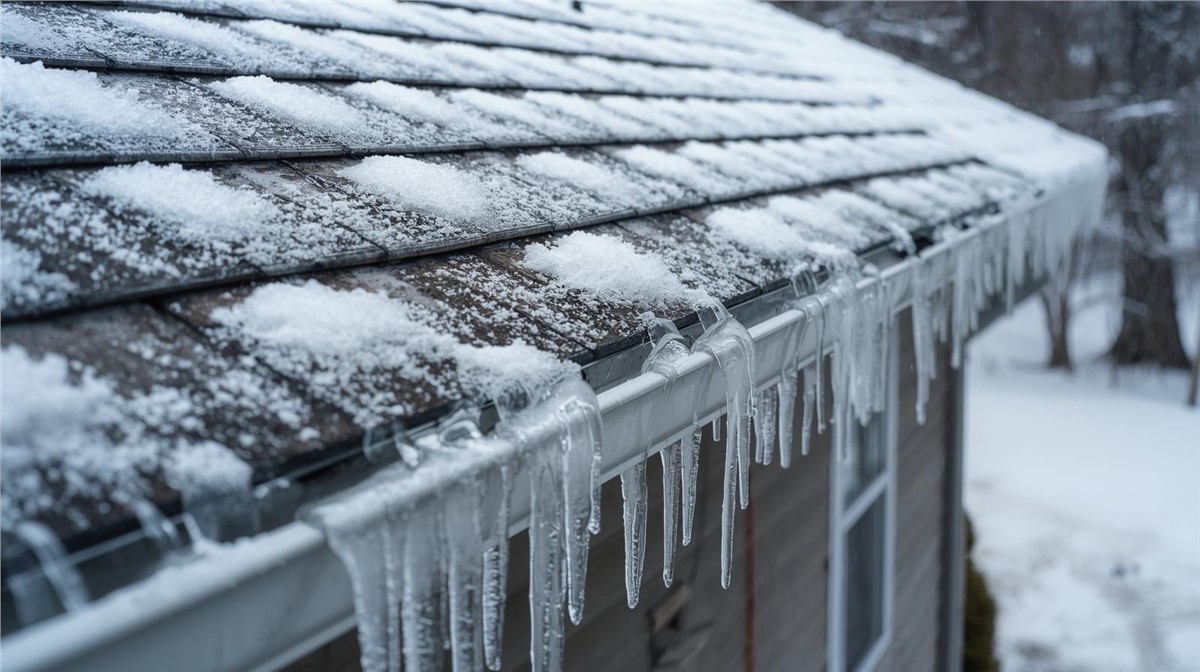
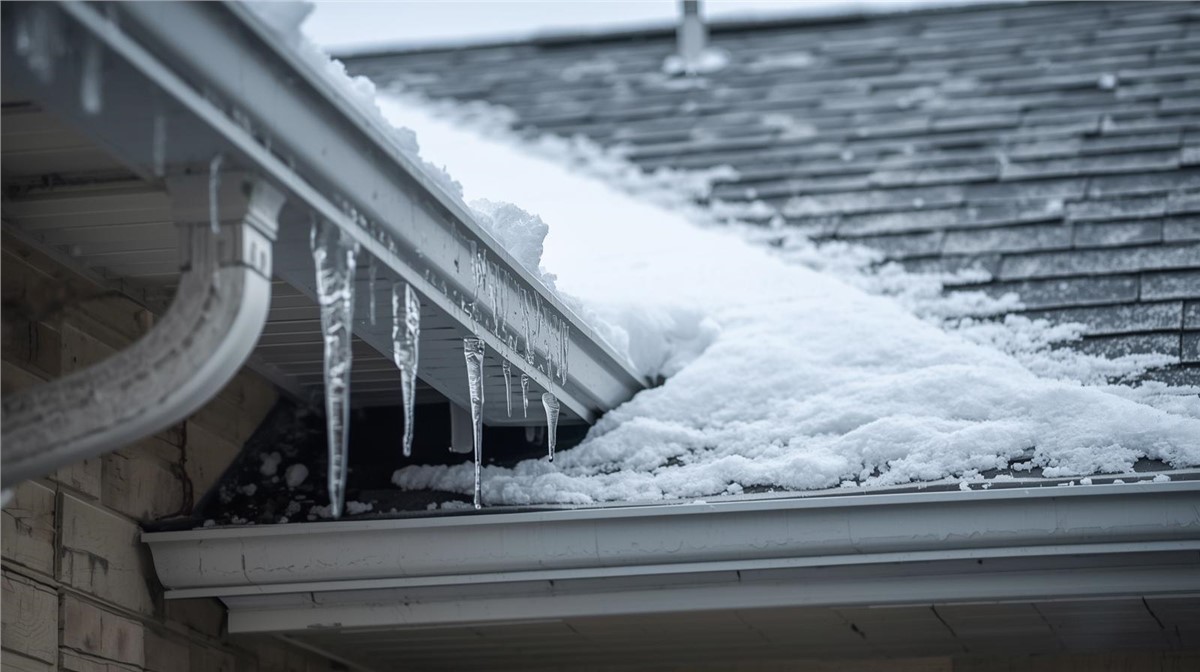
Debris accumulation: Branches and leaves can clog gutters and cause water backup.
Flashing damage: Check around chimneys and skylights for any loose or damaged flashing.
Checking the Siding
Your home's siding is also vulnerable to storm damage. Inspect it for:
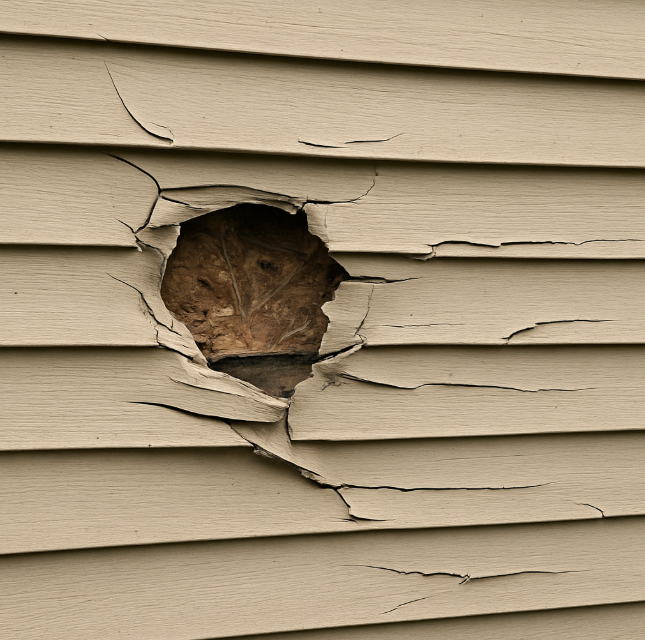
Cracks and holes: These can allow water to seep in and cause further damage.
Loose or missing panels: High winds can rip siding panels away from the structure.
Dents and dings: Hail can cause pockmarks that compromise the siding’s integrity.
Immediate Actions for Emergency Repairs
Once you've assessed the damage, taking immediate action is crucial to prevent further issues such as water damage or mold growth.
Temporary Roof Repairs
If you notice leaks or missing shingles, use a tarp to cover the affected areas. Secure it with roofing nails or heavy objects to prevent it from blowing away. This temporary fix can help keep water out until professional repairs can be made.
Siding Quick Fixes
For siding, if there are holes or cracks, use a waterproof sealant to patch them temporarily. This prevents water from entering your home and causing more damage.
Hiring a Professional for Storm Damage Repair
While some minor repairs can be handled on your own, it's advisable to hire professionals for more extensive damage.
Choosing the Right Contractor
Finding the right contractor for storm damage repair is crucial. Look for:
Licensing and insurance: Ensure they are certified and carry insurance to protect you from liability.
Experience with storm damage: Contractors with specific experience in storm damage repair will understand the intricacies of this type of work.
References and reviews: Check for positive testimonials and ask for references to gauge their reliability.
Emergency Roof Repair Services
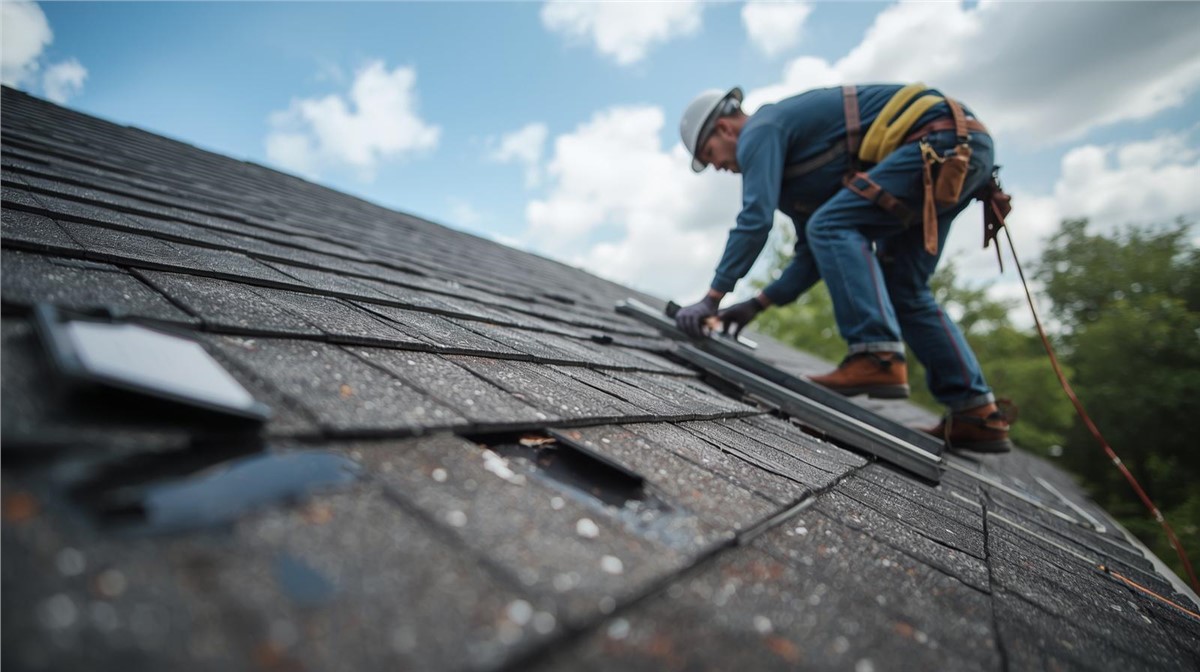
Professional roofers can quickly assess the damage and provide emergency repairs to prevent further issues. They have the tools and expertise to replace shingles, fix leaks, and repair flashing effectively.
Siding Replacement and Repair
For siding damage, professionals can replace missing panels, repair cracks, and ensure the integrity of your home's exterior is restored. They will also check for underlying issues that may not be immediately visible.
Insurance Claims for Storm Damage
After ensuring that temporary repairs are in place, the next step is dealing with insurance claims.
Documenting the Damage
Take detailed photos of all damage before making any permanent repairs. This documentation is essential for insurance claims. Be sure to capture:
All damaged areas: Roof, siding, and any interior damage caused by leaks.
Temporary repairs made: Show the efforts you've taken to prevent further damage.
Filing the Claim
Contact your insurance company as soon as possible to report the damage. Provide them with the documentation and any estimates from contractors for the repair work. Be prepared to answer questions about the extent of the damage and any actions taken.
Preventive Measures for Future Storms
While you can't prevent storms, you can take steps to minimize damage in the future.
Regular Maintenance
Conduct regular maintenance checks on your roof and siding. Replace any damaged shingles or panels promptly and clean gutters regularly to prevent water backup.
Install Storm-Resistant Materials
Consider upgrading to storm-resistant roofing materials and impact-resistant siding. These materials are designed to withstand harsh weather conditions better than standard options.
Trim Surrounding Trees
Keep trees around your home trimmed and healthy to reduce the risk of branches falling onto your roof or siding during a storm.
Conclusion
Storm damage to your roof and siding can be overwhelming, but by assessing the damage promptly and taking the right steps for emergency repairs, you can protect your home from further harm. Don't hesitate to call in professionals for comprehensive repairs and ensure you make the most of your insurance coverage. With the right preparations, you can weather any storm with confidence.
Subscribe to Huskie Exteriors's Blog





Comments