When it comes to replacing your roof, the cost is often the first concern. While many homeowners plan for the obvious expenses like materials and labor, there are several hidden costs that can catch you off guard. Understanding these potential pitfalls can help you budget more effectively and avoid unpleasant surprises.
In this guide, we’ll break down the hidden costs of roof replacement, so you know exactly what to watch out for.
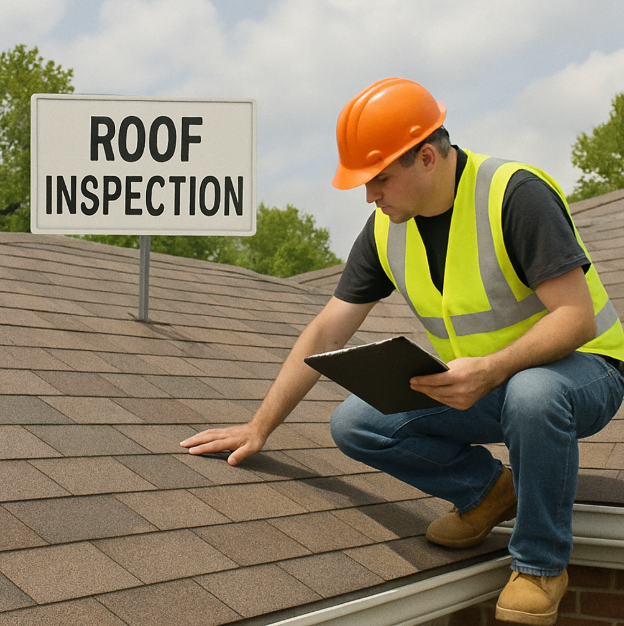
Before diving into the hidden costs, it's essential to grasp the basic components that make up roof replacement costs. Typically, these include:
Materials: The type and quality of roofing materials significantly impact the price.
Labor: Professional roofing contractors charge for the time and expertise they provide.
Disposal: Removing old roofing materials involves disposal fees.
Permits: Local governments may require permits for roof replacement.
While these are the standard costs, additional expenses can quickly add up. Here’s what you need to consider.
Hidden Costs of Roof Replacement
Roof Deck Repairs
One of the most common surprises during roof replacement is the need for roof deck repairs. The roof deck is the foundation that supports your roofing materials. If it’s damaged or rotting, it needs to be repaired or replaced before the new roof can be installed.
Signs of Deck Damage:
Sagging roof
Water stains on the ceiling
Mold or mildew growth
Ignoring deck damage can lead to serious structural issues, so it’s crucial to address it during roof replacement.
Upgraded Insulation
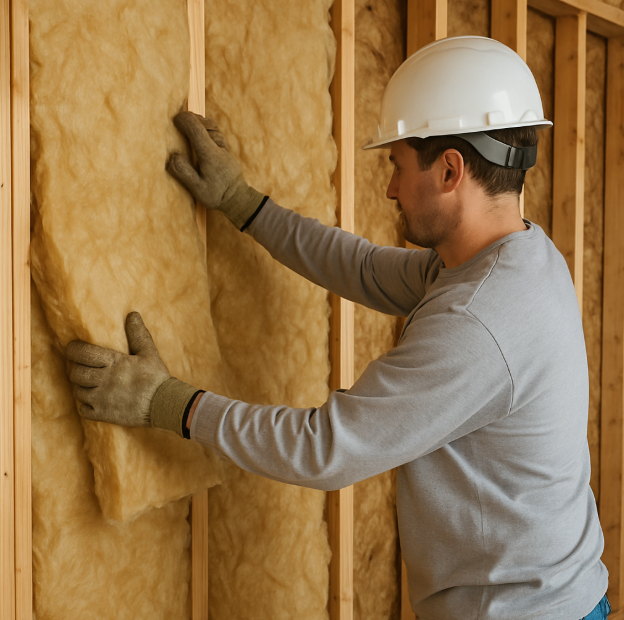
Sometimes, roof replacement reveals inadequate or damaged insulation. Upgraded insulation improves energy efficiency, reducing heating and cooling costs. While it’s an added expense, the long-term savings on energy bills can make it worthwhile.
Code Compliance Upgrades
Building codes change over time, and your existing roof may not meet current standards. During replacement, you might need to upgrade to comply with local building codes. This could involve adding features like proper ventilation or installing specific materials.
Hidden Water Damage
Water damage can remain hidden until the old roof is removed. This can include rotting wood, rusted flashing, or mold growth. Addressing these issues is essential to ensure the longevity of your new roof.
Chimney and Skylight Repairs
If your roof has chimneys or skylights, they might need repairs or adjustments during roof replacement. Flashing around these areas can deteriorate, leading to leaks and requiring additional sealing or replacement.
Pest Damage
Pests like termites, birds, or squirrels can cause damage to your roof. Discovering pest infestations during roof replacement can lead to unexpected costs for extermination and repairs.
Roof Features and Complexities
The complexity of your roof can also affect costs. Features like multiple angles, dormers, or a steep pitch require additional labor and materials, increasing the overall expense.
Roofing Cost Breakdown
To help you budget effectively, here's a general breakdown of roof replacement costs:
Materials: 40% of total cost
Labor: 30% of total cost
Disposal and Cleanup: 10% of total cost
Permits and Inspections: 5% of total cost
Hidden Costs (Repairs, Upgrades): 15% of total cost
Keep in mind that these percentages can vary based on factors like location, roof size, and material choice.
Tips to Manage Roof Replacement Costs
Get Multiple Quotes
Obtain quotes from several roofing contractors to compare prices and services. Ensure each quote includes a detailed breakdown of costs, so you understand what you’re paying for.
Inspect Your Roof
Before starting the replacement, have your roof professionally inspected. This can help identify potential hidden issues, allowing you to plan for additional expenses.
Budget for Contingencies
Set aside an extra 10-15% of your budget for unexpected costs. This financial cushion can help you manage unforeseen expenses without stress.
Discuss Upgrades and Repairs
Talk to your contractor about potential upgrades or repairs before starting the project. Knowing the full scope of work can help you make informed decisions and avoid surprise costs.
Check for Warranties and Insurance
Ensure your roofing contractor offers warranties on their work and that they are insured. This protects you from additional costs if issues arise after installation.
Conclusion
Roof replacement is a significant investment in your home, and understanding the hidden costs can save you from financial headaches. By planning for potential expenses and working with a reputable contractor, you can ensure a smooth roof replacement process.
Remember, investing in quality materials and professional installation will pay off in the long run, providing you with a durable, efficient roof that enhances your home's value and comfort.
Subscribe to Huskie Exteriors's Blog





Comments