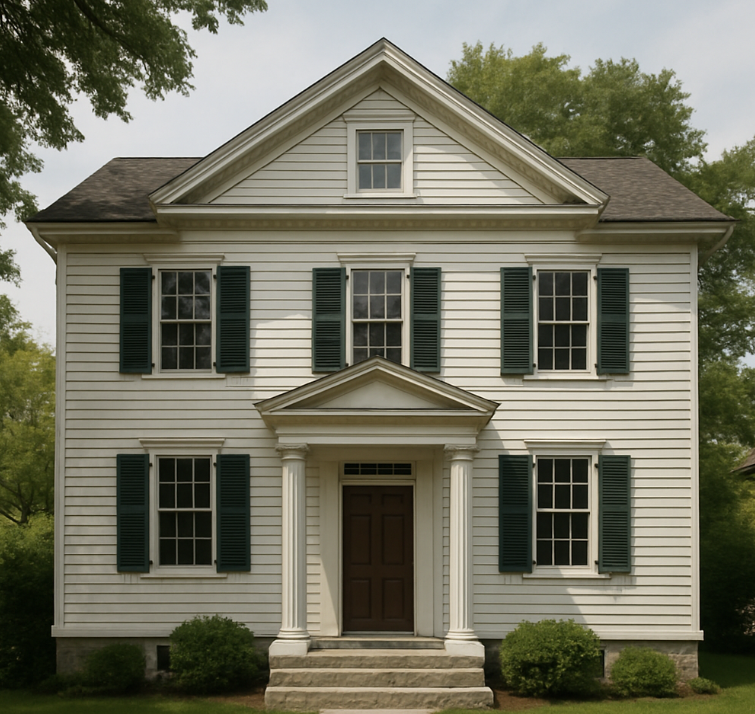
Owning an older home can be a rewarding experience, offering charm, character, and a piece of history that newer constructions often lack. However, along with these benefits come unique challenges, particularly when it comes to maintaining the exterior. One common issue owners of older homes face is siding repairs. In this article, we'll explore what to expect when dealing with siding repairs for older homes, how to identify issues, and the best strategies for making necessary repairs.
Understanding Historic Home Siding
Types of Siding in Older Homes
Older homes often feature a variety of siding materials, each with its own set of challenges. Some of the most common types include:
Wood Siding: A popular choice for many historic homes, wood siding offers a timeless appearance. However, it requires regular maintenance to prevent rot, insect damage, and weathering.
Brick Siding: Known for its durability, brick siding is less likely to need frequent repairs. Nevertheless, issues like mortar deterioration can arise and require attention.
Stucco Siding: Commonly found in older homes, especially in warmer climates, stucco can develop cracks over time, which can lead to water damage if not addressed.
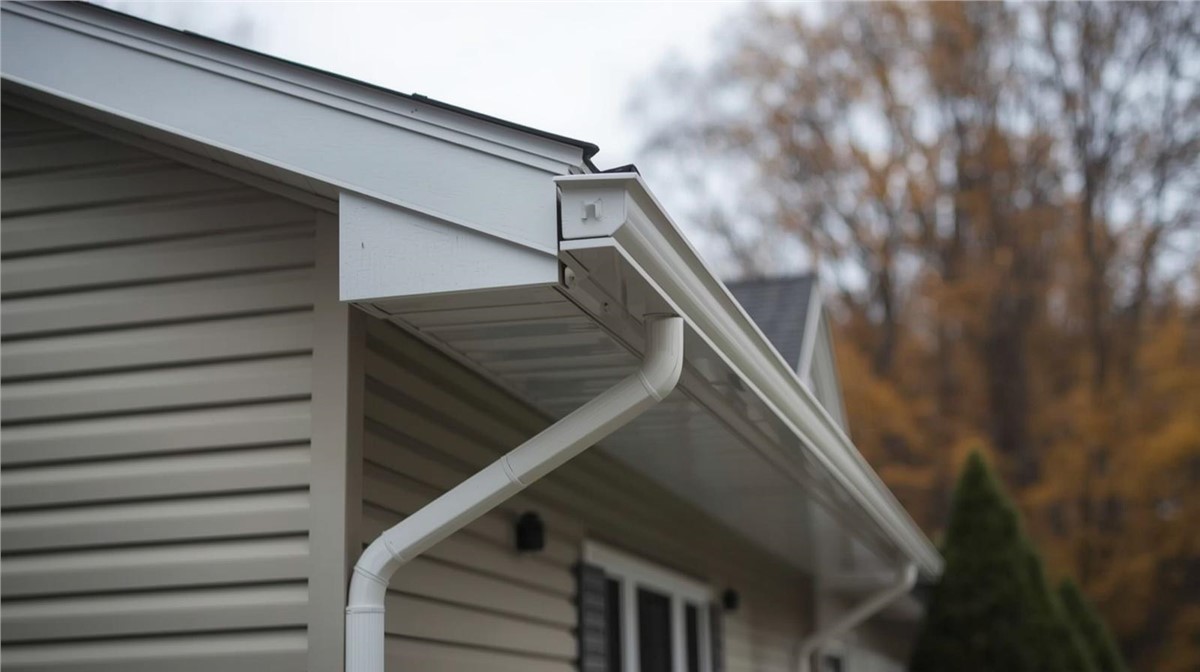
Vinyl Siding: While not original to many historic homes, vinyl siding may have been added over the years. It is generally low-maintenance but can crack or fade with age.
Recognizing the Signs of Siding Damage
Before diving into repairs, it's important to recognize the signs of siding damage. Here are some indicators that your home's siding may need attention:
Peeling or Cracking Paint: This is often a sign of moisture problems beneath the surface.
Warping or Buckling: Changes in shape can indicate water damage or structural issues.
Visible Rot or Mold: These suggest significant moisture penetration and need immediate action.
Increased Energy Bills: If your heating or cooling costs are rising, it could be due to compromised siding allowing air leaks.
Planning for Siding Repairs
Assessing the Extent of the Damage
Once you've identified potential issues, assess the extent of the damage. This involves inspecting your siding thoroughly to determine whether the damage is localized or widespread. Consider hiring a professional if you're unsure, as they can provide a comprehensive assessment.
Setting a Budget
Siding repairs can vary significantly in cost, depending on the type of siding and the extent of the damage. Setting a realistic budget is crucial. Consider the costs of materials, labor, and any additional repairs that may be necessary, such as fixing underlying structural issues.
Choosing the Right Materials
When repairing or replacing siding on an older home, it's essential to choose materials that match the home's original design while offering modern benefits like improved durability and energy efficiency. Research materials that suit the style and period of your home to maintain its historical integrity.
The Repair Process
DIY vs. Hiring a Professional
Deciding whether to tackle siding repairs yourself or hire a professional depends on several factors, including your skill level, the scope of the project, and the type of siding. Simple repairs, such as patching small cracks or replacing a few boards, may be manageable for a DIY enthusiast. However, extensive repairs or those involving structural issues are best left to professionals.
Steps Involved in Siding Repair
Inspection and Preparation: Begin by inspecting the siding and preparing the area for repair. This may involve removing damaged sections and cleaning the surface.
Repair or Replace: Depending on the damage, you may need to repair or replace sections of siding. Use appropriate materials and techniques to ensure a seamless match with existing siding.
Sealing and Painting: After repairs, seal any gaps to prevent moisture intrusion. If necessary, repaint the siding to match the rest of the house.
Final Inspection: Conduct a final inspection to ensure repairs are complete and effective.
Maintaining Older Home Siding
Regular Inspections
To prevent future issues, conduct regular inspections of your home's siding. Look for signs of wear and damage, and address problems promptly to avoid more extensive repairs later on.
Cleaning and Maintenance
Regular cleaning can help extend the life of your siding. Remove dirt and debris, and treat any mold or mildew. Repaint or reseal surfaces as needed to maintain protection against the elements.
Protecting Against Environmental Factors
Consider the climate and environmental factors that affect your home. For example, homes in wet climates may require more frequent sealing, while those in sunny areas may need UV protection to prevent fading.
Conclusion
Siding repairs for older homes require careful consideration and planning to preserve the charm and integrity of your historic property. By understanding the types of siding, recognizing damage signs, and following the appropriate repair and maintenance steps, you can ensure your home's exterior remains beautiful and functional for years to come. Whether you choose to tackle repairs yourself or hire a professional, investing time and effort into maintaining your historic home's siding is a worthwhile endeavor.
Remember, a well-maintained exterior not only enhances your home's curb appeal but also protects your investment and preserves a piece of history for future generations to enjoy.
Subscribe to Huskie Exteriors's Blog





Comments