When a storm hits, the roof of your home often bears the brunt of the damage. As the primary barrier against harsh weather conditions, a compromised roof can lead to significant issues such as leaks, structural damage, and mold growth. For homeowners in Rockford, taking the right steps after a storm is vital to protect your investment and ensure the safety of your household. This comprehensive guide will walk you through the essential actions you need to take when faced with storm-related roof damage, ensuring your home remains secure and habitable.
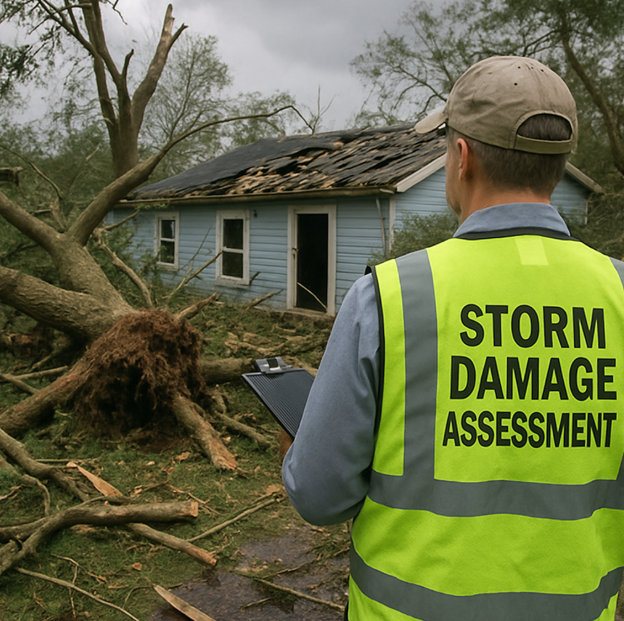
The aftermath of a storm can leave your roof in a precarious state. Conducting a thorough damage assessment is the first step in addressing any issues. However, safety should always be your top priority.
Safe Assessment Practices
Before you begin evaluating the damage, ensure you are taking appropriate safety measures. Instead of climbing onto the roof, use binoculars or a camera with a zoom lens to inspect from the ground. This approach minimizes the risk of injury. Look for signs such as displaced shingles, damaged flashing, and any visible debris that may have impacted the roof's surface.
Identifying Common Damage Indicators
Certain indicators can signify storm damage. Missing or cracked shingles are clear signs that your roof has been compromised. Additionally, dented flashing or water stains on ceilings and walls can point to underlying problems. Keep an eye out for debris such as branches and leaves, which can scratch or puncture roofing materials. Finally, granules from shingles found in gutters are a sign of shingle deterioration.
Importance of a Professional Inspection
While a preliminary assessment is crucial, the expertise of a roofing professional is indispensable. An experienced contractor can conduct a more detailed inspection, identifying subtle signs of damage that may not be visible to the untrained eye. Their expertise ensures that all issues are addressed, preventing potential future complications.
Contact a Roofing Professional
Selecting a qualified roofing contractor is a pivotal step in the repair process. A reputable professional not only provides a comprehensive damage assessment but also offers guidance on the most effective repair strategies.
Evaluating Contractor Credentials
When choosing a contractor, verify their credentials thoroughly. Ensure they hold the necessary licenses and insurance, which protect you from liability in case of accidents during the repair process. This verification is crucial to safeguard your interests.
Researching Contractor Reputation
The reputation of a contractor can provide insights into their reliability and quality of work. Check online reviews and ratings on platforms such as Google and Yelp. Additionally, request references from previous clients to gain firsthand accounts of their experiences with the contractor.
Comparing Quotes and Services
Obtaining multiple quotes from different contractors allows you to compare services and pricing. Look for detailed estimates that outline the scope of work, materials required, and associated costs. This comparison helps you make an informed decision that aligns with your budget and repair needs.
Document the Damage
Thorough documentation is essential for both insurance purposes and repair planning. It serves as evidence for claims and helps contractors understand the extent of the damage.
Creating a Comprehensive Visual Record
Capture detailed photos and videos of all affected areas, including the roof, interior ceilings, and walls. Ensure that you document both minor and major damages, as even small issues can escalate if left unaddressed. A comprehensive visual record is invaluable during insurance assessments.
Maintaining a Detailed Log
Keep a meticulous record of all communications with contractors and insurance adjusters. Document the dates and details of conversations, as well as any temporary repairs you undertake. This log will be crucial in case of discrepancies or disputes during the claims process.
The Role of Documentation in Future Repairs
Beyond immediate insurance claims, thorough documentation can serve as a reference for future repairs or renovations. It provides a historical account of past issues, helping contractors identify patterns or recurring problems that may need special attention.
File an Insurance Claim
Filing an insurance claim is a critical step in securing the funds necessary for roof repair. A well-prepared claim increases the likelihood of a smooth and successful process.
Gathering Essential Documentation
Ensure you have all necessary documentation ready when filing your claim. This includes photos, videos, contractor assessments, and any repair receipts. Having a complete set of documents streamlines the claims process and provides a clear case for compensation.
Effective Communication with Insurers
Contact your insurance company promptly after the storm. Provide detailed and honest descriptions of the damage. Keep a record of all communications and follow up regularly to stay informed about the status of your claim. Clear and consistent communication with your insurer is key to a successful outcome.
Navigating the Adjuster Visit
An insurance adjuster will likely visit your property to evaluate the damage in person. Be prepared to guide them through the documented issues and answer any questions they may have. Your thorough preparation will facilitate a more efficient assessment and support your claim.
Perform Temporary Repairs
While awaiting permanent repairs, temporary measures are essential to mitigate further damage. These interim solutions protect your home from additional harm and make the environment more comfortable.
Prioritizing Safety in Temporary Repairs
Only undertake temporary repairs if it is safe to do so. Avoid climbing onto the roof during hazardous weather conditions or if the roof's structure is compromised. Safety should always take precedence over repair efforts.
Selecting the Right Materials
Use quality materials when performing temporary repairs to ensure their effectiveness. Tarps and plywood can cover exposed areas, while buckets can catch leaks. Proper materials prevent further deterioration and provide a stable temporary solution.
Avoiding Permanent Fixes
Refrain from making any permanent fixes that could void your insurance claim. Temporary repairs should be just that—temporary. They should not interfere with the professional assessment and repair process that will follow.
Schedule Permanent Repairs
Once your insurance claim is approved and you've selected a reputable contractor, it's time to plan for permanent repairs. This phase is crucial for restoring your roof's integrity.
Coordinating with Your Contractor
Work closely with your contractor to establish a repair timeline. Ensure all necessary materials are ordered in advance to avoid delays. Open communication helps manage expectations and keeps the project on track.
Managing Expectations and Delays
Be prepared for potential delays, especially after widespread storm events when contractors may be in high demand. Understanding and flexibility can alleviate stress and ensure a smoother repair process.
Verifying Repair Quality
Once repairs are completed, inspect the work to ensure it meets your expectations. Verify that the contractor's efforts align with the insurance estimate and that all issues have been addressed. Quality repairs are essential for the long-term protection of your home.
Prevent Future Damage
Taking proactive measures can reduce the risk of future storm damage. Regular maintenance and strategic improvements can fortify your roof against severe weather.
Implementing Routine Inspections
Schedule annual roof inspections to catch potential issues early. Professional assessments can identify vulnerabilities that might otherwise be overlooked. Regular inspections are a cornerstone of preventative maintenance.
Addressing Repairs Promptly
Address minor repairs as soon as they arise. Small issues can escalate quickly, leading to more extensive damage. Prompt attention to repairs ensures your roof remains in optimal condition.
Investing in Durable Materials
Consider investing in storm-resistant materials if you are replacing your roof. Modern materials offer enhanced durability and protection against severe weather conditions. This investment can pay off by extending the lifespan of your roof and reducing future repair costs.
Conclusion
Handling storm damage roof repair in Rockford requires a strategic approach and timely action. By assessing the damage, enlisting professional help, and documenting the situation thoroughly, you can navigate the repair process effectively. Filing an insurance claim and working with a reputable contractor ensures that your home is restored promptly and efficiently. Taking preventive measures not only safeguards your home against future storms but also maintains the integrity of your roof for years to come. Remember, proactive maintenance is your best defense against the unpredictable nature of severe weather.
Subscribe to Huskie Exteriors's Blog





Comments