When a storm sweeps through your neighborhood, it can leave a trail of damage in its wake. Among the most vulnerable parts of your home is its siding. The siding not only adds to the aesthetic appeal of your house but also serves as a crucial barrier against the elements. Knowing how to assess and address storm damage to your siding can save you time and money in the long run. In this guide, we'll walk you through the signs of siding damage and the steps you can take to repair it.
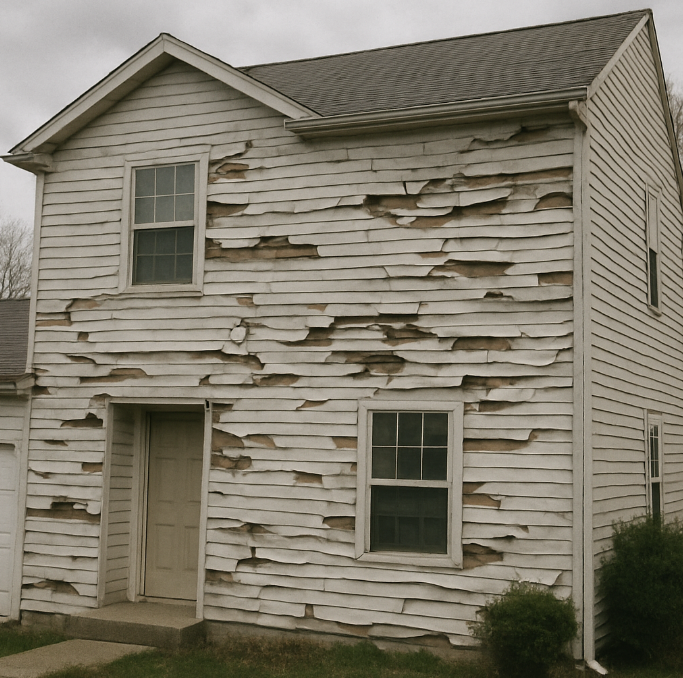
Siding is your home's first line of defense against weather conditions. It protects the interior structure from rain, wind, and debris. When siding is compromised, it can lead to water infiltration, mold growth, and structural damage. Keeping your siding in good condition is essential for maintaining your home's integrity and value.
Common Types of Storm Damage
Storms can cause a variety of damages to your home's siding. Here's what you should look out for:
Wind Damage
High winds can cause siding panels to loosen or even blow off entirely. Look for pieces that are missing or hanging loosely. Wind can also drive rain under the siding, leading to water damage.
Hail Damage
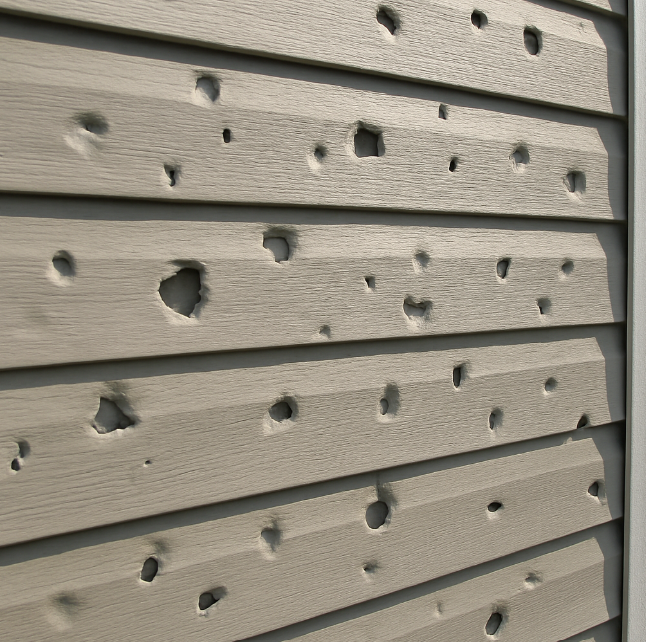
Hailstorms can leave small dents, cracks, or holes in your siding. These damages might be hard to spot from a distance, so a close inspection is necessary. Hail damage not only affects the appearance of your siding but can also compromise its protective capabilities.
Water Damage
Heavy rains can result in water seeping behind the siding if it's not properly sealed. This can cause warping, rotting, or mold growth. Check for any signs of water stains or mold on the siding.
Signs Your Siding Needs Repair
Visible Cracks and Holes
Inspect your siding for any visible cracks, holes, or chips. Even small cracks can allow water to penetrate and cause more extensive damage over time.
Warping or Bubbling
If you notice any warping or bubbling in your siding, it's a sign that water has gotten behind it. This can lead to mold growth and further deterioration of the siding material.
Peeling Paint or Wallpaper Indoors
Peeling paint or wallpaper inside your home can be an indirect sign of siding damage. It often indicates that water is seeping through the exterior walls.
Increased Energy Bills
Damaged siding can affect your home's insulation, leading to higher energy bills. If you notice an unexplained increase in your heating or cooling costs, it might be due to compromised siding.
Steps to Take After a Storm
Conduct a Thorough Inspection
After a storm, conduct a thorough inspection of your home's exterior. Walk around your property and take note of any visible damage. Use a flashlight to inspect hard-to-see areas and take pictures for documentation.
Check for Hidden Damage
Not all storm damage is immediately visible. Look for signs of moisture or mold inside your home, especially around windows and doors. If you suspect hidden damage, consider hiring a professional to conduct a more detailed inspection.
Contact Your Insurance Company
If you find significant damage, contact your insurance company as soon as possible. Many homeowners' policies cover storm damage, but it's important to report it promptly. Provide them with the documentation you collected during your inspection.
Get Professional Help
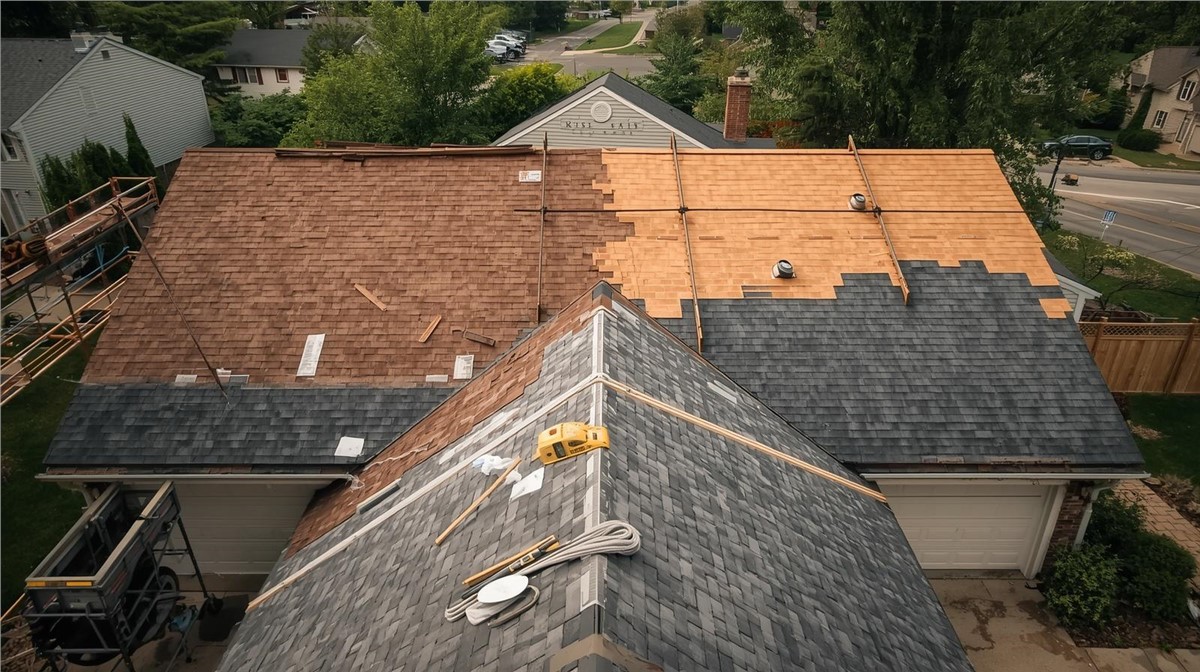
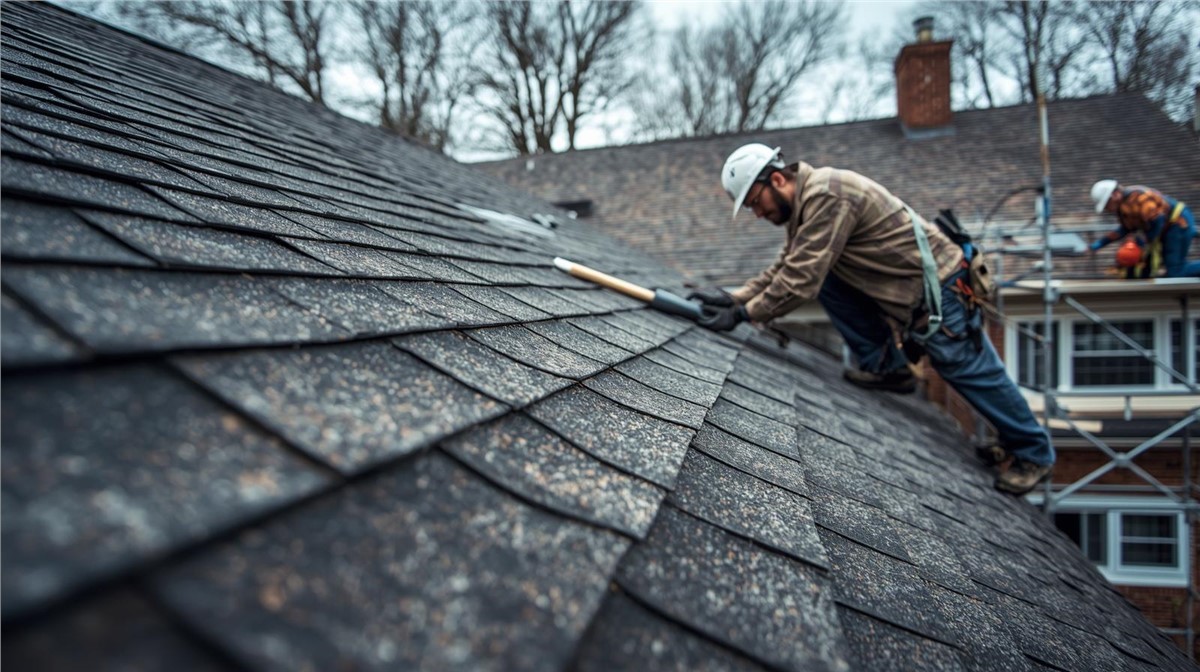
While some minor repairs can be done by a handy homeowner, significant damage should be addressed by a professional. A qualified contractor can assess the extent of the damage and recommend the best course of action. They have the tools and expertise to perform repairs safely and effectively.
DIY vs. Professional Repairs
When to DIY
If the damage is minor, such as a few small cracks or loose panels, you might be able to handle the repairs yourself. Make sure you have the necessary tools and materials, and follow proper safety protocols.
When to Hire a Professional
For more severe damage, or if you're unsure about the extent of the damage, it's best to hire a professional. They can ensure that repairs are done correctly and can provide a warranty for their work. This can give you peace of mind and save you money in the long run by preventing further issues.
Preventing Future Damage
Regular Maintenance
Regular maintenance can help prevent storm damage to your siding. This includes cleaning your siding annually, checking for signs of wear, and making minor repairs as needed.
Install Protective Features
Consider installing protective features such as storm shutters or impact-resistant siding. These can provide additional protection against severe weather conditions.
Trim Overhanging Branches
Trim trees and bushes near your home to prevent branches from damaging your siding during a storm. This can also help reduce the amount of debris that might be blown against your house.
Conclusion
Storms are an inevitable part of life, but they don't have to spell disaster for your home. By understanding the signs of siding damage and knowing how to respond, you can protect your home from further harm. Whether you choose to tackle minor repairs yourself or hire a professional for more extensive work, taking action promptly can help maintain your home's integrity and value. Keep your home safe and sound, rain or shine.
Subscribe to Huskie Exteriors's Blog





Comments