When it comes to maintaining or repairing your roof, choosing the right contractor is crucial. Unfortunately, not all contractors are trustworthy, and scams in the roofing industry are more common than you might think. Knowing the common roofing contractor scams and how to avoid them can save you time, money, and a whole lot of stress.
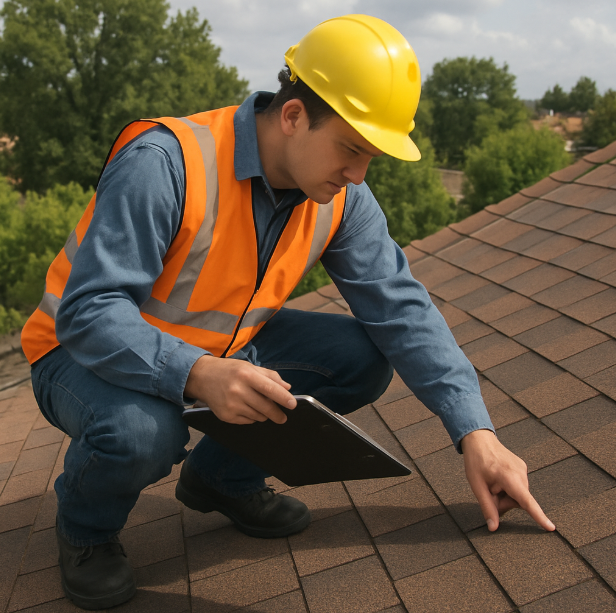
The first step in protecting yourself is understanding the types of scams that exist. Here are some of the most common scams you might encounter when hiring a roofing contractor.
The Storm Chaser Scam
After a severe weather event, you might notice an influx of contractors in your area offering roof inspections and repairs. These "storm chasers" capitalize on homeowners' urgency to fix storm damage. While some are legitimate, others might perform subpar work or disappear after receiving payment without completing the job.
Upfront Payment Scam
Some contractors might ask for a large deposit before starting any work. While it's reasonable to pay a small deposit to secure the job, be wary of contractors who demand significant upfront payments. They might take the money and vanish, leaving your roof unrepaired.
The Low-Bid Scam
It's tempting to go with the cheapest option, but be cautious of bids that are significantly lower than others. These contractors might cut corners, use inferior materials, or add unexpected charges later. A low initial bid can end up costing you much more in the long run.
Roof Inspection Scams
A contractor might offer a free roof inspection and then claim you have damage that needs immediate repair. They might even show you photos of someone else's damaged roof as evidence. Always get a second opinion before agreeing to expensive repairs.
How to Avoid Roofing Scams
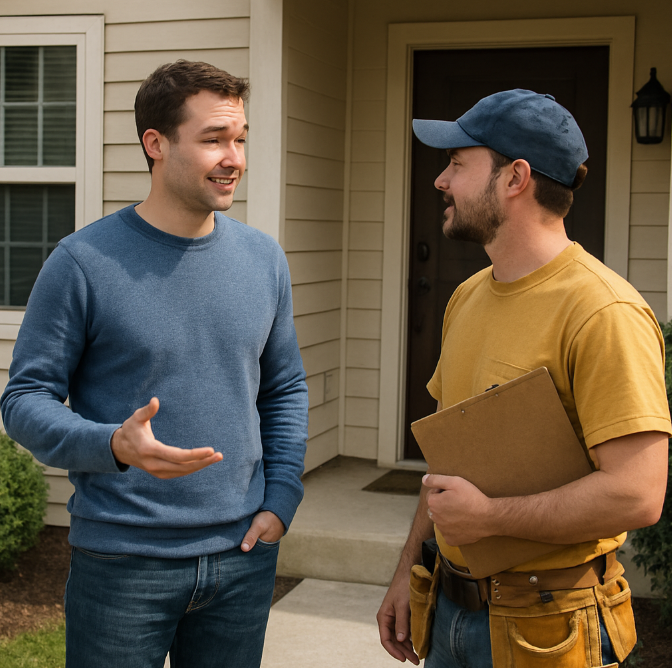
Preventing scams starts with knowing how to protect yourself and your home. Here are some tips to help you avoid falling victim to roofing scams.
Do Your Research
Before hiring a contractor, do some background research. Check their reviews online, ask for references, and verify their credentials. Make sure they are licensed and insured in your state.
Get Multiple Estimates
Don't settle for the first estimate you receive. Get at least three estimates from different contractors to compare prices and services. This will give you a better understanding of the average cost and help you spot any unusually high or low bids.
Verify Their Credentials
Ask to see the contractor's license and insurance information. Verify this information with your local licensing authority. This step ensures the contractor is legitimate and has the necessary coverage if something goes wrong.
Read the Contract Carefully
Before signing anything, read the contract thoroughly. Ensure it includes details about the scope of work, materials, timeline, and payment schedule. Don't sign a contract with blank spaces or terms you don't understand.
Be Wary of Pressure Tactics
A reputable contractor will give you time to consider their proposal. Be cautious of contractors who pressure you to sign a contract immediately or claim their offer is only available for a limited time.
Recognizing Red Flags
Knowing the warning signs can help you identify potential scams before they happen.
No Physical Address
Be wary of contractors who don't have a physical business address or use a P.O. box. A legitimate business should have a verifiable address.
Lack of Communication
If a contractor is difficult to reach or avoids answering your questions, this could be a red flag. Good contractors communicate clearly and are transparent about their processes.
Unsolicited Offers
Be cautious of contractors who show up at your door offering services, especially after a storm. Legitimate contractors usually don't need to solicit business this way.
High-Pressure Sales Tactics
If a contractor insists on starting work immediately or pressures you to make a quick decision, take a step back. A reputable contractor will allow you time to consider your options.
What to Do If You Suspect a Scam
If you suspect you've encountered a scam, there are steps you can take to protect yourself and others.
Report to Authorities
File a complaint with your state's consumer protection office or the Better Business Bureau. Reporting scams can help prevent others from becoming victims.
Contact Your Insurance Company
If a contractor has already started work, contact your insurance company immediately. They may be able to stop payment or provide guidance on how to proceed.
Seek Legal Advice
If you've signed a contract or paid money and suspect a scam, consider seeking legal advice. A lawyer can help you understand your rights and options for recovering your losses.
Conclusion
Hiring a roofing contractor doesn't have to be a gamble. By understanding common roofing contractor scams and taking proactive steps to avoid them, you can ensure your home is in good hands. Remember to do your research, get multiple estimates, and trust your instincts. With these precautions, you'll be well-equipped to protect yourself from scams and ensure your roofing project is a success.
Subscribe to Huskie Exteriors's Blog




Comments