Finding affordable replacement siding can significantly enhance your home's appearance and value without breaking the bank. Whether you're in Fort Wayne or anywhere else, understanding your options and the associated costs can help you make an informed decision. In this guide, we'll explore various siding materials, their pros and cons, and the average costs you can expect. Moreover, we'll delve into factors affecting these costs and offer advice on choosing the right contractor to ensure your project's success.
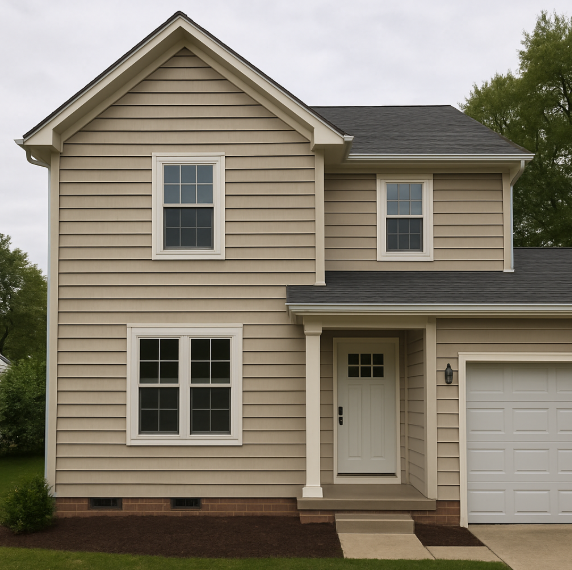
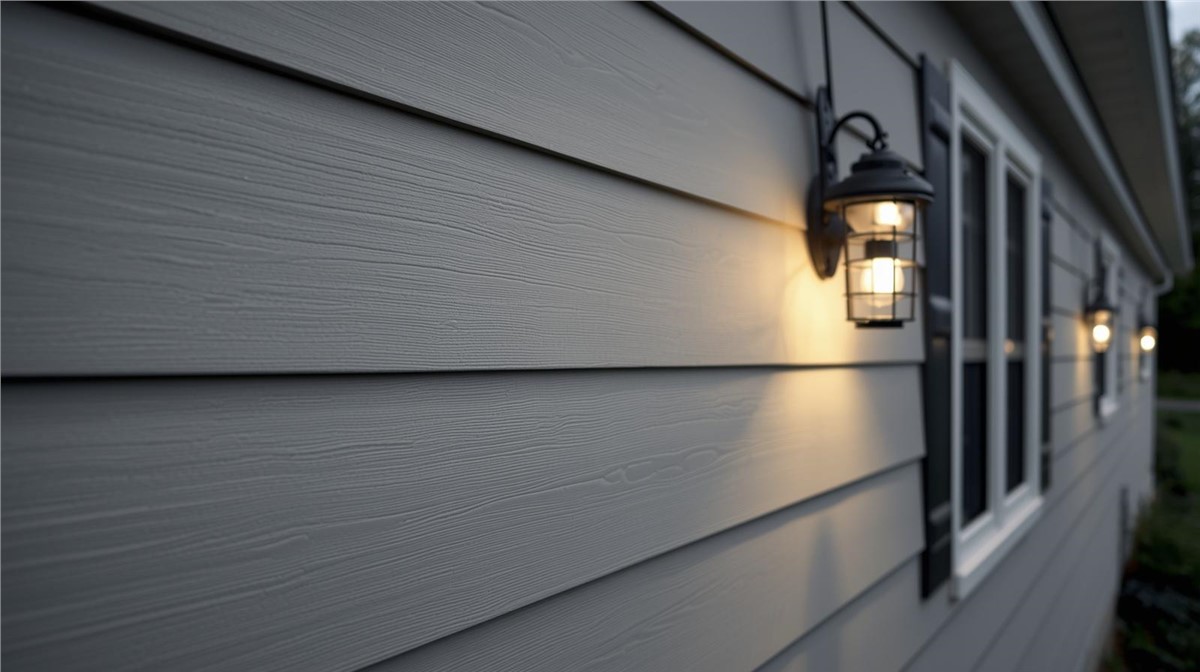
Siding is more than just an aesthetic feature of your home. It plays a critical role in protecting your house from weather elements and can significantly impact energy efficiency. Over time, siding can wear out, leading to issues such as water infiltration or higher energy bills. Replacing siding not only boosts curb appeal but also enhances your home's insulation and structural integrity. A well-chosen siding material can also improve the overall durability and longevity of your home’s exterior.
Furthermore, new siding can increase your home's resale value, making it an attractive investment if you plan to sell in the future. Buyers are often drawn to homes with modern, well-maintained exteriors, and new siding can be a major selling point. Additionally, many siding options today come with improved technology for better insulation, which can lead to savings on energy costs. This makes siding replacement not just a cosmetic upgrade but also a financially savvy decision.
Popular Affordable Siding Options
Vinyl Siding
Vinyl siding is one of the most popular and cost-effective options available. It's known for its durability, low maintenance, and versatility in design. Vinyl siding can mimic the look of wood or other natural materials, providing flexibility in achieving your desired aesthetic.
Pros: Affordable, low-maintenance, available in various colors and styles. It also resists moisture and insect damage, making it a reliable choice for many homeowners.
Cons: Can crack in extremely cold weather, may fade over time. Additionally, it may not offer the same level of authenticity in appearance as natural materials.
Cost: On average, vinyl siding costs between $3 to $7 per square foot, including installation. This makes it a highly competitive option compared to other materials.
Fiber Cement Siding
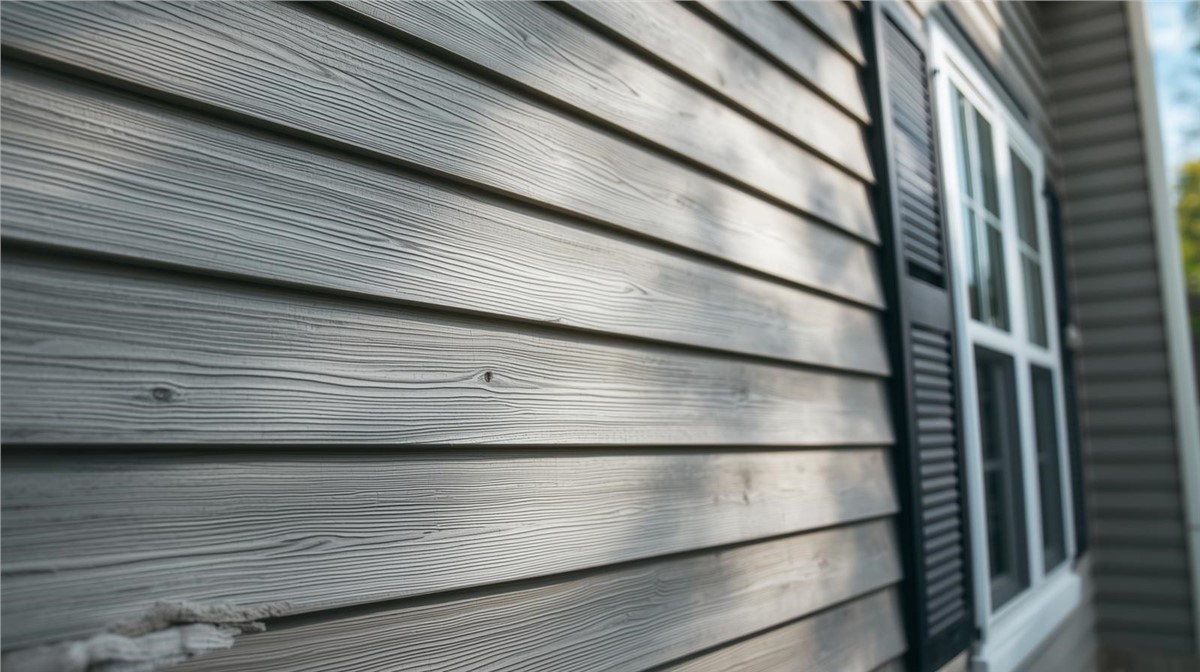
Fiber cement siding offers the look of wood without the high maintenance. It's made from a mixture of cement, sand, and cellulose fibers. This material is known for its resilience and ability to withstand harsh weather conditions.
Pros: Durable, fire-resistant, termite-proof, and available in a variety of textures. It also does not warp or rot, which can be a significant advantage in damp climates.
Cons: Heavier than other materials, can be more expensive to install. It requires special tools and expertise for installation, which can affect labor costs.
Cost: Typically ranges from $5 to $10 per square foot, installed. While it may be pricier upfront, its durability can lead to savings in maintenance over time.
Wood Siding
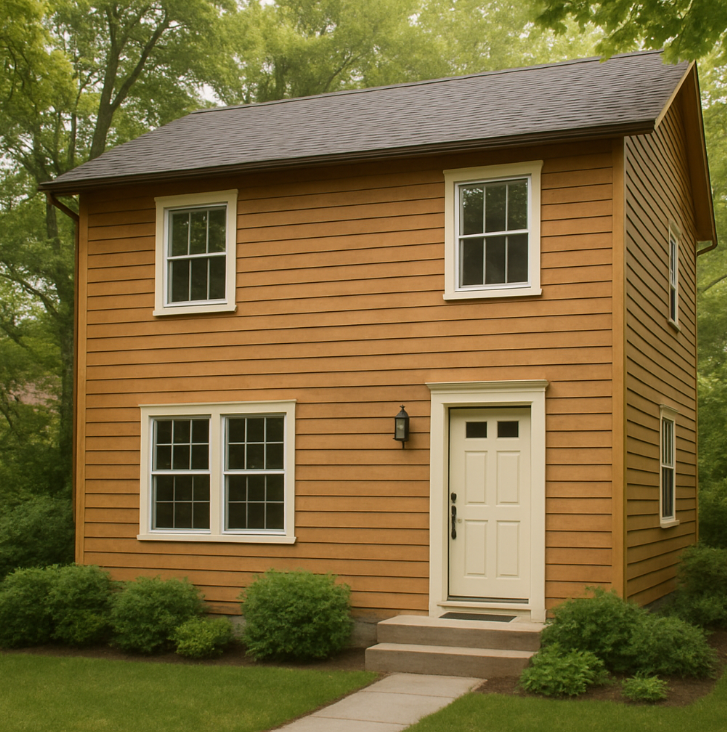
Wood siding adds a classic, natural look to any home and can be painted or stained in any color. It's an excellent choice for those seeking a traditional or rustic aesthetic.
Pros: Natural appearance, eco-friendly, customizable. Wood siding can be crafted into various styles, from shingles to clapboard, offering numerous design possibilities.
Cons: Requires regular maintenance, susceptible to rot and insects. Without proper care, wood siding can deteriorate faster than other materials.
Cost: Costs can vary widely from $5 to $10 per square foot, depending on the type of wood. More exotic wood types or custom finishes can increase this cost significantly.
Metal Siding
Metal siding, often made from aluminum or steel, is highly durable and offers a sleek, modern look. It is particularly favored in contemporary architectural designs.
Pros: Durable, fire-resistant, low maintenance. Metal siding is also impervious to pests and does not rot, making it a long-lasting choice.
Cons: Prone to dents, can be noisy in rain. It may require additional soundproofing measures if noise is a concern.
Cost: Generally ranges from $3 to $8 per square foot, installed. The cost can vary depending on the type of metal and finish used.
Engineered Wood Siding
Engineered wood siding offers a more affordable alternative to traditional wood siding, with enhanced durability. It is designed to mimic the appearance of natural wood while offering greater resistance to environmental factors.
Pros: Less expensive than natural wood, resistant to rot and insects. It is also lighter, making it easier and less costly to install.
Cons: Still requires maintenance, can be less authentic in appearance. Some homeowners may find it lacks the unique grain patterns of real wood.
Cost: Usually between $4 to $9 per square foot, installed. It provides a good balance between cost and durability for those who prefer the wood look.
Factors Affecting Siding Costs
Several factors can influence the total cost of siding replacement. Understanding these can help you plan your budget more effectively and avoid unexpected expenses.
Size of Your Home
The larger your home, the more siding material you'll need, which will increase the overall cost. Larger homes not only require more materials but also more labor, which can further drive up the price.
Moreover, homes with complex architectural features, such as multiple stories or intricate designs, may require additional labor and materials. This can add to both the material and installation costs. Homeowners should also consider that larger projects may take more time to complete, affecting the timeline for completion.
Labor Costs
Labor costs can vary based on your location and the complexity of the installation. In areas like Fort Wayne, you might find slightly different rates compared to larger metropolitan areas. The experience and reputation of the contractor can also play a role in determining labor costs.
Additionally, the type of siding material chosen can impact labor costs, as some materials require specialized skills or tools. It's crucial to discuss labor costs upfront with your contractor to avoid surprises. Be sure to ask for a detailed breakdown of labor versus material costs in any estimates you receive.
Removal of Old Siding
If your existing siding needs to be removed before installing new siding, this can add to the total expense. The condition of your old siding and the ease with which it can be removed will affect the cost.
In some cases, removal may reveal underlying issues such as rot or damage to the structure, which can add to repair costs. It's advisable to have a thorough inspection done before starting the project to anticipate any additional work that may be necessary. Proper disposal of old siding materials can also incur additional fees.
Additional Insulation
Adding insulation during your siding replacement can improve your home's energy efficiency but will also add to the cost. Insulated siding or additional insulation layers can help reduce heating and cooling costs in the long run.
However, homeowners need to weigh the initial cost against potential energy savings over time. Discussing insulation options with your contractor can help you decide whether the investment is worthwhile. Enhanced insulation can also contribute to a more comfortable indoor environment by better regulating temperature.
Choosing the Right Contractor
When selecting a contractor for your siding replacement, consider the following tips to ensure a smooth and successful project.
Get Multiple Quotes
Always obtain at least three quotes from reputable contractors in your area. This allows you to compare prices and services. Each contractor may offer different insights or suggestions, which can be valuable in making an informed decision.
Having multiple quotes also gives you leverage in negotiating better terms or prices. Be sure to ask each contractor to provide a detailed breakdown of costs, including materials, labor, and any additional fees. This transparency will help you make a clear comparison.
Check References and Reviews
Research potential contractors by reading reviews and asking for references. A well-reviewed contractor is more likely to deliver quality work. Speaking directly with previous clients can provide insights into the contractor's reliability and workmanship.
Online reviews can also highlight any consistent issues or praises, giving you a better idea of what to expect. Don’t hesitate to ask contractors for a portfolio of their past work, as this can help you assess their expertise and style.
Verify Licenses and Insurance
Ensure that your chosen contractor is licensed and insured. This protects you from liability in case of accidents during the installation process. A licensed contractor is more likely to comply with local building codes and industry standards.
Insurance is crucial as it covers any potential damage or injuries that might occur during the project. Always ask for proof of both licensing and insurance before signing any contracts. This step is essential to safeguarding your investment and ensuring peace of mind.
Conclusion
Siding replacement is a significant investment that can greatly enhance your home's exterior and energy efficiency. By understanding your options and costs, you can choose the best siding material for your needs and budget. Whether you're opting for vinyl, fiber cement, or another material, selecting a reliable contractor will ensure your project is completed successfully.
With careful planning and consideration, you can achieve an affordable siding replacement that meets your aesthetic and functional goals. If you're in Fort Wayne or elsewhere, start by exploring your options and consulting with local contractors to find the best solution for your home. Remember, informed decisions and meticulous planning are key to a successful siding project.
Replacing your siding doesn't have to be daunting or overly expensive. With the right information and a bit of diligence, you can transform your home's exterior into a beautiful and efficient facade that you'll be proud of for years to come. Take the time to explore various materials and consult with professionals to ensure that your siding replacement not only enhances your home’s beauty but also its overall performance and value.
Subscribe to Huskie Exteriors's Blog





Comments