
When it comes to maintaining your home, siding plays a crucial role in protecting it from the elements and enhancing its curb appeal. Over time, however, siding can become damaged or worn out, leaving homeowners to decide between repairing or replacing it. Understanding the costs associated with both options is essential to making an informed decision that fits your budget and long-term home improvement goals. In this article, we'll break down the costs of siding repair versus replacement and help you determine the best option for your home.
Understanding Siding Repair Costs
When to Consider Siding Repair
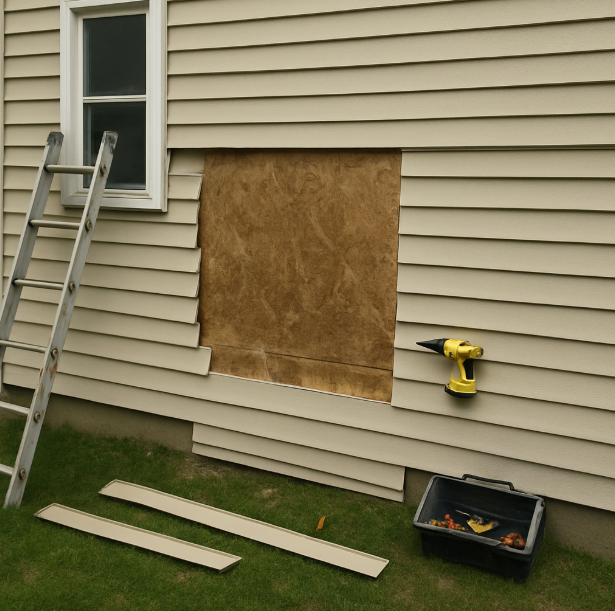
Before diving into costs, it's important to know when siding repair is a viable option. Minor damages, such as small cracks, dents, or holes, can often be repaired without the need for a full replacement. If the damage is localized to a small area, repair is usually more cost-effective. Repairing siding can also be a good choice if the material is still in good condition and matches the rest of your home.
Factors Influencing Repair Costs
The cost of siding repair depends on several factors:
Type of Siding: Different siding materials have varying repair costs. For example, vinyl siding is generally less expensive to repair than wood or fiber cement.
Extent of Damage: The larger the area that needs repair, the more it will cost. Minor repairs like patching small holes will be less expensive than fixing large sections.
Labor Costs: Hiring a professional will add to the repair costs, but it can ensure the job is done correctly and efficiently.
Location: The cost of labor and materials can vary based on your geographic location. Urban areas may have higher costs than rural regions.
Average Siding Repair Costs
On average, siding repairs can range from $100 to $1,500 or more, depending on the factors mentioned above. Minor repairs might cost as little as $50, while extensive repairs could reach several thousand dollars.
Understanding Siding Replacement Costs
When to Consider Siding Replacement
Siding replacement becomes necessary when the existing siding is severely damaged, worn out, or nearing the end of its lifespan. Replacement is often the better choice if you have extensive damage, such as large cracks, warping, or rot. Additionally, if you're planning a significant home renovation or want to improve energy efficiency, replacing the siding can be a worthwhile investment.
Factors Influencing Replacement Costs
Several factors can affect the cost of siding replacement:
Material Choice: The type of siding material you choose will significantly impact the cost. Options range from affordable vinyl to high-end wood or fiber cement.
Home Size: Larger homes require more materials and labor, which increases costs. The complexity of your home's architecture can also affect pricing.
Labor Costs: Professional installation is recommended for siding replacement, and labor costs can vary based on location and contractor expertise.
Old Siding Removal: Removing and disposing of the old siding adds to the overall cost of replacement.
Average Siding Replacement Costs
On average, siding replacement costs can range from $5,000 to $25,000 or more. Vinyl siding tends to be the most affordable, while wood and fiber cement are typically more expensive. Keep in mind that investing in quality siding can enhance your home's value and curb appeal.
Siding Options: Repair vs. Replacement
Weighing the Pros and Cons
When deciding between siding repair and replacement, consider the following:
Cost: Repair is generally cheaper in the short term, but replacement may save money in the long run if your siding is nearing the end of its life.
Longevity: New siding offers better durability and can last for decades, whereas repairs may only provide a temporary fix.
Aesthetics: Replacement allows you to update your home's look and improve its market value, while repairs may not significantly enhance appearance.
Energy Efficiency: New siding can improve insulation and reduce energy costs, whereas repairs may not offer the same benefits.
Making the Right Choice for Your Home
Ultimately, the decision between siding repair and replacement depends on your specific situation and goals. If your siding is relatively new and damage is minimal, repair might be the best choice. However, if your siding is outdated, extensively damaged, or you want to enhance your home's energy efficiency, replacement could be the wiser investment.
Budgeting for Siding Projects
Tips for Managing Costs
Get Multiple Quotes: Reach out to several contractors to compare prices and services. This ensures you get a fair deal and quality workmanship.
Consider Financing Options: Many contractors offer financing plans to help homeowners manage costs over time. Check with your contractor for available options.
Plan for the Off-Season: Scheduling your siding project during the off-season can sometimes lead to discounts, as contractors may offer lower rates during less busy times.
DIY vs. Professional Work: While DIY can save money, professional work ensures quality and longevity. For extensive repairs or replacements, hiring a pro is often the best choice.
Understanding Long-Term Savings
While upfront costs for siding replacement might seem high, consider the long-term benefits. New siding can improve your home's insulation, reduce energy bills, and increase property value. Additionally, quality siding materials require less maintenance and repair over time, saving you money in the long run.
Conclusion
Choosing between siding repair and replacement involves weighing the costs, benefits, and long-term goals for your home. By understanding the factors that influence costs and considering your specific needs, you can make an informed decision that enhances your home's protection, appearance, and value. Whether you opt for repair or replacement, investing in your home's siding is a crucial step in maintaining its integrity and curb appeal for years to come.
Subscribe to Huskie Exteriors's Blog





Comments