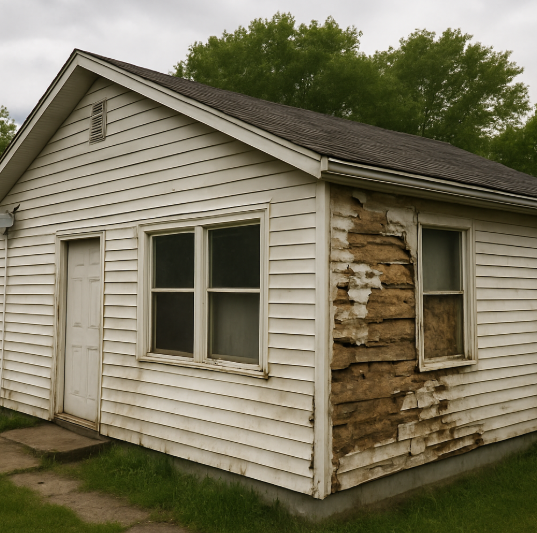
When it comes to maintaining your home, siding plays a crucial role in protecting your property from the elements. Over time, however, siding can suffer from wear and tear, necessitating repairs. As a homeowner, you might be wondering whether to tackle siding repairs yourself or hire a professional. Both options have their pros and cons, and in this article, we'll explore them in detail to help you make an informed decision.
Understanding Siding and Its Importance
Before diving into the pros and cons of DIY versus professional siding repairs, it's important to understand what siding is and why it's essential. Siding is the protective material attached to the exterior of a house. It shields the structure from weather conditions, enhances curb appeal, and can even improve energy efficiency.
Types of Siding
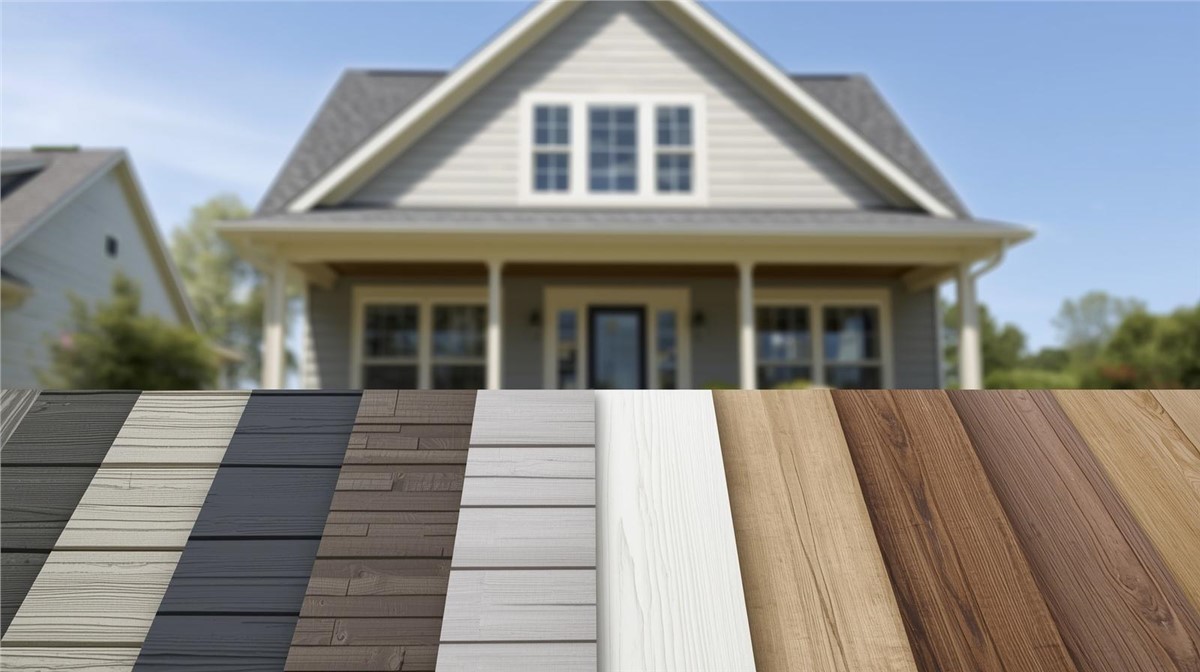
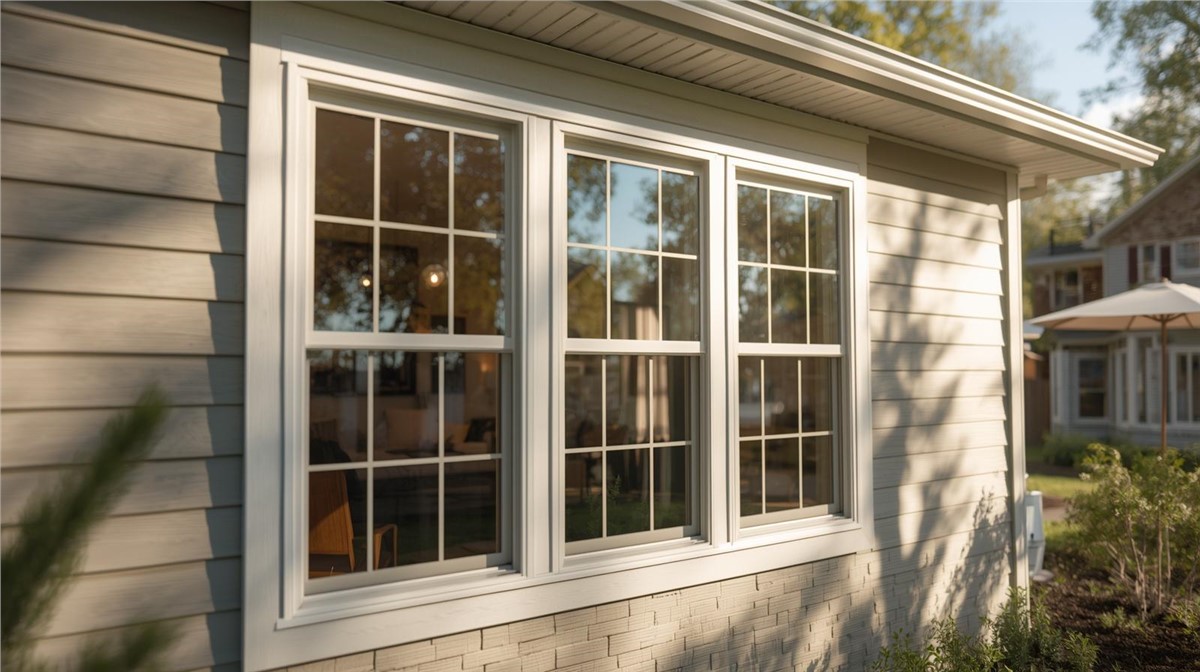
There are various types of siding materials available, including vinyl, wood, fiber cement, and aluminum. Each has its own set of characteristics, maintenance requirements, and costs. Vinyl siding, for example, is popular due to its affordability and low maintenance needs.
DIY Siding Repairs

Taking the DIY route can be appealing for many homeowners. Here's a look at the advantages and disadvantages of handling siding repairs on your own.
Pros of DIY Siding Repairs
Cost Savings: One of the most significant benefits of DIY siding repairs is the potential to save money. By doing the work yourself, you eliminate labor costs, which can be substantial.
Flexibility: DIY repairs allow you to work at your own pace. You can tackle the project on weekends or whenever you have free time, making it convenient for your schedule.
Sense of Accomplishment: Completing a home improvement project on your own can provide a sense of pride and accomplishment. It allows you to enhance your skills and knowledge about home maintenance.
Cons of DIY Siding Repairs
Skill Level: Siding repair requires a certain level of expertise. If you're not experienced, you may struggle with the installation or cause further damage, leading to higher costs in the long run.
Time-Consuming: DIY siding repairs can be time-consuming, especially if you're learning as you go. It can take longer than anticipated, leaving your home exposed to the elements.
Limited Tools and Equipment: Professional siding contractors have access to specialized tools and equipment that may not be available to the average homeowner. This can affect the quality of the repair work.
Professional Siding Repairs
Hiring a professional to handle your siding repairs is another option. Here are the pros and cons of this approach.
Pros of Professional Siding Repairs
Expertise and Experience: Professional contractors bring a wealth of experience and expertise to the table. They are familiar with different types of siding and can handle repairs efficiently and effectively.
Quality Workmanship: When you hire a professional, you can expect high-quality workmanship. They have the skills and tools needed to ensure the repair work is done correctly, reducing the risk of future issues.
Time Efficiency: Professionals can complete the job much faster than a DIY approach. This means less disruption to your daily life and a quicker resolution to your siding problems.
Warranties and Guarantees: Many professional siding contractors offer warranties or guarantees on their work, providing peace of mind in case any issues arise after the repair.
Cons of Professional Siding Repairs
Cost: The most significant drawback of hiring a professional is the cost. Labor and material expenses can add up, making it a more expensive option compared to DIY repairs.
Scheduling: Depending on the contractor's availability, you may need to schedule the repair work around their timetable, which could cause delays.
Making the Right Choice
When deciding between DIY and professional siding repairs, consider the following factors:
Budget: Determine how much you're willing to spend on the repair. If budget is a concern, DIY might be the way to go, but be mindful of the potential for added costs if the repair doesn't go as planned.
Skill Level: Assess your own skills and experience. If you're confident in your ability to handle the repair, DIY could be a viable option. However, if you're unsure, it may be best to hire a professional.
Time Constraints: Consider how much time you can realistically dedicate to the repair. If you're short on time, a professional might be able to complete the work more quickly.
Complexity of the Repair: Evaluate the extent of the damage. Minor repairs might be manageable on your own, but more complex issues could require professional intervention.
Conclusion
Both DIY and professional siding repairs have their advantages and disadvantages. By weighing the pros and cons, considering your own skills and resources, and assessing the complexity of the repair, you can make an informed decision that best suits your needs. Whether you choose to tackle the project yourself or hire a professional, maintaining your home's siding is essential for its longevity and appearance.
In any case, ensuring your siding is in good condition will protect your home and enhance its curb appeal for years to come.
Subscribe to Huskie Exteriors's Blog





Comments