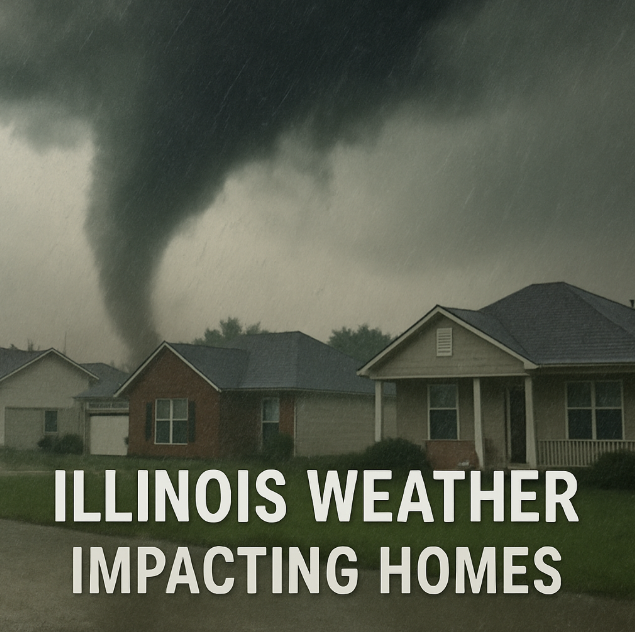
The weather in Illinois can be quite unpredictable, ranging from hot summers to harsh winters, with everything in between. This diversity in climate conditions can significantly affect the integrity and maintenance needs of your home's siding. Whether you are considering siding replacement or need to address urgent repairs, understanding how Illinois weather impacts siding is crucial.
This article will delve into the effects of Illinois's weather on siding materials, when to consider siding replacement, and tips for maintaining your siding in top shape.
Understanding the Impact of Weather on Siding
Heat and Sun Exposure
In the summer months, Illinois can experience intense heat and prolonged sun exposure. High temperatures may cause certain types of siding, especially vinyl siding, to expand and contract. This constant movement can lead to warping, buckling, or even cracking over time.
Moreover, UV rays from the sun can fade the color of your siding, making it look worn and aged. To combat these effects, it's essential to choose a siding material that offers UV resistance and is designed to withstand temperature fluctuations.
Cold and Snow
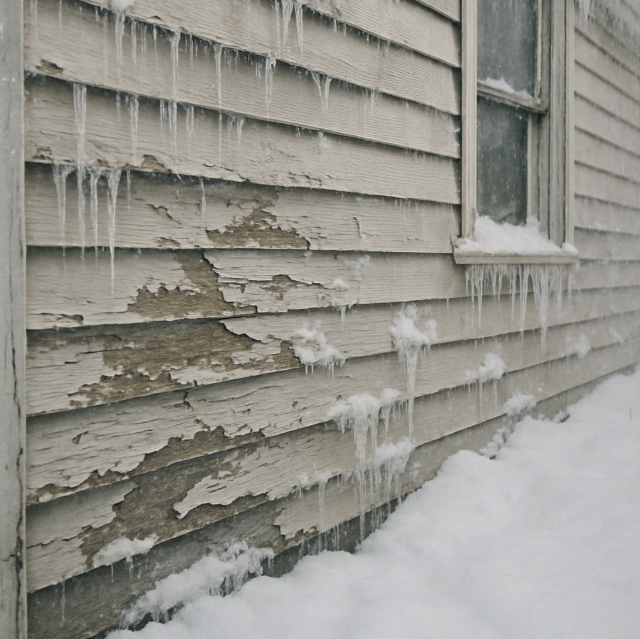
Illinois winters bring freezing temperatures and heavy snowfall, which can be particularly harsh on your siding. Cold weather can make siding materials brittle, increasing the risk of cracking under pressure from snow and ice.
Additionally, the freeze-thaw cycle that occurs when temperatures fluctuate around the freezing point can exacerbate any existing weaknesses in your siding, leading to further damage.
Rain and Humidity
Frequent rain and high humidity levels are also common in Illinois, especially during the spring and fall. Excess moisture can penetrate siding materials, leading to mold, mildew, and rot, particularly if your siding is made of wood.
To prevent moisture-related issues, ensure your siding is properly sealed and regularly inspect it for any signs of water damage.
When to Consider Siding Replacement
Visible Damage
If you notice visible damage such as cracks, warping, or significant fading, it might be time to consider siding replacement. Damaged siding not only affects your home's appearance but can also compromise its structural integrity.
Increased Energy Bills
Siding plays a crucial role in insulating your home. If you notice a sudden increase in your energy bills, it might be due to inefficient siding allowing air leaks. Replacing old or damaged siding with newer, more energy-efficient options can help reduce your energy costs.
Frequent Repairs
If you're constantly repairing your siding, it may be more cost-effective in the long run to replace it entirely. Frequent repairs can add up, and new siding can offer better protection and durability.
Choosing the Right Siding for Illinois Weather
Vinyl Siding
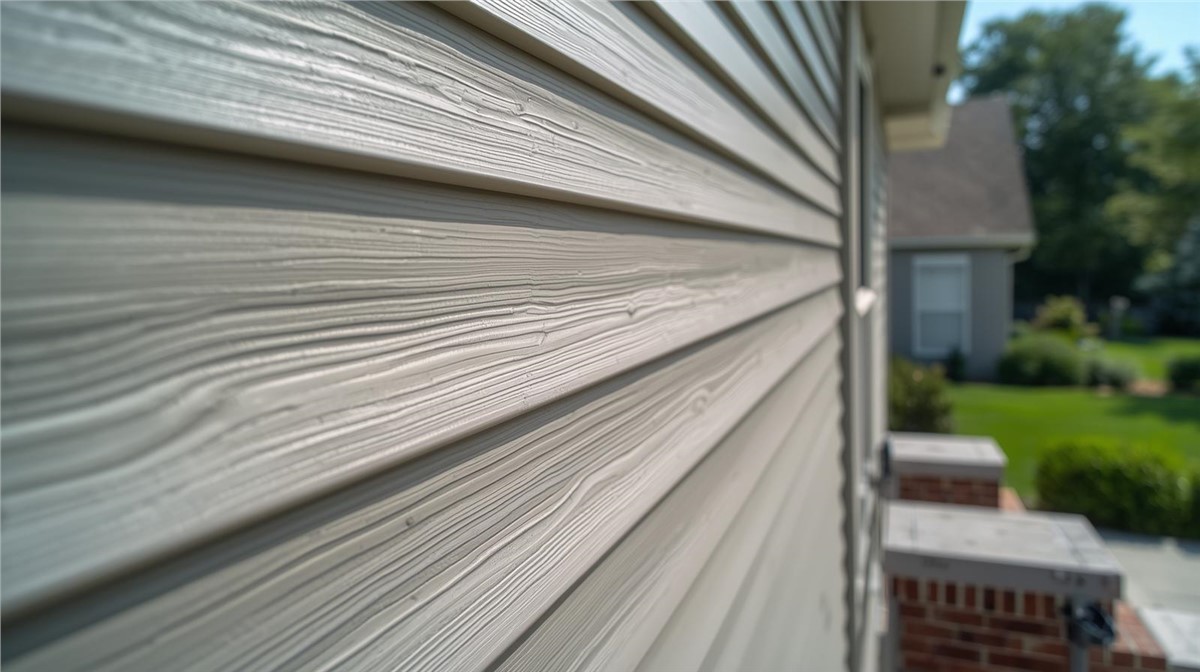
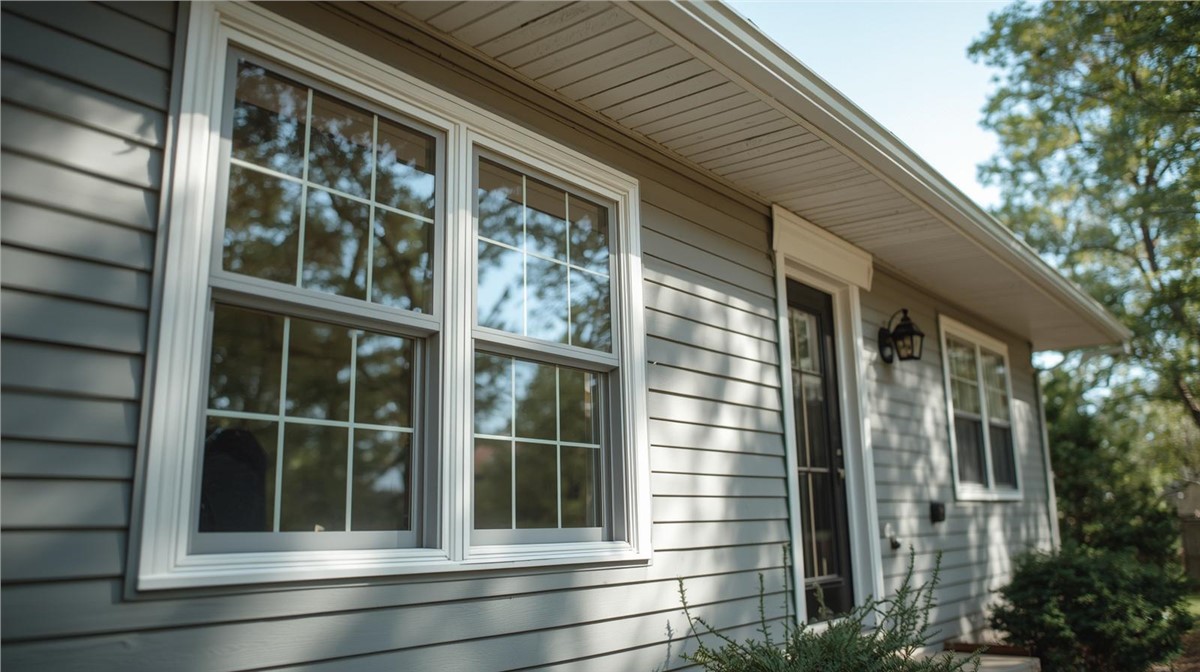
Vinyl siding is a popular choice for many homeowners due to its affordability and versatility. It is designed to withstand temperature fluctuations, making it suitable for Illinois's varying climate. Additionally, vinyl siding comes in a range of colors and styles, allowing you to customize the look of your home.
Fiber Cement Siding
Fiber cement siding is another durable option that can handle Illinois's weather extremes. It is resistant to moisture, insects, and fire, making it a reliable choice for long-term protection. Fiber cement siding also offers excellent insulation, which can help reduce energy costs.
Wood Siding
While wood siding offers a classic and natural look, it requires more maintenance to protect it from moisture and pests. If you choose wood siding, be prepared for regular sealing and inspections to ensure its longevity.
Tips for Maintaining Your Siding
Regular Inspections
Conduct regular inspections of your siding to catch any potential issues early. Look for signs of damage, such as cracks, warping, or loose panels, and address them promptly to prevent further deterioration.
Cleaning
Keep your siding clean by washing it at least once a year. Use a mild detergent and water to remove dirt, grime, and mold. Be sure to rinse thoroughly to avoid soap residue.
Sealant and Paint
If your siding requires sealing or painting, do so regularly to protect it from the elements. This is especially important for wood siding, which is more susceptible to moisture damage.
Professional Maintenance
Consider hiring a professional for routine maintenance and inspections. They can provide expert advice and ensure your siding is in optimal condition.
Conclusion
Understanding how Illinois weather affects siding repairs is essential for maintaining the integrity and appearance of your home. By choosing the right materials and implementing regular maintenance, you can protect your investment and ensure your siding withstands the test of time.
Whether you're in need of siding installation, replacement, or repairs, keeping these factors in mind will help you make informed decisions and keep your home looking its best. Remember, the key to long-lasting siding is proper care and timely intervention. Stay proactive, and your home's exterior will remain resilient against the ever-changing Illinois weather.
Subscribe to Huskie Exteriors's Blog





Comments