Replacing the windows in your home can significantly boost its energy efficiency, curb appeal, and overall value. Whether you're dealing with drafty old windows or simply looking to upgrade to more modern, energy-efficient options, understanding the window replacement process is crucial. This comprehensive guide will walk you through everything you need to know about window replacement, from identifying when it's time to replace your windows to choosing the right type for your home.
Signs You Need New Windows
It's not always obvious when windows need replacing. Here are some common signs:
Drafts and Cold Spots: If you feel a draft, even when the windows are closed, it’s a sure sign that your windows are no longer sealing properly.
Condensation: Frequent condensation or frost on the glass can indicate seal failure.
High Energy Bills: Old windows can cause your heating and cooling system to work harder, increasing your energy costs.
Difficulty Opening and Closing: Windows should operate smoothly; difficulty could mean they are warped or damaged.
Visible Damage: Cracks, chips, or visible water damage are clear indicators it's time for new windows.
Benefits of Window Replacement
Replacing windows comes with numerous benefits:
Energy Efficiency: Modern windows offer better insulation, reducing energy costs.
Increased Home Value: New windows can boost your home's market value.
Enhanced Curb Appeal: Fresh windows can significantly improve your home's appearance.
Noise Reduction: Quality windows can reduce outside noise, creating a more serene indoor environment.
Types of Windows
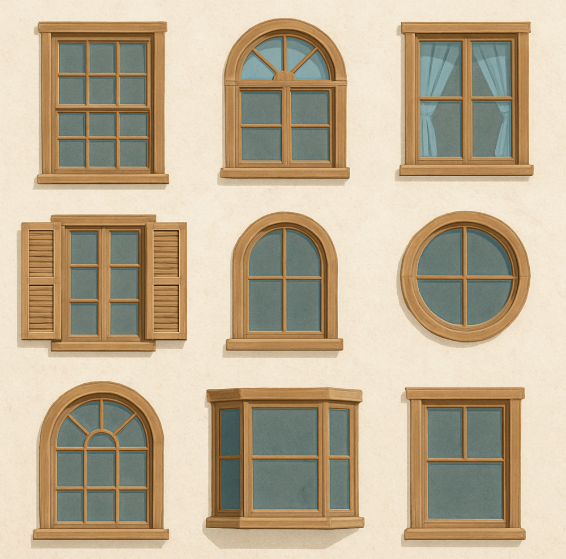
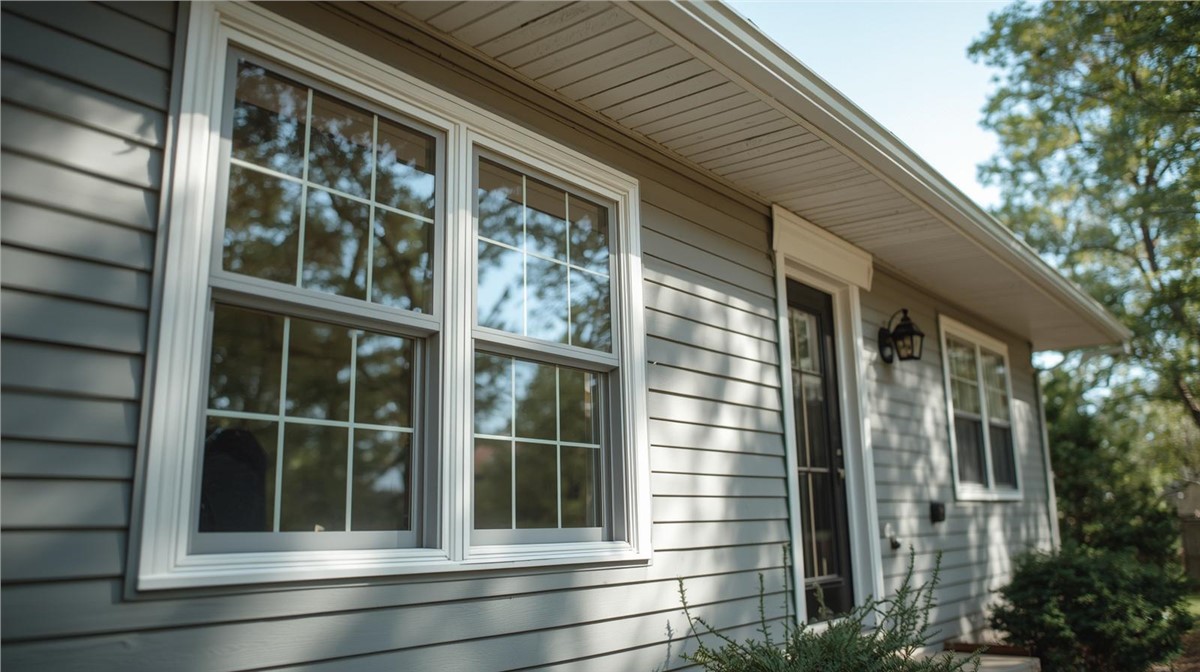
Understanding the different types of windows available can help you make an informed decision.
Single-Hung and Double-Hung Windows
Single-Hung: Only the bottom sash is operable. These are often more budget-friendly.
Double-Hung: Both sashes can move. They are easier to clean and offer better ventilation.
Sliding Windows
Sliding windows open horizontally and are ideal for spaces where you want an unobstructed view or a modern look.
Casement Windows
Hinged at the side, casement windows open outward, offering excellent ventilation and unobstructed views.
Awning Windows
Hinged at the top, these windows open outward and are great for ventilation, even during rain.
Picture Windows
These large, fixed windows don't open but provide expansive views and lots of natural light.
Choosing Energy-Efficient Windows
Energy-efficient windows are a smart investment. Here's what to look for:
Glass Options
Double or Triple Glazing: More layers of glass mean better insulation.
Low-E Coatings: These coatings reflect heat, helping to keep your home comfortable year-round.
Frame Materials
Vinyl: Affordable, low maintenance, and good insulation properties.
Wood: Offers excellent insulation but requires more maintenance.
Aluminum: Durable and low maintenance but less energy-efficient.
Fiberglass: Strong, durable, and energy-efficient.
Energy Star Rating
Look for windows with the Energy Star label, ensuring they meet energy efficiency guidelines.
DIY Window Replacement vs. Professional Installation
DIY Window Replacement
If you're handy, you might consider replacing windows yourself. Here's what you need to know:
Pros: Save on labor costs; flexible timing.
Cons: Requires significant time and skill; risk of improper installation.
Steps for DIY:
Measure the window opening accurately.
Remove the old window carefully.
Install the new window, ensuring it is level and sealed properly.
Professional Installation
For most homeowners, hiring a professional is the best choice.
Pros: Guaranteed proper installation; warranties on labor and materials.
Cons: Higher upfront cost.
Costs of Window Replacement
Window replacement costs can vary widely based on several factors:
Factors Affecting Cost
Window Type: Custom or specialty windows can cost more.
Material: Wood frames are generally more expensive than vinyl.
Installation: Labor costs can vary based on complexity and location.
Energy Efficiency Features: Additional features like triple glazing or special coatings can increase the price.
Average Cost Estimates
On average, you might expect to pay between $200 to $1,500 per window, including installation. Energy-efficient windows may cost more initially but can save you money on energy bills over time.
Finding a Window Replacement Contractor
When choosing a contractor, consider these tips:
Get Multiple Quotes: Compare estimates to ensure competitive pricing.
Check References and Reviews: Look at past work and customer feedback.
Verify Licenses and Insurance: Ensure the contractor is properly licensed and insured.
Conclusion
Replacing your windows is a significant investment that can greatly enhance your home's comfort, appearance, and energy efficiency. Whether you choose to tackle the project yourself or hire a professional, understanding the process and options available will help you make the best decision for your home.
Investing in quality windows not only improves your living environment but also adds value to your property. With this guide, you're well-equipped to embark on your window replacement journey with confidence.
Subscribe to Huskie Exteriors's Blog





Comments