When it comes to choosing siding for your Midwest home, durability is a key consideration. The Midwest region is known for its extreme weather conditions, including heavy snow, ice, and strong winds in the winter, and scorching heat and humidity in the summer. Therefore, selecting the right siding material is crucial to ensure your home can withstand these elements while maintaining its aesthetic appeal.
In this article, we will explore the most durable siding options for Midwest homes, discuss their energy efficiency, and help you decide on the best siding material for your needs.
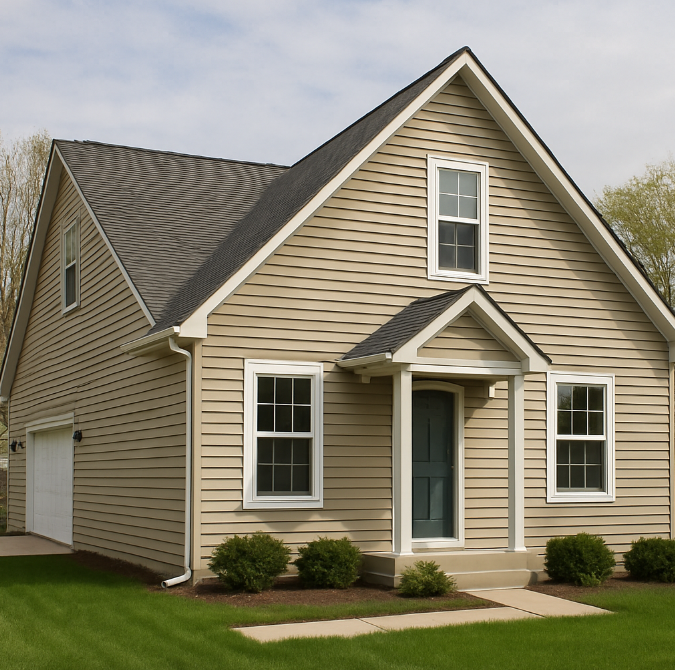
The Midwest climate can be particularly harsh, which means homeowners need to consider siding materials that not only look good but also perform well under pressure. Here's what you should consider:
Weather Resistance: Your siding should be able to handle temperature fluctuations, moisture, and wind without deteriorating.
Energy Efficiency: Insulated siding can help reduce heating and cooling costs, which is crucial in a region with such seasonal extremes.
Aesthetic Appeal: While durability is important, you also want your home to look attractive and blend well with the surroundings.
Top Durable Siding Options for Midwest Homes
1. Vinyl Siding
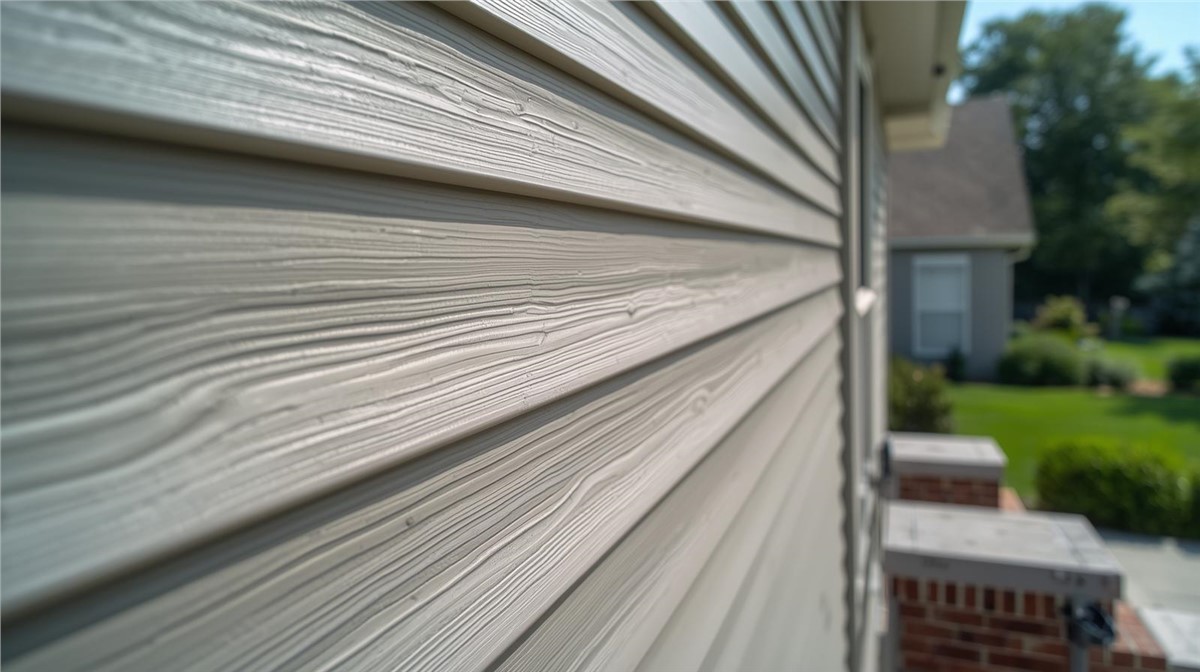
Vinyl siding is one of the most popular choices for Midwest homeowners. It's known for its versatility, affordability, and low maintenance requirements. Vinyl siding is made from PVC (polyvinyl chloride), which makes it resistant to moisture and pests.
Durability: Vinyl siding can withstand severe weather conditions, including wind speeds of up to 110 mph.
Energy Efficiency: Insulated vinyl siding provides an additional layer of protection, reducing energy loss and making your home more energy-efficient.
Maintenance: Vinyl siding requires minimal upkeep; occasional cleaning with soap and water will keep it looking fresh.
2. Fiber Cement Siding
Fiber cement siding is a composite material made from cement, sand, and cellulose fibers. It is renowned for its strength and durability.
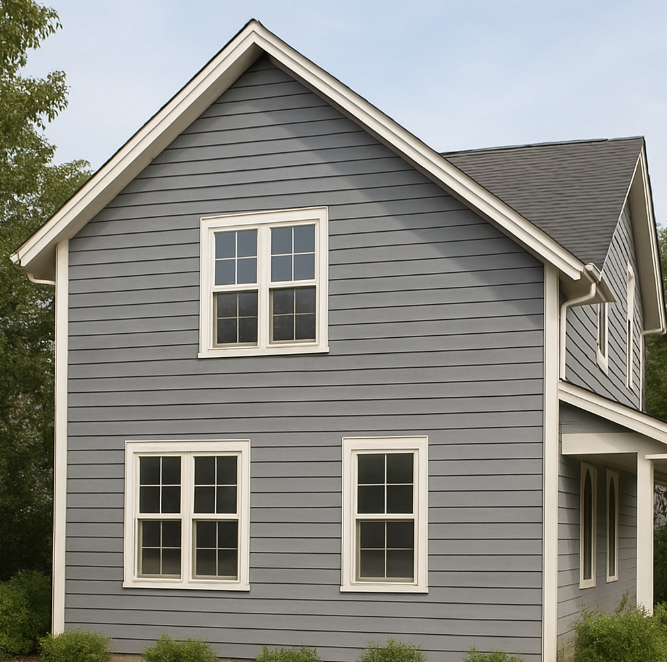
Durability: Fiber cement siding is highly resistant to fire, moisture, and pests. It can last up to 50 years with proper maintenance.
Energy Efficiency: While not as insulating as other materials, fiber cement can be paired with additional insulation to improve energy efficiency.
Maintenance: This siding requires periodic painting to maintain its appearance, but it's otherwise low maintenance.
3. Engineered Wood Siding
Engineered wood siding offers the natural look of wood with enhanced durability. It is made from wood fibers and resins, which are compressed and treated to withstand the elements.
Durability: Engineered wood siding is resistant to rot, insects, and harsh weather conditions. It typically comes with a warranty of 20 to 30 years.
Energy Efficiency: This siding provides moderate insulation, but additional insulation can be added for greater energy efficiency.
Maintenance: It requires occasional painting or staining to maintain its appearance, similar to fiber cement siding.
4. Metal Siding
Metal siding, such as steel or aluminum, is another durable option for Midwest homes. It is particularly valued for its strength and resistance to extreme weather.
Durability: Metal siding is virtually impervious to rot, insects, and fire. It can withstand strong winds and impacts.
Energy Efficiency: Reflective metal siding can help reduce heat absorption, lowering cooling costs in the summer months.
Maintenance: Metal siding is low maintenance and requires little more than occasional cleaning.
Comparing Energy Efficiency of Siding Materials
Energy efficiency is an important consideration for Midwest homeowners, as it can significantly impact heating and cooling costs. Here's how different siding materials compare in terms of energy efficiency:
Vinyl Siding: Insulated vinyl siding is one of the best options for energy efficiency, as it reduces heat transfer and helps maintain a consistent indoor temperature.
Fiber Cement Siding: On its own, fiber cement offers limited insulation, but it can be paired with foam backing or other insulation materials to improve efficiency.
Engineered Wood Siding: Offers moderate insulation, but can be combined with additional insulating materials for better performance.
Metal Siding: Reflective coatings on metal siding can reduce cooling costs, but additional insulation may be necessary for optimal energy efficiency.
Choosing the Best Siding Material for Your Home
When choosing the best siding material for your Midwest home, consider the following factors:
Climate: Evaluate the typical weather conditions in your area and choose a siding material that can handle those conditions.
Budget: Determine your budget for siding and installation, keeping in mind that some materials may have higher upfront costs but lower maintenance expenses over time.
Aesthetic Preferences: Consider the architectural style of your home and the visual appeal of different siding materials.
Maintenance Requirements: Some siding options require more upkeep than others; consider how much time and effort you're willing to invest in maintenance.
Conclusion
Selecting the most durable siding for your Midwest home involves balancing durability, energy efficiency, and aesthetic appeal. Vinyl, fiber cement, engineered wood, and metal siding each offer unique benefits that can meet the needs of Midwest homeowners.
By understanding the characteristics of each material and considering your specific requirements, you can choose the siding that will protect your home, enhance its appearance, and improve energy efficiency for years to come.
Subscribe to Huskie Exteriors's Blog




Comments