When it comes to maintaining your Illinois home, one of the most critical decisions you'll face is whether to repair or replace your roof. A sturdy roof is essential for protecting your home from the elements, and making the right choice can save you time, money, and stress in the long run. In this article, we'll explore the factors to consider when deciding between roof repair and replacement, discuss the costs involved, and offer insights into making the best decision for your specific situation.
Before diving into the pros and cons of roof repair and replacement, it's essential to understand what each option entails. Roof repair involves fixing specific issues or damage on your roof, such as leaks, missing shingles, or minor damage. This process typically involves patching up the affected areas and ensuring that the roof remains watertight. It is often a quicker solution and can be particularly useful for newer roofs or those with isolated issues.
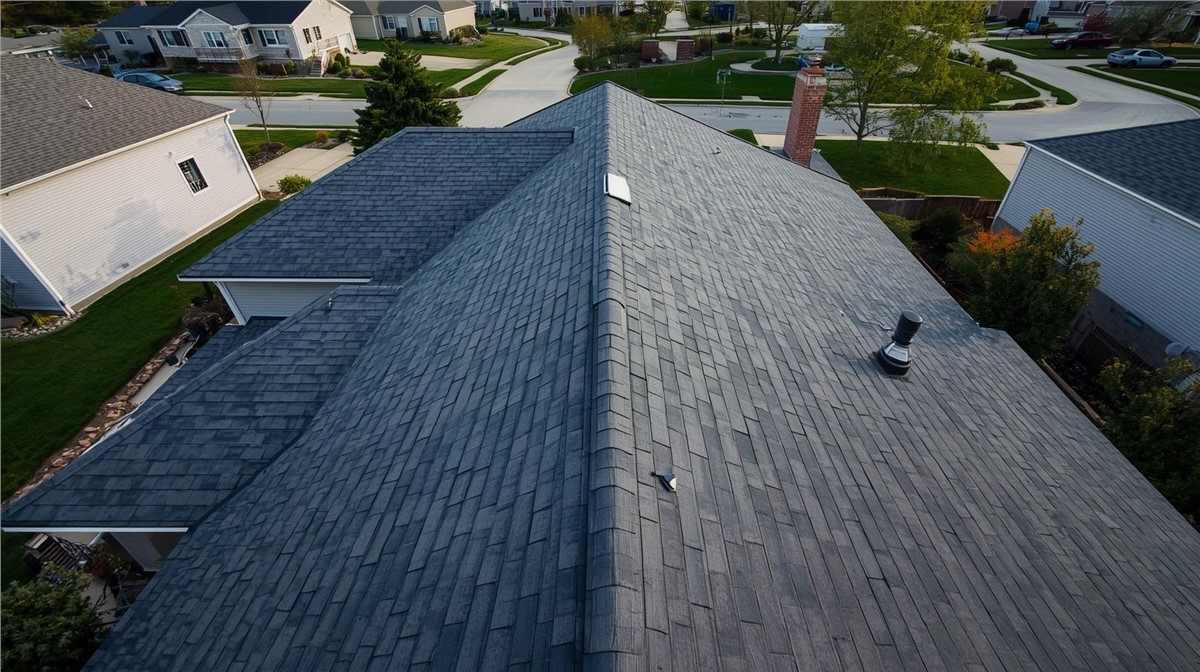
Roof replacement, on the other hand, involves completely removing the existing roof and installing a new one. This can be a more extensive and costly process but may be necessary in some cases. Replacing the entire roof allows for the installation of modern materials that can enhance energy efficiency and provide longer-lasting protection. While it requires a more significant initial investment, a new roof can offer peace of mind and add to your home's overall value.
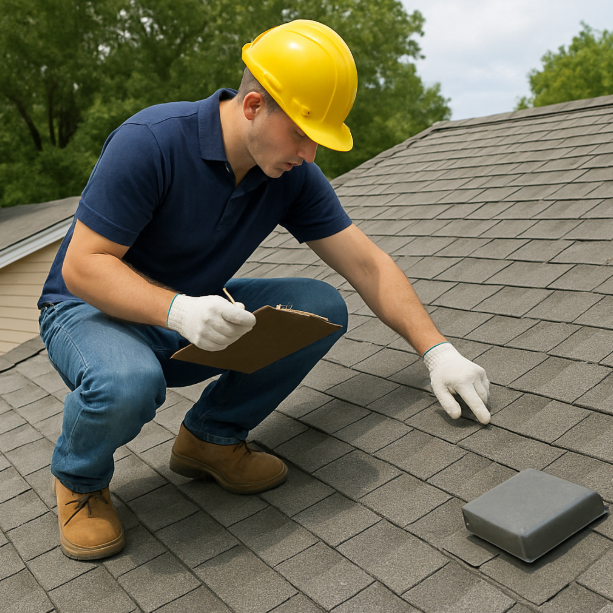
Several factors can influence your decision between roof repair and replacement. Here are some key considerations to keep in mind:
Age of the Roof
The age of your roof is one of the most critical factors in your decision-making process. Most roofing materials have a specific lifespan, with asphalt shingles typically lasting 20-30 years, while metal and tile roofs can last even longer. Older roofs may be more susceptible to damage and wear, making frequent repairs less effective over time.
If your roof is nearing the end of its expected lifespan, replacement may be the more cost-effective option in the long run. A replacement not only addresses current issues but also prevents potential problems that arise as roofing materials age and deteriorate. Moreover, a new roof can incorporate the latest technologies and design improvements, offering benefits in terms of performance and aesthetics.
Extent of Damage
The severity and extent of the damage to your roof can also influence your decision. Minor issues, such as a few missing shingles or a small leak, can often be repaired easily and inexpensively. These repairs can be completed quickly, ensuring that your home remains protected without major disruptions.
However, if the damage is widespread or affects the structural integrity of the roof, a replacement may be necessary to ensure your home's safety and longevity. Extensive damage, such as large leaks, significant shingle loss, or structural sagging, often indicates underlying issues that can jeopardize the entire roof system. In such cases, a replacement is a more prudent choice to safeguard your home.
Cost Considerations
Cost is always a significant factor when making home improvement decisions. Understanding the costs associated with roof repair and replacement can help you make an informed choice.
Roof Repair Costs
Roof repair costs can vary widely depending on the extent of the damage and the materials used. On average, homeowners can expect to spend anywhere from $300 to $1,500 on roof repairs. Minor repairs, like fixing a small leak or replacing a few shingles, will be on the lower end of the scale, while more extensive repairs may cost more.
It's important to get multiple quotes from reputable contractors to ensure you're getting a fair price for the work needed. Additionally, consider the potential need for future repairs; while a single repair might be affordable, frequent issues can add up over time. Therefore, weigh the immediate savings against the potential for recurring costs.
Roof Replacement Costs
Roof replacement costs are generally higher than repair costs, with the average homeowner spending between $5,000 and $10,000 for a full roof replacement. The final cost will depend on factors such as the size of your roof, the materials chosen, and labor costs in your area. Choosing high-quality materials may increase upfront costs but can lead to better durability and energy efficiency.
While replacement is a more significant upfront investment, it can save you money in the long run by preventing future repairs and increasing your home's value. A new roof can also enhance your home's curb appeal, making it more attractive to potential buyers if you plan to sell. Additionally, some homeowners may benefit from lower insurance premiums due to the reduced risk associated with a new roof.
Benefits of Roof Repair
Roof repair offers several advantages, particularly for homeowners facing minor issues or those with newer roofs. Here are some benefits of opting for a roof repair:
Cost-Effective: Repairs are generally less expensive than replacements, making them a more budget-friendly option for homeowners with minor roof issues. This allows homeowners to address problems without a significant financial outlay, preserving capital for other home improvements or emergencies.
Less Disruption: Repairing a roof is typically quicker and less disruptive than a full replacement, allowing you to maintain your daily routine with minimal interruption. The process usually involves localized work, so you can continue using your home as usual without the noise and inconvenience of a complete overhaul.
Extends Roof Lifespan: Addressing minor issues promptly can extend the lifespan of your roof, delaying the need for a full replacement. By keeping up with repairs, you can maximize the usefulness of your current roof and postpone the larger expense of a full replacement until it's truly necessary.
Advantages of Roof Replacement
While roof replacement is a more significant investment, it offers several long-term benefits that may make it the better choice for some homeowners:
Improved Energy Efficiency: A new roof can improve your home's energy efficiency by providing better insulation and reducing heat loss. Modern roofing materials often come with advanced thermal properties, which can lead to lower heating and cooling costs and enhance indoor comfort.
Increased Home Value: A new roof can boost your home's curb appeal and increase its resale value, making it an attractive option for homeowners considering selling their property. Potential buyers often view a new roof as a major plus, as it indicates a well-maintained home with reduced risk of future issues.
Peace of Mind: A new roof provides peace of mind knowing that your home is well-protected from the elements and that you won't need to worry about frequent repairs in the near future. This assurance can be particularly valuable in regions with extreme weather conditions, where roof integrity is paramount for home safety.
Making the Right Choice for Your Home
Deciding between roof repair and replacement can be challenging, but considering the factors mentioned above can help you make an informed decision. It's also essential to consult with a professional roofing contractor who can assess the condition of your roof and provide expert recommendations tailored to your specific situation.
Professional Assessment
A professional roofing contractor can conduct a thorough inspection of your roof, identifying any underlying issues that may not be immediately apparent. They can also provide you with an estimate for both repair and replacement costs, allowing you to weigh your options and make a decision that aligns with your budget and needs. Contractors can offer insights into the latest roofing technologies and materials, ensuring that you choose the best option for your home's specific requirements.
Long-Term Considerations
When making your decision, it's crucial to consider the long-term implications of each option. While repairs may be more affordable upfront, they may not be the best choice if your roof is nearing the end of its lifespan or if the damage is extensive. In these cases, investing in a roof replacement may be the more financially sound decision in the long run. Consider how the decision aligns with your future plans, such as selling the home or staying for many years, and the impact on property value and energy costs.
Conclusion
Choosing between roof repair and replacement is a significant decision that can impact your home's safety, value, and appearance. By considering factors such as the age of your roof, the extent of damage, and cost considerations, you can make an informed decision that meets your needs and budget. Don't hesitate to seek the advice of a professional roofing contractor to ensure you're making the best choice for your Illinois home. Their expertise can provide clarity and confidence, ensuring that your investment in your roof maximizes both protection and value for years to come.
Subscribe to Huskie Exteriors's Blog





Comments