Dealing with roof damage can be a daunting task for homeowners, especially when it involves filing insurance claims. If you're an Illinois homeowner facing roof issues, understanding how to navigate the insurance process is crucial. This guide will walk you through the essentials of insurance roof replacement in Illinois, helping you make informed decisions.

Understanding Roof Insurance Claims
When it comes to roof damage, not all issues are covered by insurance. Insurance companies typically cover damage resulting from unexpected events like storms, hail, or fire. However, wear and tear or neglect usually aren't covered. Knowing what your policy covers is the first step in the process.
What Is Covered?
Most home insurance policies in Illinois cover:
Storm Damage: This includes damage from high winds, hail, and falling debris.
Fire Damage: If your roof is damaged due to a fire, your insurance should cover it.
Vandalism: Acts of vandalism that result in roof damage are typically covered.
What Is Not Covered?
Insurance usually does not cover:
General Wear and Tear: Roofs naturally deteriorate over time, and this isn't covered.
Neglect: Failure to maintain your roof or fix minor issues can lead to denial of claims.
The Roof Replacement Process
Understanding the steps involved in a roof replacement claim can help you navigate the process smoothly.

Step 1: Assess the Damage
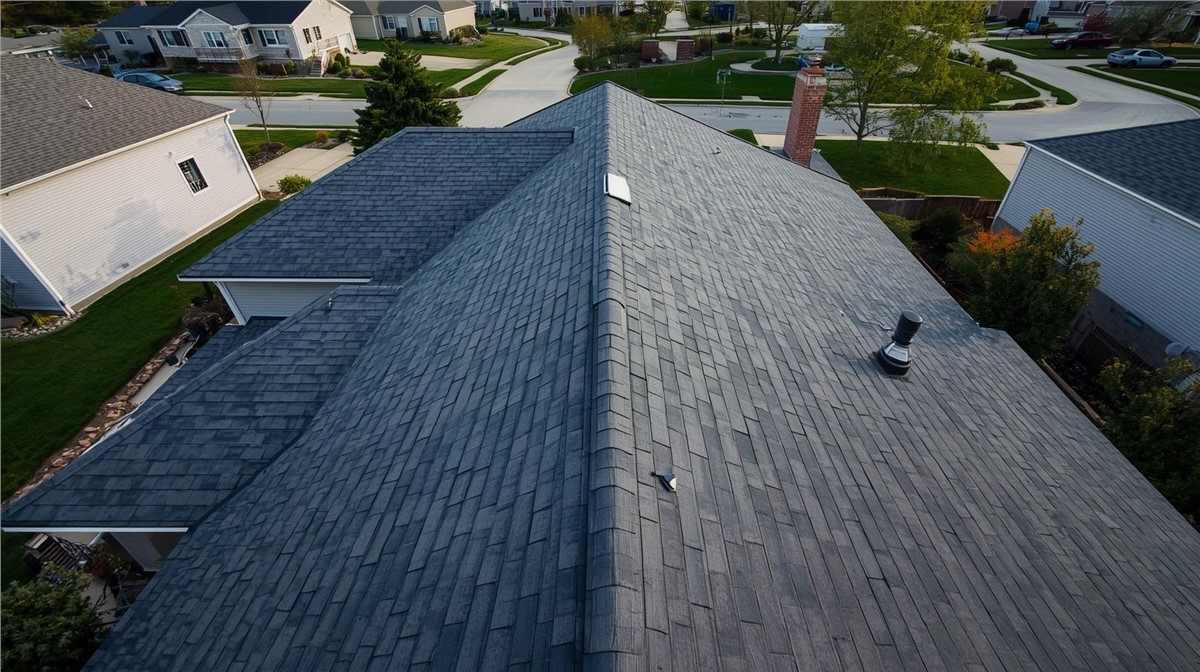
Before filing a claim, inspect your roof to assess the damage. You can do this yourself if it's safe, or hire a professional roofer for a more thorough inspection. Document everything with photos or videos, as this evidence will be crucial for your claim.
Step 2: Review Your Policy
Check your home insurance policy to understand your coverage. Look for specifics on roof damage and any clauses that might affect your claim, such as depreciation or deductibles.
Step 3: Contact Your Insurance Company
Notify your insurer about the damage as soon as possible. They will guide you through the claim process and inform you about any paperwork or evidence needed.
Step 4: Hire a Roofing Contractor
Choose a reputable roofing contractor in Illinois who is experienced with insurance claims. They can provide a detailed estimate and work with your insurance adjuster to ensure you receive the coverage you're entitled to.
Step 5: Meet with the Insurance Adjuster
An insurance adjuster will visit your home to assess the damage. Be present during this meeting to answer any questions and provide the evidence you've collected.
Step 6: Review the Insurance Estimate
After the adjuster's visit, you'll receive an estimate from your insurance company. Compare this with the contractor's estimate. If there are discrepancies, discuss them with your insurer to reach an agreement.
Tips for a Successful Claim
Following these tips can increase the likelihood of a successful insurance claim.
Keep Detailed Records
Maintain detailed records of all communications with your insurance company and roofing contractor. Keep all documents, estimates, and photos organized for easy reference.
Be Prompt
File your claim promptly to avoid any complications. Delays can lead to further damage and potential claim denial.
Understand Your Deductible
Know your policy's deductible and be prepared to pay it. The deductible is the amount you'll need to cover out-of-pocket before your insurance kicks in.
Avoid Common Pitfalls
Avoid these common mistakes that can jeopardize your insurance claim:
Ignoring Minor Damage: Small issues can escalate, leading to bigger problems and potential claim denial.
Using Unlicensed Contractors: Ensure your roofing contractor is licensed and insured in Illinois.
Not Understanding Policy Terms: Familiarize yourself with your policy to avoid surprises during the claim process.
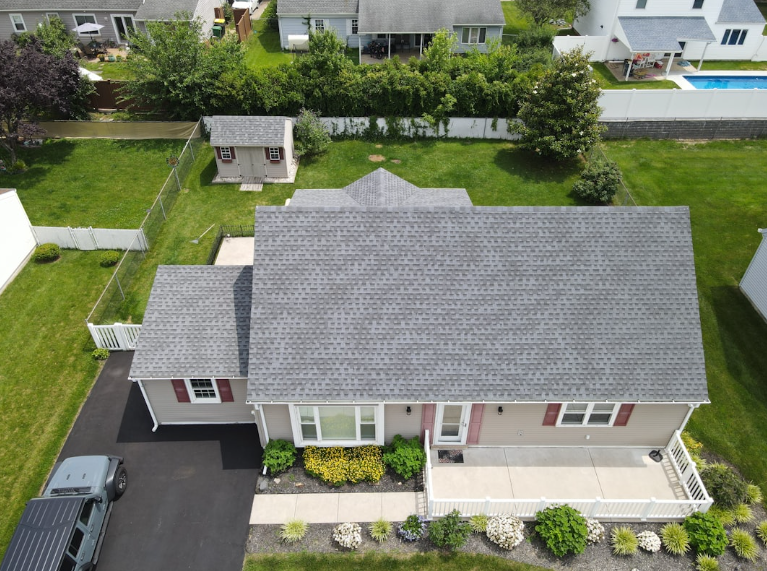
Choosing the Right Roofing Contractor
Selecting the right contractor is crucial for a successful roof replacement. Here are some tips to help you choose:
Check Credentials: Verify the contractor's license and insurance.
Ask for References: Request references from previous clients to gauge their reliability and quality of work.
Get Multiple Estimates: Obtain estimates from several contractors to compare pricing and services.
Conclusion
Navigating the insurance roof replacement process in Illinois can be challenging, but understanding the steps and being prepared can make it more manageable. By assessing the damage, understanding your policy, and working with reputable professionals, you can ensure a smoother experience and get your roof back in top shape.
Whether you're dealing with storm damage or any other covered peril, this guide provides the insights you need to handle your insurance roof replacement with confidence.
Subscribe to Huskie Exteriors's Blog





Comments